U.S. Army Accelerates Development of Modular Lightweight Air Defense Systems for Airborne and Light Infantry Forces
The United States Army has issued a comprehensive Request for Information (RFI) for Maneuver-Short Range Air Defense (M-SHORAD) Increment 4, a strategic initiative aimed at providing light infantry and airborne units with a highly mobile, palletized air defense capability. This move signifies a critical shift in the Army’s modernization strategy, moving toward a "modular and transportable" defense architecture designed to protect forces during high-risk Joint Forced Entry (JFE) operations where heavy armored equipment cannot be easily deployed. The RFI, which sets a deadline of April 6, 2026, outlines a requirement for a system that can be mounted on lightweight manned vehicles and emerging robotic platforms, ensuring that the Army’s most agile units are not left vulnerable to the escalating threat of unmanned aerial systems (UAS) and low-altitude rotary-wing aircraft.
The Strategic Necessity for Lightweight Air Defense
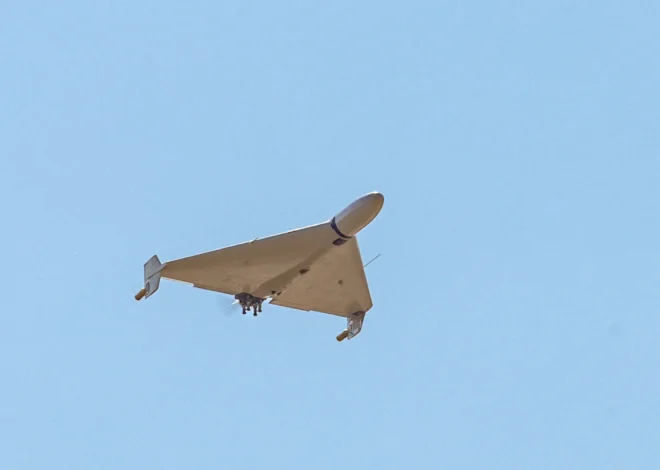
For decades, the U.S. Army focused its short-range air defense (SHORAD) capabilities on heavy divisions, utilizing the Stryker-based M-SHORAD systems to protect armored maneuver forces. However, the changing nature of global conflict—highlighted by the proliferation of low-cost loitering munitions and tactical drones in Eastern Europe and the Middle East—has exposed a significant gap in the protection of light infantry. These units, which often deploy via C-130 transport or helicopter sling-load, lack the organic firepower to counter sophisticated aerial threats while remaining mobile.
The M-SHORAD Increment 4 program addresses this disparity. Unlike previous iterations that were integrated into heavy vehicle chassis, Increment 4 seeks a "Self-Loading Equipment Dock" (SLED) or pallet-mounted solution. This design philosophy allows the weapon system to be "strapped on" to existing light platforms such as the Infantry Squad Vehicle (ISV) or the Robotic Combat Vehicle (RCV) without requiring permanent modifications to the transport vehicle. This "plug-and-play" capability is essential for JFE operations, where units must be able to hit the ground, deploy their defenses rapidly, and maintain a high degree of maneuverability in contested environments.
Technical Specifications and the SLED Concept
The Army’s vision for Increment 4 is centered on versatility and the Modular Open System Approach (MOSA). By utilizing MOSA, the service ensures that the hardware and software components can be upgraded as new threats emerge, avoiding the "vendor lock" that often plagues military procurement. The SLED must be a self-contained unit capable of independent functionality while mounted, yet easily removable so that the host vehicle can return to its primary transport role.
The primary targets for the M-SHORAD Increment 4 are Group 1, 2, and 3 drones. These range from small, hand-launched "suicide" drones to larger, medium-altitude tactical UAVs. Additionally, the system is expected to provide a credible defense against fixed-wing close air support (CAS) aircraft and attack helicopters. To achieve this, the Army is looking for a "multimodal" defense suite that combines kinetic and non-kinetic effects:
- Kinetic Interceptors: These include the FIM-92 Stinger missile and the developing Next Generation Short Range Interceptor (NGSRI). The Army is also exploring the Advanced Precision Kill Weapon System (APKWS), which uses laser-guided rockets to provide a cost-effective alternative to larger missiles.
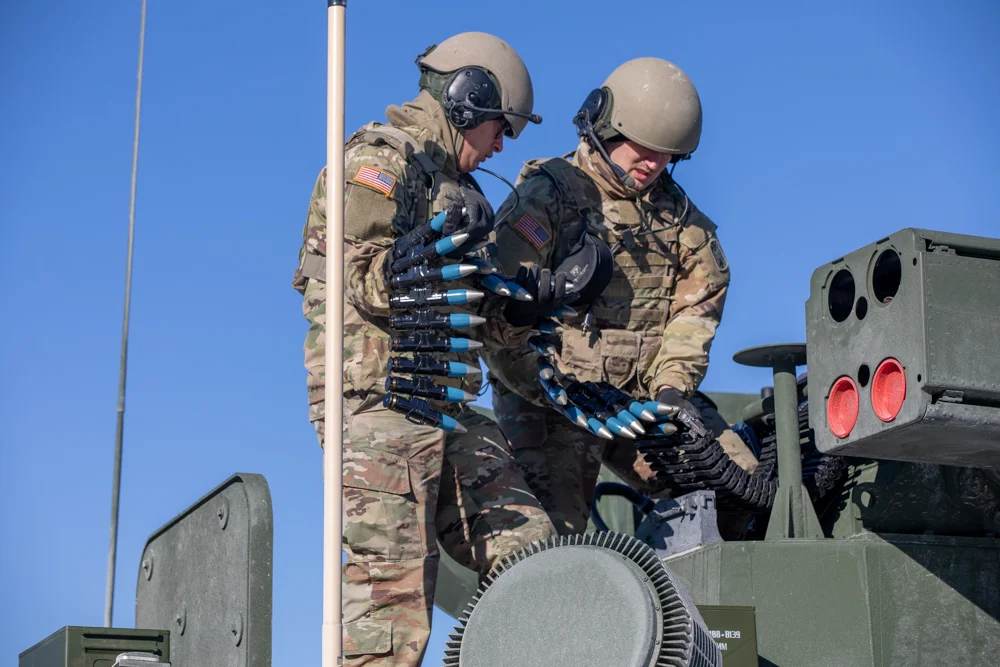
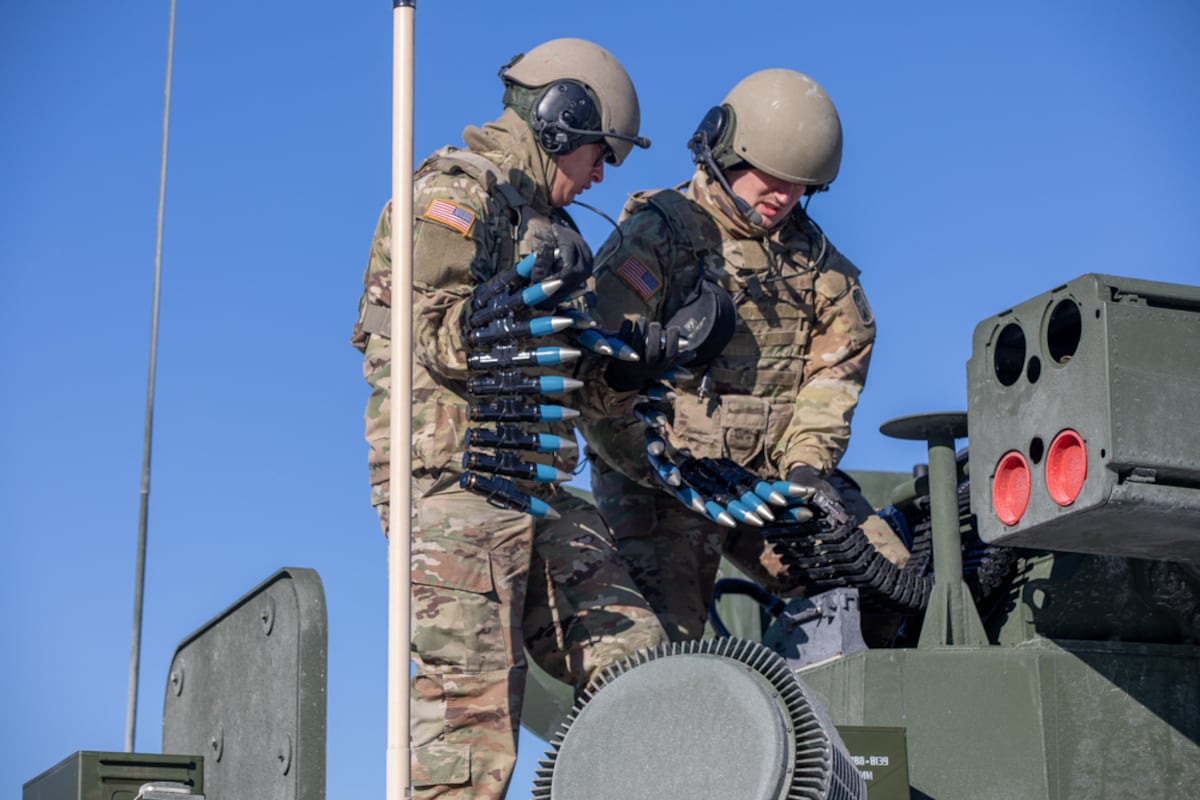
- Direct Fire Weapons: The XM914 30mm cannon is a top candidate for the SLED, providing high-volume fire against both aerial and ground targets. Complementary .50-caliber and 7.62mm machine guns are also under consideration for close-in defense.
- Non-Kinetic Effects: Electronic warfare (EW) suites are a core requirement. These systems are designed to jam the signals of incoming drones or disrupt their GPS navigation, providing a "soft kill" option that is vital in environments where kinetic fire might cause collateral damage.
- Sensors: The system will require a mix of active (radar) and passive (electro-optical/infrared) sensors to detect, track, and identify threats in all weather conditions.
A Chronology of M-SHORAD Development
The evolution of the M-SHORAD program reflects the Army’s urgent pivot from counter-insurgency operations to large-scale combat operations (LSCO). The timeline of this development reveals a rapid acceleration of procurement cycles:
- Pre-2018: The Army’s SHORAD capability was largely relegated to the aging Avenger missile system, mounted on Humvees. Much of the SHORAD force had been divested during the wars in Iraq and Afghanistan, under the assumption that the U.S. Air Force would maintain total air superiority.
- 2018–2021 (Increment 1): Recognizing the drone threat, the Army launched M-SHORAD Increment 1. This system integrated a 30mm cannon, Stinger missiles, and Longbow Hellfire missiles onto a Stryker A1 chassis. The first units were deployed to Germany in 2021 to bolster NATO’s eastern flank.
- 2022–2024 (Increment 2 & 3): Increment 2 focused on Directed Energy (DE-MSHORAD), utilizing 50kW lasers on Strykers. While promising, the Army recently adjusted its focus due to the technical challenges of sustaining laser weapons in the field. Increment 3 aimed to upgrade the kinetic capabilities of the Stryker units with the Next Generation Short Range Interceptor.
- 2024–2026 (The Shift to Increment 4): The initial 2024 RFI for light SHORAD was broad, looking for various vehicle-mounted solutions. By early 2026, the Army refined its requirement to the current SLED/palletized model, reflecting a more mature understanding of the weight and power constraints of light infantry forces.
- 2027–2029 (Target Fielding): The Army intends to begin fielding Increment 4 units within this window, leveraging high Technology Readiness Level (TRL) components to bypass lengthy development cycles.
Size, Weight, and Power (SWaP) Constraints
One of the most significant hurdles for Increment 4 is the "SWaP" challenge. Light vehicles like the ISV are designed for speed and transportability, not for carrying heavy radar arrays and ammunition magazines. An ISV, for instance, has a payload capacity that is a fraction of a Stryker’s.
The RFI explicitly acknowledges these constraints, noting that the Army intends to "explore systems which are compatible with multiple/various vehicles." The solution likely lies in a distributed approach. Rather than one vehicle carrying every sensor and weapon, a squad of Robotic Combat Vehicles might share the load—one carrying the radar, another the 30mm cannon, and a third the EW suite—all linked through a common command-and-control (C2) network. This "distributed lethality" ensures that the loss of a single vehicle does not result in the total loss of the unit’s air defense capability.
Implications for Joint Forced Entry and Global Deployment
The focus on C-130 transportability and "sling load" capability (the ability to be carried under a CH-47 Chinook or UH-60 Black Hawk) is a direct response to the requirements of the 82nd Airborne Division and other rapid-response units. In a "Joint Forced Entry" scenario, paratroopers or air-assault troops are dropped into contested territory to seize airfields or key infrastructure. Currently, these forces are highly vulnerable to drone swarms during the first 48 to 72 hours of an operation before heavier defenses can be brought in by sea or heavy lift.
By providing a palletized M-SHORAD system that can be air-dropped alongside the troops, the Army ensures that light forces have "Day One" protection. Furthermore, the inclusion of the Robotic Combat Vehicle (RCV) as a potential host platform suggests a future where unmanned "wingmen" provide a protective bubble around human soldiers, reducing the risk to personnel in high-threat environments.
Industry and Official Perspective
While the Army has not officially named frontrunners for the contract, industry analysts point to several existing systems that could meet the RFI’s requirements. Companies like Leonardo DRS, Moog, and Northrop Grumman, who were instrumental in the Stryker-based M-SHORAD, are expected to submit modular versions of their turrets. Additionally, the use of the APKWS—a BAE Systems product—suggests that the Army is looking for "high-TRL" solutions that are already in the inventory.
Officials from the Program Executive Office (PEO) Missiles and Space have previously emphasized that the goal is not to "reinvent the wheel" but to repackage proven technology into a lighter, more versatile frame. The April 6 deadline for the RFI will be followed by a period of technical evaluation, with the potential for prototyping contracts to be awarded by late 2026.
Conclusion: A New Era of Maneuver Warfare
The M-SHORAD Increment 4 program represents the final piece of the U.S. Army’s short-range air defense puzzle. By extending sophisticated protection to the most mobile and vulnerable elements of the force, the Army is adapting to a reality where air superiority is no longer guaranteed and the "sky is full of eyes" in the form of ubiquitous drones.
As the program moves toward its 2027-2029 fielding goal, the success of Increment 4 will depend on industry’s ability to balance lethal firepower with the extreme weight restrictions of airborne operations. If successful, the palletized SLED concept could become a blueprint for other capabilities, leading to a more modular, adaptable, and resilient U.S. Army capable of operating under the constant shadow of aerial threats. This transition from vehicle-centric to platform-agnostic defense marks a significant milestone in the history of modern maneuver warfare, ensuring that the American infantryman remains protected, no matter how they enter the fight.

Related Posts
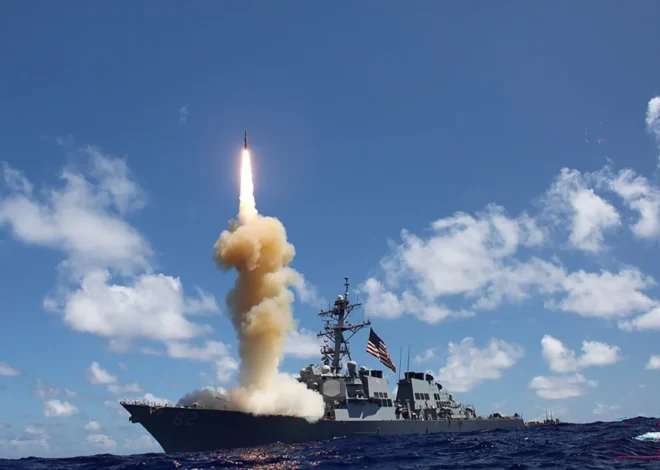
Pentagon Forges Landmark Seven-Year Agreements with Boeing and RTX to Accelerate Standard Missile-3 Production and Stabilize Defense Supply Chains
Boeing Unveils Ultra Low-Cost Seeker to Enhance Missile Inventory and Combat Cost Challenges in Modern Warfare