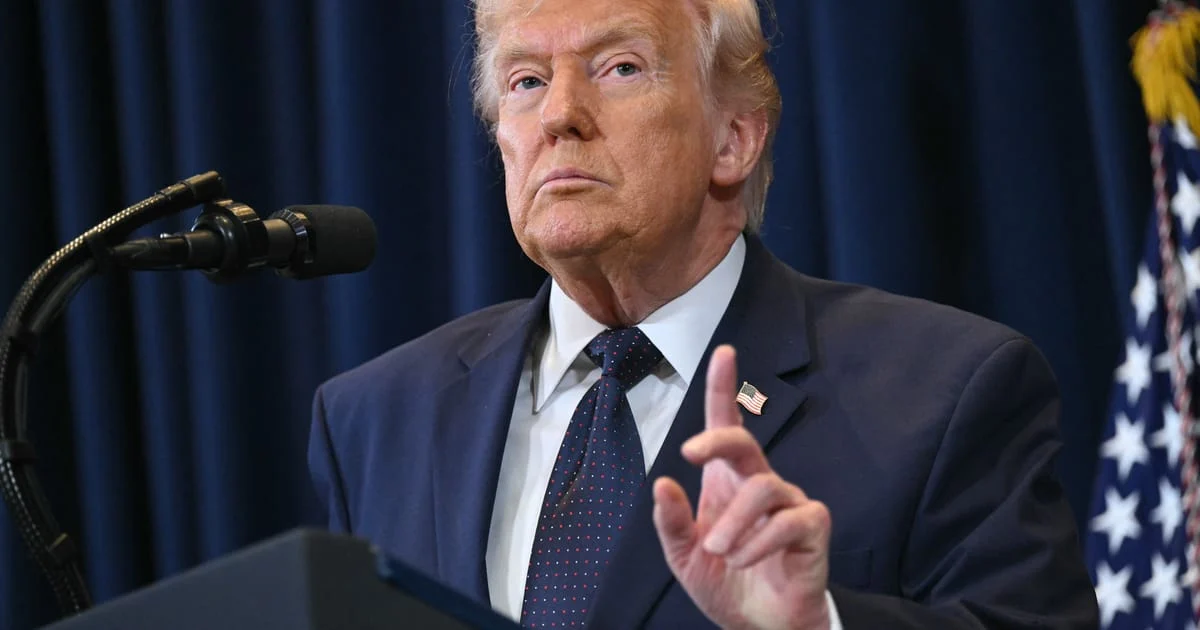
Trump warns NATO (again) of ‘very bad future’ if allies don’t secure Strait of Hormuz
The report highlights that nearly 80 percent of the children documented as having been forcibly removed from their homes in occupied territories remain in Russia or Russian-controlled regions, with minimal progress made toward their repatriation. This revelation has sent shockwaves through international diplomatic circles, reinvigorating calls for enhanced accountability measures and further complicating the already strained prospects for peace negotiations.
The Scope of Systematic Deportation
The investigation, conducted over several months of field research and data analysis, provides a harrowing look at the mechanisms behind these transfers. It details how children were moved from institutional care centers, schools, and even their families under the guise of "temporary evacuations" for safety. Once relocated, many of these minors were placed into Russian foster families, subjected to mandatory re-education programs, or assigned Russian citizenship—a process that experts argue is designed to erase their Ukrainian identity.
Legal analysts point out that the deliberate attempt to alter the demographic and cultural fabric of an occupied territory through the transfer of children is a hallmark of historical atrocities. By targeting the most vulnerable segment of the population, the Russian state has effectively weaponized the future of a generation. The UN investigators emphasized that the sheer scale of this operation, combined with the lack of voluntary consent from parents or legal guardians, meets the threshold for criminal prosecution on an international scale.

Chronology of Escalation
The systematic removal of Ukrainian children has been a documented concern since the full-scale invasion began in February 2022.
- Spring 2022: Initial reports began to emerge from the besieged city of Mariupol regarding the forced transport of children to the Russian interior.
- Late 2022: The Ukrainian government estimated that tens of thousands of children had been deported, a figure that international observers have struggled to verify due to restricted access to occupied zones.
- March 2023: The International Criminal Court (ICC) issued arrest warrants for Russian President Vladimir Putin and Maria Lvova-Belova, the Commissioner for Children’s Rights in Russia, citing the unlawful deportation of children as a war crime.
- March 2026: The latest UN report moves beyond the initial war crime designation, formally characterizing the broader scope of these actions as crimes against humanity, signaling a more comprehensive legal assessment of the state-sponsored nature of these transfers.
Supporting Data and Statistical Realities
The statistics presented in the report underscore the severity of the humanitarian crisis. While thousands of children have been identified by name and origin, the lack of transparency from Russian authorities has created a "black box" scenario for families searching for their missing loved ones. The 80 percent figure of unreturned children is particularly alarming for international relief agencies, which argue that the longer these children remain in Russia, the more difficult it becomes to trace them or reintegrate them into their original communities.
Data from the Ukrainian Ministry of Reintegration suggests that while the official registry of missing children continues to grow, the mechanisms for their return are almost entirely obstructed by Moscow. Furthermore, satellite imagery and public statements from Russian officials have inadvertently confirmed the existence of "re-education" camps, where children are subjected to curricula that emphasize pro-Kremlin narratives, effectively severing their connection to their heritage.
Diplomatic and Official Responses
The response from the international community has been swift, with Western leaders condemning the findings as a "moral stain" on the global order. In Brussels, EU officials are calling for even stricter sanctions targeting the individuals and entities responsible for the logistics of these transfers.

Conversely, Moscow has dismissed the UN report as a "politically motivated fabrication," consistent with its long-standing policy of denying all allegations of war crimes in Ukraine. Russian officials continue to frame the transfers as a humanitarian effort intended to protect children from the perils of the active conflict zone. However, the UN commission explicitly rejected these claims, noting that the systematic nature of the transfers and the legal hurdles placed in front of families seeking to reclaim their children directly contradict the humanitarian narrative.
Broader Implications for International Law
The classification of these actions as crimes against humanity carries significant weight. Unlike war crimes, which are tied to the context of an armed conflict, crimes against humanity are defined by their systematic and widespread nature, often directed at a civilian population. This designation allows for universal jurisdiction in some legal frameworks, potentially complicating the international travel and political standing of Russian officials implicated in the scheme for years to come.
Furthermore, this finding places immense pressure on the ICC to expand its investigations. Legal scholars suggest that the UN report provides a roadmap for prosecutors to demonstrate that the removal of children was not a localized error or a series of disconnected incidents, but rather a core component of the Russian state’s strategy to undermine the Ukrainian nation.
Related Regional Instability: The Druzhba Pipeline Incident
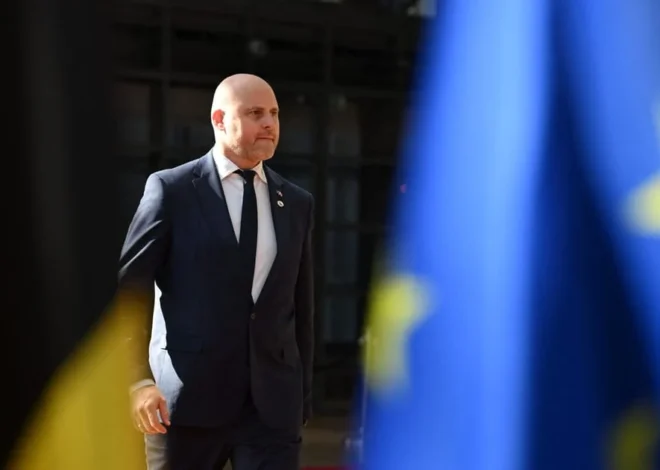
While the focus remains on humanitarian crises, regional stability is further threatened by logistical disputes. A recent delegation led by Hungarian Energy State Secretary Gábor Czepek arrived in Ukraine to investigate the sudden shutdown of the Druzhba pipeline, which remains a vital conduit for energy supplies in Central Europe. The Ukrainian government, currently embroiled in the existential struggle of the ongoing war, has reacted with skepticism toward the mission, with officials in Kyiv dismissively labeling the team as "tourists."

This diplomatic friction highlights the difficulty of maintaining functional energy relations during a period of high-intensity conflict, particularly when the parties involved hold radically different views on the legitimacy of the Russian invasion and the resulting sanctions.
Technological Oversight and Social Polarization
In a separate development, Spain has launched a new artificial intelligence tool designed to track and combat hate speech on social media platforms. Prime Minister Pedro Sánchez announced the initiative, noting that the goal is to hold platforms accountable for how their algorithms amplify polarizing and harmful content.
This move mirrors broader efforts within the European Union to regulate the digital space, ensuring that large technology companies take responsibility for the discourse hosted on their platforms. While seemingly unrelated to the conflict in Ukraine, the issue of disinformation and polarization is intrinsically linked to the broader information war that accompanies modern geopolitical struggles. By monitoring how hate speech is amplified, European nations hope to safeguard their internal stability against foreign interference and domestic radicalization.
Geopolitical Realignments: The Case of the West Bank
The shifting landscape of international politics is also evident in the rebuke issued by German opposition leader Friedrich Merz regarding the situation in the Middle East. Merz, traditionally a staunch ally of Israel, issued a rare warning against the potential annexation of parts of the West Bank. He described such a move as a "big mistake," reflecting a growing concern among Western leaders that current regional policies may be undermining the long-term prospects for a two-state solution.

This commentary, coming from a figure known for his conservative and pro-Israel stance, signals that the international consensus on territorial integrity and human rights is becoming increasingly rigid. As the global community navigates multiple crises—from the systematic removal of children in Ukraine to territorial disputes in the Middle East—the adherence to international legal norms remains the primary, albeit fragile, mechanism for maintaining global order.
Conclusion: The Long Road to Justice
As the UN report on Ukrainian children continues to circulate, the international community faces the difficult reality that documenting a crime is only the first step toward justice. The reunification of these children with their families will likely take years, if not decades, of sustained diplomatic pressure, legal maneuvering, and humanitarian cooperation.
The report serves as a stark reminder that in the 21st century, the most vulnerable citizens are often the primary targets of state aggression. Whether the international community possesses the political will to hold the perpetrators accountable—and to secure the return of those forcibly removed—will be the defining test of the international legal system for the foreseeable future. The evidence is now public, the classification is clear, and the moral imperative for action has never been more urgent.