The Enduring Emblem: The American Flag’s Enduring Symbolism 25 Years After 9/11
Twenty-five years ago, on September 11, 2001, the United States endured a coordinated terrorist attack that irrevocably altered its landscape and consciousness. The tragic events in New York City, Arlington, Virginia, and Shanksville, Pennsylvania, claimed nearly 3,000 lives and plunged the nation into a profound state of grief and shock. In the immediate aftermath, as the dust settled and the world grappled with the scale of the devastation, the American flag emerged as a ubiquitous and potent symbol of resilience, unity, and unwavering resolve. From front porches and rural barns to lapels and public squares, the Stars and Stripes flew everywhere, serving as both a declaration of individual allegiance and a collective statement of endurance in the face of unprecedented adversity.
This powerful reassertion of national identity is at the heart of the National September 11 Memorial & Museum’s upcoming 25th-anniversary programming. As the nation approaches its semiquincentennial, marking 250 years since its founding, the confluence of these two significant milestones provides a unique opportunity to reflect on the flag’s enduring power. Beth Hillman, President and CEO of the National September 11 Memorial & Museum, an Air Force veteran, historian, and a nationally recognized leader in education, service, and military justice, emphasizes this connection. Drawing from her seven years in the U.S. Air Force, where she served as a space operations officer at Cheyenne Mountain and later as a history instructor at the Air Force Academy, Hillman understands deeply the commitment to a purpose higher than oneself that military service demands. She witnessed firsthand the profound significance the American flag holds for those who swear an oath to defend it, a spirit of mission and unity that mirrored the nation’s response post-9/11.
The Cataclysm of September 11, 2001: A Nation Under Attack
On that fateful Tuesday morning, 19 al-Qaeda terrorists hijacked four commercial airliners, transforming them into weapons. At 8:46 a.m. Eastern Daylight Time, American Airlines Flight 11 crashed into the North Tower of the World Trade Center in New York City. Just 17 minutes later, at 9:03 a.m., United Airlines Flight 175 struck the South Tower. These attacks initiated a cascade of destruction, causing both iconic skyscrapers to collapse within hours, sending plumes of smoke and debris across lower Manhattan and claiming 2,753 lives, including hundreds of first responders.
Meanwhile, at 9:37 a.m., American Airlines Flight 77 crashed into the Pentagon in Arlington, Virginia, resulting in the deaths of 184 people. The fourth hijacked plane, United Airlines Flight 93, was delayed in its takeoff. Passengers and crew, having learned of the other attacks, bravely fought back against the hijackers, preventing the plane from reaching its intended target, believed to be the U.S. Capitol or the White House. At 10:03 a.m., Flight 93 crashed into a field in Stonycreek Township near Shanksville, Pennsylvania, killing all 40 people on board.
The immediate aftermath was characterized by global shock, widespread fear, and an outpouring of grief. Airspace across the United States was closed for days, a stark visual of the nation’s vulnerability. As recovery efforts began at Ground Zero, the Pentagon, and Shanksville, a unified national sentiment began to coalesce around symbols of American identity, none more prominent than the flag.
The American Flag: A Beacon of Unity and Resolve
In the days and weeks following 9/11, the American flag became a ubiquitous emblem of national solidarity. Its presence was a powerful counter-narrative to the destruction and despair, a visible declaration that the nation would not be broken. This phenomenon was not unprecedented in American history; the flag has historically served as a rallying point during times of crisis. During the Civil War, it represented the struggle to preserve the Union. In World War II, it symbolized the fight against fascism and tyranny, famously depicted in photographs like "Raising the Flag on Iwo Jima." Post-9/11, the flag once again embodied collective determination, honor for the fallen, and unwavering support for those who answered the call to defend the nation.
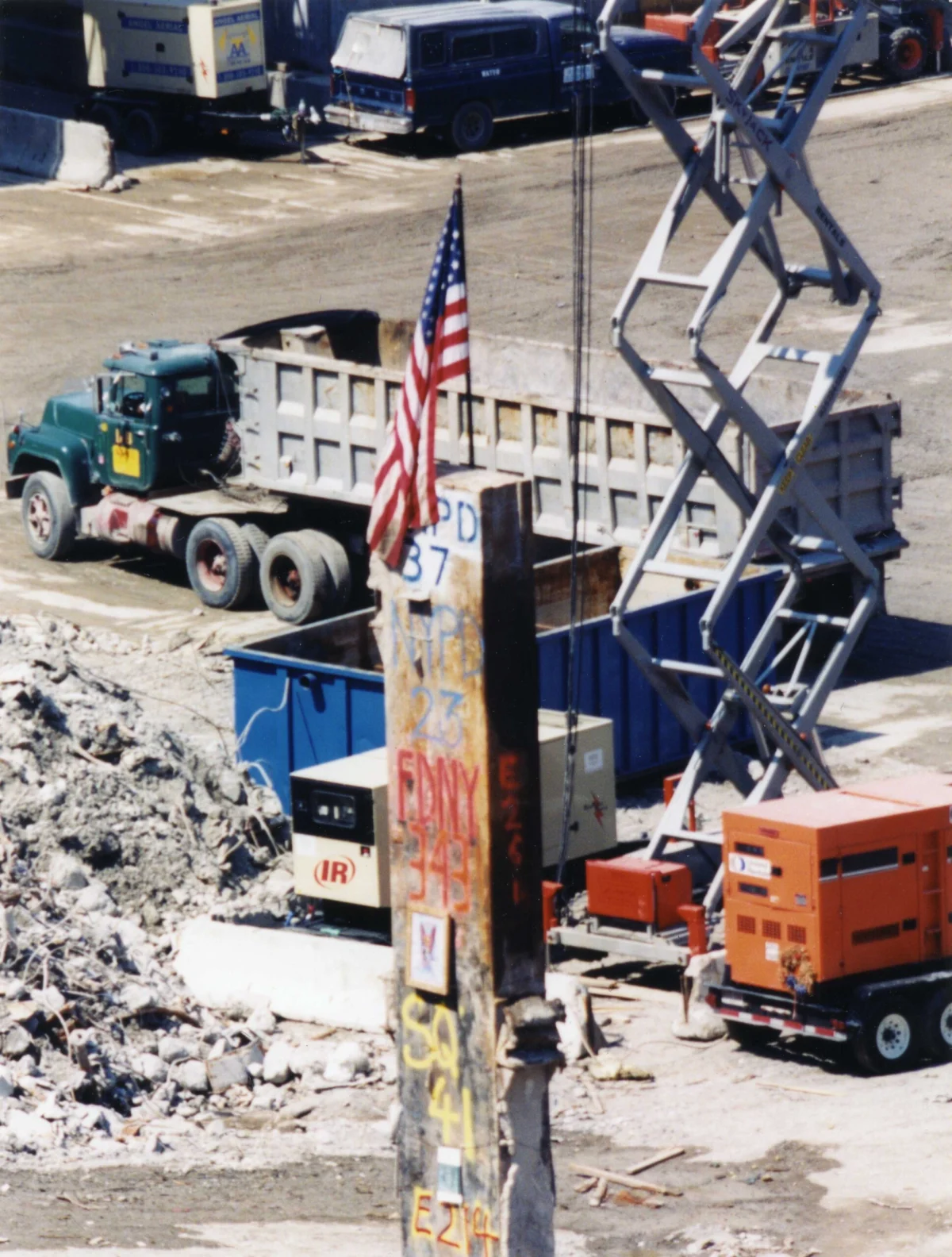
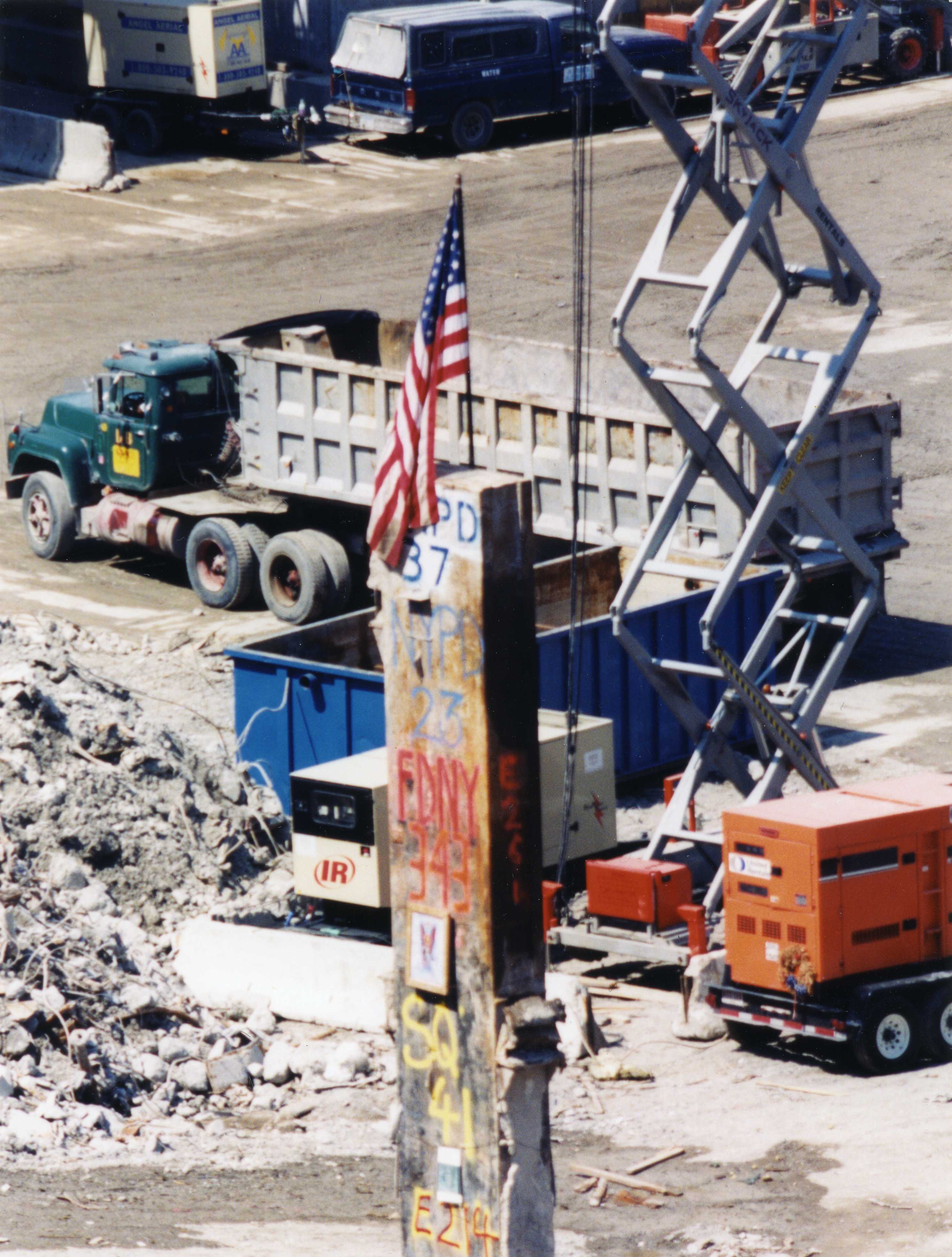
Beth Hillman highlights that the flag "represents something larger than any one individual. It evokes a shared mission, a shared identity, and a shared responsibility to preserve freedom." This sentiment was palpable across the country, as communities organized vigils, memorial services, and spontaneous displays of patriotism. The Stars and Stripes flew high over neighborhoods, schools, and workplaces, signaling a collective resolve to stand strong and endure. The image of the flag, often tattered but still flying, amidst the rubble of Ground Zero, became an iconic representation of hope and perseverance, inspiring a patriotic ethos that swept the nation. The Flag flown on the last column during recovery efforts at Ground Zero, captured in a poignant photograph, stands as a testament to this enduring spirit.
The 9/11 Memorial & Museum’s Mission of Remembrance
Established at the World Trade Center site, the National September 11 Memorial & Museum is dedicated to commemorating the lives of those killed in the 2001 and 1993 terrorist attacks, preserving the history of these events, and educating future generations about their significance. Since its opening, the museum has welcomed over 27 million visitors, many of whom come to understand a history they did not personally experience.
The institution plays a vital role in ensuring that the lessons of 9/11 – the courage, compassion, and unity that emerged from tragedy – are never forgotten. Its exhibits detail the attacks, the immediate aftermath, the global response, and the stories of the victims and survivors. The museum serves as a tangible link to the past, allowing visitors to connect with the human scale of the tragedy and the resilience of the human spirit. Hillman emphasizes that "remembrance matters," not only to honor the victims but also to reclaim the solidarity felt by Americans on September 12, 2001, and in the weeks that followed. This includes remembering the firefighters, police officers, and other first responders who ran toward danger, sacrificing their own lives to save others, and the tens of thousands who answered the call to defend the nation.
"Our Flag Was Still There": A New Exhibition for a Pivotal Year
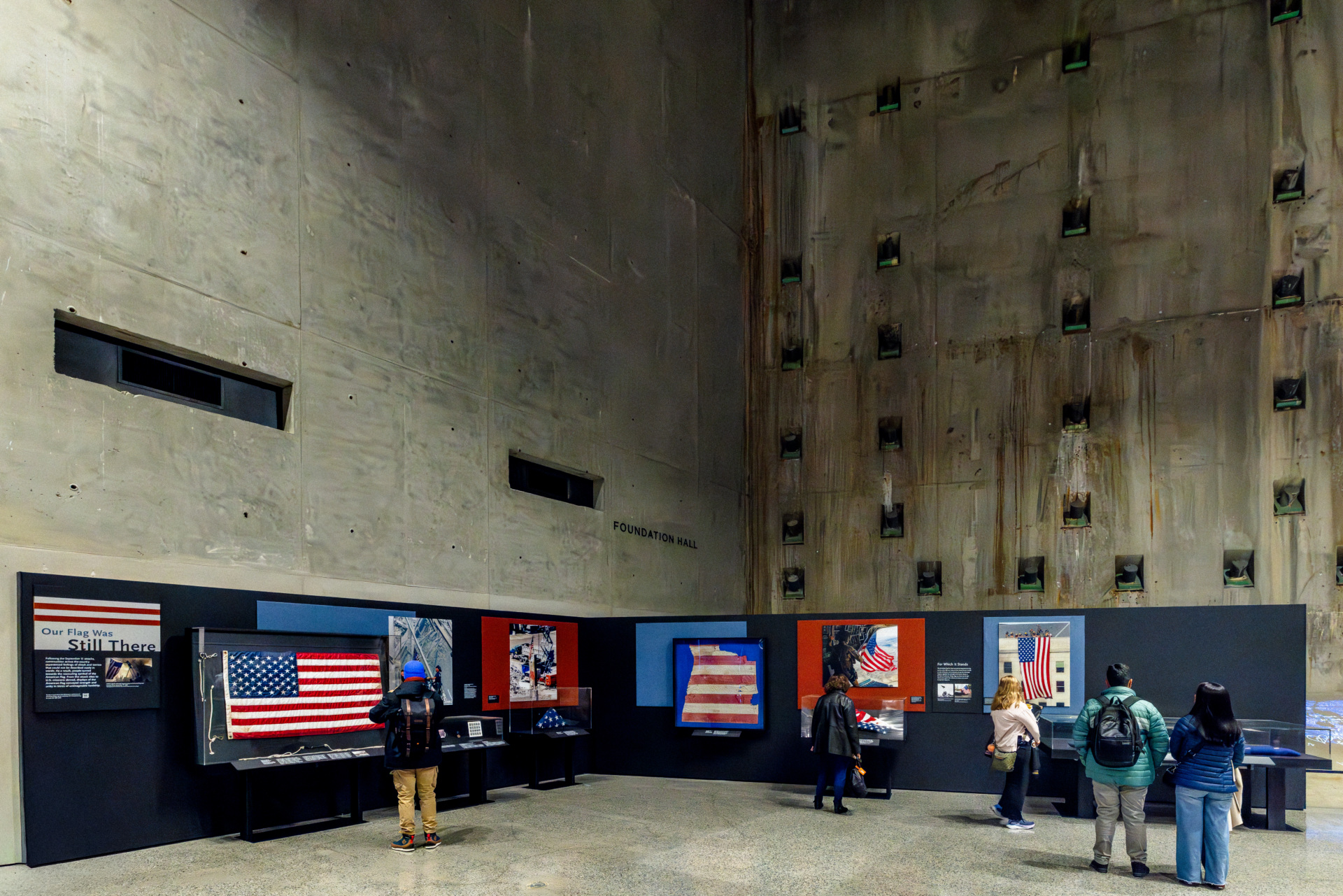
In anticipation of the 25th anniversary of 9/11 and coinciding with America’s semiquincentennial, the 9/11 Memorial & Museum is launching a special installation entitled "Our Flag Was Still There." Opening to the public on March 18, 2026, the exhibition will feature historic flags that marked key moments over the past quarter century, each telling a unique story of American strength and resolve.
Among the featured artifacts are flags flown in the immediate aftermath of the attacks on the Twin Towers and the Pentagon, symbols of a nation in mourning yet determined to recover. Crucially, the installation includes flags displayed at Ground Zero throughout the harrowing rescue and recovery process, embodying the tireless efforts of thousands of responders and volunteers. Perhaps one of the most significant pieces is the flag carried on Operation Neptune’s Spear, the mission that resulted in the killing of Osama bin Laden on May 2, 2011. This flag represents the long pursuit of justice and the unwavering commitment to holding those responsible for the 9/11 attacks accountable. The installation itself, depicted in images from the 9/11 Memorial & Museum, aims to provide a powerful visual narrative of these pivotal moments.
During each of these critical junctures—from the initial shock and recovery to the eventual delivery of justice—the American flag stood as a steadfast symbol of strength and resilience, mirroring its role throughout the nation’s now 250-year history. This exhibit underscores the continuous narrative of the flag as an anchor of national identity and purpose.
Bridging the Generational Divide: The Post-9/11 Cohort
As the nation approaches these significant anniversaries, a critical demographic reality comes into sharp focus: approximately one-third of the current U.S. population was born after September 11, 2001. This stunning statistic means that nearly 100 million Americans encounter the tragic events of that day not as a lived experience, but as a matter of historical record. They did not witness firsthand the searing images of destruction in lower Manhattan, the devastation at the Pentagon, or the heroism on a field near Shanksville, Pennsylvania. They did not feel the stunned quiet of a nation in mourning, nor did they personally witness the outpouring of courage, unity, and resolve that defined the American response. They did not bear witness to the American flag proudly waving amidst the ruins of Ground Zero, or the patriotic memorials that spontaneously arose across the country.
This generational gap highlights the urgent and ongoing importance of remembrance. For this growing segment of the population, understanding 9/11 requires more than just reading textbooks; it demands engaging with primary sources, personal narratives, and powerful artifacts. Institutions like the 9/11 Memorial & Museum become essential conduits for transmitting this history, transforming abstract facts into tangible experiences that resonate with a generation removed by time. The directive to "Never Forget" evolves from a personal imperative for those who lived through it to an educational mission for those who did not. It is about remembering the victims, reclaiming the spirit of solidarity, and understanding the profound impact the attacks had on national policy, security, and identity.
The Enduring Legacy and Ongoing Challenges
Beyond the immediate grief and the subsequent pursuit of justice, the legacy of 9/11 continues to unfold, presenting ongoing challenges and demands for remembrance. The toxic aftermath of the attacks, particularly at Ground Zero, exposed thousands of first responders, recovery workers, and downtown residents to hazardous materials. Today, an increasing number of these brave individuals are grappling with debilitating and often fatal 9/11-related illnesses, including various cancers, respiratory diseases, and mental health conditions. Their ongoing suffering represents a continuing sacrifice and a stark reminder of the long-term consequences of that day. Legislation like the James Zadroga 9/11 Health and Compensation Act has been crucial in providing medical care and financial support, but the fight for their well-being continues.
The act of remembrance also encompasses honoring the collective efforts of volunteers and organizations. The image of volunteers and members of Team Red, White & Blue placing American flags on every name appearing on the memorial pools’ parapets in honor of Independence Day in New York on Tuesday, July 4, 2017, exemplifies the continuous commitment to honoring those lost and the ideals they represent. This illustrates how the spirit of 9/11 remembrance intertwines with broader patriotic observances, reinforcing the flag’s role as a unifying symbol.
This year, as America commemorates its 250th anniversary and reflects on the 25th anniversary of a day that forever changed its trajectory, the opportunity to rediscover the profound power of the American flag is paramount. It stands not merely as a piece of cloth, but as a symbolic anchor of a shared commitment to freedom, democracy, and justice. It has sustained the nation through its greatest challenges, from its very founding to its darkest days, and holds the potential to inspire generations to come. By engaging with its history and understanding its evolving symbolism, Americans can continue to foster a sense of shared responsibility and civic duty, ensuring that the lessons of 9/11 and the enduring spirit of resilience it ignited continue to guide the nation forward.

Related Posts

Democratic Candidates Must Moderate to Win General Elections, Says Rep. Greg Stanton
Lisa Demuth Secures Republican Gubernatorial Nomination in Minnesota, Defeating Trump-Endorsed Mike Lindell