The Enduring Echo of a Lost Brother: Gustavo Noriega Reflects on Intellectual and Emotional Guidance
The profound absence left by the passing of Ricardo Noriega, a distinguished Doctor of Mathematics and esteemed professor at the University of Buenos Aires (UBA), has left an indelible mark on the life of his brother, Gustavo. More than three decades have elapsed since that somber winter of 1992, yet the journalist continues to hold dear the memory of Ricardo, who was not merely a sibling but also his intellectual compass and steadfast emotional anchor. "It was a death so unexpected, so unjust, so brutal. He was in an apartment in Once, and two months later, he was gone," Noriega recounted, his voice reflecting the shock and sorrow that accompanied the swift and relentless progression of his brother’s lung cancer, which claimed his life at the young age of 47.
For Gustavo, Ricardo embodied a protective authority figure, even though he candidly admits that, with the passage of time and a broader perspective, he now perceives his brother as "a young man." During a recent podcast interview, Gustavo underscored the pivotal role Ricardo played as a mentor, particularly in teaching him to read when he was merely five years old. "He opened up the world of books to me; it’s something that still evokes deep emotion in me," he confessed, recalling vividly the formative moments, such as learning with the classic children’s book "Upa." This early exposure to literature, orchestrated by his elder brother, laid the groundwork for a lifelong appreciation for knowledge and the power of the written word, a legacy that continues to resonate.
When asked about how he navigated the void left by someone who served as the "binding factor" within their family, Noriega explained that his process of grief never truly concluded in conventional terms. Instead, his connection to Ricardo’s memory has remained vibrantly alive through the enduring legacy of his cultural inheritance. A serendipitous discovery online, where an unknown individual mentioned possessing books bearing his brother’s signature, ultimately provided Gustavo with a profound sense of symbolic closure. "That library was an extension of mine; it was a very emotional moment to know that those books were still circulating," he stated. This unexpected encounter underscored the tangible continuation of Ricardo’s intellectual presence and his impact on the world, offering solace and a sense of continuity.
The interview further delves into how Ricardo’s presence has, in a remarkable and almost astonishing manner, been transmuted into the dynamic of the journalist’s own relationship with his sons. Observing the interactions between Francisco and Elías, Noriega finds a deep wellspring of comfort. "I see Elías looking at Francisco the way I used to look at Ricardo; it’s a refuge and a mirror of what I had," he affirmed, visibly moved by the parallel. According to Noriega, this contemporary fraternal bond serves as a constant, living homage to his brother’s enduring influence, a testament to the cyclical nature of familial love and mentorship across generations. This observation highlights how deeply ingrained familial patterns and archetypes can manifest, offering comfort and a sense of connection to those who have passed.
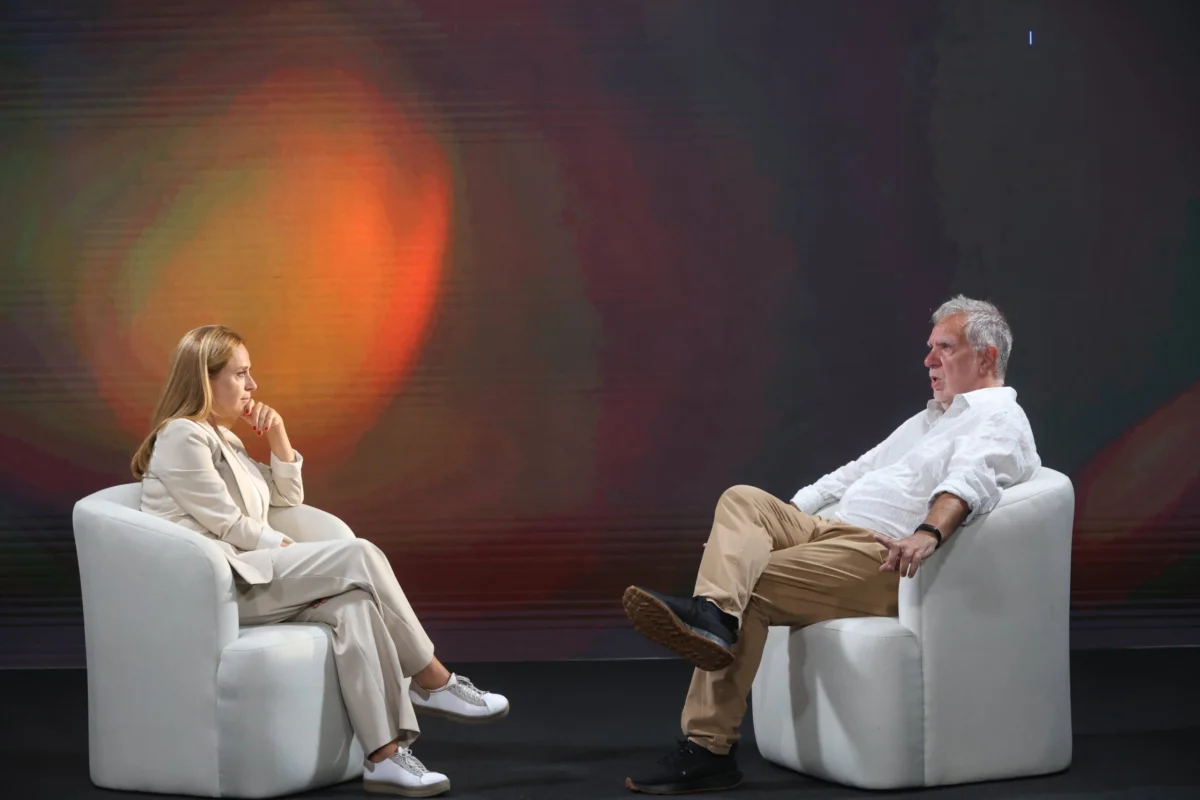
Ultimately, when contemplating whether there exists a definitive way to conclude the grieving process, the journalist reflected on the unique nature of his experience. "There isn’t a process of conclusion; rather, presence transforms into something else; the dialogue continues," he concluded. He reaffirmed that, through the shared passion for reading, the universal language of football, and cherished memories, Ricardo continues to occupy a central and vital space in his life. This narrative powerfully illustrates that, far beyond physical departure, the influence of loved ones endures, manifesting in everyday gestures, lifelong passions, and the enduring bonds we forge in the present. The interview, part of the podcast "Duelos" by Astrid Pikielny for LA NACION, offers a poignant exploration of how loss can shape identity and foster a continuing connection with those who are no longer physically present.
The Unforeseen Departure of a Guiding Light
The abrupt passing of Ricardo Noriega in 1992 sent seismic shockwaves through his family, particularly impacting his younger brother, Gustavo. Ricardo, a brilliant mathematician and a respected academic at the University of Buenos Aires, was more than just a sibling; he was a formative influence who shaped Gustavo’s intellectual and emotional landscape. The speed with which Ricardo succumbed to lung cancer, a disease that offered little warning and even less respite, left an unfillable void. "It was a death so unexpected, so unjust, so brutal. He was in an apartment in Once, and two months later, he was gone," Gustavo recounted, the words still carrying the weight of decades of unprocessed grief. This swiftness of the illness, coupled with the shock of losing such a vibrant mind and loving presence, meant that the traditional stages of mourning were not easily traversed.
A Foundation Built on Books and Brotherly Love
From Gustavo’s earliest memories, Ricardo was a figure of unwavering support and intellectual curiosity. Despite the age difference, which might have suggested a more distant relationship, Ricardo actively nurtured Gustavo’s development. The most significant of these early interventions was Ricardo’s tutelage in reading. At just five years old, Gustavo was introduced to the world of letters by his older brother, an experience that continues to evoke profound emotional responses. The act of learning to read, facilitated by Ricardo using the familiar children’s book "Upa," became a foundational memory, symbolizing the opening of new horizons and the vast potential of knowledge. This early mentorship established a precedent for Ricardo’s role as a protector and guide, a role that Gustavo deeply valued throughout his formative years.
Navigating Grief Through Cultural Resonance
The loss of Ricardo, who acted as a central unifying force within the Noriega family, presented a unique challenge for Gustavo’s grieving process. He describes his mourning as a journey that never fully reached a conventional endpoint. Instead of a definitive closure, Gustavo found solace and continuity by embracing the cultural legacy Ricardo left behind. A pivotal moment in this ongoing process was an unexpected online discovery. He learned of an individual who possessed a collection of books bearing Ricardo’s personal signature. For Gustavo, this was not merely the acquisition of old books; it represented a profound symbolic resolution. The library, he noted, was an extension of his own intellectual world, and the knowledge that these books, imbued with his brother’s presence and intellect, were still being read and appreciated brought immense emotional relief. This experience underscored the enduring power of intellectual inheritance and the ways in which the passions of one can continue to inspire and connect others.
The Echo of Brotherhood Across Generations
A particularly moving aspect of Gustavo’s reflection concerns the remarkable parallels he observes between his own past relationship with Ricardo and the present dynamic between his sons, Francisco and Elías. He perceives Elías’s admiration and reliance on Francisco as a mirror of his own childhood dependence on Ricardo. This fraternal connection serves as a powerful source of comfort and a tangible reminder of the profound bond he once shared with his brother. "I see Elías looking at Francisco the way I used to look at Ricardo; it’s a refuge and a mirror of what I had," he shared, his voice resonating with deep emotion. This observation suggests that the fundamental patterns of familial support and mentorship can indeed transcend generations, offering a continuous thread of connection and love. This familial echo acts as a living tribute to Ricardo’s enduring influence, demonstrating how the love and guidance of one generation can shape the relationships and emotional well-being of the next.
The Transformative Nature of Enduring Connection
When asked about the possibility of fully resolving grief, Gustavo offers a nuanced perspective that moves beyond the traditional notion of an ending. He posits that the process is not about finality but about transformation. The "presence" of his lost brother, he explains, evolves into something new, and the "dialogue" continues, albeit in a different form. This enduring connection is sustained through various avenues: a shared love for reading, an appreciation for the sport of football, and the constant invocation of shared memories. Ricardo, though physically absent, remains a central figure in Gustavo’s life, his influence woven into the fabric of his present experiences and relationships. This perspective highlights a broader truth: that the impact of those we love does not diminish with their passing. Instead, their influence can manifest in myriad ways, shaping our perspectives, fueling our passions, and reinforcing the bonds that define our lives. The narrative serves as a testament to the enduring power of love and memory, illustrating how the essence of a person can continue to resonate and inspire long after they are gone.
The Podcast "Duelos" and the Universality of Grief
The interview with Gustavo Noriega is part of "Duelos," a podcast hosted by Astrid Pikielny for LA NACION. This series explores the multifaceted nature of grief and loss, offering platforms for individuals to share their personal journeys, insights, and reflections. The podcast is available on major platforms like Spotify and YouTube, alongside other offerings from LA NACION’s extensive podcast library. The invitation for listeners to share their own experiences underscores the universality of grief and the profound need for shared narratives in processing loss. By creating a space for such dialogue, "Duelos" aims to foster understanding, provide comfort, and illuminate the diverse ways in which individuals navigate the profound and often challenging landscape of bereavement. The platform encourages a collective exploration of how loss shapes us, how we find strength in remembrance, and how the enduring echoes of those we have loved continue to guide us through life.

Related Posts

The Electric Vehicle Battery Health Debate Emerges as Argentina’s EV Market Accelerates

President Donald Trump Confirms Secret Departure from Turkey Amidst Assassination Threat