The Digital Iron Curtain: Iran Under Total Internet Blackout Amidst Escalating Conflict and Political Upheaval
For more than six days, nearly 90 million Iranians have been living under a total internet blackout, a state of digital isolation that has redefined the landscape of information warfare in the Middle East. This unprecedented disconnection, which began in the immediate aftermath of the February 28 strikes that claimed the life of Supreme Leader Ali Khamenei, represents a shift from the regime’s historical use of "throttling" to a complete severing of global digital ties. As the conflict between Iran and the United States and Israel intensifies, the blackout has become both a defensive mechanism for the state and a critical front in the ongoing war.
A Chronology of Escalation and Digital Suppression
The current blackout is the most severe in a series of restrictive measures imposed by the Iranian authorities over the past decade. The timeline of recent digital suppression reflects a clear pattern of state control:
- January 2026: Following a series of anti-government protests, the Iranian regime implemented a widespread internet shutdown, followed by weeks of severely limited connectivity. This period served as a testing ground for the regime’s ability to throttle traffic while maintaining its internal networks.
- February 28, 2026: A coordinated missile strike by US and Israeli forces hit Iranian targets, resulting in the death of Supreme Leader Ali Khamenei. Almost immediately, the Iranian government triggered a "kill switch," plunging the country into total internet darkness.
- March 2026: The blackout entered its second week. Despite localized, intermittent signals, traffic leaving the country has dropped by approximately 99 percent, according to data from the internet monitoring firm Kentik.
This sequence of events underscores the regime’s transition from reactive censorship to proactive, wartime information management. By effectively silencing the populace during a period of leadership transition and kinetic military strikes, the Iranian state has sought to prevent the dissemination of both military intelligence and domestic dissent.
The National Information Network: A Two-Tiered Reality
The Iranian government’s ability to maintain domestic stability during a global blackout relies on the National Information Network (NIN). The NIN is an internal, state-managed intranet that hosts a suite of government-approved applications, news portals, and banking services. While the global internet is inaccessible to the average citizen, the NIN remains functional, allowing the regime to maintain a semblance of "daily life" and economic continuity.
However, experts from organizations like Filterwatch have highlighted that this design creates a tiered system of access. While the general population is restricted to the sanitized, monitored environment of the NIN, high-ranking government officials, military leaders, and wealthy elites retain access to the global internet via whitelisted connections. This digital stratification ensures that the regime’s propaganda machinery remains operational even while the populace is cut off from external verification.
Propaganda and the Weaponization of Telegram
While independent news sources have been stifled, state-aligned communication channels have thrived. An analysis conducted by the Iranian fact-checking organization Factnameh examined 50,000 Telegram posts from 50 prominent channels during the first 72 hours of the conflict. The findings were stark: these channels saw no interruption in activity. In fact, their output increased.
Fereidoon Bashar, executive director of ASL19, notes that the regime has pivoted from merely censoring information to actively participating in and shaping the narrative within digital spaces. The Telegram channels analyzed—many of which have direct ties to the Islamic Revolutionary Guard Corps—reportedly exaggerated the success of Iranian retaliatory strikes while simultaneously maintaining a strict silence regarding the death of Ali Khamenei until it was officially acknowledged by the state. This demonstrates a sophisticated strategy to control the psychological landscape of the war, using internal platforms to bolster state morale and suppress panic.
The Technical Toll of Kinetic Warfare
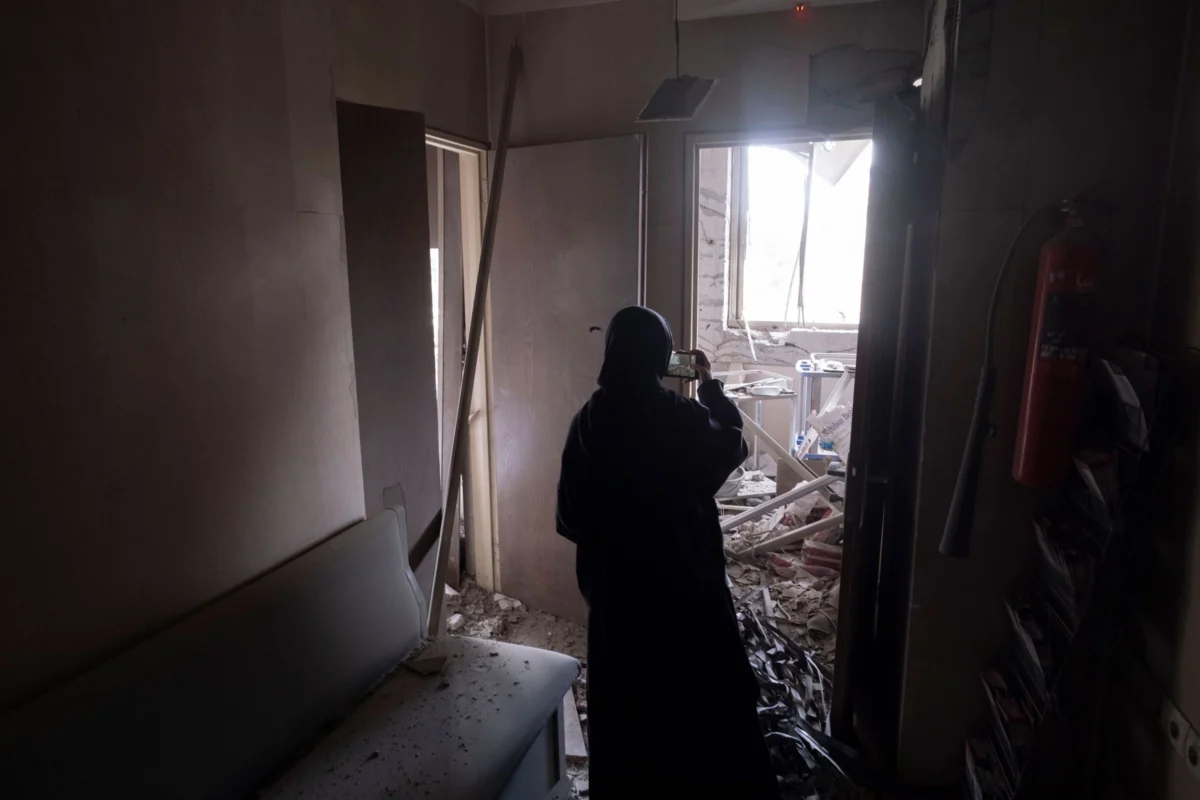
The blackout is not solely the result of government policy; it is increasingly exacerbated by physical infrastructure damage. Monitoring projects, including Georgia Tech’s IODA, have detected significant damage to power and internet infrastructure resulting from airstrikes. Doug Madory, director of internet analysis at Kentik, points out that the current shutdown creates a "masking effect," making it nearly impossible for external observers to distinguish between intentional government shutdowns and localized outages caused by destruction of fiber-optic cables and server farms.
This convergence of technical suppression and kinetic destruction creates a grim outlook for connectivity. Even if the government were to lift the digital blockade, the underlying infrastructure may be too damaged to provide reliable service. This reality leaves millions of Iranians in a state of indefinite digital isolation, unable to contact family members abroad, access medical information, or document the humanitarian conditions of the ongoing conflict.
The Battle for Circumvention: The Role of Conduit
Despite the severity of the blackout, civil society groups and international partners have attempted to provide a digital lifeline. A key tool in this effort has been the peer-to-peer platform Conduit, developed by the software company Psiphon. Conduit operates by routing encrypted traffic through a decentralized network of volunteer devices globally, allowing users to bypass state-imposed firewalls.
The history of Conduit is a reflection of the volatility of international support for digital rights. After being impacted by US funding cuts in May 2025, the project faced a period of uncertainty. However, lobbying efforts by figures such as Senators Lindsey Graham and James Lankford eventually secured necessary funding from the US State Department in early 2026.
The impact of such tools has been significant. Psiphon reported that in January, their network facilitated over 21 million unique connections from within Iran. Even under the current, near-total shutdown, Ali Tehrani, Psiphon’s director of DC operations, notes that the platform is still seeing between 60,000 and 100,000 daily users. "It is at 1 percent connectivity, but it is never zero," Tehrani stated. This resilience highlights the ingenuity of the Iranian public, who continue to seek access to the global internet as a fundamental necessity for human rights and information freedom.
Strategic Implications and Future Outlook
The implications of Iran’s digital lockdown extend far beyond the immediate conflict. By successfully implementing a total internet shutdown during a period of national crisis, the Iranian regime has provided a blueprint for other authoritarian states seeking to solidify their control over information.
The shift toward a "splinternet"—where national borders determine the scope of digital access—is being realized in real-time. As the regime continues to threaten legal action against those who use VPNs or other circumvention tools to access the global internet, the risk for ordinary citizens increases significantly. The government’s move to promote domestic alternatives to global search engines and messaging apps suggests a long-term goal of total digital autarky.
Furthermore, the international community faces a complex challenge. While the US and its allies have provided support for circumvention technology, the physical destruction of infrastructure and the regime’s increasingly aggressive surveillance of the NIN create a hostile environment that technology alone cannot overcome.
As the war progresses, the future of Iran’s connectivity remains uncertain. Whether the regime’s digital iron curtain will remain a permanent fixture of Iranian governance or crumble under the pressure of infrastructure failure and public demand for information remains the central question. For now, the silent screens of 90 million people serve as the most visible evidence of a society held in a state of suspended animation, waiting for a connection that remains increasingly out of reach. The ongoing conflict has not only challenged the borders of the Iranian state but has fundamentally altered the digital rights of its citizens, likely for years to come.

Related Posts

The Las Vegas Cybersecurity Summit and the Escalating Threat of Autonomous Digital Exploitation

New York City Council members and privacy advocates launch legislative campaign to ban biometric facial recognition at public entertainment venues