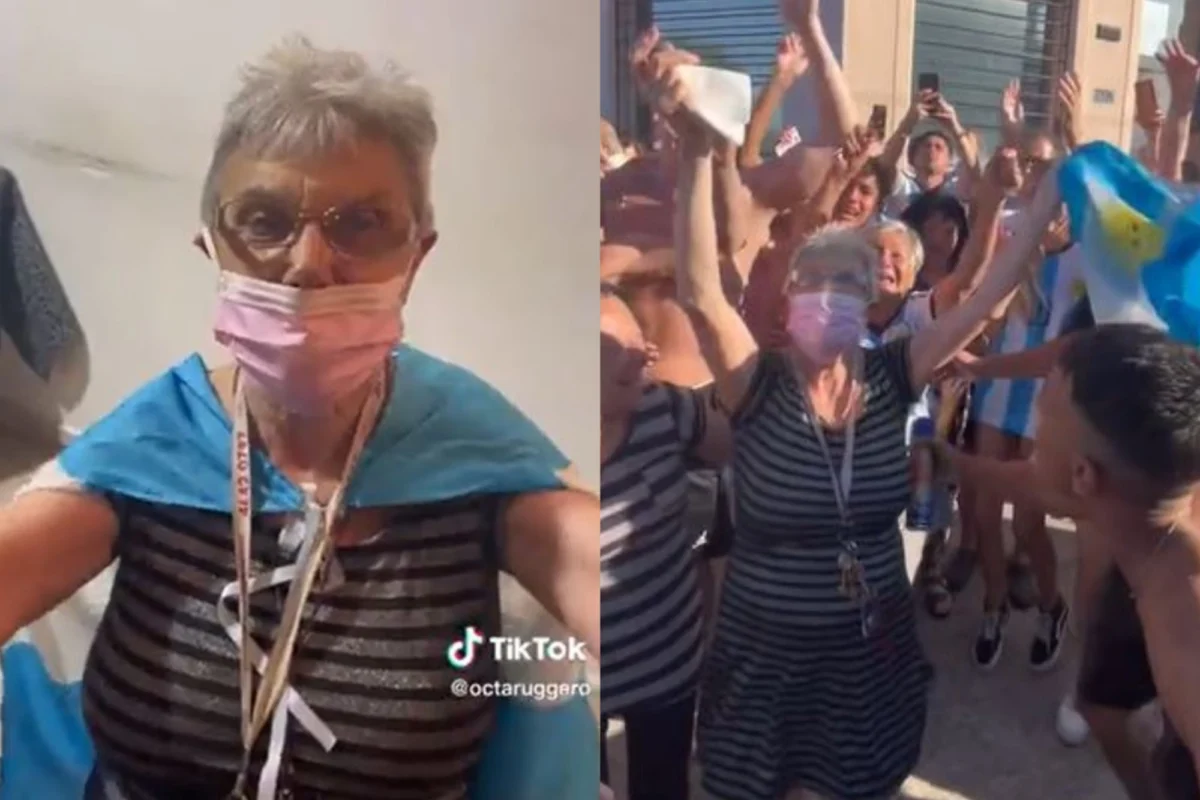
The "Abuela Lalala," a Beloved Argentine Football Fan, Passes Away Months Before Next World Cup
Cristina Mariscotti, affectionately known worldwide as the "Abuela Lalala" (Grandma Lalala), has passed away at the age of 79. Her vibrant spirit and unwavering passion for the Argentine national football team captured the hearts of millions during the 2022 FIFA World Cup in Qatar. Mariscotti, who resided in the Liniers neighborhood of Buenos Aires, became a symbol of national pride and joy, her infectious enthusiasm resonating far beyond her local community. Her passing, occurring just months before the next global football spectacle, has cast a somber shadow over football fans and residents of her beloved barrio.
A Symbol of Unbridled Joy and National Unity
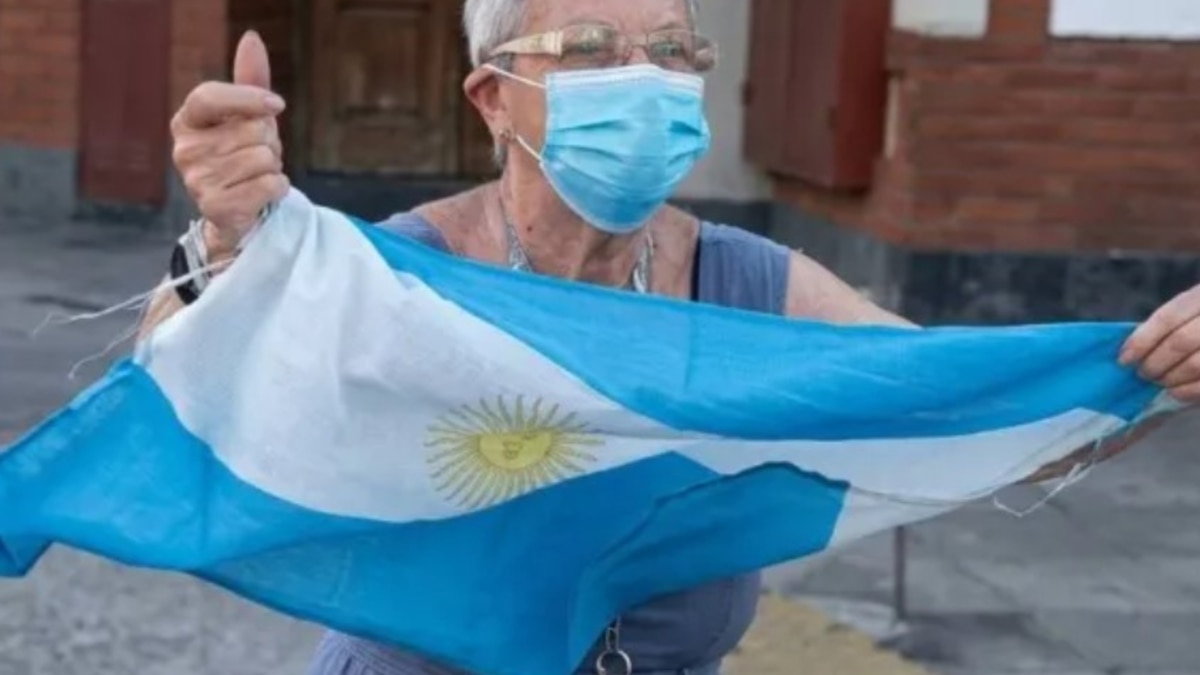
Cristina Mariscotti’s rise to prominence was a serendipitous byproduct of Argentina’s triumphant journey in the 2022 World Cup. Her familiar presence at the intersection of Caaguazú and Andalgalá in Liniers, where she would emerge with the Argentine flag after each match, became a beacon for fellow supporters. It was here, amidst the jubilant celebrations, that a group of local fans, affectionately calling themselves "Los pibes de Luro" (The Luro boys), first noticed her fervent devotion.
Inspired by her consistent displays of passion, these fans, with the help of social media platforms, crafted an anthem. The song, set to the tune of the Pet Shop Boys’ iconic hit "Go West," was a simple yet powerful tribute to Mariscotti, christening her the "Abuela Lalala." This catchy tune quickly transcended its origins, becoming an unofficial anthem for the Argentine national team, "La Scaloneta," throughout the tournament. The song served not only to celebrate individual victories but also to unite a nation behind its team, with Mariscotti at its very heart.
The Genesis of a Viral Phenomenon
The story of Cristina Mariscotti’s viral fame began to unfold in earnest during the group stages of the Qatar World Cup. As Argentina secured a crucial 2-0 victory against Poland, a result that confirmed their progression to the knockout stages, Mariscotti, as was her custom, took to the streets to celebrate. It was during this particular post-match revelry that she encountered "Los pibes de Luro." They immediately recognized her as the spirited woman who embodied the collective joy of the nation.
The spontaneous encounter led to the first public rendition of the "Abuela Lalala" song, aimed directly at her. Mariscotti, initially surprised but clearly delighted, embraced the attention, her infectious laughter and animated gestures further fueling the viral spread. Videos of her dancing, singing, and celebrating with neighbors and the impromptu choir quickly flooded social media, captivating audiences both domestically and internationally. Her genuine, uninhibited happiness became a powerful symbol of Argentina’s collective aspiration to win the World Cup, a dream that had eluded them for 36 years.
A Life Dedicated to Passion and Community
While her World Cup persona brought her widespread recognition, Cristina Mariscotti was, at her core, a woman deeply connected to her community and her passions. Contrary to the moniker bestowed upon her, Mariscotti was not a biological grandmother. In an interview with La Nación, she clarified, "They sang ‘abuela lalalalala’ to me, but I am an aunt. God decides who becomes a mother, and it wasn’t my turn, but I’m fine with that." This humble revelation only endeared her further to the public, highlighting her down-to-earth nature.
She was the youngest of three sisters, María Isabel and Cecilia, and was a beloved aunt to four nephews and nieces: Magalí, Milagro, Diego, and Nazaré. Her local popularity in Liniers had been growing for some time, but the World Cup amplified it exponentially. By the end of 2022, her home at Caaguazú and Andalgalá became a de facto gathering spot for football enthusiasts and curious onlookers. The intersection became so synonymous with her presence that her address was even highlighted on Google Maps, a testament to her newfound status as a local celebrity.
Beyond her love for football, Mariscotti was a devout Catholic and a dedicated fan of Boca Juniors, one of Argentina’s most popular football clubs. She regularly attended mass at her parish of San Enrique every weekend, a routine that underscored her spiritual grounding and commitment to her faith. This blend of fervent devotion – to her country, her team, and her faith – created a multifaceted personality that resonated deeply with many.
The Unfolding Tragedy and Community Grief
According to local outlet Liniers Cosas de Barrio, Mariscotti’s health began to significantly deteriorate in early 2024. She experienced cardiac insufficiency and was admitted to the Hospital Santojanni, where she sadly passed away. Initially, her family chose to maintain a degree of privacy regarding her condition and passing. However, as the news slowly disseminated among her closest neighbors, a wave of profound sadness and consternation swept through the Liniers community.

The loss of the "Abuela Lalala" so close to the next FIFA World Cup, scheduled to commence in June 2026, has been particularly poignant. Many fans expressed their sorrow on social media, sharing memories of her vibrant celebrations and the joy she brought during a period of intense national optimism. Tributes poured in from across Argentina, with users reminiscing about the "days of glory" during the 2022 tournament and expressing their gratitude for the spirit she embodied.
The Global Impact of "Abuela Lalala"
The phenomenon of "Abuela Lalala" extended far beyond the streets of Liniers. The song itself, a simple yet catchy melody, became a global earworm, played in bars, homes, and public spaces as Argentina progressed through the World Cup. Its widespread adoption demonstrated the power of grassroots fan culture and the ability of social media to amplify individual stories into collective movements.
The song’s journey from a local tribute to an international hit is a compelling case study in modern viral culture. It highlighted how ordinary individuals, through their genuine passion and relatable actions, can capture the global imagination. Mariscotti’s story transcended mere football fandom; it became a narrative of joy, community, and the unifying power of sport. Her image, often captured with a beaming smile and the Argentine flag held high, became an enduring icon of that triumphant World Cup campaign.
A Legacy of Enthusiasm and Unity
Cristina Mariscotti’s legacy is one of pure, unadulterated enthusiasm. She reminded everyone that at the heart of any major sporting event lies the raw emotion and collective spirit of its fans. In a world often preoccupied with complex geopolitical and economic issues, her simple act of celebrating her nation’s football team offered a powerful antidote – a reminder of the joy that shared passion can bring.
Her passing serves as a poignant reminder of the ephemeral nature of life and the lasting impact individuals can have on their communities and beyond. As the football world prepares for another World Cup, the memory of the "Abuela Lalala" will undoubtedly linger, a bittersweet reminder of a woman who, with her infectious spirit, helped paint a nation’s dreams in the vibrant colors of celebration. Her story, though now concluded, will continue to inspire a sense of unity and joyful exuberance, particularly whenever the Argentine flag is raised and the roar of the crowd echoes. The intersection of Caaguazú and Andalgalá may feel a little quieter, but the echoes of her "lalala" will undoubtedly resonate for years to come.

Related Posts

The Electric Vehicle Battery Health Debate Emerges as Argentina’s EV Market Accelerates

President Donald Trump Confirms Secret Departure from Turkey Amidst Assassination Threat