Russian Supreme Court Designates Nobel Laureate Memorial as Extremist Organization Escalating Crackdown on Human Rights and Civil Society
In a landmark decision that signifies a definitive shift in the Kremlin’s tolerance for independent oversight, the Russian Supreme Court on April 9, 2026, officially designated the International Public Movement Memorial as an "extremist" organization. This sweeping designation effectively criminalizes the activities of one of the world’s most respected human rights groups, placing its members and supporters at risk of lengthy prison sentences and total asset seizure. The ruling follows a protracted campaign by the Russian Ministry of Justice and the Prosecutor General’s office to dismantle the infrastructure of civil society that has existed since the final years of the Soviet Union. By categorizing Memorial—a 2022 Nobel Peace Prize laureate—alongside violent terrorist groups and radical insurgents, the Russian state has sent a clear signal that the documentation of historical truth and the defense of contemporary political prisoners are now considered existential threats to the foundations of the Russian state.
The court’s decision was the culmination of a legal process that human rights observers have characterized as a "sham." Initiated by the Justice Ministry on March 27, 2026, the proceedings concluded in a single hearing held behind closed doors. The case file was classified as "top secret," preventing the public and the media from scrutinizing the evidence presented by the state. Crucially, the Supreme Court denied Memorial’s legal counsel the opportunity to participate in the proceedings, rendering the organization unable to mount a defense. In a press release issued shortly after the verdict, the Supreme Court justified the move by labeling Memorial’s activities as "vocally anti-Russian," alleging that the group’s work was aimed at "destroying the foundations of Russian statehood, undermining territorial integrity, and eroding historical, cultural, spiritual, and moral values."
A Legacy of Truth and the Nobel Peace Prize
To understand the weight of this designation, one must look at the historical significance of Memorial. Founded in the late 1980s under the leadership of Nobel Peace Prize laureate Andrei Sakharov, Memorial was established during the Glasnost era to document the mass repressions of the Stalinist period. Its primary mission was to ensure that the victims of the Gulag were never forgotten and to prevent the recurrence of totalitarianism by fostering a culture of transparency and accountability. Over the decades, the organization expanded its remit to include the monitoring of contemporary human rights abuses, particularly in conflict zones like Chechnya and across the North Caucasus.
In 2022, Memorial was awarded the Nobel Peace Prize, sharing the honor with Ales Bialiatski of Belarus and the Center for Civil Liberties in Ukraine. The Nobel Committee recognized Memorial for its "outstanding effort to document war crimes, human rights abuses, and the abuse of power." For the Russian authorities, however, this international acclaim appeared to serve as a catalyst for further repression. The state’s narrative has increasingly framed such accolades as evidence of "foreign influence" and participation in a Western-led hybrid war against Russian interests.
The Legal Architecture of Repression: A Chronology
The April 2026 extremist designation is not an isolated event but the final stage in a decade-long legislative campaign to silence the organization. The chronology of the state’s efforts against Memorial illustrates a systematic tightening of the noose around independent civil society:
- 2012–2016: The introduction and expansion of the "Foreign Agents" law. Memorial’s various legal entities were among the first to be branded with this label, which required them to identify themselves as "foreign agents" in all public communications and submit to invasive financial audits.
- December 2021: On the eve of the full-scale invasion of Ukraine, Russian authorities moved to liquidate two of the movement’s primary pillars: Memorial International and the Memorial Human Rights Center. The courts cited repeated violations of the "foreign agents" law as the pretext for their dissolution.
- 2022: Despite the formal liquidation of its legal entities, Memorial’s activists continued their work as an unregistered movement. In response, the European Court of Human Rights (ECHR) ruled that Russia’s "foreign agent" legislation violated the right to freedom of association, a ruling the Kremlin ignored.
- 2025: The Justice Ministry intensified its pressure by designating dozens of individual Memorial members as "foreign agents" in their personal capacity. This move targeted the personal lives and finances of activists, mandating burdensome reporting requirements.
- February 2026: The Prosecutor General’s Office designated "Zukunft Memorial" and the "International Memorial Association" as "undesirable" organizations. This made any cooperation with these entities—even from abroad—a criminal offense within Russia.
- April 2026: The Supreme Court issues the "extremist" designation, effectively placing Memorial in the same legal category as groups like ISIS or the Al-Nusra Front.
Severe Penalties and the Criminalization of Memory
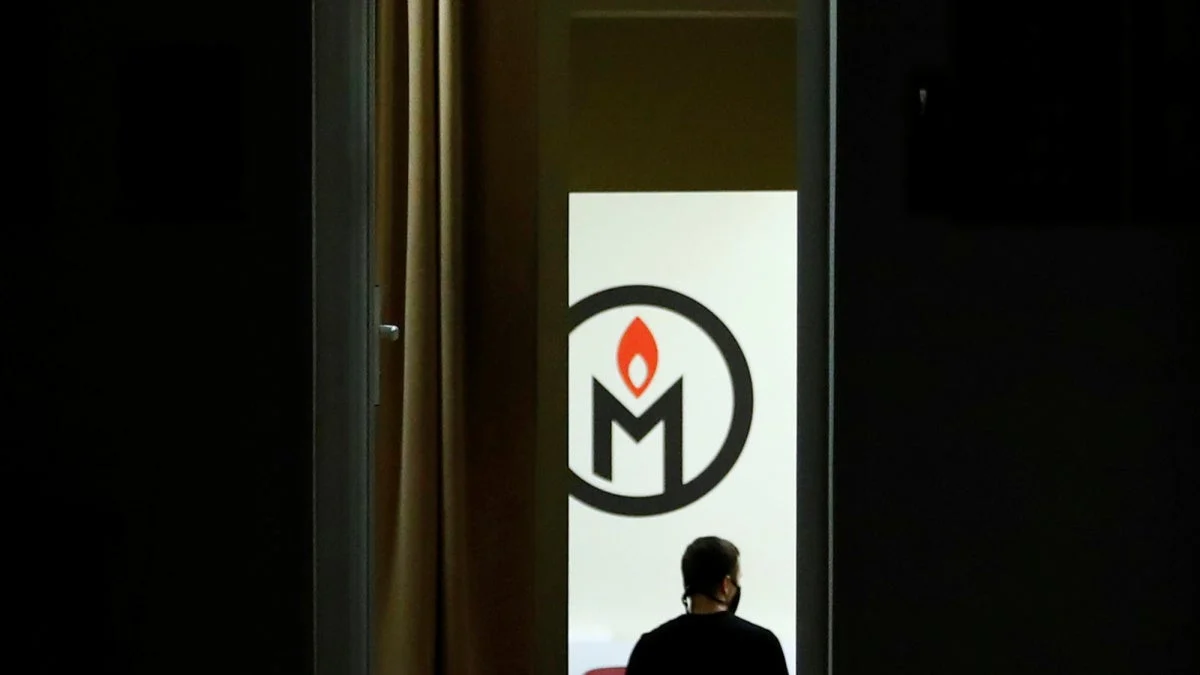
The legal implications of the "extremist" label are far-reaching and designed to instill fear. Under Russian law, participating in the activities of an extremist organization carries a penalty of up to 12 years in prison. Financing such an organization, even through small private donations, is subject to similar custodial sentences. Furthermore, the display of Memorial’s symbols—including its logo or even historical pamphlets produced by the group—is now a punishable offense. A first offense can result in 15 days of administrative detention, while repeat offenses can lead to four years of imprisonment.
Beyond the threat of incarceration, the designation allows the state to freeze the bank accounts of any individual suspected of involvement with the movement. The Justice Ministry has already claimed to have identified 196 "active participants" in the movement, suggesting that a wave of arrests and financial seizures may be imminent. This "list of extremists" serves as a form of "civil death," preventing individuals from holding jobs, accessing credit, or participating in public life.
The State’s Case: Political Prisoners and Traditional Values
Central to the Justice Ministry’s lawsuit was Memorial’s work regarding political prisoners. Memorial’s political prisoners project currently lists 1,504 individuals as being held for their political or religious beliefs, with an additional 5,000 people considered to be imprisoned unlawfully on apparent political motives. The Russian government specifically objected to Memorial’s recognition of individuals convicted of "terrorism" or "extremism" as political prisoners. By documenting these cases, the Justice Ministry argued, Memorial was "disregarding" court rulings and providing moral support to enemies of the state.
This conflict highlights the fundamental divide between the Russian judiciary and international human rights standards. While Memorial applies rigorous criteria to determine if a prosecution is politically motivated—often highlighting the lack of due process in "terrorism" trials—the Russian state views any questioning of its security apparatus as an act of subversion. The Supreme Court’s focus on "historical, cultural, spiritual, and moral values" further suggests that the state views Memorial’s documentation of Soviet-era crimes as a direct attack on the modern Kremlin’s efforts to rehabilitate the image of the Soviet past as a period of strength and stability.
International Reaction and the Humanitarian Void
The international community has reacted with profound alarm to the Supreme Court’s ruling. Hugh Williamson, Europe and Central Asia director at Human Rights Watch, described the designation as a "punitive" measure that seeks to "dismantle" rather than support civil society. "By designating Memorial ‘extremist,’ Russian authorities essentially outlaw human rights work," Williamson stated. He emphasized that this move is a "low blow" in a "staggering assault" on the rights of Russian citizens.
United Nations experts have also condemned the move, describing the lawsuit as a "deliberate and calculated strategy to spread fear among the Russian people and deprive them of independent information, human rights defense, advocacy, and legal assistance." The ban on Memorial follows the forced closure or expulsion of other prominent international organizations, including Amnesty International, Reporters Without Borders, and the Human Rights House Foundation. The departure of these groups leaves a significant humanitarian void, as there are now few, if any, independent bodies left within Russia capable of monitoring prison conditions, documenting police brutality, or providing legal aid to the persecuted.
Analysis of Implications: The End of an Era
The extremist designation of Memorial marks the end of an era for Russian civil society. For nearly four decades, Memorial served as a bridge between Russia’s dark past and a hope for a democratic future. By outlawing the organization, the Kremlin is not merely silencing a group of activists; it is attempting to seize total control over the national narrative and the collective memory of the Russian people.
In the short term, we can expect a significant increase in the number of political trials as the state moves against the 196 "active participants" identified by the Justice Ministry. In the long term, the absence of Memorial’s documentation will make it increasingly difficult for international bodies to track the scale of internal repression in Russia. However, the Memorial Human Rights Defence Center and the political prisoners project have signaled their intent to continue their work, likely from exile or through clandestine networks. As Hugh Williamson noted, these groups now require the support of the international community "more than ever" to ensure that the work of documenting abuses does not cease, even as the legal environment within Russia becomes a total vacuum for human rights.

Related Posts
Human Rights Watch Calls for Investigation into Death of Detainee Following Removal from Najaf Hospital by Iraqi Drug Police
Human Rights Watch Urges UN Security Council to Extend Lebanon Peacekeeping Mission Amid Escalating Conflict and Humanitarian Crisis