Russia Arctic Ambitions Stalled by Ukraine War Costs as US Intelligence Warns of Shifting Polar Security Dynamics
The Kremlin’s long-standing strategic objective to dominate the Arctic region is increasingly at odds with the resource-draining realities of its protracted conflict in Ukraine, according to the latest findings from the United States intelligence community. The 2026 Annual Threat Assessment, released Wednesday by the Office of the Director of National Intelligence (ODNI), suggests that while Moscow has successfully enhanced its combat readiness and infrastructure in the High North, the ongoing "Special Military Operation" has fundamentally constrained its ability to realize its broader polar ambitions.
The report highlights a growing paradox in Russian statecraft: the Arctic remains a cornerstone of Russia’s national identity and economic future, yet the personnel, funding, and industrial capacity required to secure this frontier are being diverted to the frontlines of Eastern Europe. Despite these setbacks, the ODNI warns that Russia remains the primary challenger to Western interests in the Arctic, leveraging its massive coastline and specialized military assets to maintain a "privileged position" in the global balance of power.
The Strategic Weight of the High North
Russia’s focus on the Arctic is not merely a matter of territorial pride; it is a calculated economic and existential necessity. Controlling approximately 50 percent of the total Arctic coastline, Moscow views the region as its "backyard" and a vital sanctuary for its most sensitive military assets. The ODNI report notes that the Kola Peninsula, situated in the far northwest of Russia, serves as the nerve center for the country’s strategic deterrence.
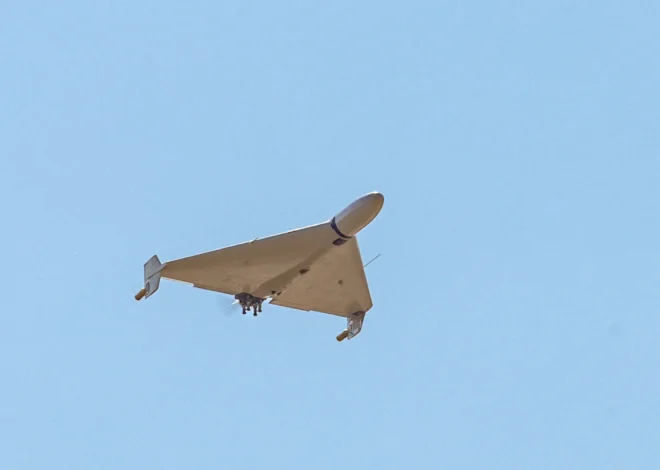
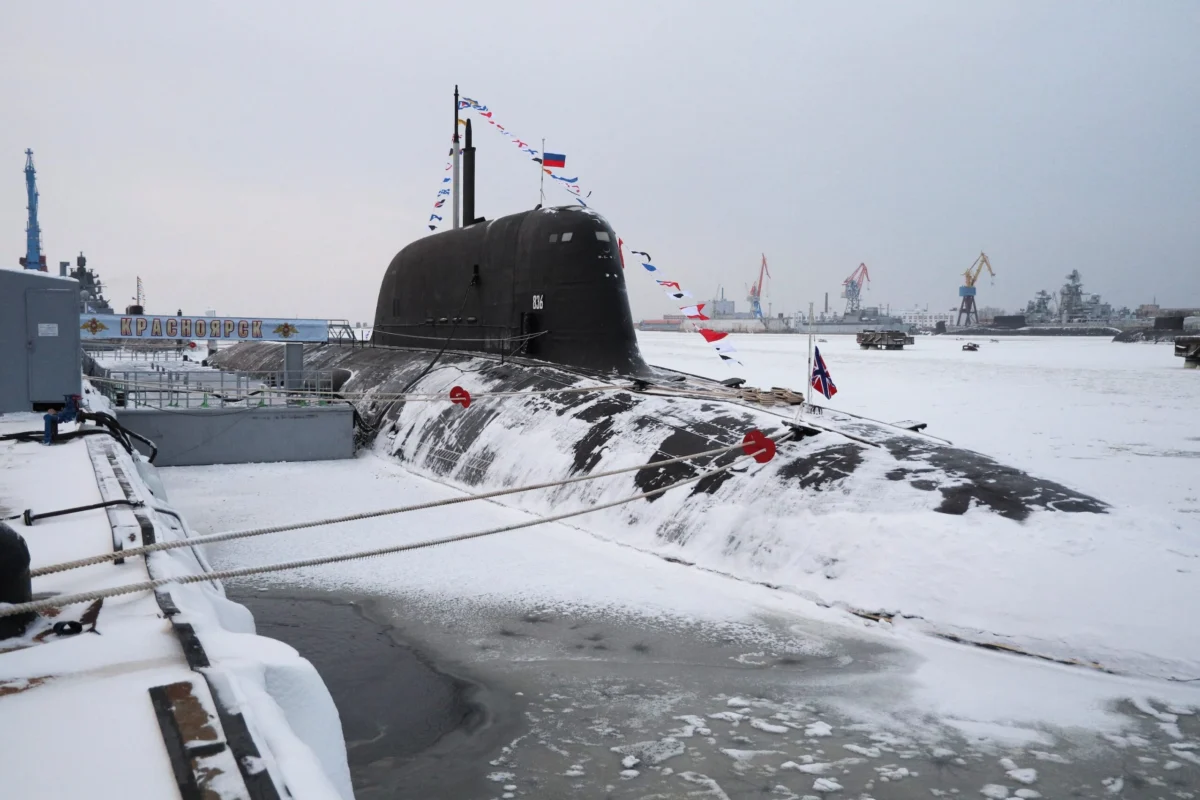
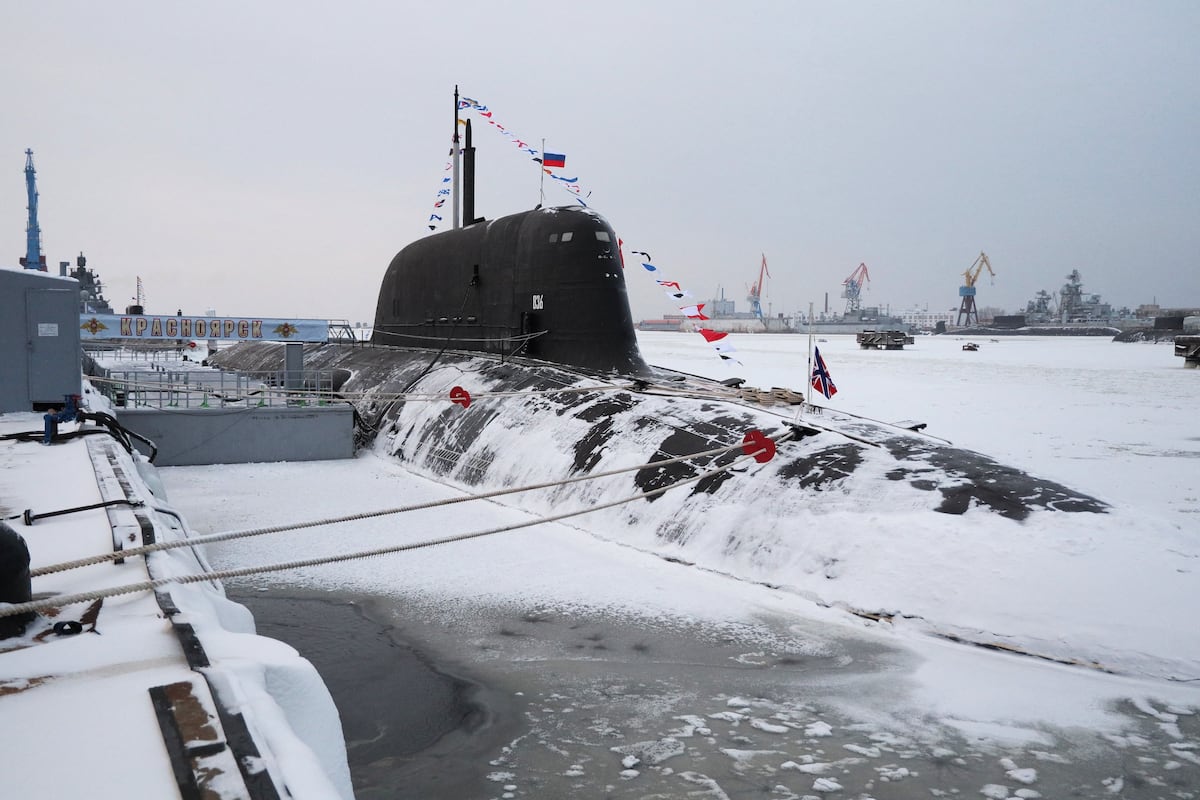
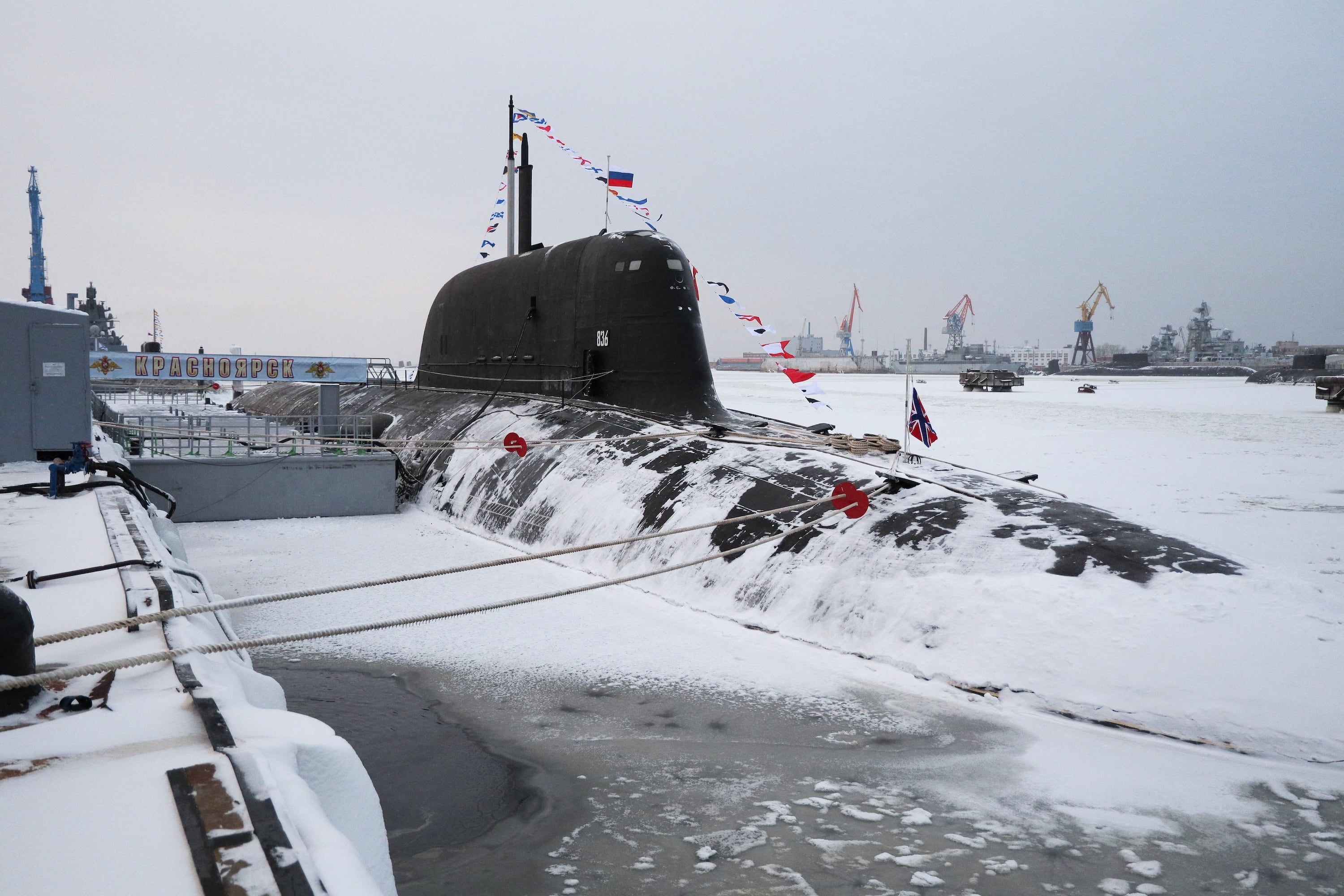
The peninsula is home to the Northern Fleet, which hosts approximately two-thirds of Russia’s second-strike nuclear capabilities. This includes seven nuclear-armed ballistic missile strategic submarines (SSBNs) designed to ensure a retaliatory strike capability in the event of a global nuclear conflict. To protect these assets, Russia has implemented a "Bastion" defense strategy, reinforcing the region with sophisticated long-range surface-to-air missiles, coastal defense systems, and an increasing array of aerial and underwater autonomous drones.
Beyond military hardware, the Arctic represents Russia’s primary economic engine for the 21st century. As polar ice continues to recede at unprecedented rates due to climate change, the Northern Sea Route (NSR) is becoming an increasingly viable alternative to the Suez Canal for maritime trade between Europe and Asia. Furthermore, the region is estimated to hold vast untapped reserves of oil and natural gas, resources that the Kremlin views as essential for funding its state budget and maintaining its status as an energy superpower.
Chronology of Arctic Militarization and Modernization
To understand the current friction between Russia’s Arctic goals and the Ukraine war, it is necessary to examine the timeline of Moscow’s northern expansion over the last decade:
- 2014: Following the annexation of Crimea, Russia began a concerted effort to reopen Soviet-era military bases across the Arctic circle, including the "Arctic Trefoil" base on Alexandra Land.
- 2017: The Kremlin officially designated the Northern Fleet as its own military district, elevating its status to reflect its strategic importance.
- 2020: President Vladimir Putin signed the "Basic Principles of State Policy of the Russian Federation in the Arctic to 2035," which prioritized the development of the NSR and the protection of the continental shelf.
- 2022: The full-scale invasion of Ukraine began. Initial assessments suggested Russia would maintain its Arctic spending, but by late 2023, intelligence indicated that elite Arctic-trained units, such as the 200th Separate Motorized Rifle Brigade, had suffered heavy losses in Ukraine.
- 2024–2025: Western sanctions began to take a more significant toll on the specialized technology required for Arctic oil extraction and the construction of high-tech icebreakers.
- 2026: The ODNI assessment confirms that while the infrastructure remains, the "ability to fully achieve ambitions" is limited by the ongoing attrition in Ukraine.
The Icebreaker Gap and Technical Superiority
One area where Russia continues to hold a significant lead over the United States and its NATO allies is its icebreaking fleet. Russia currently operates the world’s largest fleet of icebreakers, consisting of eight nuclear-powered vessels and 34 diesel-electric ships. This fleet is essential for keeping the NSR open for commercial and military traffic year-round.
In January 2026, President Putin reaffirmed the commitment to the "Leader-class" (Project 10510) icebreaker program. These 70,000-ton behemoths are designed to cut through ice up to 4.3 meters (14 feet) thick, a feat currently impossible for any other vessel in existence. The first of these ships is expected to be launched by 2030. However, US intelligence suggests that the timeline for these advanced projects may slip as Russian shipyards struggle with labor shortages and the redirection of high-grade steel and electronic components to the production of tanks and missiles for the Ukraine theater.
In contrast, the United States Coast Guard currently operates only two aging icebreakers, the heavy icebreaker Polar Star and the medium icebreaker Healy. While the US has initiated the Polar Security Cutter program to bridge this gap, the disparity in "polar presence" remains a point of concern for Western strategists who fear that Russia’s physical dominance of the ice will allow it to dictate the terms of Arctic passage.
The China Factor: The Polar Silk Road
As Russia finds itself increasingly isolated from Western capital and technology, it has turned toward Beijing to sustain its Arctic development. China, which describes itself as a "near-Arctic state," has integrated the region into its broader Belt and Road Initiative under the moniker of the "Polar Silk Road."
According to the ODNI report, Beijing seeks to expand its Arctic footprint through a combination of scientific research, commercial investments, and joint military exercises. In recent years, Russia and China have conducted joint naval patrols in the North Pacific and Arctic waters, signaling a unified front against what they perceive as US-led "encirclement."
For Russia, China provides a critical market for Arctic energy and a source of dual-use technologies that are otherwise restricted by Western sanctions. For China, the partnership offers a shorter shipping route to Europe that avoids the Malacca Strait—a strategic "choke point" that could be closed by the US Navy in a conflict over Taiwan. However, the ODNI notes that this partnership is not without tension, as Moscow remains wary of Chinese influence in what it considers its sovereign domain.
Western Response and NATO Expansion
The shifting security landscape in the Arctic has prompted a robust response from the West. The recent accession of Finland and Sweden to NATO has fundamentally altered the geography of the High North, turning the Baltic Sea into a "NATO lake" and bringing the alliance’s borders closer to Russia’s critical bases on the Kola Peninsula.
In Norway, elite Arctic soldiers are reportedly refining their tactics to counter Russian surveillance, including the use of traditional snow caves to evade thermal-imaging drones. The US Department of Defense has also updated its Arctic Strategy, emphasizing the need for "enhanced domain awareness" and the deployment of more cold-weather-capable assets.
US officials have expressed concern that Russia’s activity is a direct counter to a "perceived growing US emphasis on expanding its influence" in the region. This cycle of militarization increases the risk of accidental escalation in a part of the world that was once characterized by "Arctic Exceptionalism"—the idea that the region could remain a zone of peaceful cooperation despite tensions elsewhere.
Implications and Long-Term Outlook
The 2026 ODNI assessment paints a picture of a Russia that is dangerous but overextended. The war in Ukraine has created a "resource vacuum" that prevents Moscow from modernizing its Arctic fleet and infrastructure at the pace it originally intended. Nevertheless, the strategic importance of the region means that Russia is unlikely to cede any ground.
From an analytical perspective, the primary implications are three-fold:
- Increased Reliance on Nuclear Deterrence: As Russia’s conventional forces are degraded in Ukraine, Moscow may become more reliant on its nuclear-armed submarines in the Arctic to maintain its "Great Power" status. This could lead to a lowering of the nuclear threshold in regional disputes.
- Technological Stagnation: Without access to Western deep-water drilling technology and advanced maritime engineering, Russia’s plans to exploit the Arctic’s oil and gas reserves may stall, potentially weakening its long-term economic stability.
- Fragile Sino-Russian Cooperation: The "Polar Silk Road" will remain a marriage of convenience. If China’s presence in the Arctic begins to infringe on Russian sovereignty or if Beijing seeks to establish permanent military bases in the region, the current cooperation could quickly turn into competition.
In conclusion, while the Ukraine war has successfully "limited" Russia’s Arctic ambitions in the short term, the region remains a central pillar of Moscow’s global strategy. The United States and its allies face a delicate balancing act: they must bolster their own presence and capabilities in the High North to deter Russian aggression, while simultaneously avoiding a provocation that could turn the Arctic into a second front in the broader conflict between the West and the Kremlin. As the ice melts and the geopolitical temperature rises, the Arctic is set to remain one of the most volatile arenas of 21st-century competition.

Related Posts
Pentagon Forges Landmark Seven-Year Agreements with Boeing and RTX to Accelerate Standard Missile-3 Production and Stabilize Defense Supply Chains
Boeing Unveils Ultra Low-Cost Seeker to Enhance Missile Inventory and Combat Cost Challenges in Modern Warfare