PragerU’s Jill Simonian Ignites Debate Over Scholastic Book Fairs, Citing ‘Woke’ and Age-Inappropriate Content
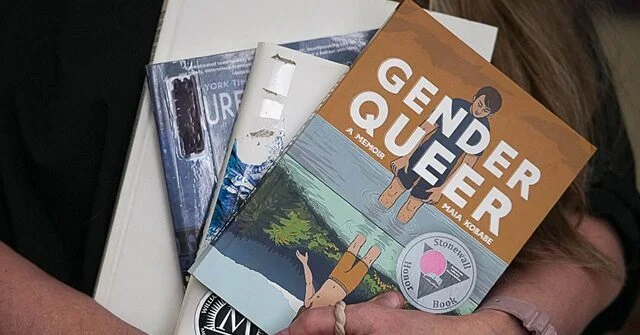
Jill Simonian of PragerU recently sparked a significant discussion regarding the content offered at Scholastic book fairs, alleging that the selections are "tilted so far woke" and include "radicalized and age-inappropriate" materials for elementary school children. Speaking on "The Alex Marlow Show," Simonian articulated concerns that a "veil of inclusion and diversity and equity" was being used to introduce books she deems unsuitable for a ten-year-old audience. Her remarks, delivered on a Saturday broadcast, quickly resonated within conservative media circles and added another dimension to the ongoing national debate surrounding curriculum and content in educational settings.
The allegations made by Simonian tap into a broader cultural tension that has increasingly manifested in schools across the United States. Her specific critique focused on the perceived ideological slant of the books available at these widely popular events, which are a staple in many American elementary and middle schools. Simonian’s statement, "It is tilted so far woke under a veil of inclusion and diversity and equity and all of these labels… it’s offering books… that are just radicalized and age-inappropriate for a ten-year-old to read," directly challenges the selection criteria employed by Scholastic, one of the most prominent names in children’s publishing and literacy promotion.
Context of the Discussion: The Alex Marlow Show and PragerU
The platform for Simonian’s comments, "The Alex Marlow Show," is hosted by Alex Marlow, the Editor-in-Chief of Breitbart News, a conservative news and opinion website. The show broadcasts weekdays on the Salem Radio Network, a major player in conservative talk radio, and is also available via podcast and on the Salem TV news channel. This broadcast context is crucial, as both Breitbart and PragerU are known for their conservative viewpoints and their active participation in what is often termed the "culture wars," particularly concerning education, media, and societal values. PragerU, short for Prager University, is a non-profit organization that creates and disseminates educational videos from a conservative perspective, frequently focusing on topics of American history, economics, and cultural issues. Their involvement underscores the ideological framework from which Simonian’s critique originates.
Scholastic Book Fairs: A Fixture in American Education
Scholastic Corporation has been an integral part of American education for over a century. Founded in 1920, the company is renowned for its children’s books, educational materials, and particularly its iconic book clubs and book fairs. For generations of American students, Scholastic book fairs represent an annual highlight, a unique opportunity to browse and purchase books directly within their school environment. These events are not merely commercial transactions; they often serve as fundraisers for schools, with a percentage of sales directly benefiting school libraries or other educational programs. The fairs also play a vital role in fostering literacy, encouraging independent reading, and making books accessible to a wide range of students, including those who may not have regular access to bookstores or public libraries.
The selection process for books featured at Scholastic fairs is extensive, involving numerous publishers, authors, and often, feedback from educators and librarians. Historically, Scholastic has aimed to offer a diverse range of titles spanning various genres, reading levels, and subject matters, from popular fiction and non-fiction to educational resources and classic literature. In recent years, reflecting broader trends in publishing and education, there has been an increased emphasis on including books that promote diversity, equity, and inclusion (DEI), aiming to ensure that all children can see themselves represented in literature and learn about different cultures and perspectives. It is precisely this contemporary emphasis on DEI that has become a point of contention for critics like Simonian.
The Broader Debate: Parental Rights, Book Challenges, and Curriculum Battles
Simonian’s remarks are not isolated but rather indicative of a growing national phenomenon: the increasing scrutiny and challenging of books and educational materials in schools. Over the past few years, there has been an unprecedented surge in attempts to ban or restrict books in school libraries and classrooms across the United States. Data from organizations such as the American Library Association (ALA) and PEN America consistently report record numbers of book challenges, particularly since 2021.
These challenges frequently target books dealing with themes such as:
- LGBTQ+ identities and experiences: Stories featuring gay, lesbian, bisexual, transgender, or queer characters and themes.
- Race and racism: Books discussing critical race theory, historical accounts of slavery and civil rights, or contemporary issues of racial injustice.
- Sex education and sexual content: Materials that address puberty, consent, or sexual relationships.
- Mental health: Books exploring anxiety, depression, or other psychological topics.
- Social-emotional learning (SEL): Educational approaches that focus on developing empathy, self-awareness, and social skills.
Advocates for book challenges, often organized under banners of "parental rights" or "protecting children," argue that certain books contain sexually explicit material, promote divisive ideologies, or are simply "age-inappropriate." They contend that parents should have ultimate authority over the content their children are exposed to in schools. Organizations like Moms for Liberty have been particularly active in leading these efforts, pushing for greater parental oversight of school curricula and library acquisitions.
Conversely, educators, librarians, free speech advocates, and many literary organizations defend the importance of diverse collections and intellectual freedom. They argue that restricting access to books limits students’ exposure to different ideas, hinders their ability to think critically, and can marginalize students from underrepresented groups who seek to see their experiences reflected in literature. They also emphasize the professional expertise of librarians in curating age-appropriate and educationally valuable collections. The term "age-appropriate" itself has become highly contested, with varying interpretations often reflecting differing moral, social, and political viewpoints.
Inferred Statements and Reactions from Related Parties
While Scholastic has not issued a direct response to Simonian’s specific comments at the time of this report, a general stance can be inferred based on their public statements and corporate initiatives. Scholastic typically emphasizes its commitment to fostering literacy and providing a wide array of books that cater to diverse student populations and educational needs. They would likely highlight their rigorous selection process, which aims to balance educational value, literary quality, and broad appeal, while also ensuring relevance to contemporary children’s lives. Any official statement would probably affirm their dedication to supporting schools and providing resources that encourage a love of reading, while acknowledging the varying perspectives on what constitutes appropriate content. Scholastic has also publicly supported initiatives promoting diversity, equity, and inclusion in children’s literature, aligning with broader industry trends to ensure representation for all young readers.
Reactions from other parties would likely fall along predictable lines:
- Parental Rights Advocates: Groups aligned with Simonian’s perspective would likely commend her for raising these concerns. They would echo calls for greater transparency in book selection, demand more parental input, and advocate for stricter guidelines regarding content they deem inappropriate for school environments. Their statements would reinforce the idea that schools are overstepping their bounds by introducing certain topics or ideologies without parental consent.
- Educators and Librarians: Professionals in the education and library fields would likely defend Scholastic’s role and the value of diverse book fairs. They would emphasize the importance of offering a wide range of perspectives to students, promoting critical thinking, and ensuring that all children can find books that resonate with their experiences and expand their understanding of the world. They might also express concern that such critiques could lead to self-censorship and limit students’ access to valuable literature.
- Literacy and Free Speech Organizations: Groups focused on literacy promotion and intellectual freedom would likely express alarm over any rhetoric that could lead to further book challenges or a chilling effect on publishing. They would stress the importance of open access to information and the dangers of restricting literature based on ideological objections, advocating for robust, diverse collections that serve all students.
Timeline and Chronology of Related Controversies
The current wave of controversy surrounding school books is not entirely new but has intensified dramatically in recent years.
- Pre-2020: Book challenges were a perennial, but generally localized, issue, often focusing on explicit content or specific religious objections.
- 2020-2021: Following the murder of George Floyd and the subsequent racial reckoning, there was a significant push for more diverse and inclusive curricula and library collections. Simultaneously, a backlash began to form, fueled by concerns over "critical race theory" and perceived "woke" ideologies infiltrating education.
- 2021-Present: States like Florida, Texas, and Missouri enacted legislation or policies granting parents more oversight over school materials and making it easier to challenge books. Organizations such as Moms for Liberty gained national prominence, coordinating efforts to challenge books across multiple school districts. This period has seen an unprecedented number of challenges, often targeting books with LGBTQ+ themes or discussions of race. Scholastic, as a major provider of books to schools, has inevitably found itself caught in the crossfire of these broader ideological battles. In some instances, Scholastic has adapted its offerings, for example, creating optional "diverse reads" collections for schools to choose from, which itself became a point of contention for some who saw it as segregating books or bending to political pressure.
Analysis of Implications
The implications of debates like the one ignited by Jill Simonian are far-reaching, impacting schools, publishers, and most importantly, students.
- Impact on Schools: School administrators and librarians are increasingly caught between conflicting demands from parents, community groups, and educational standards. Hosting book fairs, once a relatively simple and universally popular event, now carries the potential for controversy and scrutiny. This can lead to increased administrative burdens, heightened tensions within school communities, and in some cases, a reluctance to host events or offer books that might be deemed contentious, potentially limiting student access to diverse materials.
- Impact on Publishers: Publishers like Scholastic face immense pressure to navigate these polarized environments. They must balance their mission to provide diverse, engaging, and educational content with the need to maintain partnerships with schools and avoid becoming targets of national boycotts or protests. This can influence future content selection, marketing strategies, and even the development of new titles, pushing publishers towards a more cautious approach to avoid controversy, or conversely, strengthening their resolve to champion inclusive literature.
- Impact on Student Access and Literacy: The ultimate effect is on the students themselves. If certain books are removed from book fairs or library shelves due to ideological objections, it restricts children’s opportunities to explore different perspectives, encounter diverse characters, and develop empathy. This can also send a chilling message about intellectual freedom and the value of reading widely. Conversely, proponents of challenges argue that removing "inappropriate" content protects children and allows them to focus on materials aligned with family values.
- Broader Cultural and Political Significance: This debate is emblematic of a larger societal struggle over values, identity, and the role of public institutions in shaping young minds. Education, traditionally a relatively neutral ground, has become a central battleground in contemporary political and cultural discourse. The scrutiny of book fairs, once seen as benign events, underscores the extent to which these ideological divisions have permeated even the most fundamental aspects of childhood and schooling.
Conclusion
Jill Simonian’s comments on "The Alex Marlow Show" serve as a potent reminder of the deep divisions currently affecting education and children’s literature in the United States. Her assertion that Scholastic book fairs are promoting "woke" and "age-inappropriate" content under a "veil of inclusion and diversity and equity" directly challenges a major institution in children’s literacy and aligns with a broader movement advocating for stricter parental oversight of school materials. As book challenges continue to rise and the debate over what constitutes "appropriate" content intensifies, the future of events like Scholastic book fairs, and indeed the broader landscape of children’s publishing and education, remains a focal point of cultural contention, impacting millions of students, parents, and educators nationwide. The conversation highlights the complex task of fostering literacy and critical thinking while navigating a deeply polarized cultural environment.

Related Posts
Democratic Candidates Must Moderate to Win General Elections, Says Rep. Greg Stanton
Lisa Demuth Secures Republican Gubernatorial Nomination in Minnesota, Defeating Trump-Endorsed Mike Lindell