Peru’s Presidential Election Remains Undecided Days Later Amidst Growing Scandal
LIMA, Peru – Peru finds itself in a state of electoral suspense, days after casting its ballots, as the presidential election’s outcome remains tantalizingly out of reach. The protracted vote count has reconfigured the political landscape, with conservative frontrunner Keiko Fujimori maintaining a lead, while leftist contender Roberto Sánchez has surged past former Lima mayor Rafael López Aliaga, positioning himself as her likely rival in a projected second-round runoff. This evolving scenario is compounded by logistical failures and accusations of fraud, deepening the nation’s political fragility.
A Tight Race and a Surprising Resurgence
As of the latest preliminary tallies from the National Office of Electoral Processes (ONPE), Keiko Fujimori, representing the Popular Force party, commands approximately 16.95% of the votes counted. Trailing closely behind is Roberto Sánchez of the Juntos por el Perú party, who has garnered 11.99%. Sánchez’s ascent in the final stages of the count has been a significant development in an election characterized by unprecedented fragmentation of the electorate. This dramatic shift has altered the predicted pairing for a potential second-round ballot.
Sánchez’s strong performance has been particularly pronounced in the interior of the country, especially in the southern Andean regions and rural areas, which constitute his core base of support. The 57-year-old psychologist and political heir to former President Pedro Castillo (2021-2022) has been the architect of the most significant upward swing in the vote count in recent hours. "We are proceeding with calm, confident in the support of our people… because the records do not lie," Sánchez stated in remarks to AFP, expressing optimism about the ongoing tabulation.
The presidential election featured an extraordinary number of candidates, with a total of 35 individuals vying for the top office on Sunday. This wide dispersal of votes has diluted support for individual candidates, contributing to the lingering uncertainty surrounding who would ultimately secure a spot in the crucial second round. The margins separating the leading contenders remain exceedingly narrow, meaning the final results could still be subject to minor fluctuations as the last of the votes are tallied.
Logistical Nightmares and Fraud Allegations
Beyond the intricate vote counting, the electoral process has been significantly marred by logistical challenges and accusations that have heightened political tensions. On election day, numerous polling stations across Lima experienced delays in opening due to issues with ballot distribution and a shortage of electoral officials. This disruption resulted in an estimated 50,000 voters being unable to cast their ballots. In response, an extraordinary voting day was organized for Monday to accommodate these affected citizens.
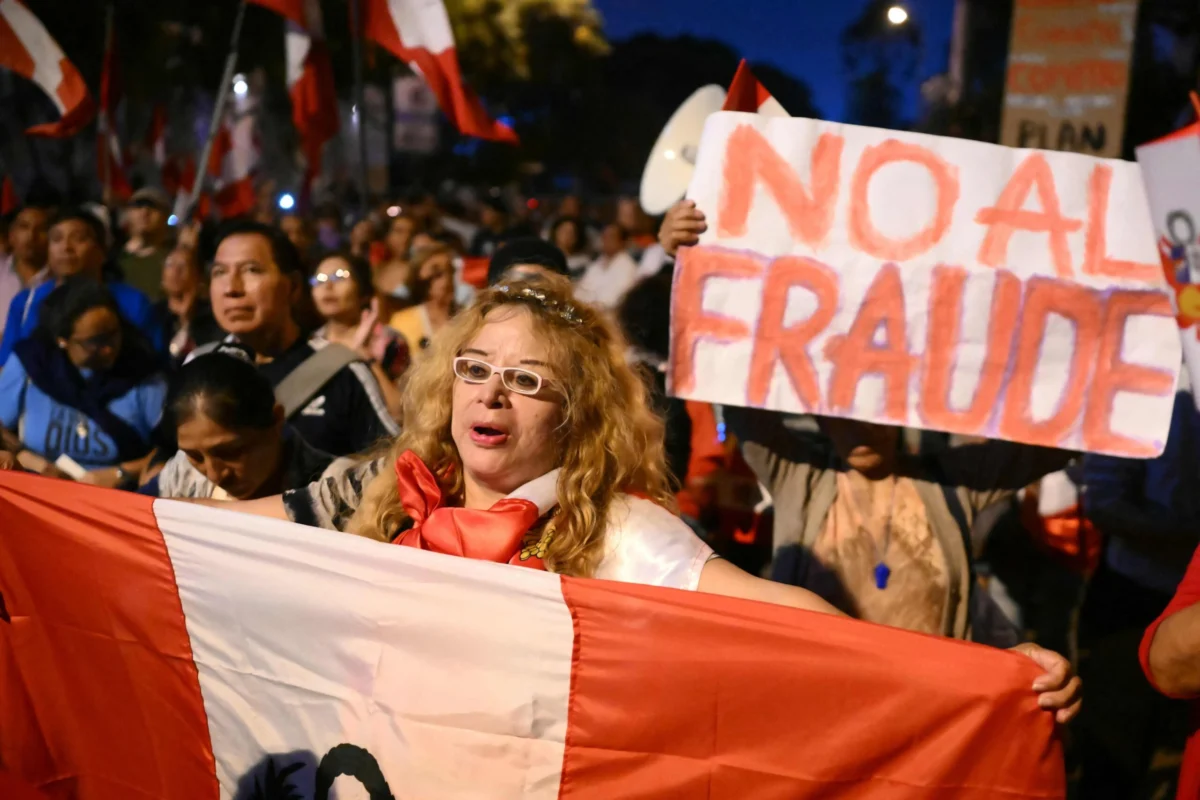
In the wake of these organizational setbacks, Rafael López Aliaga, who had been among the leading candidates in early counts, leveled accusations of widespread fraud and demanded the nullification of the elections. Addressing hundreds of supporters gathered outside the headquarters of the National Jury of Elections (JNE), Peru’s highest electoral tribunal, López Aliaga issued a stark ultimatum: "I give you 24 hours to declare the absolute nullity of this electoral fraud." He also called for continued public mobilization should his demands not be met.
However, these allegations of fraud have not found corroboration from international observation missions. The European Union, for instance, indicated that it had not detected "objective elements" to support claims of a fraudulent election. Despite this, the controversy has undeniably exacerbated distrust in a political system already beleaguered by years of institutional crisis.
A Climate of Instability and Growing Insecurity
The organizational chaos surrounding the vote has further amplified the instability gripping Peru, a nation that has witnessed eight different presidents in the past decade, many of whom were removed from office by Congress. Political scientist Eduardo Dargent commented on the gravity of the situation, warning that "what has happened is very serious" and that "logistical irregularities can fuel discourses of electoral delegitimization." This sentiment underscores the precariousness of Peru’s democratic institutions.
Adding to the electoral anxieties, the election campaign was heavily influenced by a growing public concern over rising insecurity. Official data reveals a doubling of homicides and an eightfold increase in extortion complaints between 2018 and 2025, a grim reality that permeated many candidates’ campaign platforms and resonated deeply with voters.
Concurrent with the presidential election, Peruvians also voted to elect a new Congress. For the first time since 1990, the legislature has been restored to a bicameral system, comprising both deputies and senators. The composition of this new Congress is expected to be a critical factor in determining the governability of the next president, especially within the current highly fragmented political landscape.
A Nation on Edge
The slow pace of the vote count continues to keep voters in a state of heightened anticipation. Keiko Fujimori herself acknowledged the tense atmosphere, stating, "The figures are very close between each candidate. What must be done is to wait prudently." In this climate of uncertainty, every update to the vote tally has the potential to reshape the electoral map. Regardless of who ultimately advances to the second round, this election has once again starkly illuminated the institutional fragility and political volatility that continue to define Peru.
The ONPE’s ongoing tabulation is a meticulous process, involving the verification and consolidation of results from across the country, including remote and hard-to-reach areas. The final certification of results by the JNE will be crucial, and any lingering disputes or formal challenges could further prolong the post-election period.
The historical context of Peruvian elections offers a backdrop to the current situation. The nation has a recent history of electoral disputes and political crises, making the integrity and transparency of the electoral process a paramount concern for its citizens. The fragmented nature of the party system, with numerous small parties often struggling to gain significant traction individually, has frequently led to coalition governments that are prone to instability and legislative gridlock. The current election, with its record number of candidates, exemplifies this trend.
The Shadow of Past Presidencies
The presence of Keiko Fujimori, daughter of former President Alberto Fujimori, in the lead is a significant development that evokes memories of her father’s controversial but impactful presidency. Alberto Fujimori, who ruled Peru from 1990 to 2000, was eventually ousted amid corruption scandals and human rights abuses. Keiko Fujimori herself has faced her own legal challenges, including accusations of corruption and money laundering, which have fueled voter skepticism and political polarization. Her campaign has often focused on themes of security and economic stability, appealing to a segment of the electorate seeking a strong hand at the helm.
On the other hand, Roberto Sánchez represents a more progressive political current, advocating for social reforms and a greater role for the state in addressing inequality. His connection to Pedro Castillo, a former teacher and union leader who was impeached and removed from office, positions him as a candidate drawing support from sectors that felt marginalized by previous administrations. Castillo’s presidency was marked by a deep political confrontation with the Congress and ended in his unceremonious ouster. Sánchez’s surge suggests a continued appetite for left-leaning policies among a significant portion of the electorate, even amidst the political turbulence of recent years.
The specter of Rafael López Aliaga, a conservative businessman and former mayor of Lima, also looms large. His strong initial showing reflected a populist appeal and a platform that often resonated with religious and conservative voters. His accusations of fraud, while unsubstantiated by international observers, highlight the deep divisions and distrust that persist within Peruvian society.
Implications for Governance and Stability
The outcome of this election, regardless of who emerges victorious, will have profound implications for Peru’s future governance and stability. A highly fragmented Congress, coupled with a president who may struggle to secure a clear majority, could lead to continued political deadlock and governmental instability. The challenges of addressing pressing issues such as poverty, inequality, corruption, and insecurity will require strong leadership and a capacity for consensus-building, commodities that have been in short supply in recent Peruvian politics.
The logistical failures in the election itself have also raised questions about the capacity of the electoral authorities to manage such a complex undertaking effectively. This perception, coupled with the fraud allegations, could have long-term consequences for public confidence in democratic institutions. Rebuilding trust will be a significant challenge for any incoming administration.
As Peru awaits the final tally, the nation remains on edge, grappling with the complexities of its political system and the deep-seated challenges it faces. The ongoing electoral drama is not merely a contest for the presidency; it is a reflection of a country striving to navigate a path toward stability and effective governance amidst persistent political and institutional turmoil. The decisions made in the coming days, both by electoral authorities and by political actors, will be crucial in shaping the trajectory of this Andean nation.

Related Posts

The Electric Vehicle Battery Health Debate Emerges as Argentina’s EV Market Accelerates
President Donald Trump Confirms Secret Departure from Turkey Amidst Assassination Threat