Luxury Homeowner Fined HK$110,000 for Extensive Illegal Structures at Prestigious Redhill Peninsula Estate
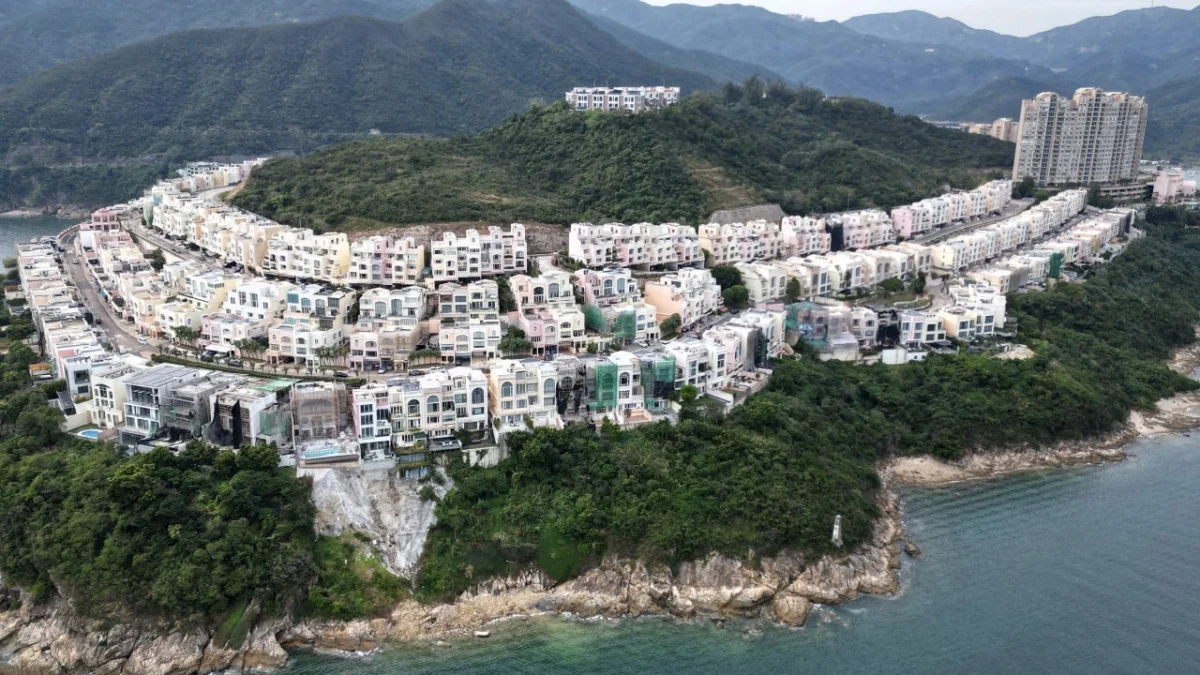
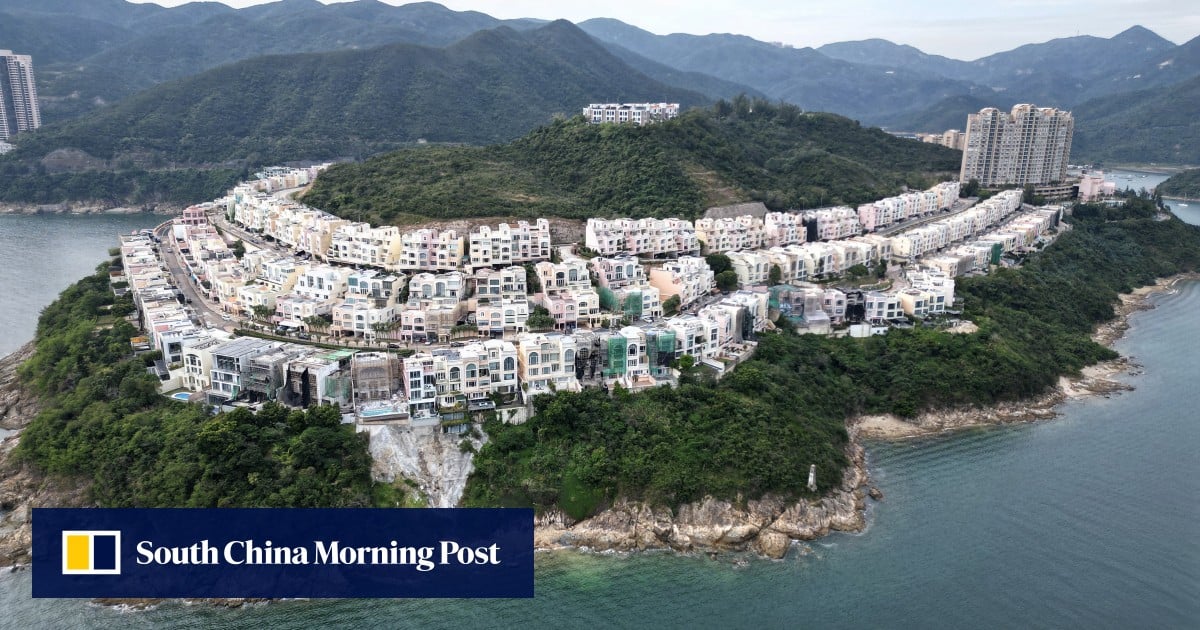
The owner of a luxury property at the exclusive Redhill Peninsula estate in Tai Tam has been fined HK$110,000 (US$14,039) for constructing significant illegal structures and an unauthorized swimming pool, a penalty that underscores a broader government crackdown on building code violations in Hong Kong. The sentencing at Eastern Court on Thursday follows a period of heightened scrutiny of such infractions, amplified by recent extreme weather events and extensive investigations by the South China Morning Post into widespread unauthorized building works.
The property in question, House No. 76 at Redhill Peninsula, is owned by Sunset Boulevard Company, a private firm established in 1995. Company registry records indicate that Hong Kong resident Marc Robert Compagnon is listed as a director of the firm. This revelation places a specific individual at the helm of the entity responsible for the illegal additions, raising questions about accountability and oversight within the ownership structure of high-value real estate.
The unauthorized building works, which included additions on the second and fourth floors as well as in the garden, along with the construction of a swimming pool, had reportedly been in place since 2006. This indicates a prolonged period during which these structures existed without the requisite official approval, a common issue that authorities have been increasingly determined to address. Principal Magistrate David Cheung Chi-wai presided over the case, noting the duration of the non-compliance.
Background to the Crackdown
The intensifying government response to unauthorized building works (UBWs) in Hong Kong is not a sudden development but a culmination of years of challenges. UBWs have long been a pervasive problem, often involving extensions, rooftop structures, and basement conversions that compromise building safety, fire escape routes, and the structural integrity of properties. The sheer scale of the issue is staggering, with the Buildings Department estimating tens of thousands of reported UBWs annually.
The impact of these illegal structures was starkly highlighted during the record-breaking rainstorm that battered Hong Kong in early April 2024. The deluge exposed how certain unauthorized additions, particularly those extending beyond original building footprints or altering drainage systems, could exacerbate flooding and damage, putting neighboring properties and public infrastructure at risk. This extreme weather event served as a potent catalyst, prompting a more assertive stance from authorities and increased public awareness regarding the dangers posed by UBWs.
The South China Morning Post’s ongoing investigative journalism has played a crucial role in bringing these issues to light. By meticulously documenting cases of UBWs, including those in affluent residential areas, the Post has pressured relevant departments to take decisive action and has informed the public about the extent of the problem. The investigation into Redhill Peninsula, a locale known for its high-value properties, demonstrates that UBWs are not confined to less affluent districts but are prevalent across various socio-economic strata of Hong Kong.
Chronology of Non-Compliance and Legal Proceedings
The illegal structures at House No. 76 were reportedly erected around 2006. For approximately 18 years, these additions, including significant alterations to the building’s facade and the addition of a swimming pool, operated outside the legal framework governed by Hong Kong’s Buildings Ordinance.
The discovery and subsequent legal action likely followed a period of inspection and investigation by the Buildings Department. While the exact timeline of the department’s involvement prior to the court proceedings is not detailed in the initial report, it is standard procedure for such cases to involve notices issued to the property owner, demanding rectification or demolition.
The case culminated in a sentencing at Eastern Court on Thursday, where Sunset Boulevard Company pleaded guilty. The defense counsel presented mitigating arguments, highlighting that the company’s directors resided in the property and that the guilty plea was entered at the earliest opportunity. This suggests an acknowledgment of the offenses and a willingness to expedite the legal process.
The court was informed that the homeowner had already initiated steps to address the violations. An application had been submitted to the Buildings Department for the removal of the illegal structures, and work on this rectification process was reportedly underway. Principal Magistrate David Cheung Chi-wai acknowledged these efforts, stating that the company had "made an effort" to rectify the situation. This consideration likely influenced the final penalty imposed.
Supporting Data and Broader Implications
The Redhill Peninsula estate is situated in Tai Tam, a district renowned for its affluent residential properties and scenic coastal views. Properties in this area command premium prices, reflecting the exclusivity and desirability of the location. The presence of UBWs in such a prestigious neighborhood underscores a systemic issue of enforcement and compliance that transcends property values.
The fine of HK$110,000, while substantial for an individual, may be viewed as a relatively minor financial deterrent for a company owning a property in such a prime location. The market value of House No. 76, and indeed the entire Redhill Peninsula estate, is estimated to be in the tens of millions of Hong Kong dollars. This raises a critical question about the effectiveness of financial penalties in deterring UBWs among wealthy property owners. For some, the cost of the fine may be less than the perceived benefit of the illegal structures, or simply absorbed as a cost of doing business.
The investigation into Redhill Peninsula is part of a larger initiative by the Buildings Department to tackle the pervasive problem of UBWs. In recent years, the department has intensified its efforts, including targeted operations and the use of technology to identify non-compliant structures. The government has also been reviewing its enforcement policies and penalty structures to ensure they are sufficiently dissuading illegal building activities.
Official Responses and Future Outlook
While specific statements from the Buildings Department or government officials regarding this particular case were not immediately available, the general stance of the Hong Kong government has been one of increasing intolerance towards UBWs. Following the severe weather events, there has been a clear mandate to accelerate the removal of dangerous and illegal structures that pose risks to public safety and infrastructure.
The sentencing of Sunset Boulevard Company is indicative of the judicial system’s engagement with these cases. The courts are tasked with balancing the severity of the offenses, the intent of the offenders, and the efforts made towards rectification. The fine imposed reflects a judgment that, while the UBWs were significant and long-standing, the proactive steps taken by the homeowner to rectify the situation warranted a degree of leniency.
However, the underlying challenge remains. The sheer volume of UBWs, coupled with the complex ownership structures of many properties in Hong Kong, makes comprehensive enforcement a formidable task. The government faces the ongoing challenge of ensuring that penalties are not only punitive but also act as a genuine deterrent. This may involve exploring more stringent penalties, including potentially higher fines, increased scrutiny of corporate owners, and more robust mechanisms for ensuring compliance from the outset of property development and renovations.
The case of House No. 76 at Redhill Peninsula serves as a microcosm of a much larger urban planning and regulatory challenge. It highlights the persistent issue of unauthorized building works in Hong Kong, even within its most exclusive enclaves. As the city continues to develop and face the increasing impacts of climate change, the imperative to ensure that all structures comply with safety and regulatory standards becomes ever more critical. The ongoing efforts by authorities, supported by investigative journalism, signal a determination to address this long-standing problem, aiming for a safer and more compliant urban environment for all residents. The focus will likely remain on robust enforcement, clear communication of regulations, and the implementation of penalties that effectively deter non-compliance across all segments of society.