James Taylor-Foster Appointed New Executive Director of Para Site, Bringing Fresh Perspective to Hong Kong’s Art Scene
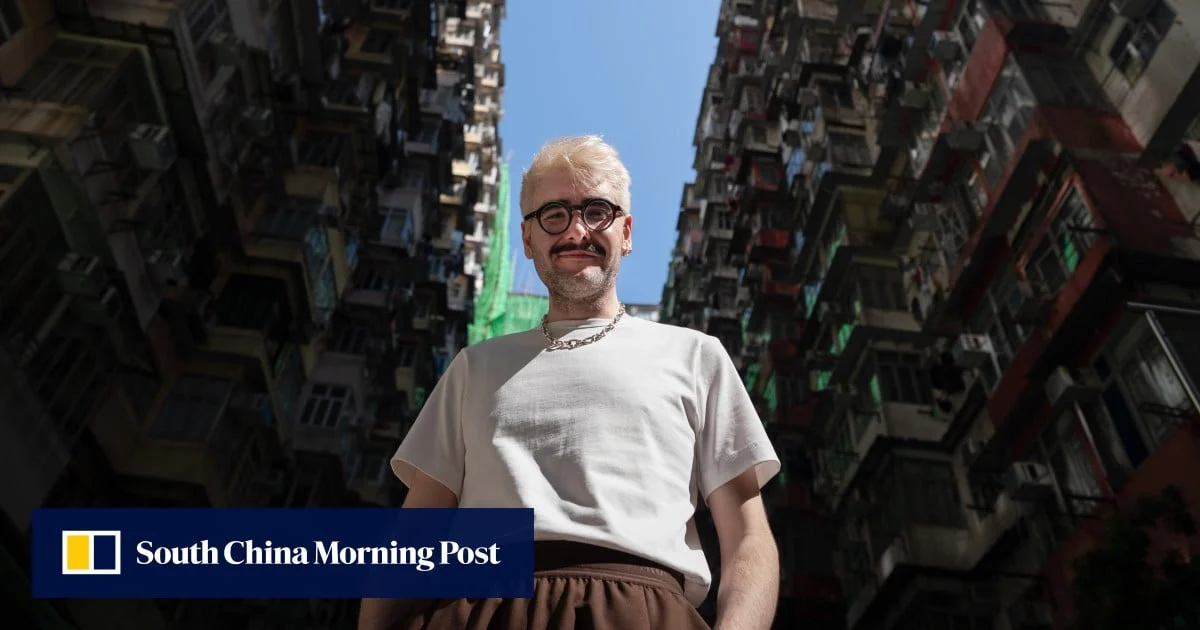
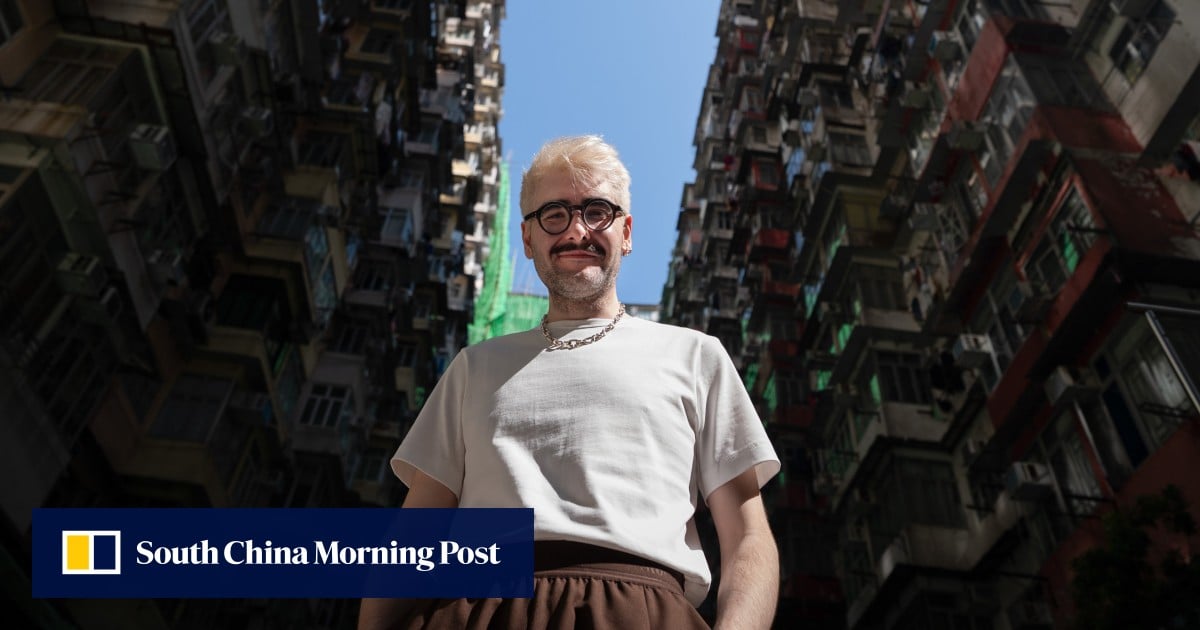
The iconic, densely packed residential complex of Yick Cheong Building, famously dubbed the "Monster Building" in Hong Kong’s Quarry Bay, provided a striking backdrop for an interview with James Taylor-Foster, the newly appointed executive director of Para Site, a prominent non-profit art space. Taylor-Foster, a London-born curator and writer, immediately distinguishes himself with his distinctive peroxide blond hair, dark moustache, and prominent eyebrows, a memorable figure amidst the throng of tourists and photographers drawn to the photogenic architectural marvel. The choice of this location, immortalized in the 2014 film Transformers: Age of Extinction, felt particularly apt for a discussion about transition and the future direction of a significant cultural institution.
Para Site, a cornerstone of Hong Kong’s contemporary art landscape, announced Taylor-Foster’s appointment shortly before this meeting. His predecessor, Billy Tang, was a well-established figure within the regional art circuit, having relocated from Shanghai. In contrast, Taylor-Foster arrives with limited direct experience in Asia and is not yet a widely recognized name within Hong Kong’s local art community. Acknowledging this, he candidly describes himself as "what they call a wild card." This "wild card" status, however, may signal a deliberate strategy by the Para Site board to inject new energy and an external viewpoint into the organization’s programming and operational strategies.
A Global Perspective for a Local Institution
Taylor-Foster’s appointment continues a lineage of relatively young, cosmopolitically-minded leaders at Para Site. He shares a similar age bracket with his immediate predecessors, Tobias Berger, Cosmin Costinas, and Billy Tang, at the time of their respective appointments. This trend suggests a consistent institutional preference for individuals possessing international ambition and a broad cultural outlook, capable of navigating and contributing to Hong Kong’s dynamic and evolving art scene.
The selection process itself, which concluded with Taylor-Foster’s nomination, represents a crucial moment for Para Site. The organization, established in 1996, has a history of championing experimental and critical artistic practices, often serving as a vital platform for emerging artists and challenging established narratives. Its role has been particularly significant in fostering dialogue and exchange within the Asia-Pacific region and beyond. The board’s decision to appoint an individual with a less localized background could be interpreted as a move to enhance Para Site’s international profile further and to introduce fresh curatorial approaches that may challenge existing paradigms.
From Architectural Discourse to Curatorial Leadership
Taylor-Foster’s background is rooted in architecture and its intersection with broader cultural discourse. His previous work has explored the spatial, social, and political dimensions of contemporary life, often through critical writing and curatorial projects that bridge academic research and public engagement. This academic rigor and analytical approach are likely to inform his tenure at Para Site, potentially leading to exhibitions and programs that delve deeply into complex contemporary issues, informed by a nuanced understanding of built environments and societal structures.
His transition from a curatorial and writing career to the executive directorship of a major art space signifies a significant career development. While the specific details of his architectural and curatorial projects prior to this appointment are extensive, his involvement in various international biennials and exhibitions, coupled with his critical writings published in esteemed art and architectural journals, have positioned him as a thoughtful and engaged voice in contemporary cultural discussions. The exact scope of his experience in managing large-scale art institutions, however, will be a key area of observation as he assumes his new responsibilities.
Navigating the "Monster Building" Metaphor
The choice of the "Monster Building" for the initial meeting with Taylor-Foster is more than coincidental. The sheer density and monolithic presence of the building, a symbol of Hong Kong’s rapid urbanization and compact living, can be seen as a metaphor for the challenges and opportunities facing contemporary art institutions. These spaces often operate within complex urban environments, grappling with issues of space, accessibility, community engagement, and the ever-present need to adapt to changing social and economic landscapes.
Taylor-Foster’s initial observation of the building, a place that is both a residential community and a globally recognized photographic subject, likely provides him with a tangible starting point for considering how art institutions can engage with diverse publics and the multifaceted nature of urban life. The juxtaposition of the personal lives of residents with the global fascination for the building’s aesthetic highlights the delicate balance between local realities and international attention, a dynamic that Para Site, as a Hong Kong-based but internationally oriented organization, must constantly negotiate.
Para Site’s Strategic Evolution
Para Site’s history is marked by a commitment to fostering critical discourse and providing a platform for artists whose work engages with pressing social, political, and economic issues. The organization has consistently aimed to be more than just an exhibition space; it has strived to be a research center, a forum for debate, and a catalyst for creative production. The appointment of a new executive director is always a moment of introspection and potential recalibration for such institutions.
The period leading up to Taylor-Foster’s appointment has seen significant shifts in the global art world, including increased attention to decolonization, digital transformation, and the role of art in addressing climate change and social justice. It is reasonable to infer that the Para Site board sought a leader capable of navigating these complex contemporary challenges and positioning the institution to remain relevant and impactful in the years to come. Taylor-Foster’s background, with its emphasis on critical inquiry and interdisciplinary approaches, suggests an intent to continue this trajectory, possibly with new thematic explorations and a renewed focus on research-led programming.
Anticipating the Impact of a "Wild Card"
Taylor-Foster’s self-proclaimed "wild card" status, while potentially signaling a departure from established local networks, also presents an opportunity for innovation. His lack of deep-rooted connections in Hong Kong might allow him to approach the art scene with a fresh, unburdened perspective, potentially identifying overlooked talent or fostering unexpected collaborations. This could lead to a broadening of Para Site’s artistic scope and a re-evaluation of its engagement strategies with both local and international artists and audiences.
The implications of this appointment extend beyond Para Site itself. The broader Hong Kong art scene, which has faced its own set of challenges and transformations in recent years, will be observing Taylor-Foster’s tenure with keen interest. His leadership could influence curatorial trends, artist development, and the overall discourse surrounding contemporary art in the city. The success of his vision will likely depend on his ability to build new relationships, foster a collaborative environment within Para Site, and effectively communicate his strategic direction to stakeholders, including artists, patrons, and the wider public.
A Future Shaped by Dialogue and Innovation
As Taylor-Foster steps into his role, the art community will be eager to see how he translates his theoretical insights and international experience into tangible programming. The coming months will likely involve him immersing himself in the local context, understanding the nuances of Hong Kong’s art ecosystem, and beginning to articulate his curatorial priorities. His ability to foster dialogue, encourage experimentation, and champion artists who challenge conventions will be critical to Para Site’s continued relevance and impact. The "Monster Building," with its powerful visual narrative of density and resilience, serves as an apt, if symbolic, starting point for a director poised to navigate the complex and ever-evolving landscape of contemporary art. His journey in Hong Kong promises to be one of discovery, adaptation, and, undoubtedly, significant contribution.