Human Rights Organizations Call on Prime Minister Tarique Rahman to Institutionalize Reforms and Restore the Rule of Law in Bangladesh
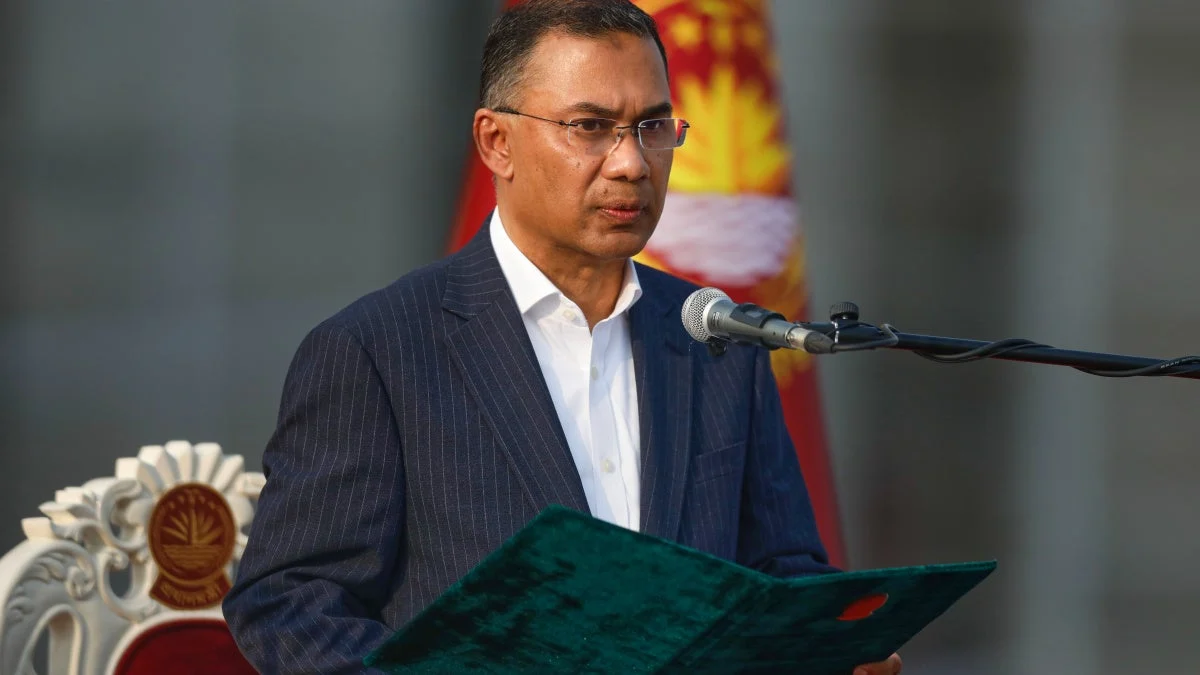
Following a landslide victory in the February 2026 general elections, Bangladesh’s newly elected Prime Minister, Tarique Rahman, and his Bangladesh Nationalist Party (BNP) administration have been presented with a comprehensive roadmap for human rights reform by a coalition of nine international and regional rights organizations. In a formal letter published today, groups including Human Rights Watch (HRW) and Amnesty International urged the new government to seize this historic moment to dismantle the structures of authoritarianism and establish lasting protections for fundamental freedoms. The letter arrives as the nation attempts to stabilize after nearly two years of political transition, which began with the dramatic collapse of the Sheikh Hasina administration in 2024.
The election of Tarique Rahman, who returned to the forefront of Bangladeshi politics after years of exile in London, marks a definitive shift in the country’s political landscape. However, rights advocates warn that the transition from an autocratic system to a functional democracy requires more than just an electoral mandate. The coalition of rights groups emphasized that the Rahman administration must address the legacy of "enforced disappearances" and "extra-judicial killings" that characterized the previous 15 years of rule, while simultaneously curbing the mob violence and arbitrary detentions that persisted during the interim period.
A Mandate Born of Revolution and Transition
The political environment leading to the 2026 election was shaped by the "Monsoon Revolution" of August 2024, a student-led mass uprising that toppled the long-standing government of Sheikh Hasina. Following her departure, an interim government was tasked with overseeing state repairs and organizing a free and fair election. While the interim period saw a significant reduction in state-sponsored disappearances, it was marred by challenges in maintaining public order.
According to the letter sent to Prime Minister Rahman, the interim government struggled to contain a surge in mob justice directed at journalists, cultural figures, and members of religious minorities. The rights groups noted that while the systemic abuses of the Hasina era had largely ceased, the failure to protect vulnerable groups during the transition created a vacuum of accountability.
Meenakshi Ganguly, Deputy Asia Director at Human Rights Watch, underscored the weight of the new Prime Minister’s responsibility. "Tarique Rahman has been given a wide mandate to bring change, including by many Bangladeshis who risked their lives to overthrow an autocratic government," Ganguly stated. She emphasized that success for the BNP government would be measured by its ability to build independent institutions capable of delivering justice, regardless of political affiliation.
Chronology of the Political Shift (2024–2026)
To understand the urgency of the rights groups’ demands, it is necessary to examine the timeline of Bangladesh’s recent political upheaval:
- July–August 2024: Student protests against the civil service quota system escalate into a nationwide movement against the Awami League government. Hundreds of protesters are killed in a violent crackdown.
- August 5, 2024: Prime Minister Sheikh Hasina resigns and flees the country. An interim government, supported by the military and civil society, takes the helm.
- 2025: The interim government initiates commissions to investigate enforced disappearances and corruption but faces criticism for failing to prevent retaliatory violence against Awami League supporters and religious minorities.
- February 2026: Bangladesh holds its first general election in over a decade that is widely recognized as competitive. The BNP, led by Tarique Rahman, secures a landslide victory.
- March 2026: Rights groups issue a joint letter to the new Prime Minister, outlining a policy framework for human rights and the rule of law.
Priorities for Reform: Dismantling the Machinery of Repression
The joint letter identifies several critical areas where immediate legislative and policy action is required. Chief among these is the formal abolition of the Rapid Action Battalion (RAB). For years, the RAB—an elite paramilitary unit—has been accused of being a "death squad" responsible for hundreds of extrajudicial killings and cases of torture. Despite international sanctions, including those imposed by the United States in 2021, the unit remained operational under previous administrations. The rights groups argue that its disbandment is a prerequisite for restoring public trust in law enforcement.
Furthermore, the coalition called for a comprehensive investigation into the "Aynaghor" (House of Mirrors)—the secret detention centers allegedly used by military intelligence during the Hasina era. While some victims were released following the 2024 uprising, the groups insist that a full accounting of those still missing is essential for national healing.
The letter also emphasizes the need to reform the National Human Rights Commission (NHRC). Historically viewed as a toothless body that avoided criticizing the government, the groups recommend that the NHRC be granted full independence, a robust budget, and the legal authority to investigate abuses committed by the security forces.
Protecting Religious Minorities and Freedom of Expression
A significant portion of the appeal focuses on the protection of religious and ethnic minorities. Bangladesh, a Muslim-majority nation, has seen periodic waves of violence against Hindu, Buddhist, and Christian communities. During the 2024–2026 transition, these communities often became targets of political and sectarian aggression.
The rights groups urged Prime Minister Rahman to:
- Enact a Minority Protection Act: This would provide specific legal safeguards for the rights and property of minority communities.
- Prosecute Mob Violence: Ensure that those responsible for attacks on cultural centers, temples, and secular activists are brought to justice through the formal legal system rather than through vigilante actions.
- Repeal Repressive Laws: The groups highlighted the need to permanently repeal or drastically amend laws like the Cyber Security Act (formerly the Digital Security Act), which has been used to silence journalists and dissenters under the guise of national security.
The Rohingya Refugee Crisis: A Humanitarian Obligation
Bangladesh currently hosts over 1.1 million Rohingya refugees who fled genocide in neighboring Myanmar. The letter reminds the Rahman government that the eyes of the international community remain on Cox’s Bazar. While the country has been praised for its initial generosity, the situation in the camps has deteriorated due to rising insecurity and declining international aid.
The rights groups recommended that the new government grant Rohingya refugees better access to education and livelihoods, which would reduce their dependence on dwindling humanitarian aid and mitigate the influence of criminal gangs within the camps. They also called for a transparent process regarding any future repatriation efforts, ensuring they are voluntary, safe, and dignified.
Economic Rights and Social Safety Nets
During the 2026 election campaign, the BNP campaigned heavily on a platform of "Economic Justice." The party promised to redirect state resources toward health, education, and environmental protection. The rights groups’ letter holds the government to these promises, noting that human rights are not limited to civil and political liberties but also encompass the right to a dignified standard of living.
Data from the World Bank and IMF suggest that Bangladesh’s economy is in a delicate recovery phase. Inflation and external debt remain significant hurdles. The rights coalition argues that by strengthening social security nets and ensuring that healthcare and education are accessible to the most marginalized, the Rahman government can fulfill its mandate to the working-class citizens who were the backbone of the 2024 protests.
International Reactions and Analytical Outlook
The international community has reacted with cautious optimism to the election of Tarique Rahman. Diplomatic sources in Dhaka suggest that Western nations are prepared to increase development assistance and trade preferences if the new government demonstrates a tangible commitment to human rights.
Analysis from regional experts suggests that the Rahman administration faces a "double-edged sword." On one hand, the landslide victory provides the political capital needed to enact sweeping reforms. On the other hand, the high expectations of a populace that has endured years of repression could lead to instability if results are not delivered quickly.
"The transition from a protest-driven movement to a governing body is always fraught with difficulty," said an analyst specializing in South Asian politics. "Tarique Rahman must balance the demands of his party base with the requirements of international law. The joint letter from these nine rights groups serves as a reminder that the world is watching to see if Bangladesh will truly turn the page on its autocratic past."
The letter concluded with a call for the government to engage in a continuous dialogue with civil society. By including activists, lawyers, and victims of past abuses in the policy-making process, the rights groups believe the BNP government can create a "new social contract" for Bangladesh—one where the rule of law is paramount and no individual, regardless of their status, is above the law.
As Prime Minister Rahman begins his term, the recommendations laid out by Human Rights Watch and its partners provide a clear metric for his success. For a nation that has seen so much turmoil, the hope is that this new era will be defined not by the consolidation of power, but by the expansion of liberty.

Related Posts

Human Rights Watch Calls for Investigation into Death of Detainee Following Removal from Najaf Hospital by Iraqi Drug Police
Human Rights Watch Urges UN Security Council to Extend Lebanon Peacekeeping Mission Amid Escalating Conflict and Humanitarian Crisis