Hong Kong’s Largest International School Group Proposes Tuition Fee Hikes, Citing Investment Needs
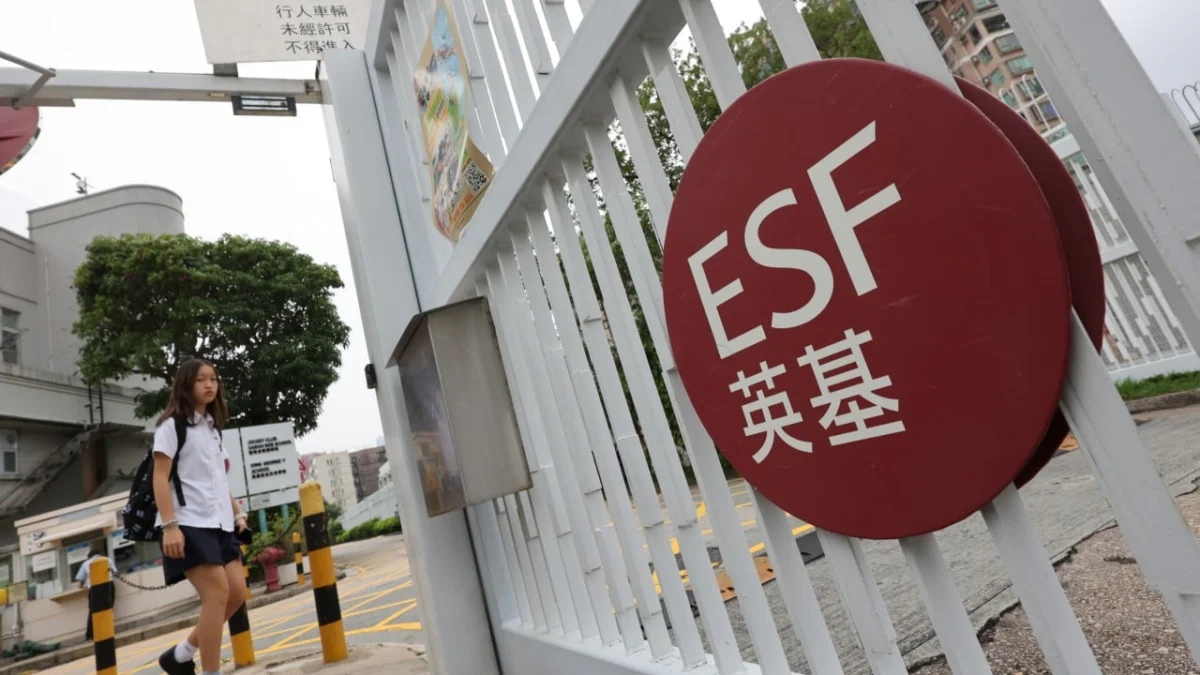
Hong Kong’s largest international school group, the English Schools Foundation (ESF), is planning to implement an average tuition fee increase of approximately 4.1 per cent across most of its primary and secondary divisions for the upcoming academic year, a move that requires official approval. For parents with children enrolled in ESF kindergartens, the proposed fee adjustment is steeper, with a projected increase of 5.8 per cent.
This proposed rise in educational costs comes amidst a backdrop of evolving economic conditions and ongoing investment demands within Hong Kong’s competitive international education sector. The ESF, a non-profit organization, operates a significant network of schools, catering to a substantial portion of the expatriate and local families seeking international curricula. The foundation’s leadership has articulated that these adjustments are essential for maintaining and enhancing the quality of education, investing in technological advancements, and crucially, supporting its teaching staff.
Kindergarten Fees Face Highest Percentage Increase
While the general primary and secondary school fee increases are set to average 4.1 per cent, kindergarten fees are slated for a more substantial rise of 5.8 per cent. This specific adjustment highlights the foundation’s strategic allocation of resources and potentially reflects the unique operational costs associated with early childhood education. For parents with children attending ESF kindergartens, this means a more pronounced impact on their household budgets.
At Discovery College, one of the ESF’s private independent schools located in Discovery Bay on Lantau Island, secondary school parents are anticipating the largest absolute increase in monthly fees. The proposed hike would add HK$1,030 (approximately US$131) to their monthly tuition payments. This figure represents the most significant monetary increase across all ESF institutions, underscoring the varying financial implications for families depending on the specific school and educational level their children attend within the foundation.
Foundation’s Rationale: Maintaining Quality and Investing in the Future
Belinda Greer, the Chief Executive Officer of the ESF, communicated the rationale behind the proposed fee adjustments in a letter addressed to parents. She emphasized that the average 4.1 per cent increase is a strategic measure designed to ensure the continued delivery of high-quality education. Greer stated, "To continue investing in our schools, our growing technology needs, and – most importantly – the exceptional teachers who inspire your children every day, the board has approved an average fee increase of 4.1 per cent." This statement underscores a commitment to holistic improvement, encompassing infrastructure, pedagogical tools, and human capital.
The ESF’s approach to fee adjustments is not new, and the proposed figures for the upcoming academic year represent a measured approach compared to recent history. In the past two years, the foundation sought and received approval for larger fee increases. For the 2025 academic year, the ESF had applied for an increase of 4.8 per cent, and for the 2024 academic year, it was 5 per cent. Both of these previous proposals were ultimately approved by the relevant authorities, indicating a pattern of incremental adjustments to meet financial obligations and strategic goals.
Detailed Fee Projections and Specific School Impacts
The proposed fee structure for kindergartens indicates a range of annual tuition fees between HK$107,200 and HK$126,600 for the forthcoming school year. This range reflects variations in program offerings, curriculum structures, and potentially, the specific operational costs of each kindergarten campus.
A concrete example of the impact on families can be observed at the Abacus Kindergarten in Sai Kung, where parents opting for the bilingual stream will see a monthly increase of HK$690. While this figure might appear modest in isolation, when compounded over an academic year, it contributes to the overall financial planning for families. The variation in fee increases, both in percentage and absolute terms, across different ESF schools and educational levels suggests a nuanced approach to financial management, taking into account diverse operational models and parent demographics.
Background Context: The ESF and Hong Kong’s International Education Landscape
The English Schools Foundation was established in 1967 with a mission to provide high-quality international education for the children of expatriates and, increasingly, for local families seeking an international curriculum. It operates 22 schools across Hong Kong, encompassing kindergartens, primary schools, and secondary schools, serving over 14,000 students. The ESF is the largest provider of English-medium international education in Hong Kong, making its financial decisions and fee structures a matter of considerable interest to a significant segment of the community.
Hong Kong’s international school sector is characterized by high demand, driven by the city’s status as a global financial hub and its appeal to multinational corporations and affluent families. This demand, coupled with limited land availability and high operating costs, contributes to the premium pricing of international education in the city. The ESF, while a non-profit entity, operates within this market dynamic and must balance its educational mission with financial sustainability.
Chronology of Fee Adjustments and Approvals
Understanding the recent history of ESF fee adjustments provides valuable context for the current proposal:
- 2024 Academic Year: The ESF sought and received approval for a 5 per cent increase in tuition fees. This adjustment followed a period of significant investment in school infrastructure and technology.
- 2025 Academic Year: The foundation proposed a 4.8 per cent fee increase, which was also subsequently approved by the authorities. This indicated a consistent strategy of modest annual adjustments.
- Upcoming Academic Year (2026): The current proposal outlines an average increase of 4.1 per cent for primary and secondary divisions and 5.8 per cent for kindergartens. This represents a slight moderation in the overall percentage increase compared to the immediately preceding years, though the kindergarten sector sees a more pronounced rise.
The approval process for these fee increases typically involves submissions to relevant government bodies in Hong Kong, which scrutinize the proposals to ensure they are reasonable and aligned with the foundation’s operational needs and its non-profit status. The specific authorities involved may include education bureaus or other regulatory agencies responsible for overseeing educational institutions.
Supporting Data: Investment in Education and Operational Costs
The ESF’s justification for fee increases is rooted in its ongoing commitment to investing in educational resources. While specific budgetary breakdowns are proprietary, general trends in international education funding highlight key areas of expenditure:
- Technology Integration: The increasing reliance on digital learning platforms, educational software, and advanced technological infrastructure requires continuous investment. This includes hardware upgrades, software licenses, and professional development for teachers to effectively utilize these tools. The ESF’s mention of "growing technology needs" points to this significant area of expenditure.
- Teacher Salaries and Professional Development: Attracting and retaining high-caliber educators is paramount to maintaining teaching quality. Competitive salaries, benefits, and ongoing professional development programs are crucial for teacher satisfaction and effectiveness. The ESF’s explicit mention of "exceptional teachers" suggests that remuneration and training are significant components of their operational budget.
- Curriculum Development and Enhancement: International curricula are dynamic and require regular review and enhancement to remain relevant and effective. This can involve the development of new programs, the integration of interdisciplinary approaches, and the adoption of innovative pedagogical strategies.
- Infrastructure Maintenance and Upgrades: Maintaining and upgrading school facilities, including classrooms, laboratories, libraries, and recreational areas, is an ongoing cost. This ensures a safe, conducive, and modern learning environment for students.
The ESF, as a large non-profit organization, operates on a model where tuition fees are the primary source of revenue. Unlike for-profit schools that may have shareholders to satisfy, the ESF’s surpluses are reinvested into the schools to improve educational outcomes. This necessitates a careful balance between fee levels and the financial capacity of the parent community.
Broader Impact and Implications
The proposed fee increases by the ESF have several potential implications for families and the wider Hong Kong education landscape:
- Financial Strain on Families: For many families, particularly those with multiple children attending ESF schools, even modest percentage increases can represent a significant financial burden. This may lead some parents to re-evaluate their educational choices or to adjust their household budgets accordingly.
- Affordability and Accessibility: While the ESF aims to provide high-quality education, rising costs can impact the accessibility of international schooling for a broader segment of the expatriate and local population. This could lead to increased demand for more affordable educational alternatives.
- Competitive Landscape: The ESF’s fee adjustments are closely watched by other international schools in Hong Kong. These moves can influence the pricing strategies of competing institutions, potentially leading to a general upward trend in international school fees across the city.
- Parental Engagement and Feedback: The ESF’s communication with parents, as evidenced by CEO Belinda Greer’s letter, highlights the importance of transparency and dialogue. The foundation’s ability to effectively communicate the rationale behind fee increases and to address parental concerns will be crucial for maintaining strong relationships with its community. Negative reactions from parents could potentially lead to increased advocacy for greater transparency or alternative educational models.
- Government Oversight: The need for regulatory approval underscores the government’s role in overseeing the education sector, particularly concerning fee structures that affect a large number of residents. This oversight aims to ensure that fee increases are justified and that schools remain financially sound without unduly burdening families.
The ESF’s proposed tuition fee adjustments are a complex issue reflecting the intricate balance between maintaining educational excellence, investing in future growth, and managing the financial realities of operating a large international school network in a high-cost urban environment like Hong Kong. The coming months will reveal the final approved figures and the subsequent impact on the thousands of families who rely on the ESF for their children’s education.