Hong Kong Stock Exchange Aims for T+1 Settlement by Q4 2027
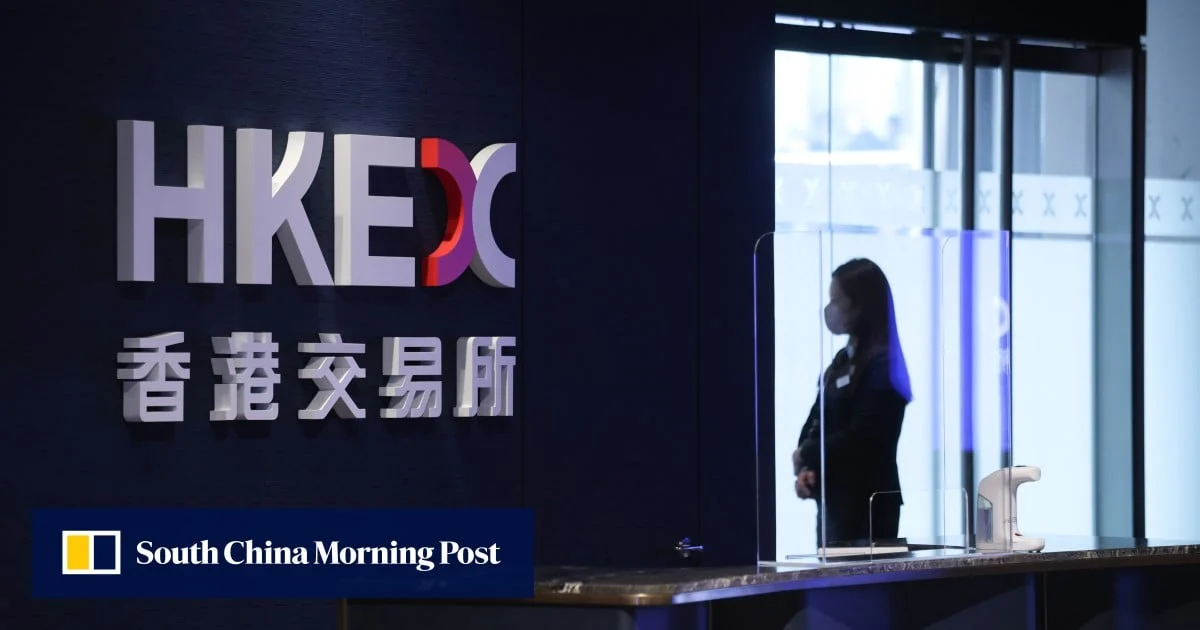
Hong Kong’s bourse operator has announced its intention to transition to a T+1 settlement cycle, a move that would significantly accelerate the speed at which trades are finalized. This proposed shift, detailed in a consultation paper released on Friday, aims to implement the T+1 system – where transactions are settled one business day after they occur – in the fourth quarter of 2027, replacing the current T+2 cycle. If adopted, this streamlined process will encompass a wide array of financial instruments traded on the exchange, including equities, exchange-traded products, structured products, real estate investment trusts, and listed debt securities. Furthermore, the T+1 cycle will extend to the physical settlement of equities arising from the exercise of stock options, reflecting a comprehensive modernization of trading settlement procedures.
Strategic Pivot Towards Enhanced Market Competitiveness
The decision to move towards a T+1 settlement system is being heralded as a pivotal development for the Hong Kong financial market, designed to bolster its global standing and operational efficiency. HKEX Chief Executive Bonnie Chan Yiting emphasized the strategic importance of this transition in a statement, articulating that it is "a key step forward as we further elevate the competitiveness of Hong Kong’s markets – making transactions safer, faster, and more robust, while laying the foundation for more infrastructure enhancements and innovations." Chan’s remarks underscored the exchange’s commitment to modernizing its infrastructure to meet evolving global standards and to foster a more dynamic trading environment. The call for industry feedback highlights a collaborative approach to this significant undertaking, with the exchange actively seeking input from market participants to ensure a smooth and effective transition.
A Deliberate Path to Modernization: Chronology of the T+1 Initiative
The formal announcement of the T+1 target date follows a period of active consideration and strategic planning. The proposal, now open for a four-week consultation ending on May 18, was first publicly flagged by Financial Secretary Paul Chan Mo-po in his budget speech in February. This budget address provided a clear signal of the government’s support for modernizing the exchange’s operational framework. Prior to the budget announcement, HKEX had initially floated the idea of a shorter settlement cycle in July of the previous year. However, at that initial stage, a specific timeline for implementation was not provided, leaving the industry to anticipate the exact timeframe. The current consultation paper, therefore, marks a significant step forward in providing concrete plans and a definitive target for the T+1 adoption.
The journey towards this proposed change can be traced back to broader global trends in market infrastructure. As major financial markets increasingly adopt or consider faster settlement cycles, Hong Kong’s proactive approach aims to maintain its position as a leading international financial center. The exchange’s commitment to a T+1 system reflects a strategic alignment with global best practices, ensuring that Hong Kong remains competitive in attracting international capital and facilitating efficient trading operations.
Aligning with Global Standards and Driving Efficiency
The adoption of a T+1 settlement cycle will bring Hong Kong’s substantial US$7.5 trillion market into closer alignment with several of its international peers. This harmonization is crucial for reducing cross-border complexities and enhancing the attractiveness of Hong Kong as a venue for international investment. Notably, the United States and Canada successfully transitioned to a T+1 settlement system in May 2024, a move that has been closely observed by other financial centers. In parallel, the United Kingdom and Europe are actively exploring similar transitions, indicating a widespread global shift towards faster settlement. Mainland China, a significant market and a key component of Hong Kong’s connectivity, has long operated under a T+1 cycle, further underscoring the regional trend.
The implications of a T+1 system are multifaceted. From an operational perspective, it promises to reduce settlement risk by shortening the period during which market participants are exposed to potential counterparty defaults. This reduction in risk can lead to greater market stability. Furthermore, faster settlement can improve capital efficiency, as funds and securities are freed up more quickly, allowing for their redeployment in other investments or operational needs. This enhanced liquidity and reduced risk profile are expected to contribute to a more robust and dynamic marketplace.
Broader Market Implications and Expert Perspectives
The transition to T+1 is anticipated to have a profound impact on various aspects of the financial ecosystem in Hong Kong. For investors, the accelerated settlement cycle means quicker access to funds from sales and a faster realization of investment gains or losses. This can lead to more agile portfolio management and potentially increased trading activity.
For market intermediaries, including brokers, custodians, and clearing houses, the shift necessitates significant operational adjustments. Systems will need to be updated to accommodate the faster settlement timelines, requiring robust technological infrastructure and efficient operational processes. The industry will need to ensure that their back-office operations, risk management frameworks, and communication protocols are fully optimized for the T+1 environment. This could involve investments in technology, training, and process re-engineering.
The move also has implications for the broader financial infrastructure. While HKEX has emphasized that this is a foundational step for future enhancements, the T+1 transition itself will likely spur further innovation in areas such as collateral management, margin requirements, and post-trade processing. The exchange’s stated goal of laying the groundwork for "more infrastructure enhancements and innovations" suggests a long-term vision for evolving its market capabilities.
Industry associations and financial institutions are expected to play a crucial role in the consultation process. Their feedback will be vital in identifying potential challenges and developing practical solutions to ensure a seamless transition. Preparations for T+1 will likely involve extensive testing, scenario planning, and close collaboration between HKEX and its market participants.
A Commitment to a Stronger, More Vibrant Marketplace
The HKEX’s ambition to move to a T+1 settlement cycle by the fourth quarter of 2027 represents a strategic and forward-looking initiative. By aligning with global best practices and investing in its market infrastructure, Hong Kong aims to reinforce its position as a premier international financial center. The accelerated settlement process is poised to enhance market efficiency, reduce risk, and foster greater capital mobility, ultimately contributing to a more robust and vibrant trading environment for all participants. The success of this transition will hinge on effective collaboration between the exchange and the industry, ensuring that all stakeholders are well-prepared for this significant operational upgrade. The commitment to "making transactions safer, faster, and more robust" signals a clear intent to continuously improve the Hong Kong market’s competitive edge in the global financial landscape.