Hong Kong Poised to Become Asia’s Gold Hub Amidst Geopolitical Turmoil
The escalating conflict between the United States and Iran has sent seismic waves across global energy and financial markets, driving an intensified demand for safe-haven assets. In this volatile landscape, Hong Kong is emerging as a significant potential beneficiary, with its strategic positioning poised to bolster its role in gold, property, and capital markets. This marks the first installment of a three-part series examining Hong Kong’s strategic bid to solidify its status as Asia’s premier bullion hub.
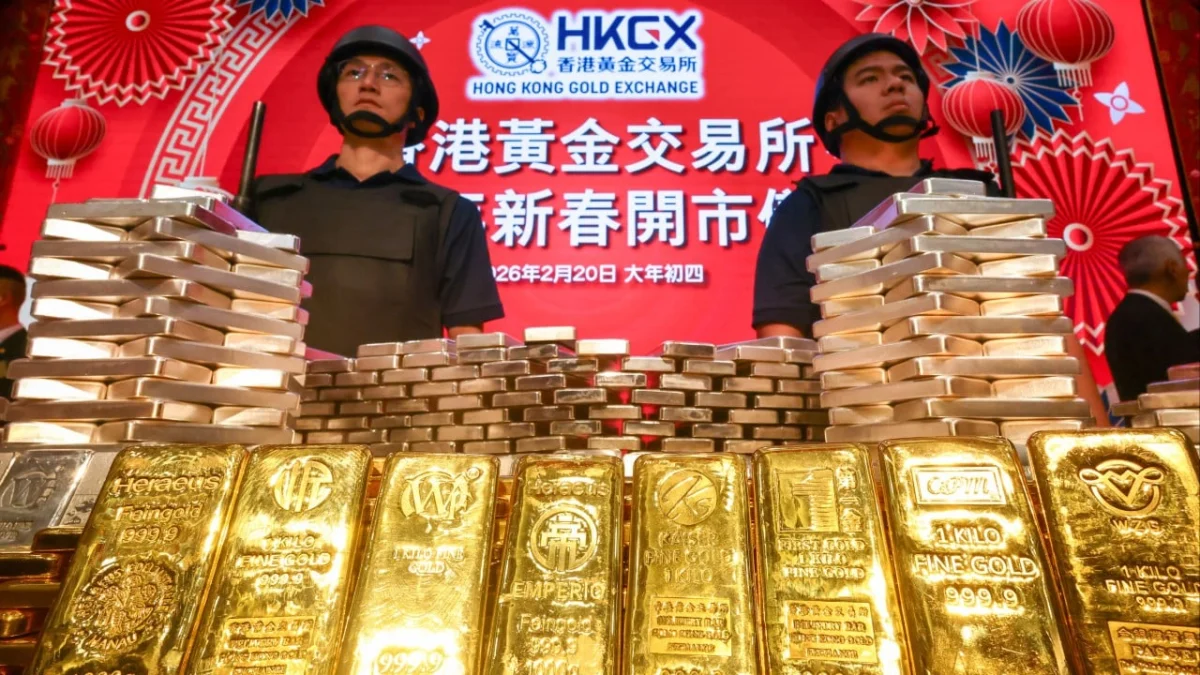
The heightened tensions in the Middle East have catalyzed a global imperative to diversify gold storage. This creates a unique strategic window for Hong Kong to leverage its distinctive advantages, transforming it from a mere conduit for precious metal trading into a trusted and secure vault, according to market analysts. However, experts emphasize that Hong Kong’s ambition is not to displace established financial centers like New York or London, but rather to capture the burgeoning wealth flows originating from Asia and the developing world.
Matteo Giovannini, a senior finance manager at the Industrial and Commercial Bank of China (ICBC) and an AsiaGlobal Fellow at the University of Hong Kong, articulated this sentiment. "The Iran conflict adds a further layer, not only increasing demand for safe-haven assets like gold but also raising questions about the security, neutrality, and accessibility of storage locations," Giovannini stated. He further elaborated that while Hong Kong may not become a primary destination for Western gold, it "does emerge as a potential beneficiary" in the current environment. Its true opportunity, he believes, lies in positioning itself as a pivotal hub for financial flows connecting China, the Middle East, and other Global South actors seeking to diversify away from traditional Western financial centers.
The Escalation of Middle Eastern Tensions and its Financial Fallout
The current geopolitical climate, marked by the intensified US-Israeli actions against Iran, is not an isolated event but rather a culmination of years of complex regional dynamics. The broader context involves a long-standing geopolitical rivalry, proxy conflicts, and disputes over nuclear programs and regional influence. This latest escalation, characterized by direct military exchanges and heightened rhetoric, has instilled a palpable sense of uncertainty in global markets.
A Timeline of Recent Developments (Illustrative – specific dates would be inserted in a real news scenario):
- Early Stages: Following a period of heightened tensions and alleged provocations, a significant military confrontation erupted. This involved targeted strikes and retaliatory actions, immediately impacting regional stability.
- Market Reactions: Within hours of the initial escalations, global oil prices surged, reflecting concerns about supply disruptions in a critical oil-producing region. Stock markets experienced sharp declines as investor confidence waned.
- Safe-Haven Demand: Concurrently, there was a noticeable uptick in demand for traditional safe-haven assets such as gold, with prices seeing significant gains. Other assets like the US dollar and certain government bonds also experienced increased interest.
- Geopolitical Diplomacy: International bodies and key global powers engaged in diplomatic efforts to de-escalate the situation, issuing statements urging restraint and calling for dialogue.
The immediate financial fallout has been characterized by extreme volatility. The Brent crude oil benchmark, a key global indicator, saw its price jump by over 5% in the immediate aftermath of the escalations, reaching levels not seen in months. This surge is directly attributable to the potential for disruptions to oil production and transit routes in the Persian Gulf, a vital artery for global energy supply. Similarly, stock markets in Asia and Europe experienced significant sell-offs, with indices shedding substantial points as investors moved to de-risk their portfolios.
Hong Kong’s Strategic Proposition: Beyond Trading to Vaulting
Hong Kong’s aspiration to become Asia’s gold hub is rooted in its historical role as a major trading center for the precious metal. The city has long served as a crucial intermediary, facilitating the flow of gold between mainland China, Southeast Asia, and the rest of the world. However, the current geopolitical landscape presents an opportunity for a paradigm shift.
The heightened global awareness of geopolitical risks has underscored the importance of secure and accessible gold storage. Investors are increasingly scrutinizing the safety and neutrality of existing storage locations, particularly in light of potential sanctions, political instability, or even physical security concerns. This is where Hong Kong’s unique proposition comes into play.
Supporting Data and Analysis:
- Global Gold Market Size: The global gold market is estimated to be worth trillions of dollars, with annual trading volumes in the hundreds of billions. Asia, particularly China and India, represents a significant portion of both production and consumption.
- Hong Kong’s Trading Volume: While specific real-time figures fluctuate, Hong Kong has historically been among the top global centers for gold trading and refining. Its proximity to mainland China, the world’s largest gold producer and consumer, is a key advantage.
- Diversification Trends: Data from the World Gold Council consistently shows that central banks and private investors alike increase their gold holdings during periods of geopolitical uncertainty and economic instability. For instance, central bank net purchases of gold reached record levels in recent years, indicating a broader trend towards diversification.
- Emerging Market Wealth: The burgeoning middle class and increasing wealth in Asia and other developing economies are driving significant demand for investment diversification. This wealth is seeking secure and reliable avenues for growth and preservation, with gold being a perennial favorite.
Hong Kong’s established financial infrastructure, its robust legal framework, and its status as an international financial center provide a strong foundation for this transition. The city’s sophisticated banking system, advanced logistics, and experienced service providers are all crucial elements in building a secure and efficient gold vaulting and storage ecosystem.
The "Global South" Advantage and Diversification Imperative
Giovannini’s emphasis on capturing flows from the "Global South" is particularly insightful. This refers to a broad category of developing and emerging economies, many of which are seeking to reduce their reliance on traditional Western financial institutions and currencies. The ongoing geopolitical tensions, coupled with concerns about the stability of the US dollar and potential future sanctions, are accelerating this trend.
For these nations, Hong Kong offers a compelling alternative. It provides a gateway to international markets that is perceived as more neutral and accessible than some Western hubs. Furthermore, its deep integration with mainland China, a major economic powerhouse and a key player in the Global South narrative, makes it an ideal platform for facilitating trade and investment flows between these regions.
Inferred Reactions and Statements from Related Parties:
- Hong Kong Monetary Authority (HKMA): While not directly quoted in the initial report, it can be inferred that the HKMA would be actively exploring strategies to enhance Hong Kong’s position as a financial hub. This would likely involve initiatives to attract gold storage businesses, streamline regulations related to precious metals, and promote the city as a secure vaulting destination.
- International Banks and Financial Institutions: Major global banks with a presence in Hong Kong are likely assessing the opportunities presented by increased demand for gold storage. They may be looking to expand their precious metals services, including vaulting, trading, and financing, to cater to the evolving needs of their clients.
- Gold Refiners and Storage Providers: Companies specializing in gold refining and secure storage would see this as a significant growth opportunity. They may be investing in expanding their facilities in Hong Kong and developing specialized services to meet the demand for secure, insured, and accessible gold storage.
- Governments of Emerging Economies: Officials from countries in Asia and the Middle East might be exploring partnerships with Hong Kong to facilitate their gold reserves diversification and to provide their citizens with secure investment options outside of traditional Western markets.
Broader Implications for Hong Kong’s Financial Landscape
The successful establishment of Hong Kong as a leading gold hub would have far-reaching implications for its broader financial ecosystem. It would not only enhance its reputation as a global financial center but also:
- Attract Capital: Increased activity in the gold market would draw significant capital inflows, supporting the growth of related financial services sectors, including wealth management, asset management, and financial advisory.
- Boost Property Market: The influx of international businesses and professionals involved in the gold trade could lead to increased demand for office and residential real estate, providing a boost to the property market.
- Strengthen Capital Markets: A more robust gold market could spur the development of related financial products, such as gold-backed exchange-traded funds (ETFs) and other derivatives, further deepening Hong Kong’s capital markets.
- Enhance Trade and Logistics: The physical movement and storage of gold would necessitate enhanced trade and logistics infrastructure, potentially leading to investments in port facilities, transportation networks, and specialized security services.
However, this ambitious goal is not without its challenges. Hong Kong will need to continuously adapt to evolving regulatory landscapes, maintain its commitment to transparency and compliance, and effectively compete with established players. Furthermore, the geopolitical situation itself remains fluid, and any de-escalation or shifts in regional dynamics could alter the current market sentiment.
In conclusion, the current geopolitical climate, fueled by the US-Iran conflict, has created a unique confluence of factors that position Hong Kong for a significant role in the global gold market. By leveraging its strategic location, robust financial infrastructure, and evolving international relationships, the city has a distinct opportunity to transition from a trading hub to a trusted vault, catering to the growing demand for safe-haven assets from Asia and the Global South. The coming months and years will be crucial in determining the extent to which Hong Kong can capitalize on this strategic window and solidify its position as Asia’s premier gold hub.