Hong Kong Landlords Face Hefty Inspection Fees Under New Pilot Scheme to Combat Persistent Water Seepage
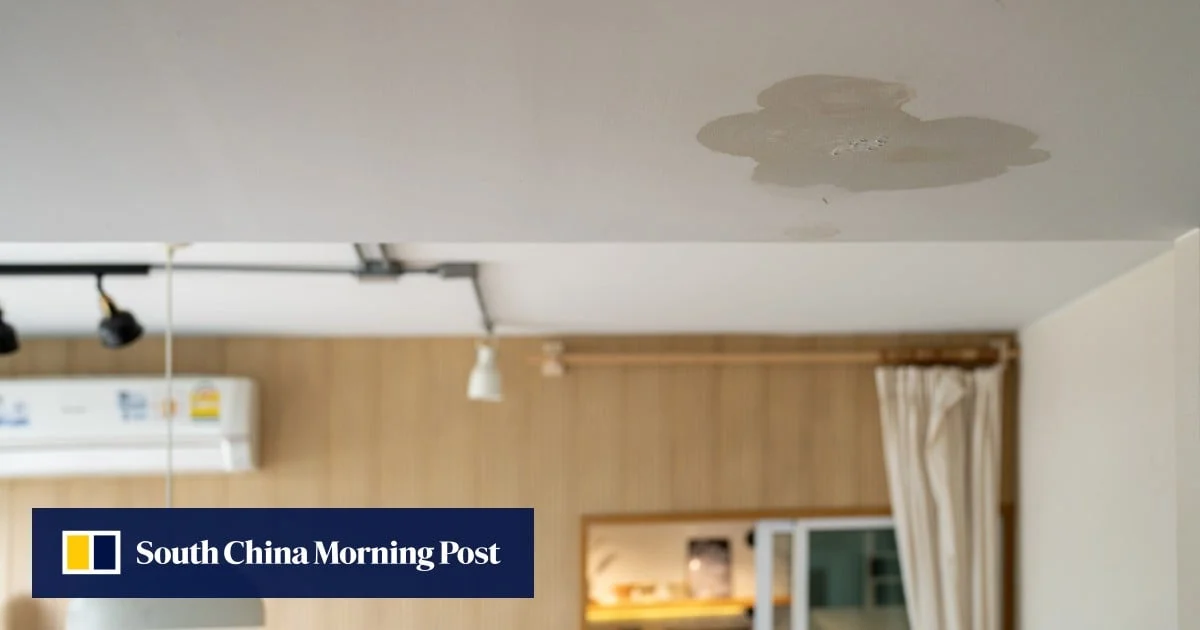
Hong Kong’s persistent battle against water seepage, a pervasive issue plaguing its densely populated urban landscape, is set to intensify with the introduction of a new pilot scheme that places the financial burden of inspections squarely on the shoulders of negligent landlords. Under this initiative, property owners who fail to address water seepage affecting flats below within 28 days of receiving notification will face a minimum inspection bill of HK$17,000 (US$2,170). This decisive move by the government aims to expedite the resolution of these often-frustrating and costly problems by incentivizing proactive property maintenance.
Shifting the Financial Burden: A New Approach to Enforcement
The groundbreaking plan, spearheaded by a joint office comprising the Food and Environmental Hygiene Department (FEHD) and the Buildings Department, represents a significant shift in policy. Historically, the government has absorbed the costs associated with investigating and enforcing water seepage complaints. However, the new scheme effectively transfers this financial responsibility to flat owners who demonstrate inaction. This departure from previous practices is designed to create a stronger incentive for landlords to promptly identify and rectify the sources of water leaks, thereby alleviating the nuisance and potential structural damage experienced by residents in lower units.
The Scale of the Problem: A Widespread Nuisance
Water seepage is a chronic issue in Hong Kong, exacerbated by the city’s aging building stock and high population density. Leaks can originate from various sources, including faulty water pipes, malfunctioning sanitary fitments, or compromised drainage systems. These seemingly minor issues, if left unaddressed, can lead to significant discomfort, property damage, and even potential health hazards due to the proliferation of mold and mildew.
Recent figures underscore the prevalence of this problem. According to a government spokesman, a staggering 99% of confirmed water seepage cases in the past year were traced back to the flat directly above the affected unit. This statistic highlights a clear pattern of responsibility and the need for a more targeted enforcement approach. Consequently, approximately 5,000 nuisance notices were issued last year alone, indicating the sheer volume of complaints and the ongoing challenges in resolving them. The introduction of the pilot scheme is a direct response to the need to streamline these processes and ensure a more efficient resolution for affected residents.
A Mid-Year Launch for Expedited Investigations
Officials announced at a media briefing on Tuesday that the pilot scheme is slated for a mid-year launch. This carefully timed introduction aims to leverage the warmer, drier months for initial inspections and repairs, potentially leading to a more favorable outcome for affected residents before the onset of the rainy season. The primary objective of this trial period is to significantly expedite water seepage investigations, which have often been bogged down by bureaucratic processes and a lack of owner cooperation.
Incentivizing Proactive Ownership: A Key Objective
"The new scheme will provide an incentive for owners to maintain and manage repairs and find the source of water seepage on their own, before there is a need for us [officials] to further intervene," a government spokesman elaborated. This statement encapsulates the core philosophy behind the pilot program. By imposing a financial disincentive for inaction, the government hopes to foster a culture of proactive property management. Landlords are encouraged to conduct their own inspections and undertake necessary repairs, rather than waiting for official intervention, which will now come with a substantial cost.
The joint office, responsible for handling public reports of water seepage, acknowledges that many cases are attributable to straightforward repairs. This suggests that with the right motivation, landlords can effectively resolve these issues without extensive bureaucratic involvement. The HK$17,000 inspection bill serves as a clear signal that procrastination will no longer be a cost-effective strategy for property owners.
Background Context: A Long-Standing Challenge
Hong Kong’s unique urban environment, characterized by a high proportion of older buildings, has made water seepage a persistent concern for decades. Many residential blocks were constructed during periods with less stringent building regulations, and the natural aging process of materials can lead to deterioration and leaks. Furthermore, the rapid pace of urban development and the intensive use of residential spaces can put additional strain on building infrastructure.
Previous government efforts to tackle water seepage have included public education campaigns, the establishment of complaint hotlines, and the issuance of enforcement notices. However, the effectiveness of these measures has been hampered by challenges in identifying responsible parties, lengthy investigation periods, and a reluctance among some owners to incur repair costs. The new pilot scheme represents a more robust and financially impactful approach, aiming to overcome these historical hurdles.
The Mechanics of the Scheme: A Clear Timeline for Action
The pilot scheme operates on a clear, albeit tight, timeline. Upon receiving a complaint about water seepage, the joint office will conduct an initial assessment. If the complaint is deemed valid and the source is identified as originating from an upstairs unit, the owner of that unit will be notified. They will then have a period of 28 days to take remedial action. This action could involve carrying out the necessary repairs themselves or engaging qualified professionals to do so.
Failure to demonstrate satisfactory progress or to complete the repairs within this 28-day window will trigger the mandatory inspection, with the associated costs falling upon the owner. The HK$17,000 is stipulated as a minimum fee, suggesting that more complex investigations or extensive repairs could incur higher charges. This financial penalty is intended to be a significant deterrent to inaction.
Supporting Data and the Importance of Prompt Action
The statistic that 99% of confirmed cases stem from the unit directly above is crucial. It simplifies the process of identifying the source of the problem and places direct responsibility on the upstream owner. This focused approach is expected to reduce the time and resources required for investigations. The 5,000 nuisance notices issued last year represent a significant drain on departmental resources and a source of considerable distress for residents. The pilot scheme aims to reduce both.
Consider the potential consequences of delayed repairs. Minor leaks can escalate into significant structural damage over time. Water ingress can weaken building materials, lead to corrosion of steel reinforcements, and compromise the integrity of the entire structure. Furthermore, persistent dampness creates an ideal environment for mold growth, which can have detrimental effects on respiratory health, exacerbating conditions such as asthma and allergies. For affected residents, the constant dripping, staining, and unpleasant odors can significantly diminish their quality of life and impact the value of their property.
Potential Reactions and Broader Implications
While the government’s intention is to expedite resolutions and promote responsible ownership, the new scheme is likely to elicit varied reactions. Landlords who have historically been lax in maintaining their properties may view the increased financial penalties as an unwelcome burden. However, responsible property owners who already undertake regular maintenance may see the scheme as a fair measure that addresses the issue of negligent neighbors.
From the perspective of affected residents, the scheme is likely to be welcomed as a positive step towards addressing a long-standing nuisance. The prospect of a more streamlined and effective resolution process, coupled with the potential for quicker repairs, will offer much-needed relief.
The broader implications of this pilot scheme are significant. If successful, it could set a precedent for other areas of building management and enforcement in Hong Kong. It underscores a growing trend towards shifting the onus of responsibility onto the individual or entity that creates the problem, rather than relying solely on public resources for resolution. This approach could lead to more efficient resource allocation within government departments and encourage a more proactive and responsible approach to property ownership and management across the city.
The success of the pilot scheme will likely depend on several factors, including the clarity of the notification process, the fairness of the inspection fee structure, and the efficiency of the joint office in managing the investigations and appeals. The government’s commitment to transparent communication and equitable enforcement will be crucial in ensuring the scheme’s acceptance and effectiveness.
Moving Forward: A Test of Proactive Governance
The mid-year launch of this pilot scheme marks a significant development in Hong Kong’s ongoing efforts to address the pervasive issue of water seepage. By directly linking financial consequences to inaction, the government is signaling a firm stance against property neglect. The success of this initiative could pave the way for more proactive and cost-effective solutions to a range of urban living challenges, ultimately contributing to a more comfortable and well-maintained living environment for all Hong Kong residents. The coming months will be a critical period for evaluating the scheme’s impact and its potential to reshape property management practices in the city.