Hong Kong Halts Basketball Betting Plans Amidst Concerns Over Evolving Technology and Regulatory Lag
Hong Kong authorities have announced a significant pause in their plans to introduce basketball betting, a move that observers believe highlights a critical disconnect between rapid technological advancement and the pace of legislative action. The decision, confirmed on Tuesday, comes as the government grapples with the emergence of new, cryptocurrency-based "prediction market" gambling platforms, prompting warnings about the illegality of Hong Kong residents participating in offshore sports betting.
The abrupt halt to what was anticipated to be a controlled expansion of legal gambling in the city has raised questions about the thoroughness of policy development and foresight within the regulatory framework. An amendment bill to the Betting Duty Ordinance, passed in September, had specifically empowered the secretary for home and youth affairs to license a local basketball betting operator. The stated objective of this legislative action was to curb the burgeoning illegal gambling market and channel revenue through regulated channels. However, the swift appearance of innovative, albeit unregulated, digital betting avenues has seemingly outpaced the government’s proactive measures.
A Rapidly Evolving Digital Landscape
The core of the current regulatory challenge lies in the proliferation of "prediction markets." These platforms, often built on blockchain technology and utilizing cryptocurrencies, allow users to trade "shares" or contracts tied to the outcome of specific events. These events can range from political elections to sports competitions, offering a dynamic and often opaque betting environment. The government’s recent announcement explicitly flagged these cryptocurrency-based prediction markets as a growing concern, underscoring the illegality of Hong Kong residents engaging with such platforms for sports betting. This indicates a recognition that the existing legal landscape, designed to govern traditional forms of betting, is struggling to keep pace with the novel mechanisms employed by these new digital ventures.
Chronology of Events and Regulatory Response
The legislative groundwork for introducing basketball betting was laid in September of the previous year with the passing of an amendment to the Betting Duty Ordinance. This amendment was a significant step, signaling the government’s intent to broaden its regulated gambling offerings beyond horse racing and Mark Six lotteries. The amendment specifically granted the Secretary for Home and Youth Affairs the authority to issue licenses for basketball betting, a move widely seen as a strategic effort to combat illegal bookmaking and enhance revenue streams for the government.
The timeline leading up to the recent suspension appears to have been characterized by an initial phase of legislative preparation followed by a rapid, unforeseen technological shift. The emergence of sophisticated prediction market platforms, offering a different paradigm of betting, seems to have caught policymakers by surprise. This has led to the current situation where the established legislative framework is now being reassessed in light of these new digital gambling innovations. The government’s decision to pause the basketball betting plans is a reactive measure, aimed at preventing potential complications arising from the interaction between a newly licensed local operator and the existing, unregulated offshore digital betting landscape.
The Challenge of Technological Disruption
Doreen Kong Yuk-foon, a former lawmaker, articulated a prevailing sentiment among observers, stating, "The development of technology is faster than the pace of legislation. In such a situation, if the government is worried that betting will be easily manipulated by others, halting it is not a bad thing." Her statement underscores a fundamental tension: regulators strive to create stable, predictable frameworks, while technological innovation operates with an inherent dynamism that often defies pre-emptive control.
Ms. Kong further advised that future legislative processes should incorporate predictive analyses of technological advancements. "In future legislative processes, when the government prepares its policy papers, it should include a prediction on [the influence of] technological development, as we do not wish to see such a situation for a second time," she urged. This recommendation points towards a need for more agile and forward-thinking policy formulation, one that anticipates rather than merely reacts to technological shifts. The government’s current predicament serves as a stark reminder that policies enacted today may face unforeseen challenges from the technologies of tomorrow.
Understanding Prediction Markets
The term "prediction market" describes a form of speculative market where participants trade contracts whose payoffs depend on the occurrence of specific events. In the context of gambling, these events are typically binary – a "yes" or "no" outcome. Participants can buy and sell "shares" representing the likelihood of a particular event occurring. For instance, in a sports context, a share might represent a specific team winning a game. If the team wins, the holder of that share profits, while if they lose, the share becomes worthless. The price of these shares fluctuates based on collective belief and trading activity, effectively creating a real-time prediction of the event’s outcome.

These markets leverage the efficiency of crowdsourcing, with the market price theoretically reflecting the aggregate wisdom of its participants. However, when linked to gambling, especially when facilitated by cryptocurrencies, they raise significant regulatory concerns. These include issues of market manipulation, money laundering, consumer protection, and the potential for significant financial losses due to the inherent volatility and speculative nature of such platforms. The anonymity often afforded by cryptocurrency transactions further complicates oversight and enforcement.
Implications for Hong Kong’s Regulatory Future
The suspension of the basketball betting initiative has several significant implications for Hong Kong’s approach to regulating new forms of gambling and emerging technologies.
-
The Need for Agile Regulation: This incident highlights the critical need for Hong Kong’s regulatory bodies to adopt more agile and adaptive strategies. Legislation must be designed with an inherent flexibility to accommodate rapid technological change. This could involve establishing regulatory sandboxes for new technologies, creating dedicated task forces to monitor emerging trends, or adopting a principles-based regulatory approach that focuses on outcomes rather than prescribing specific technologies.
-
Consumer Protection in the Digital Age: The rise of prediction markets, particularly those using cryptocurrencies, poses new challenges for consumer protection. Investors and gamblers may not fully understand the risks involved, the volatility of digital assets, or the potential for fraud. Regulators will need to enhance public education initiatives and develop robust frameworks to safeguard consumers from exploitation in these new digital frontiers.
-
Combating Illegal Gambling: While the government’s intention was to combat illegal gambling, the emergence of sophisticated offshore digital platforms complicates this objective. The challenge now is not only to regulate legal betting channels but also to effectively deter participation in illegal and unregulated online gambling activities. This may require enhanced international cooperation and more sophisticated technological tools for monitoring and enforcement.
-
Economic Considerations: The potential revenue from regulated basketball betting, which was a key driver for the initial legislative push, will now be delayed. This also means that the intended channeling of betting activities away from illegal operators, which could have provided a more secure and taxable environment, has been postponed. The government will need to reassess its strategies for revenue generation and its approach to managing the broader economic landscape of gambling.
-
Reputational Impact: The rapid reversal of policy could have a reputational impact, potentially signaling a lack of preparedness or decisiveness. It is crucial for the government to clearly communicate its rationale and outline its future strategy to maintain public confidence and investor certainty.
Reactions and Official Stance
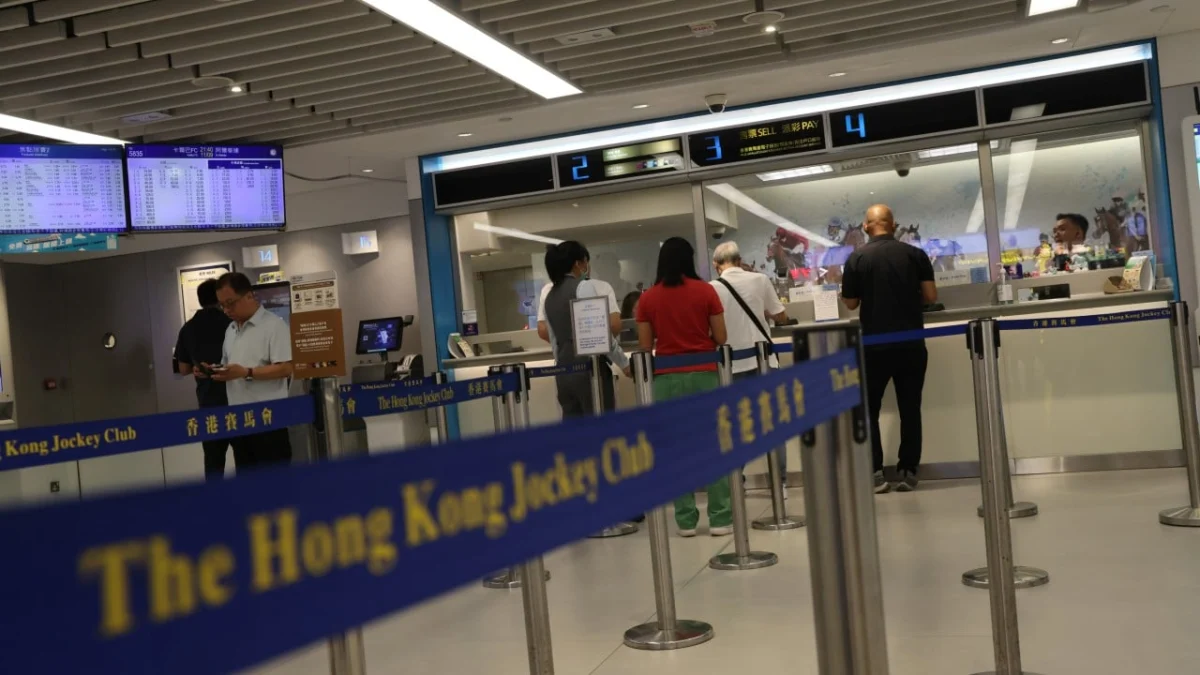
While specific official statements beyond the initial announcement of the pause have been limited, the Hong Kong Jockey Club, a key stakeholder in the city’s betting landscape, has indicated its understanding of the authorities’ decision. A spokesperson stated that the club respects the authorities’ decision and will await further advice regarding its application for a basketball betting license. This response suggests a cooperative approach from established entities, recognizing the complexities introduced by the evolving technological environment.
The government’s immediate focus appears to be on understanding the scope and risks associated with these new prediction market platforms. The warning issued about the illegality of offshore betting on such sites indicates a commitment to upholding existing laws while simultaneously reassessing the broader regulatory strategy. The authorities are likely engaged in intensive research and consultation to develop a comprehensive response that addresses both the immediate concerns and the long-term implications of technological innovation in the gambling sector. This includes exploring how existing legislation can be adapted or new regulations introduced to effectively govern these rapidly evolving forms of betting.
The experience with the basketball betting plans and the subsequent emergence of prediction markets serves as a critical learning moment for Hong Kong’s policymakers. It underscores the imperative for a proactive, technology-aware, and adaptive regulatory framework that can effectively navigate the complexities of the digital age, ensuring both innovation and robust consumer protection. The path forward will require a delicate balance between fostering technological advancement and maintaining a secure and orderly environment for financial and gambling activities.