Hong Kong Authorities Dismantle Illegal Fuel Operations Amidst Soaring Global Oil Prices and Middle Eastern Tensions
Hong Kong authorities have conducted a series of raids on illegal fuelling stations, leading to the arrest of two men and the seizure of over 1,800 litres of petrol, valued at approximately HK$54,000 (US$6,891). This enforcement action comes as global oil prices continue their upward trajectory, exacerbated by escalating geopolitical tensions in the Middle East, which in turn are creating a more lucrative environment for illicit fuel operations within the city. The joint operation, spearheaded by the Fire Services Department and the Customs and Excise Department over the past week, also resulted in the detention of three vehicles and the apprehension of a suspected operator and a customer.
Escalating Incentives for Illegal Fuel Trade
The surge in legitimate fuel costs has directly fuelled the demand for cheaper, untaxed alternatives, creating a fertile ground for criminal enterprises. Chong Sin-han, a senior investigator with the Customs and Excise Department’s revenue crimes investigation bureau, highlighted this dynamic. "Recently, fuel prices in Hong Kong have continued to rise, giving criminals a stronger incentive to profit by selling cheaper untaxed fuel," Chong stated. This economic pressure makes the risks associated with illegal fuel trading appear less daunting to those seeking to exploit market fluctuations for financial gain.
The operation over the past week yielded approximately 1,830 litres of illegal petrol, representing a potential duty loss to the government estimated at HK$11,000. This figure underscores the financial incentive for such illicit activities, as avoiding excise duties significantly reduces the selling price of the fuel.
Chronology of Enforcement Actions
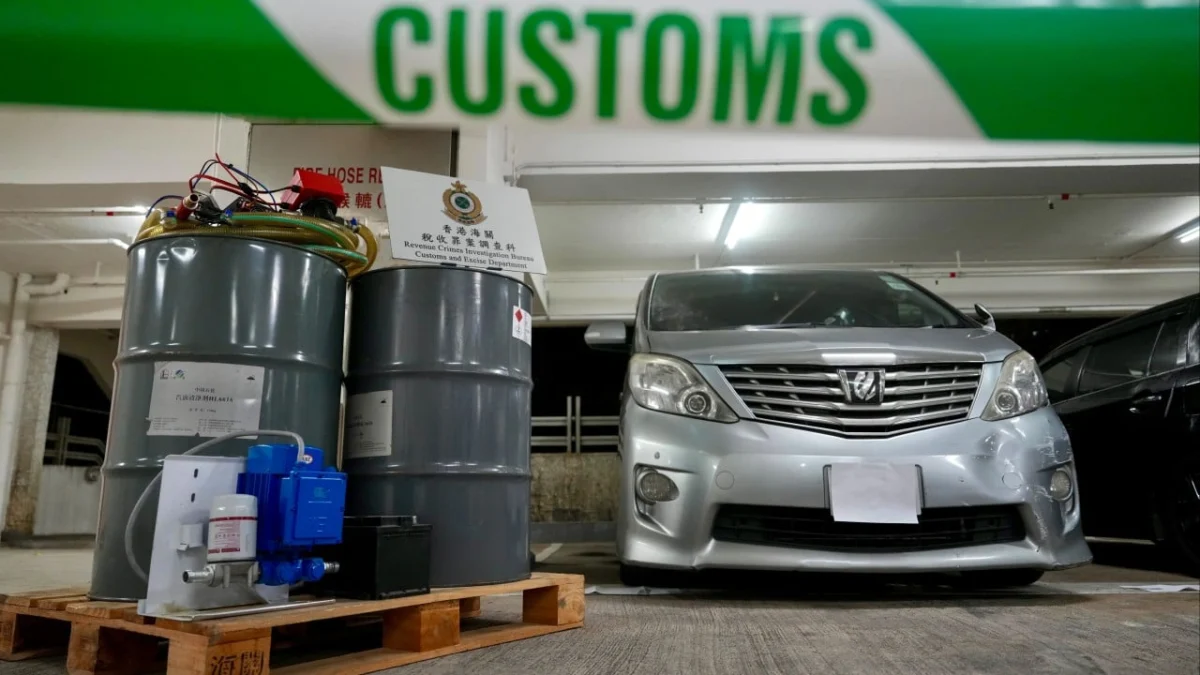
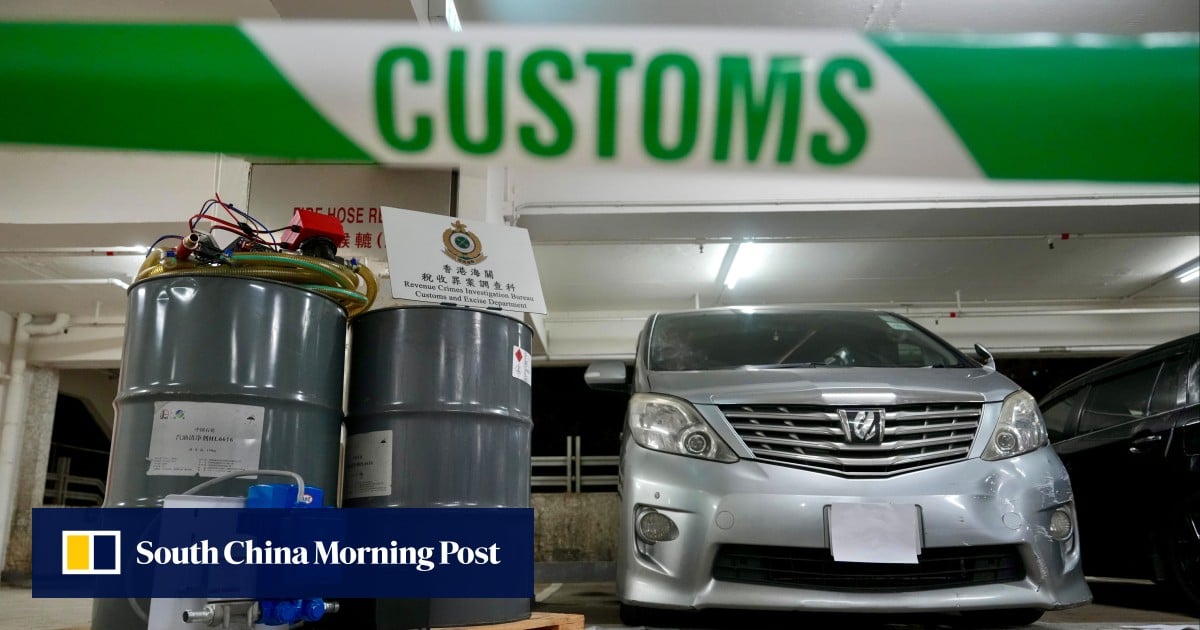
The crackdown involved multiple operations, culminating in a significant raid on Wednesday afternoon. In this latest action, officers targeted an illegal mobile fuelling station operating within a car park at Lok Wah North Estate in Ngau Tau Kok. During this specific raid, approximately 400 litres of illicit petrol were confiscated, along with essential fuelling equipment. Two private cars were also seized, and a 39-year-old individual, suspected to be the operator of the mobile station, was arrested. A 70-year-old driver, believed to be a customer, was also apprehended, and both vehicles were detained as part of the ongoing investigation.
Prior to this, other enforcement actions were undertaken by the joint task force. While specific details of earlier raids were not immediately available, the cumulative seizure of over 1,800 litres of petrol indicates a sustained effort to dismantle these illegal networks. The methods employed by these operators are often sophisticated, adapting to evade detection. This includes the use of mobile units, as demonstrated in the Ngau Tau Kok raid, which allows for quick setup and dismantling, making them harder to track.
Supporting Data and Operational Modus Operandi
The seized petrol represents a tangible measure of the scale of these illegal operations. The market value of HK$54,000 reflects the retail price of legitimate fuel, while the potential duty evaded highlights the direct financial impact on government revenue. The quantity seized, 1,830 litres, is substantial enough to serve a considerable number of vehicles, suggesting these stations are not merely isolated incidents but part of a more organized network.
Intelligence gathered by the authorities suggests that these illegal fuelling stations often operate discreetly, catering to a clientele willing to overlook the risks associated with using untaxed fuel. This clientele may include drivers seeking to cut costs, or even businesses operating fleets where fuel expenses are a significant overhead. The use of modified vehicles, as hinted at by the accompanying image of a truck suspected of carrying black-market fuel, further illustrates the lengths to which these operators will go to transport and distribute their illicit goods. Such modified trucks can potentially carry thousands of litres, facilitating larger-scale distribution and increasing the risk of accidents.
Official Responses and Broader Implications
The coordinated effort between the Fire Services Department and the Customs and Excise Department underscores the seriousness with which authorities are treating this issue. The Fire Services Department plays a crucial role in assessing and mitigating the significant fire and explosion risks associated with the illegal storage and dispensing of flammable liquids. Their involvement ensures that public safety is paramount during these enforcement actions.
Customs and Excise, on the other hand, focuses on the revenue aspect and the broader implications of illicit trade, including the potential for these operations to be linked to other criminal activities. The investigation into the arrested individuals will likely delve into the supply chain of the illicit fuel, aiming to identify the sources and the wider network involved.
The implications of these illegal fuelling stations extend beyond mere tax evasion and public safety concerns. They can also distort the legitimate fuel market, creating unfair competition for licensed petrol stations. Furthermore, the use of substandard or contaminated fuel could potentially damage vehicles, leading to additional costs for consumers.
Geopolitical Context and Global Oil Market Volatility
The timing of these raids is particularly noteworthy, occurring against a backdrop of significant global instability in the oil market. The ongoing conflict in the Middle East has disrupted supply chains and heightened geopolitical risks, leading to substantial increases in crude oil prices. As of recent reports, international benchmarks like Brent crude have seen significant price hikes, directly translating into higher fuel costs at the pump worldwide.
This global volatility creates a dual effect: it increases the profit margins for illegal fuel vendors by widening the price gap between legitimate and illicit fuel, and it also places greater financial strain on ordinary citizens and businesses, potentially increasing demand for cheaper, albeit illegal, alternatives. Hong Kong, as a major international trading hub, is not immune to these global economic forces. The city’s reliance on imported fuel means that international price fluctuations are directly reflected in local pump prices.
Future Outlook and Prevention Strategies
The Hong Kong government’s commitment to tackling illegal fuel trade is evident in these enforcement actions. However, the persistent nature of such activities suggests a need for ongoing vigilance and potentially enhanced preventive strategies. These might include:
- Increased Surveillance and Intelligence Gathering: Proactive monitoring of potential illegal fuelling sites and networks.
- Public Awareness Campaigns: Educating the public about the risks and legal consequences of purchasing and using illicit fuel.
- Technological Solutions: Exploring advanced methods for detecting the illicit storage and transportation of fuel.
- Inter-Agency Cooperation: Strengthening collaboration between all relevant government departments to ensure a comprehensive approach.
The recent raids serve as a strong deterrent and a clear message that Hong Kong authorities are committed to upholding the law and protecting public safety and revenue. As global oil prices remain volatile, the challenge of combating illegal fuel operations is likely to persist, requiring continuous adaptation and robust enforcement efforts from the relevant departments. The ability of these criminal elements to exploit economic pressures underscores the importance of addressing both the symptoms and the root causes of illegal trade.