Formula 1’s Economic Powerhouse: Singapore and Shanghai Pave the Way for Hong Kong’s Ambitions
The electrifying roar of Formula 1 engines is more than just a symphony for motorsport enthusiasts; it is a potent catalyst for economic growth, a fact underscored by the resounding successes of recent Grands Prix in Singapore and Shanghai. These high-octane events have not only captivated hundreds of thousands of spectators but have also generated billions in revenue, revitalized local tourism, and solidified their host cities’ standing as global hubs. As Hong Kong contemplates its own potential foray into the world of Formula 1, it can draw valuable lessons from these precedents, identifying opportunities to leverage the sport’s immense economic and reputational benefits, particularly in conjunction with the development of its ambitious Northern Metropolis project.
Singapore’s Grand Prix: A Masterclass in Economic Synergy
Singapore’s journey with Formula 1 began in 2008, marking a pivotal moment as the first-ever night race in the sport’s storied history. This innovative approach immediately set the Singapore Grand Prix apart, transforming the iconic Marina Bay Street Circuit into a dazzling spectacle under the lights. Since its inception, the event has consistently demonstrated its significant economic prowess. In October last year, the three-day Grand Prix drew an impressive attendance of over 300,000, reaching the second-highest figure in its history. This surge in visitors is a testament to the enduring appeal of Formula 1 and Singapore’s strategic management of the event.
The cumulative economic impact of Singapore’s F1 hosting is staggering. Over the years, the races have attracted more than 720,000 international visitors, directly contributing an estimated S$2.2 billion (approximately US$1.7 billion) in tourism revenue. This figure highlights Formula 1’s role not just as a sporting event, but as a significant driver of the hospitality, retail, and entertainment sectors. The influx of international tourists translates into substantial spending on accommodation, dining, transportation, and local attractions, creating a ripple effect that benefits a wide array of businesses.
Beyond direct tourism revenue, Singapore has masterfully integrated its Formula 1 calendar with other high-profile international events. In 2022, for instance, the F1 weekend coincided with nearly 25 major international conferences, including the prestigious Forbes Global CEO Conference. This strategic pairing attracted approximately 90,000 conference delegates, demonstrating a powerful synergy between the worlds of elite sports and high-level business gatherings. This "sports plus conventions" model has been instrumental in reinforcing Singapore’s reputation as a preeminent global business and MICE (Meetings, Incentives, Conferences, and Exhibitions) destination. By hosting these events concurrently, Singapore maximizes its appeal to a diverse range of international visitors, fostering networking opportunities and business deals that extend far beyond the duration of the races themselves. This approach not only boosts economic gains but also enhances the city-state’s international brand value, attracting further investment and talent.
Shanghai’s F1 Revival: A Testament to Enduring Economic Impact
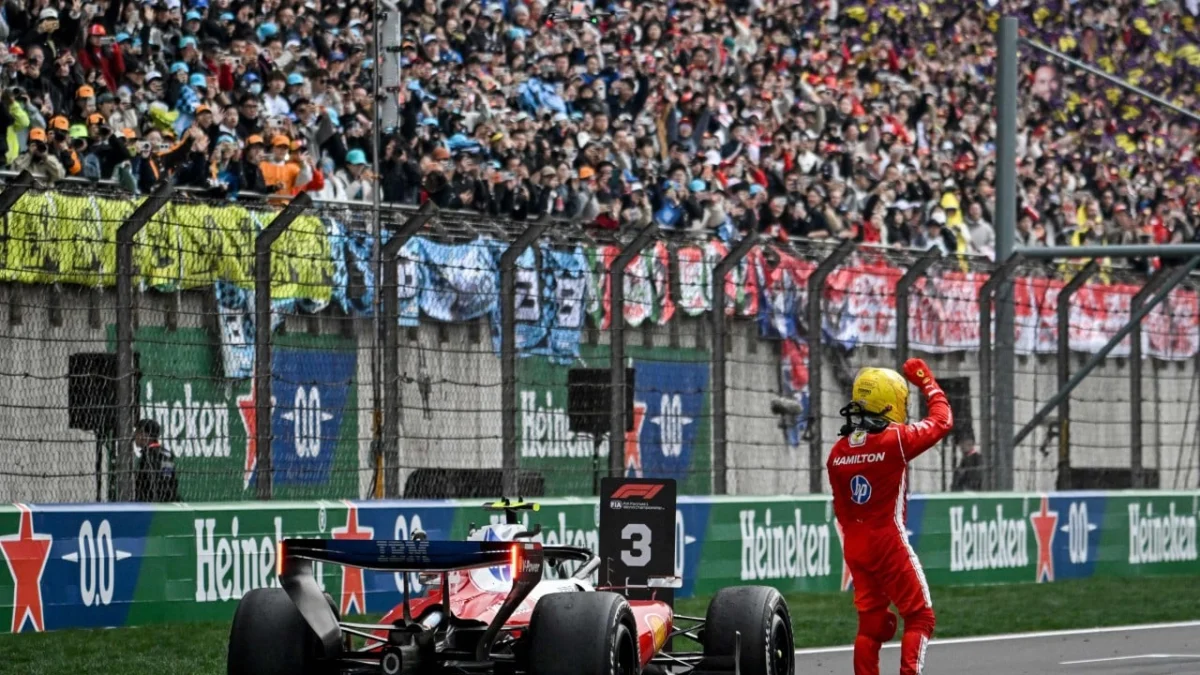
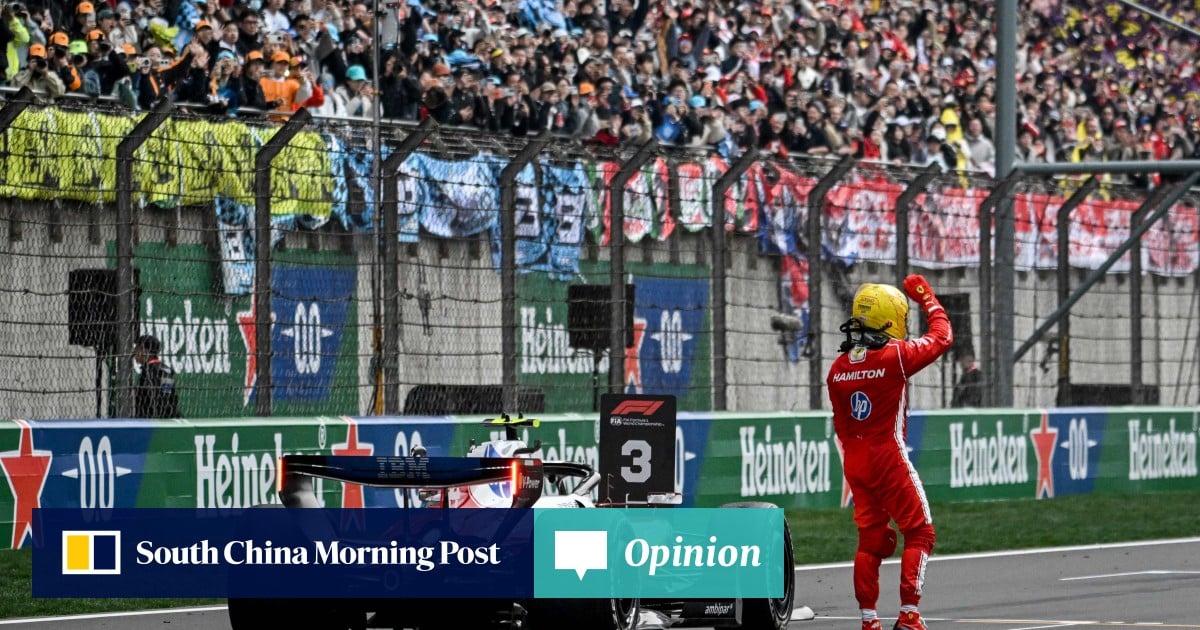
Across the border, Shanghai has also experienced the substantial economic benefits of hosting Formula 1. The return of the Chinese Grand Prix in 2024, after a hiatus, was met with immense enthusiasm, drawing around 200,000 spectators. This resurgence underscored the deep-seated passion for motorsport in China and the sport’s capacity to stimulate economic activity. The 2024 event alone generated an estimated 1.4 billion yuan (approximately US$203.3 million) in direct economic benefits. Furthermore, its overall economic output was estimated to be nearly 4 billion yuan, showcasing the extensive reach of Formula 1’s influence across various industries.
The Shanghai event serves as a potent reminder that Formula 1 continues to act as a long-term economic engine. Its impact reverberates through the tourism sector, bolstering hotel occupancy rates and restaurant revenues. It also stimulates the business and consumer industries, from automotive-related enterprises to merchandise sales and entertainment offerings. The sustained interest in Formula 1 in China, a market with a rapidly growing base of over 200 million motorsport fans, presents a compelling case for its economic viability. Research indicates a significant surge in F1 viewership in China, with nearly 90 million more views recorded in the year preceding the 2024 Shanghai Grand Prix, signaling a growing appetite for the sport. This expanding fanbase translates into increased demand for tickets, hospitality packages, and related merchandise, ensuring a continuous economic boost.
Hong Kong’s F1 Aspirations: Leveraging Opportunity in the Northern Metropolis
Against this backdrop of proven economic success, Hong Kong is increasingly exploring the feasibility of hosting its own Formula 1 Grand Prix. The prospect of introducing F1 to Hong Kong presents a unique opportunity to tap into the massive demand from mainland China’s vast motorsport fan base. Moreover, it could foster a powerful synergy between the city’s existing strengths in sports and convention industries, thereby elevating Hong Kong’s global brand value.
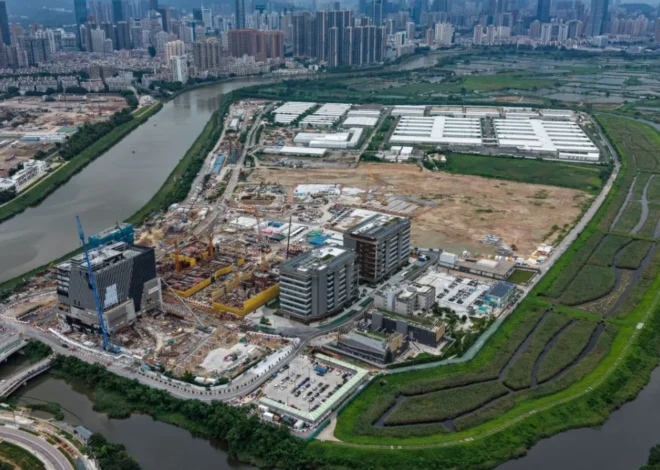
The development of Hong Kong’s Northern Metropolis, a significant urban and economic zone planned for the northern New Territories, offers a potentially ideal canvas for the construction of an F1 circuit. This ambitious project aims to create a vibrant new hub for innovation, commerce, and high-density living, providing the necessary infrastructure and strategic location for a world-class sporting facility. The strategic advantage of the Northern Metropolis lies in its proximity to mainland China, facilitating easier access for a large contingent of potential spectators from across the border.
The technical specifications for an F1 track, as defined by the Fédération Internationale de l’Automobile (FIA), require a circuit length between 3.5km and 7km per lap, with a total race distance of at least 305km. Tracks can be designed as permanent facilities or temporary street circuits. A street circuit in Hong Kong, perhaps weaving through iconic urban landscapes or integrated within the developing infrastructure of the Northern Metropolis, could offer a unique and visually stunning racing experience, mirroring the success of circuits like Monaco or Singapore. The planning and development phases for such a project would necessitate meticulous attention to logistical, environmental, and safety considerations, requiring extensive collaboration between government bodies, motorsport authorities, and private developers.
Economic Projections and Broader Implications
The economic projections for a Hong Kong Formula 1 Grand Prix are substantial. While specific figures are still under consideration, analogous events suggest the potential for significant revenue generation. Based on Singapore’s experience, a successful F1 event in Hong Kong could attract hundreds of thousands of local and international visitors, injecting hundreds of millions, if not billions, of dollars into the local economy. This would encompass direct spending on tickets, accommodation, food and beverage, retail, and transportation, as well as indirect spending through supply chains and job creation.
The indirect economic benefits are equally compelling. Hosting an F1 race would undoubtedly elevate Hong Kong’s global profile, attracting media attention and showcasing its modern infrastructure, vibrant culture, and business-friendly environment. This enhanced international visibility can lead to increased tourism beyond the race weekend, attract foreign investment, and foster a more dynamic business ecosystem. Furthermore, the development of an F1 circuit and associated facilities could spur innovation in construction, engineering, and event management, creating new job opportunities and developing specialized skills within the local workforce.
The "sports plus conventions" model, successfully implemented in Singapore, could be particularly potent in Hong Kong. The city is already a major international hub for finance, technology, and trade, hosting numerous global conferences and exhibitions. Integrating an F1 Grand Prix with these existing MICE events could create a powerful economic synergy, attracting a dual audience of sports enthusiasts and business professionals. This could position Hong Kong as an unparalleled destination for both leisure and business, amplifying its economic impact and reinforcing its status as a leading global city.
Challenges and Strategic Considerations
While the potential benefits are immense, the realization of a Hong Kong Formula 1 Grand Prix would involve significant challenges. The substantial investment required for track construction, event organization, and operational costs would necessitate careful financial planning and robust public-private partnerships. Environmental impact assessments, traffic management, and public transportation logistics would need to be meticulously addressed to ensure the event is sustainable and minimally disruptive to the daily lives of residents.
Furthermore, securing a long-term contract with Formula 1 management, which typically involves significant annual hosting fees, would be a critical step. This would require a clear demonstration of Hong Kong’s commitment and capacity to meet the sport’s exacting standards. The development of the Northern Metropolis provides a unique opportunity to integrate F1 infrastructure into a broader urban development plan, potentially mitigating some of the logistical challenges associated with a temporary street circuit.
However, the long-term strategic advantages of hosting such a prestigious global event are undeniable. Formula 1 is not merely a sporting spectacle; it is a brand, a platform for technological advancement, and a powerful engine for economic development. For Hong Kong, embracing Formula 1 could represent a bold step forward, a strategic investment in its future as a dynamic, globally connected, and economically vibrant metropolis. The experiences of Singapore and Shanghai offer a clear roadmap, demonstrating that with careful planning, strategic execution, and a commitment to innovation, the roar of F1 engines can indeed translate into a powerful economic crescendo for Hong Kong.