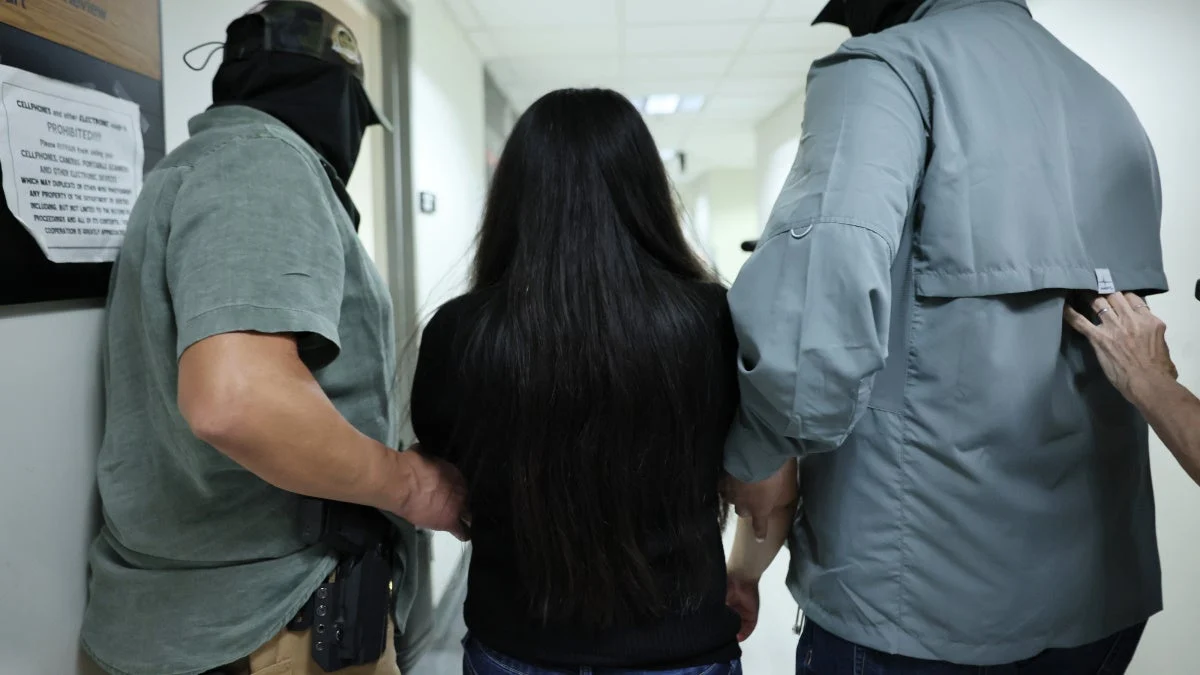
Federal Data Reveals Hundreds of Pregnant and Postpartum Women Deported Amid Intensified Immigration Enforcement Measures
United States Immigration and Customs Enforcement (ICE) deported 363 pregnant, postpartum, or nursing women between January 1, 2025, and February 16, 2026, according to a recent disclosure from the Department of Homeland Security (DHS). The data, released in response to a formal inquiry from U.S. senators led by Senator Patty Murray, provides a rare window into the scale of enforcement actions targeting vulnerable populations during a period of heightened border security and domestic immigration crackdowns. The figures have sparked significant concern among human rights advocates and medical professionals, who argue that the detention and removal of expectant and new mothers carry profound health risks and legal complications.
The DHS response detailed that as of February 16, 2026, 86 individuals identified as pregnant remained in ICE custody. Among these detainees, nine were reported to be in their third trimester, the final and most physically demanding stage of pregnancy. Perhaps most alarming to oversight committees was the revelation that 16 miscarriages were recorded within ICE detention facilities during the 2025 fiscal year through late September. These statistics underscore the mounting human toll of current immigration protocols and have intensified the debate over the ethical and medical propriety of detaining individuals with complex reproductive health needs.
Chronology of the Inquiry and Data Collection
The release of this data follows months of pressure from the Senate. On September 18, 2025, a coalition of senators sent a formal letter to DHS Secretary Kristi Noem, expressing grave concerns regarding the treatment of pregnant, postpartum, and nursing individuals in federal custody. The inquiry was prompted by a series of reports from legal advocates and whistleblowers alleging inadequate medical care, forced separations of nursing mothers from their infants, and a lack of transparency regarding the number of vulnerable women being processed through the system.
The DHS response, finalized in February 2026, acknowledged several gaps in the agency’s data collection efforts. While the department could confirm the number of deportations and current detainees, it admitted that ICE does not consistently track the number of lactating women in its facilities. Furthermore, the agency noted that between January 2025 and February 2026, 498 individuals classified as "pregnant, postpartum, and nursing" were "booked out" of ICE custody. However, the agency could not specify the final outcome for all these individuals—whether they were released into the interior of the U.S. to await court dates, transferred to medical facilities, or removed from the country via different administrative channels.
Medical Risks and Standards of Care in Detention
The detention of pregnant and postpartum individuals is a subject of intense scrutiny by the medical community. The American College of Obstetricians and Gynecologists (ACOG) has repeatedly stated that detaining pregnant women is not only unnecessary for most administrative immigration violations but also poses significant risks to both maternal and fetal health. According to ACOG and other medical bodies, the high-stress environment of a detention center, coupled with potential delays in accessing specialized obstetric care, can exacerbate conditions such as preeclampsia, gestational diabetes, and postpartum depression.
While DHS maintains that its facilities provide access to adequate medical services, including prenatal vitamins, regular check-ups, and emergency care, a growing body of evidence suggests a disconnect between policy and practice. A joint report by Physicians for Human Rights (PHR) and the Women’s Refugee Commission (WRC) highlighted numerous instances where pregnant detainees were denied timely medical intervention. The report detailed cases of women experiencing severe cramping or bleeding who were allegedly told to drink more water or wait several days to see a specialist.
The psychological impact is equally significant. Postpartum women require stable environments to recover from childbirth and to bond with their newborns. The threat of deportation or continued detention during this period can lead to long-term trauma. For nursing mothers, the challenges are compounded; the physiological demand of lactation requires high caloric intake and low stress, neither of which is easily maintained in a custodial setting.
Analysis of Policy Shifts and "Exceptional Circumstances"
The current surge in deportations and detentions of pregnant women marks a shift in how ICE interprets its own internal directives. In July 2021, the Biden administration issued a policy stating that ICE should generally not detain or arrest individuals known to be pregnant, postpartum, or nursing. The directive stipulated that such individuals should only be taken into custody if their release is prohibited by law or if "exceptional circumstances" exist.
However, the 2025-2026 data suggests that the "exceptional circumstances" loophole has become a more frequent justification for detention. DHS officials have pointed to increased border crossings and a backlog in the immigration court system as factors that complicate the release of detainees. Critics argue that the definition of "exceptional" has been broadened to include routine administrative cases, effectively bypassing the humanitarian intent of the 2021 policy.
The use of "rights-respecting alternatives" to detention, such as electronic monitoring or intensive case management, has been proposed by advocates as a more humane and cost-effective solution. These programs allow individuals to reside in their communities while their immigration cases are adjudicated, ensuring they have access to their own medical providers and support networks. Despite the availability of these alternatives, the data indicates a preference for custodial measures under the current enforcement framework.
Stakeholder Reactions and Human Rights Implications
The disclosure has elicited sharp reactions from Capitol Hill and the international human rights community. Senator Patty Murray, a vocal critic of the administration’s handling of vulnerable detainees, characterized the DHS response as "inadequate" and "deeply troubling." In a public statement, Murray emphasized that the lack of clarity regarding the fate of the 498 "booked out" individuals suggests a failure of oversight that puts lives at risk.
"The fact that the department cannot even account for whether a nursing mother was released to her family or put on a plane to a country she fled in fear is a systemic failure," a spokesperson for a leading immigrant rights organization stated. "We are seeing a disregard for the basic constitutional and human rights that should protect everyone on U.S. soil, regardless of their immigration status."
From a legal perspective, the detention and deportation of these individuals raise questions regarding compliance with international human rights law. The 1951 Refugee Convention and its 1967 Protocol, to which the U.S. is a signatory, prohibit the return of refugees to places where their lives or freedom would be threatened (the principle of non-refoulement). Advocates argue that pregnant women and new mothers, who may be fleeing gender-based violence or lack of medical infrastructure in their home countries, are particularly vulnerable when these protections are ignored.
Broader Impact on Family Unity and Public Health
The implications of these enforcement actions extend beyond the individuals directly affected. The separation of nursing mothers from their infants is a particularly contentious issue. Experts in child development warn that such separations can cause "heartbreakingly disruptive" trauma for infants, affecting their long-term emotional and physical health. When a nursing mother is deported while her child remains in the U.S. (often in the care of a relative or the foster care system), the biological and psychological bond is severed, often with no clear path to reunification.
Furthermore, the "chilling effect" of these policies impacts public health at a broader level. When news of pregnant women being arrested at medical appointments or deported shortly after giving birth spreads through immigrant communities, many individuals become fearful of seeking necessary healthcare. This leads to a decline in prenatal care visits, lower vaccination rates, and untreated medical conditions, which ultimately places a greater burden on the public health system.
Conclusion and Future Outlook
The data provided by DHS for the period between January 2025 and February 2026 serves as a stark reminder of the complexities and human costs inherent in the U.S. immigration system. While the government maintains that enforcement is necessary for national security and the rule of law, the statistics regarding pregnant and postpartum women suggest a need for more nuanced and compassionate protocols.
As the 2026 legislative session continues, members of the Senate have signaled that they will continue to push for more comprehensive data and a re-evaluation of ICE’s detention standards. The goal for advocates remains clear: to ensure that immigration officials fully adhere to U.S. constitutional law and international human rights standards. Without significant policy adjustments and increased transparency, the health and safety of immigrant infants, mothers, and the integrity of the family unit remain under significant threat within the United States. The 16 miscarriages and 363 deportations recorded in just over a year represent more than just numbers; they represent a systemic challenge to the humanitarian values that the U.S. immigration system is legally and ethically bound to uphold.

Related Posts

Human Rights Watch Calls for Investigation into Death of Detainee Following Removal from Najaf Hospital by Iraqi Drug Police

Human Rights Watch Urges UN Security Council to Extend Lebanon Peacekeeping Mission Amid Escalating Conflict and Humanitarian Crisis