
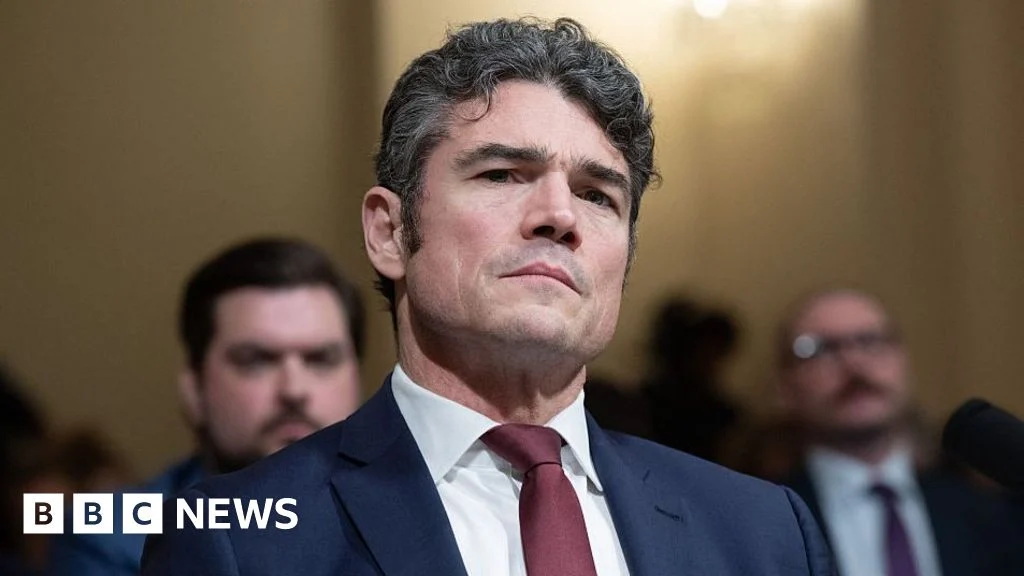
FBI Launches Criminal Probe into Former Counterterrorism Chief Joe Kent Over Alleged Classified Leaks Amid Controversial Iran War Resignation
Washington D.C. – The Federal Bureau of Investigation (FBI) has initiated a criminal investigation into Joe Kent, the former director of the US National Counterterrorism Center (NCTC), over allegations of leaking classified information. The probe, which sources close to the investigation confirm began prior to Kent’s high-profile resignation earlier this week, casts a significant shadow over his departure and the internal dynamics of national security decision-making during the Trump administration. Kent, a long-time supporter of former President Donald Trump and a decorated military veteran, stepped down from his role citing an inability to "in good conscience" support a war with Iran, which he claimed posed "no imminent threat" to the United States. This assertion immediately drew a strong rebuke from the White House, which maintained that President Trump possessed "compelling evidence" of an impending Iranian attack.
The revelations, first reported by CBS News, a BBC partner, indicate that the FBI’s criminal division is meticulously handling the investigation. While specific details regarding the nature and scope of the alleged leaks remain under wraps, the involvement of the FBI’s criminal division underscores the gravity of the accusations. Leaking classified information is a federal offense, often prosecuted under the Espionage Act, carrying severe penalties including lengthy prison sentences and hefty fines. Such investigations are typically exhaustive, involving forensic analysis of digital communications, interviews with personnel, and a thorough review of classified material to identify the source and extent of any unauthorized disclosures. The NCTC, where Kent served as director, is a critical component of the U.S. intelligence community, responsible for integrating and analyzing all intelligence pertaining to terrorism, making any breach of its classified networks or information particularly concerning for national security.
The Controversial Resignation and Its Immediate Aftermath
Kent’s resignation on Tuesday ignited a firestorm of controversy, extending beyond the leak allegations. In his resignation letter addressed to President Trump, Kent explicitly stated his belief that the war in Iran was initiated "due to pressure from Israel and its powerful American lobby." This specific accusation immediately drew condemnation from the Anti-Defamation League (ADL), a prominent US antisemitism monitor, which issued a statement declaring that the claims in Kent’s letter "traffic in old-age antisemitic tropes." The ADL’s response highlighted the historical sensitivity surrounding allegations of a foreign government or lobby unduly influencing U.S. foreign policy, particularly when referencing Israel, which has often been targeted by conspiracy theories rooted in antisemitic stereotypes.
Following his resignation, former deputy White House chief of staff Taylor Budowich quickly weighed in, publicly claiming that Kent was "often at the center of national security leaks" and further alleging that Kent "spent all of his time working to subvert the chain of command and undermine the President of the United States." While Budowich did not provide specific examples or evidence to substantiate these claims, his remarks added fuel to the narrative surrounding Kent’s departure, painting a picture of internal dissent and potential misconduct. These accusations, coupled with the FBI probe, suggest a deeply fractured relationship between Kent and elements within the administration, far beyond a simple policy disagreement.
Geopolitical Context: US-Iran Tensions and Intelligence Assessments
Kent’s resignation and his stated opposition to the war in Iran are inextricably linked to the volatile geopolitical landscape of U.S.-Iran relations during the Trump presidency. Tensions between Washington and Tehran had steadily escalated since the U.S. withdrawal from the Joint Comprehensive Plan of Action (JCPOA), commonly known as the Iran nuclear deal, in May 2018. This withdrawal, a cornerstone of Trump’s foreign policy, was followed by the re-imposition of stringent sanctions on Iran, leading to a series of retaliatory actions and heightened military posturing in the Persian Gulf.
The "imminent threat" justification for military action, which Kent directly challenged, has been a recurring point of contention in U.S. foreign policy debates. Intelligence assessments are typically a complex mosaic of human intelligence, signals intelligence, and open-source information, synthesized to provide policymakers with the most accurate picture of threats. Kent’s assertion that there was "no intelligence" suggesting an imminent "sneak attack" by Iran or that Iran was not on the verge of acquiring a nuclear weapon directly contradicted the public statements made by the White House. This divergence raises critical questions about the intelligence provided to policymakers, how it was interpreted, and whether dissenting views within the intelligence community were adequately considered in the lead-up to military action. Such internal disagreements, when they spill into the public domain, can erode public trust in government transparency and the reliability of official narratives regarding national security threats.
Kent’s Public Defense and Further Allegations
In an interview with right-wing podcaster Tucker Carlson shortly after his resignation, Kent reiterated and expanded upon his contentious claims. Speaking on Wednesday evening, he again asserted that the decision to attack Iran was primarily driven by Israel, emphasizing a lack of credible intelligence to support an imminent threat. Kent told the former Fox News host that there had been "no intelligence" to suggest that Iran was planning a "sneak attack" on the U.S. or that it was close to developing a nuclear weapon – a direct challenge to the official White House narrative.
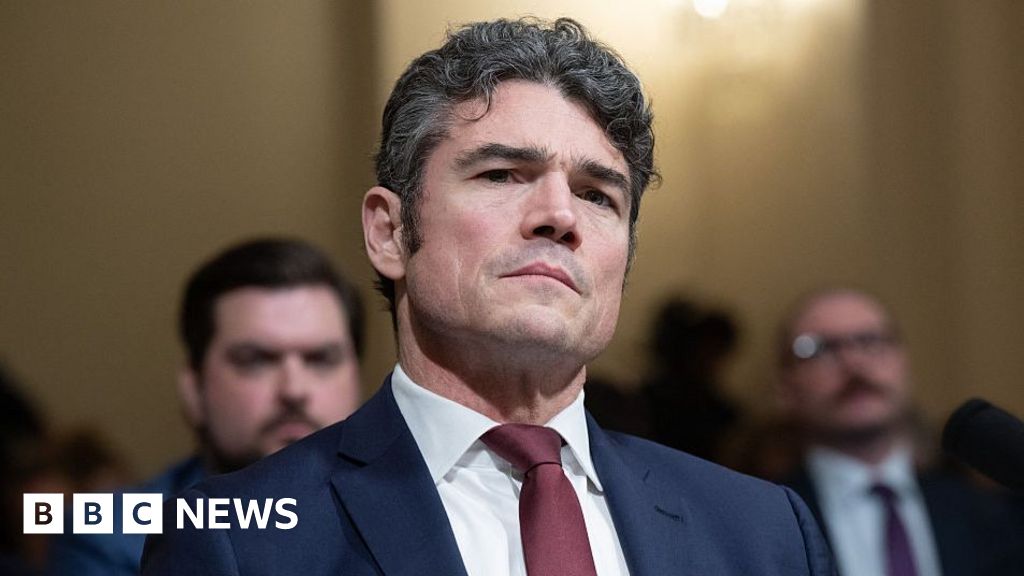
Furthermore, Kent alleged that some of the government’s "key decision makers" had limited access to President Trump in the crucial period leading up to the Iran war. He claimed there was no "robust debate" among senior officials and intelligence experts before the decision to launch strikes, implying a potentially flawed or narrowly informed decision-making process. These claims, if substantiated, would suggest a breakdown in traditional national security protocols, where diverse perspectives and comprehensive intelligence assessments are meant to inform presidential decisions on matters of war and peace. Despite these serious allegations, Kent maintained that he had a "great" conversation with President Trump about his resignation and believed they had "departed personally on good terms," attempting to separate his policy disagreement from his personal relationship with the president.
White House and Presidential Rebuttals
The White House was quick to dismiss Kent’s resignation letter and his public statements. Officials reiterated that President Trump had been presented with "compelling evidence" indicating Iran’s intent to attack the U.S. first, thereby justifying the military response. This official stance underscored the administration’s determination to control the narrative surrounding the conflict and to counter any suggestions of an unprovoked or poorly informed decision.
President Trump himself later weighed in on Kent’s departure, offering a mixed assessment. While acknowledging Kent as a "nice guy," Trump unequivocally stated that it was a "good thing" that Kent was no longer in government. He added a critical assessment of his former counterterrorism chief, remarking that he always thought Kent had been "very weak on security." Trump’s comments, delivered in his characteristic blunt style, suggested a fundamental disagreement with Kent’s judgment on national security matters, reinforcing the idea that Kent’s departure was not merely a matter of conscience but also a reflection of differing strategic perspectives at the highest levels of government.
A Career Trajectory: From Decorated Veteran to Disgraced Official?
Joe Kent’s journey to the helm of the NCTC is notable. A long-time Trump loyalist and a decorated veteran of the U.S. military, Kent’s background includes a distinguished career in special operations, imbuing him with significant on-the-ground experience in counterterrorism. His service record, which includes multiple combat deployments, positioned him as a credible voice within the national security apparatus.
Kent was nominated by President Trump early in his administration and confirmed to his post in July 2019, following a rigorous Senate confirmation process that typically scrutinizes a nominee’s background, qualifications, and policy views. Prior to his government service, Kent had also made two unsuccessful bids for Congress, aligning himself closely with the populist wing of the Republican Party and demonstrating his commitment to the political movement championed by Donald Trump. His appointment to such a sensitive role was seen by many as a testament to Trump’s preference for loyalty and a willingness to appoint individuals who shared his worldview. The current FBI investigation and the nature of his resignation, however, threaten to overshadow his prior service and transform his legacy into one marred by controversy and allegations of misconduct.
Broader Implications and National Security Concerns
The ongoing FBI investigation into alleged leaks by a former senior counterterrorism official carries profound implications for national security, government transparency, and the integrity of the intelligence community. Leaks of classified information, regardless of their content, pose a significant risk by potentially compromising sources and methods, endangering intelligence assets, and providing adversaries with valuable insights into U.S. capabilities and vulnerabilities. The fact that the alleged leaks occurred while Kent was still serving as NCTC director, as suggested by sources, amplifies the seriousness of the situation, implying a breach of trust at the highest levels of national security.
Beyond the immediate legal ramifications for Kent, this episode highlights the persistent challenges faced by administrations in controlling the flow of sensitive information and managing internal dissent on critical foreign policy issues. The public airing of disagreements over intelligence assessments and the justifications for military action can sow discord domestically and potentially weaken the U.S. standing on the international stage. It also reignites debates about the politicization of intelligence, the influence of various lobbies on foreign policy, and the checks and balances necessary to ensure robust and informed decision-making in matters of war and peace.
The allegations of antisemitic tropes further complicate the narrative, drawing attention to the sensitive intersection of foreign policy discourse and identity politics. For an organization like the ADL, such rhetoric, even if unintended, can inadvertently lend credence to dangerous conspiracy theories that have historically fueled prejudice and discrimination. As the FBI investigation proceeds, the public will be watching closely for answers, not only about the specific actions of Joe Kent but also about the broader health and accountability of the nation’s national security apparatus. The outcome will undoubtedly have lasting repercussions for the individuals involved, the intelligence community, and the ongoing public discourse surrounding U.S. foreign policy and national security.

Related Posts
Zambia on Edge: Opposition Leader Arrested Amid Allegations of Insurrection Plot and Election Tensions

Rescuers search for survivors of powerful Indonesia earthquake

