Easter Holiday Travel Boom: Hong Kong-Mainland High-Speed Rail Tickets Near Sell-Out Amidst Global Travel Disruptions
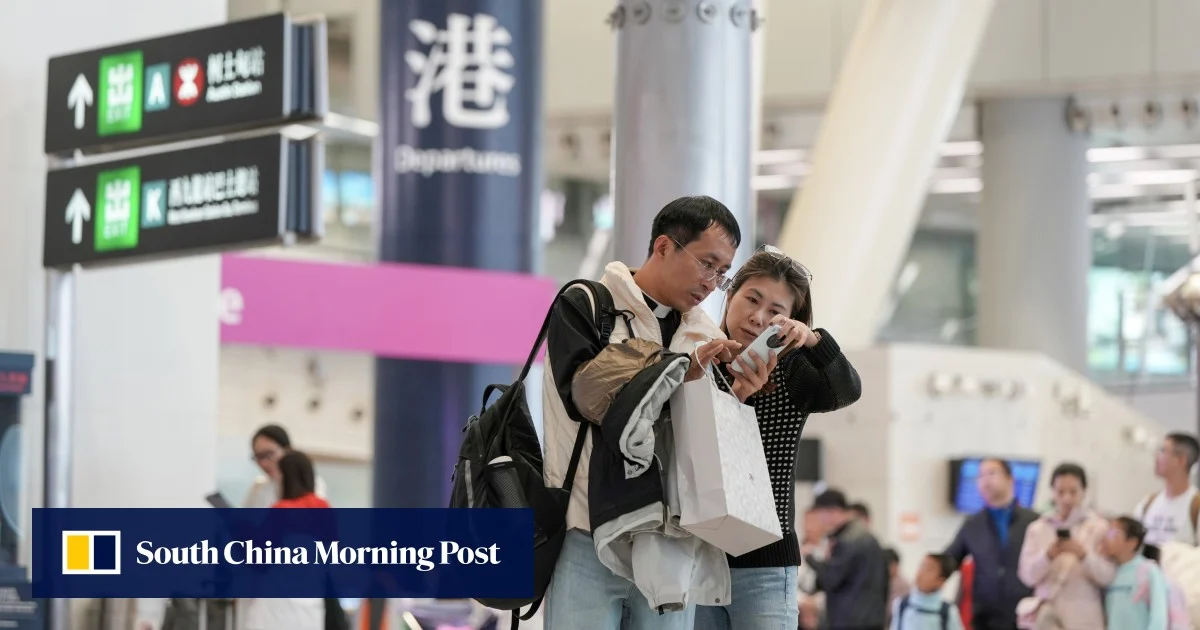
Hong Kong’s cross-border high-speed rail network is experiencing a significant surge in demand as tickets for travel to numerous mainland Chinese destinations are nearing full capacity for the initial two days of the extended five-day holiday, coinciding with both Easter and the traditional Ching Ming Festival. This robust demand highlights a discernible shift in traveler preferences, with mainland China emerging as a preferred alternative destination for many Hongkongers.
The burgeoning popularity of these rail routes is being significantly influenced by a confluence of global events that are reshaping international travel dynamics. The escalating geopolitical tensions in the Middle East have triggered a cascading effect on global oil prices, directly impacting the aviation sector. This has led to a sharp increase in airfares and the imposition of higher fuel surcharges by airlines, making long-haul international travel considerably more expensive and, in some cases, logistically challenging due to airspace disruptions. Consequently, travelers are increasingly seeking more accessible and cost-effective alternatives.
Shifting Travel Preferences: The Rise of Neighboring Destinations
Steven Huen Kwok-chuen, executive director of EGL Tours, a prominent travel agency specializing in package tours, notably to Japan, has projected a significant double-digit business growth for his company compared to the previous year. He indicated that the global conflicts have had a limited, yet discernible, impact on their bookings.
"The top choices for travelers are mainland China and Southeast Asia," Mr. Huen stated on Sunday. "Many are opting for short-haul trips, frequently utilizing the high-speed railway. We also have two popular tours to the Yangtze River Three Gorges Dam." This preference for proximity and efficient transport links underscores a pragmatic approach to holiday planning in the current climate.
Conversely, Mr. Huen noted that bookings for longer-haul destinations that involve layovers in the Middle East, such as Egypt, Morocco, and Turkey, have been suspended. This direct consequence of the regional instability demonstrates the tangible impact of geopolitical events on travel itineraries, forcing tour operators and individuals to re-evaluate their choices.
The Japan Factor: A Resurgence of Interest
Interestingly, Mr. Huen also reported a notable increase in travel to Japan. He attributed this resurgence to a collective decision by many to avoid the country last year, reportedly due to widespread rumors of an impending megaquake. The abatement of these fears, coupled with the general trend towards seeking alternative travel options, has likely contributed to Japan’s renewed appeal.
Regarding the impact of rising fuel costs on travel decisions, Mr. Huen offered a pragmatic perspective. "The fuel cost rise is not new to Hongkongers," he observed. "Although they are not happy with paying a few hundred dollars more for flight tickets, they will not cancel a trip because of that." This sentiment suggests a certain level of resilience and adaptability among Hong Kong residents when it comes to their holiday plans, with a willingness to absorb moderate price increases for desired travel experiences.
Background and Chronology of the Holiday Period
The Ching Ming Festival, also known as Tomb-Sweeping Day, is a traditional Chinese festival that falls on the first day of the fifth solar term of the Chinese calendar, usually around April 4th or 5th. It is a time for commemorating ancestors and paying respects at their graves. The proximity of Easter, a major Christian festival celebrating the resurrection of Jesus Christ, often leads to a consolidated public holiday period for many in Hong Kong. This year, the combined holidays created an extended break, providing a prime opportunity for travel.
The Hong Kong-Zhuhai-Macao Bridge, a marvel of modern engineering, has also facilitated increased connectivity between Hong Kong and the Greater Bay Area, further bolstering the attractiveness of mainland destinations. The high-speed rail network, a key component of this integrated transport system, offers a swift and comfortable mode of travel, connecting Hong Kong to a wide array of cities within a few hours.
Supporting Data and Trends in Travel
While specific official figures for ticket sales are not yet available for this particular holiday period, historical data from previous public holidays in Hong Kong consistently demonstrates a strong preference for short-haul destinations. The Mainland China market, in particular, has always been a significant draw due to its cultural proximity, diverse attractions, and relatively lower travel costs compared to international destinations.
Data from the Hong Kong Immigration Department typically shows a substantial outflow of residents during long holiday weekends, with a significant portion heading to mainland cities like Shenzhen, Guangzhou, and further afield via the high-speed rail network. The convenience and efficiency of the high-speed rail have been a game-changer, reducing travel times and enhancing the overall travel experience. For instance, a journey from Hong Kong to Guangzhou, which previously could take several hours by conventional train or ferry, can now be completed in under an hour.
The impact of global events on air travel has been well-documented. According to the International Air Transport Association (IATA), global air cargo rates have seen an upward trend, partly driven by disruptions in key shipping routes and increased demand for air freight to circumvent these issues. While this is for cargo, it indicates a broader inflationary pressure on the aviation industry that inevitably trickles down to passenger fares. Airlines globally have been adjusting fuel surcharges and ticket prices in response to volatile oil markets. The Brent crude oil price, a global benchmark, has experienced significant fluctuations in recent months, directly influencing operating costs for airlines.
Official Responses and Industry Perspectives
While no direct official statements have been issued specifically regarding the sold-out tickets for this holiday period, the Hong Kong government, through its Transport and Housing Bureau and relevant transport operators, has consistently emphasized the importance of enhancing cross-border transportation infrastructure. The success of the high-speed rail in facilitating seamless travel is a testament to these ongoing efforts.
The tourism industry in Hong Kong, represented by bodies like the Hong Kong Tourism Board (HKTB), has been actively promoting both inbound and outbound travel. Their strategies often involve highlighting the diverse attractions within Hong Kong, as well as promoting its connectivity to the Greater Bay Area and other popular short-haul destinations. The current surge in demand for mainland travel aligns with the HKTB’s efforts to diversify travel options and cater to evolving consumer preferences.
Travel agencies, like EGL Tours, play a crucial role in shaping consumer choices by curating packages and providing expert advice. Their observations on traveler behavior, as articulated by Mr. Huen, offer valuable insights into the current travel landscape. The industry’s ability to adapt to external shocks, such as geopolitical instability and economic fluctuations, is vital for its sustained growth.
Broader Impact and Implications
The near sell-out of high-speed rail tickets signifies a broader trend of prioritizing convenience, cost-effectiveness, and proximity in travel planning. This preference for mainland destinations, driven by disruptions in international travel, has several implications:
- Economic Boost for Mainland China: Increased visitor numbers from Hong Kong provide a welcome economic stimulus to border cities and popular tourist destinations in mainland China. This includes revenue generated from accommodation, dining, retail, and local attractions.
- Resilience of the High-Speed Rail Network: The robust demand underscores the strategic importance and operational success of the high-speed rail network as a vital transportation artery connecting Hong Kong with the mainland. It reinforces its role as a preferred mode of travel for a significant segment of the population.
- Adaptability of the Travel Industry: Tour operators and travel agencies are demonstrating their agility by adjusting their offerings to cater to changing consumer demands. The ability to pivot from long-haul to short-haul destinations, and to manage the logistical challenges associated with global disruptions, is a key factor in their survival and success.
- Potential for Long-Term Shifts: While current disruptions may be a temporary catalyst, the positive experience and convenience of high-speed rail travel to mainland destinations could foster long-term shifts in travel habits. Hongkongers may continue to favor these routes even after international travel becomes more normalized, due to the inherent advantages they offer.
- Impact on Aviation Sector: The sustained preference for rail travel over air for certain routes can have a cumulative effect on the aviation sector, particularly for short-haul international flights. Airlines may need to reassess their pricing strategies and route planning to remain competitive.
In conclusion, the overwhelming demand for cross-border high-speed rail tickets from Hong Kong to mainland China during the Easter and Ching Ming Festival holiday period is a clear indicator of shifting travel priorities. Influenced by global geopolitical events and their impact on international air travel, Hongkongers are embracing the convenience and cost-effectiveness of rail travel to neighboring destinations. This trend highlights the resilience of the region’s transportation infrastructure and the adaptability of its travel industry, with potential long-term implications for how residents choose to explore and vacation.