
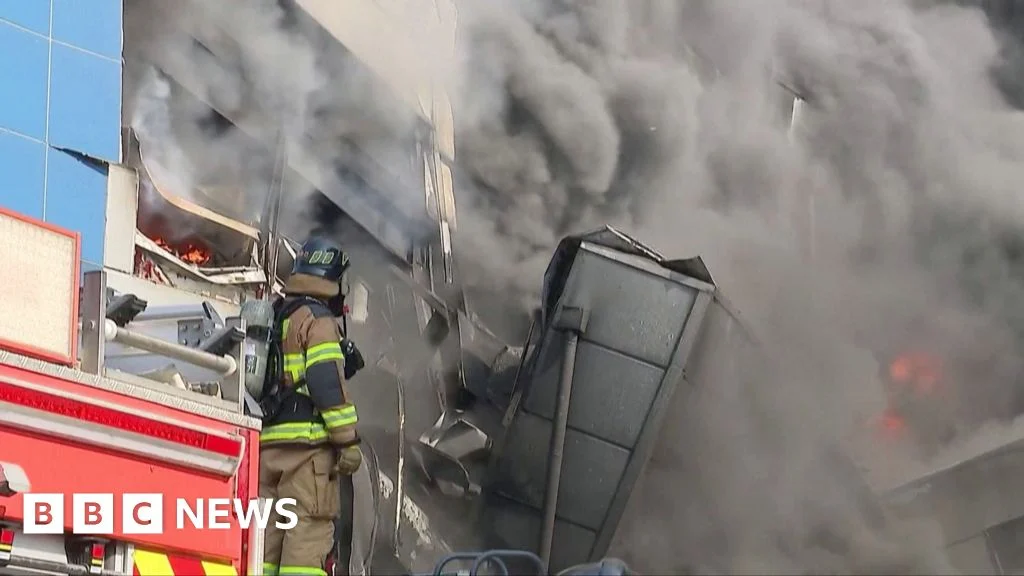
Daejeon Car Parts Plant Engulfed in Deadly Inferno, Leaving Eleven Dead and Dozens Injured
A catastrophic fire at a car parts manufacturing plant in the central South Korean city of Daejeon has resulted in the confirmed deaths of 11 individuals, with three others still unaccounted for and 59 sustaining injuries of varying degrees. The inferno, which rapidly consumed the facility, prompted a massive emergency response, challenging firefighters with intense flames, thick smoke, and the inherent dangers of industrial materials. The incident has cast a somber shadow over the industrial safety landscape of South Korea, raising urgent questions about protocols and preparedness in large-scale manufacturing operations.
Devastating Blaze Engulfs Daejeon Car Parts Plant, Claiming Multiple Lives
The tragedy unfolded at a prominent car parts manufacturing facility, a critical node in the intricate supply chain of South Korea’s robust automotive industry. Early reports indicated that approximately 170 workers were present within the sprawling complex when the blaze ignited. Videos circulated online and broadcast by national news outlets depicted a scene of terrifying devastation: colossal flames erupting from multiple sections of the building, accompanied by an ominous plume of thick, dark smoke that billowed high into the sky, visible from kilometers away across the city. The sheer scale and intensity of the fire presented immediate and formidable obstacles for the hundreds of firefighters and emergency personnel dispatched to the scene. Their initial efforts were severely hampered by the very real threat of structural collapse, as the integrity of the building was compromised by the intense heat. Furthermore, the presence of highly reactive sodium, a material commonly used in various industrial processes, posed an additional, grave risk of explosion if exposed to water or intense heat, forcing emergency crews to adopt cautious and strategic approaches to containment rather than direct engagement in the initial hours.
As the sun set, transforming the smoke-filled sky into an eerie, orange glow, an overnight search and rescue operation was meticulously planned and subsequently launched for the three individuals who remained missing. This critical phase could only commence after engineering assessments deemed parts of the building safe enough for entry, highlighting the perilous conditions faced by rescue teams. While authorities have yet to officially confirm the precise cause of the blaze, preliminary observations and witness accounts consistently suggest an exceptionally rapid spread, indicating a potential catastrophic failure in safety mechanisms or an inherent volatility in the materials being processed or stored. The incident has reverberated deeply within Daejeon, a city often celebrated for its scientific and technological prowess, underscoring the inherent risks that accompany industrial development.
A Chronology of Catastrophe: Rapid Escalation and Arduous Response
The timeline of the Daejeon fire illustrates a rapid escalation from an initial incident to a full-blown catastrophe, challenging the limits of emergency response capabilities.
- Early Afternoon Outbreak (Approximate): While the precise minute remains under investigation, the fire is believed to have broken out sometime in the early to mid-afternoon, during peak operational hours at the plant. Initial reports suggest that a small fire rapidly grew out of control, spreading with alarming speed through the facility’s production lines and storage areas. Survivors later recounted a swift progression from smoke to an uncontainable blaze, leaving little time for a full and orderly evacuation.
- Initial Emergency Response (Minutes after Ignition): Factory alarms would have triggered, and internal safety teams would have initiated immediate response protocols. However, the ferocity of the fire likely overwhelmed these initial efforts. Daejeon Fire Department received multiple distress calls within minutes, signaling the severity of the situation.
- First Responders Arrive and Assess (Within 15-30 minutes): Dozens of fire engines, ladder trucks, and emergency vehicles, along with hundreds of firefighters, police officers, and medical personnel, converged on the scene. Their initial assessment quickly revealed the immense challenge: the building was already largely engulfed, with flames leaping dozens of meters high and dense smoke obscuring visibility.
- Hazardous Conditions Hinder Firefighting (First few hours): Fire commanders faced immediate dilemmas. The structural integrity of the large industrial complex was visibly compromised, with fears of imminent collapse posing an extreme danger to any teams attempting internal entry. More critically, intelligence indicated the storage of significant quantities of sodium on-site. Sodium is an alkali metal highly reactive with water, producing hydrogen gas and heat, which can lead to explosions. This forced firefighters to adopt a strategy of external containment, utilizing foam and other non-aqueous suppressants where possible, and preventing the fire from spreading to adjacent structures, rather than direct internal attack, to mitigate the explosion risk. This strategic caution, while essential for safety, prolonged the active burning phase and limited immediate rescue attempts.
- Strategic Retreat and Containment Efforts (Mid-afternoon into Evening): Given the extreme hazards, firefighters focused on establishing perimeters, cooling surrounding areas, and containing the blaze to prevent it from consuming the entire industrial park. Specialized chemical response teams were deployed to manage the risks associated with hazardous materials.
- Overnight Search and Recovery (Late Evening to Early Morning): As the evening progressed and the structural integrity of certain sections of the plant was deemed sufficiently stable after extensive cooling and assessment, specialized urban search and rescue teams, equipped with thermal imaging cameras and sniffer dogs, commenced the perilous task of entering the devastated facility. Their primary objective was to locate the missing workers, a search that continued relentlessly through the night and into the early hours of the following day. This phase led to the tragic confirmation of further fatalities, bringing the death toll to its current level, alongside the ongoing search for the last missing individuals.
- Ongoing Investigation and Cleanup (Following Day): With the fire largely brought under control, the focus shifted to a comprehensive investigation into its origin and spread, alongside the grim task of recovery and damage assessment.
The Perilous Landscape of Industrial Safety in South Korea
Daejeon, often dubbed South Korea’s "Silicon Valley," is a hub of scientific research, advanced technology, and manufacturing. Its strategic location and robust infrastructure attract numerous high-tech and industrial companies, including those vital to the automotive sector. This concentration of industry, while a testament to South Korea’s economic dynamism, also underscores the inherent challenges in maintaining stringent safety standards across a diverse range of operations, particularly those involving complex machinery and hazardous materials.
South Korea has, in recent decades, made significant strides in industrial safety. However, the nation has also grappled with a series of high-profile industrial accidents that have periodically exposed vulnerabilities in its regulatory frameworks and enforcement. Incidents such as the repeated warehouse fires in Icheon, chemical plant leaks in Ulsan, and construction site collapses have consistently highlighted the need for continuous vigilance, stricter compliance, and robust emergency preparedness. These past tragedies often lead to renewed calls for stricter oversight, increased penalties for safety violations, and enhanced worker training. The automotive sector, a cornerstone of the South Korean economy, relies on a vast network of suppliers, from giant conglomerates to smaller specialized manufacturers like the plant affected in Daejeon. Any disruption, especially one involving significant loss of life, sends ripple effects throughout this critical supply chain and prompts a re-evaluation of safety protocols at every level. The Daejeon fire, therefore, is not merely an isolated incident but a stark reminder of the persistent challenges in balancing rapid industrial growth with an uncompromising commitment to worker safety.
Official Reactions and Calls for Accountability
The devastating fire quickly garnered widespread attention, prompting swift reactions from various official bodies and stakeholders.
- Daejeon Fire Department: Officials from the Daejeon Fire Department held multiple press briefings throughout the crisis. They confirmed the grim casualty figures, detailed the immense challenges faced by their crews, including the risks of structural collapse and hazardous materials, and praised the bravery of the firefighters. "Our teams faced an inferno of unprecedented scale and danger," stated a spokesperson for the department, emphasizing the strategic decisions made to prioritize responder safety while containing the blaze. They pledged a full and transparent investigation into the fire’s origin and the response efforts.
- Daejeon City Government: The Mayor of Daejeon expressed profound sorrow over the loss of life and injuries, extending heartfelt condolences to the victims and their families. He announced the establishment of a special task force to provide immediate support to the affected individuals and to coordinate recovery efforts. "This is a tragic day for our city," the Mayor conveyed in a public statement, promising that the city would spare no effort in assisting those impacted and in ensuring a thorough investigation to prevent future recurrences.
- National Government: The office of the President of South Korea issued a statement conveying deep sympathy and calling for a comprehensive and swift investigation into the incident. The President’s directive emphasized the need for all relevant ministries to mobilize resources to support the victims, provide necessary medical care for the injured, and ensure that lessons are learned to bolster industrial safety nationwide.
- Company Management (Inferred): While specific public statements from the plant’s management were not immediately available, it is standard practice in such tragedies for the company to issue an official apology, express profound regret, and pledge full cooperation with the ongoing investigation. Such statements typically emphasize a commitment to supporting the affected employees and their families, as well as to reviewing and improving safety protocols.
- Eyewitness Accounts (Generalized): Survivors and witnesses described a scene of chaos and terror. "The fire spread so fast, it was like nothing I’ve ever seen," one unnamed survivor reportedly told local media, recalling the panic as workers scrambled to escape the rapidly advancing flames and smoke. These accounts underscore the sudden and overwhelming nature of the disaster, highlighting the challenges of effective evacuation in such extreme circumstances.
Unraveling the Cause: An Intensive Investigation Underway
With the immediate emergency largely under control, the focus has pivoted sharply towards a meticulous and exhaustive investigation to determine the exact cause of the catastrophic fire. Teams comprising experts from the National Forensic Service, the Daejeon Fire Department, and the local police force have commenced a detailed examination of the devastated plant.
Investigators will be scrutinizing every possible factor, from potential electrical malfunctions, faulty machinery, or human error, to the storage and handling of flammable or reactive materials. The rapid spread of the fire, as noted by firefighters and survivors, will be a critical area of inquiry, suggesting either highly combustible materials, inadequate fire breaks, or a failure of early detection and suppression systems. They will also be reviewing the plant’s entire safety infrastructure, including fire alarm systems, sprinkler efficacy, emergency exit routes, and the adherence to national industrial safety standards and regulations, particularly those pertaining to facilities handling hazardous substances like sodium. The goal is not merely to assign blame but to uncover systemic issues that could have contributed to the tragedy, ensuring that preventive measures can be put in place to avert similar disasters in the future. The process is expected to be complex and protracted, given the extensive damage and the need for painstaking forensic analysis.
Broader Implications: Safety Standards and Economic Reverberations
The Daejeon plant fire carries significant broader implications that extend beyond the immediate human tragedy and the damaged facility.
- Review of Industrial Safety Protocols: This incident will undoubtedly trigger a nationwide re-evaluation of industrial safety protocols, particularly for large manufacturing plants and facilities that store hazardous materials. Expect increased scrutiny of emergency preparedness, fire suppression systems, and the implementation of safety training for workers. There may be renewed calls for stronger regulatory enforcement and potentially even legislative amendments to bolster worker protection in high-risk industries.
- Worker Welfare and Evacuation Procedures: The high number of casualties and missing persons will prompt a critical examination of evacuation procedures in industrial settings. Questions will be raised about the adequacy of emergency exits, the clarity of evacuation routes, the effectiveness of internal communication systems during a crisis, and the frequency and realism of safety drills. Ensuring that workers are not only aware of but also capable of executing emergency plans effectively will become a heightened priority.
- Supply Chain Disruption: As a car parts plant, its destruction will inevitably cause disruptions in the automotive supply chain. While major car manufacturers typically have diversified suppliers, the sudden loss of a facility of this scale can lead to short-term production delays or the need for costly and rapid re-sourcing of components. This incident serves as a stark reminder of the fragility of global supply chains and the ripple effects that a localized disaster can have on major industries.
- Long-term Recovery and Prevention: The long-term recovery for the affected community and the families of the victims will be a significant undertaking. Beyond the immediate aid, there will be a need for sustained psychological support and financial assistance. Crucially, the lessons learned from this investigation must translate into concrete, actionable changes across the industrial sector. Preventing future tragedies requires not just reactive measures but a proactive, systemic commitment to safety as an integral part of industrial operations. This incident will likely serve as a painful but critical catalyst for enhanced safety awareness and robust preventative strategies throughout South Korea’s industrial landscape.
Supporting Data and Contextual Information
The emergency response to the Daejeon fire was immense, involving hundreds of personnel and significant resources. Initial estimates suggest that over 400 firefighters from Daejeon and neighboring regions, supported by more than 80 fire engines and specialized chemical response units, were deployed to battle the blaze and manage the crisis. The scale of this deployment underscores the extreme nature of the fire and the critical threat it posed.
While details about the specific car parts manufactured at the plant are not yet public, such facilities typically produce components ranging from engine parts, chassis elements, and electronic modules to interior components. Any of these could involve various materials, including plastics, metals, composites, and potentially reactive chemicals, all of which contribute to the fire load and potential hazards.
The Daejeon fire echoes previous industrial disasters in South Korea, such as the numerous fires at warehouses and logistics centers in Icheon, Gyeonggi Province, which have, over the years, claimed dozens of lives. These incidents often highlight common issues: the rapid spread of fire in large, open industrial spaces, the presence of highly flammable materials, and challenges in evacuating large numbers of workers efficiently. Each tragedy, including this latest one in Daejeon, serves as a poignant reminder of the continuous, pressing need for unwavering commitment to industrial safety.

Related Posts
Zambia on Edge: Opposition Leader Arrested Amid Allegations of Insurrection Plot and Election Tensions
Rescuers search for survivors of powerful Indonesia earthquake

