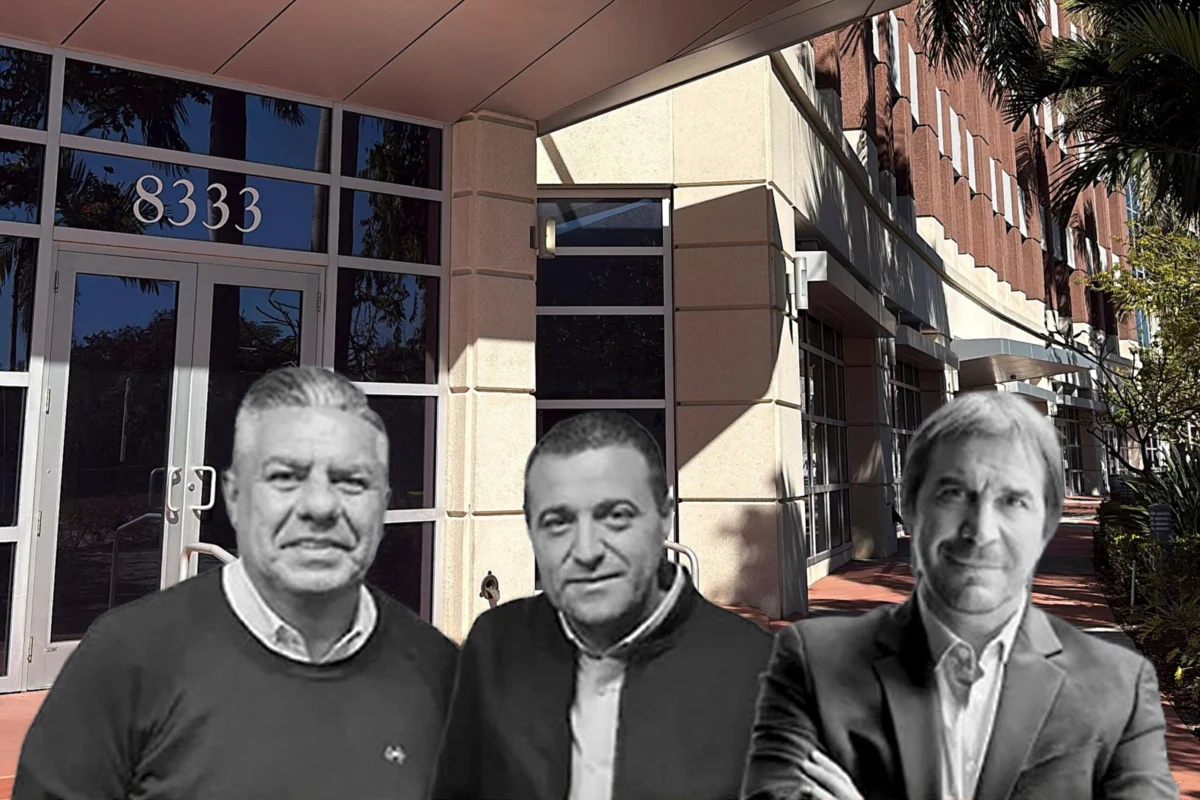
Bullrich: "Now is the time to invest"
Patricia Bullrich, a national senator for the City of Buenos Aires, met with the Spanish Chamber of Commerce in Argentina on Monday. Following the encounter, she tweeted: "The best employment is always created by the private sector: now is the time to invest, accompany, and generate opportunities." This statement from Bullrich underscores a core tenet of her economic philosophy, emphasizing the crucial role of private enterprise in job creation and economic growth. Her meeting with the Spanish Chamber of Commerce signals a proactive approach to fostering international investment and strengthening economic ties, particularly with European partners. The sentiment expressed reflects a broader desire within certain political circles to create an environment conducive to business expansion, suggesting a focus on deregulation, fiscal incentives, and a stable regulatory framework as key drivers for attracting foreign capital and stimulating domestic investment. This perspective often contrasts with approaches that prioritize state intervention or extensive social welfare programs as primary economic engines.
Argentine Church Reaffirms Alignment with Pope Francis Amidst Trump’s Criticisms

The Argentine Church has strongly reaffirmed its alignment with the message and figure of Pope Francis, following recent sharp criticisms leveled against the pontiff by United States President Donald Trump. Trump accused the Pope of being "weak on crime and terrible on foreign policy." In response to an inquiry from LA NACION, the president of the Argentine Episcopal Conference and Archbishop of Mendoza, Monsignor Marcelo Colombo, emphasized the Pope’s mission as a promoter and defender of peace. This solidarity from the Argentine Church highlights a consistent pattern of support for the Holy See, particularly when its leader faces international scrutiny. The statements from Monsignor Colombo serve as a clear endorsement of Pope Francis’s pastoral and diplomatic endeavors, positioning him as a moral authority advocating for peace and human dignity on a global scale. This affirmation also underscores the deep respect and spiritual connection the Argentine clergy maintains with the current Pope, who hails from their own nation. The context of Trump’s remarks, often characterized by a more nationalistic and transactional foreign policy approach, presents a stark contrast to Pope Francis’s universalist and peace-oriented agenda, further solidifying the Argentine Church’s position in defense of the pontiff’s humanitarian principles.
"I’m Going Bankrupt": Strong Concern Among Sheep Producers and Criticism of Senasa
The official confirmation of three cases of scrapie in sheep in Argentina has sounded a strong alarm bell throughout the production chain. The sector is observing a complex sanitary scenario with open questions and potential economic and commercial consequences. Last Saturday, the National Service of Agrifood Health and Quality (Senasa) confirmed positive results for the disease in three animals located in establishments in Santa Fe and Entre Ríos. These findings were subsequently ratified by the World Organisation for Animal Health (OMSA). Since then, details that deepen the sector’s unease have begun to emerge.

The three establishments where the cases were detected are "El Luchador," owned by Sergio Taffarel in Entre Ríos; and the Santa Fe-based farms Dorper Santa Fe, owned by Andrés Lebus, and El Tacurú, owned by Luciano Toldo. Taffarel spoke with LA NACION and was critical of Senasa’s actions. He is a breeder of Dorper, Santa Inés, and Hampshire Down breeds. The emergence of scrapie, a transmissible spongiform encephalopathy affecting sheep and goats, poses a significant threat to the livestock industry. Scrapie is a fatal, degenerative neurological disease that can lead to substantial economic losses due to reduced productivity, animal culling, and trade restrictions. The confirmation of cases in Argentina, a significant sheep-producing nation, raises concerns about biosecurity and the potential impact on exports. Producers are likely worried about the economic repercussions, including potential market closures, increased surveillance costs, and the long-term effects on herd health and value. Their criticism of Senasa suggests a perception that the regulatory body’s response may have been inadequate or slow, exacerbating the crisis for affected farmers. The mention of specific breeds and farm names adds a layer of concrete detail, highlighting the direct impact on individual producers and the agricultural community.
AMIA: Judge Rafecas Orders Arrest of Iranian Official Who Was the Right-Hand Man of Leader Ali Khamenei
Federal Judge Daniel Rafecas has ordered the international capture of a new suspect in the AMIA bombing. This individual is Seyed Ali-Asghar Mir-Hejazi, described as the right-hand man of Iranian Supreme Leader Ali Khamenei, who died in attacks launched by Israel and the United States against Tehran. Judicial sources consulted by LA NACION stated that Seyed Ali-Asghar Mir-Hejazi is "the power in the shadows," the executor of the Iranian regime’s military and intelligence operations. This development marks a significant escalation in the long-standing investigation into the 1994 bombing of the Asociación Mutual Israelita Argentina (AMIA) Jewish community center in Buenos Aires, which killed 85 people and injured hundreds. The indictment of a figure closely linked to the highest levels of the Iranian government suggests a renewed push by Argentine judicial authorities to hold perpetrators accountable. The AMIA bombing has been a deeply contentious issue in Argentine foreign policy for decades, with strong accusations pointing towards Iran and its proxy Hezbollah. The ordering of an international arrest warrant signifies a concerted effort to pursue justice, potentially through international legal channels or diplomatic pressure. The description of Mir-Hejazi as "the power in the shadows" implies a clandestine and influential role, suggesting that his involvement, if proven, could illuminate further aspects of the conspiracy behind the attack.

Caputo Predicts March Inflation Will Exceed 3%
The Minister of Economy, Luis Caputo, anticipated today that the inflation rate for March – which will be released by INDEC tomorrow at 4 p.m. – will "surely" be above 3%, making it the highest increase so far this year. Additionally, at the presentation of a book by consultant Salvador Di Stefano in Rosario, he justified this inflation surge by citing the "shock" of oil prices due to the war in the Middle East and the characteristic seasonality of the month. Minister Caputo’s prediction of inflation exceeding 3% for March indicates a persistent challenge in controlling price increases, a key objective of the current administration’s economic program. The justification, attributing the rise to global oil price volatility stemming from the Middle East conflict and seasonal factors, suggests an acknowledgment of external pressures influencing domestic inflation. This statement comes as the government aims to instill confidence in its economic management, and a higher-than-expected inflation figure could impact public perception and economic stability. The reference to the "shock" of oil prices highlights the interconnectedness of global markets and their direct impact on Argentina’s economy, particularly concerning energy costs and imported goods. The mention of seasonality points to predictable, albeit significant, price fluctuations that occur during specific times of the year, such as increased demand for certain goods or services.
The Ruling Party Prepares the Ground to Defend Adorni in the Chamber of Deputies

Despite recommendations to the contrary from its own allies, the ruling party is determined to receive the Chief of Staff, Manuel Adorni, in the plenary session next Wednesday the 29th. Adorni, who is under judicial investigation for alleged illicit enrichment, will present his management report in the Chamber of Deputies. The ruling party in the lower house even entertains the possibility of Javier Milei’s presence at the session, a clear signal that the libertarians will not abandon Adorni and are prepared to go on the offensive. This move by the ruling party to staunchly defend Manuel Adorni in the face of judicial scrutiny highlights a strategic political maneuver. By bringing Adorni before the Chamber of Deputies for his management report, the government aims to demonstrate transparency and project an image of confidence, potentially preempting or counteracting negative narratives arising from the legal investigations. The potential presence of President Milei would underscore the administration’s full backing of Adorni, signaling a united front and a willingness to confront any challenges head-on. This strategy also serves to rally the ruling party’s base and allies, reinforcing their commitment to the current administration’s agenda. The mention of "offensive" actions suggests a proactive approach to managing public perception and political pressure, aiming to turn a potentially damaging situation into an opportunity to showcase the government’s resolve.
Milei Defended His Management on Social Media: What Labor Market and Consumption Numbers Say, According to Economists
Last week, President Javier Milei asked for "patience" to normalize the economy and not "dynamite what has been achieved." Yesterday, he stated on the same social network that "it is false that we are doing badly" and asked: "In Argentina, when the country was doing ‘as badly’ as they say it is now, didn’t the dollar rise uncontrollably? Isn’t that what always happened every time the country did badly?" In recent weeks, both the President and the Minister of Economy, Luis Caputo, have given several interviews to deny that the economy is doing poorly, aiming to counter the perception of "bad social mood" detected by public opinion pollsters with the government. President Milei’s defense of his administration’s performance on social media and in interviews reflects a broader effort to shape public discourse and manage expectations. His assertion that the current situation is not as dire as perceived, referencing the historical volatility of the dollar during periods of economic distress, serves as a rhetorical tactic to highlight perceived improvements or at least a departure from past crises. Economists’ analyses of labor market and consumption data will be crucial in providing an objective counterpoint to the government’s narrative. These indicators are vital for assessing the real-world impact of economic policies on households and businesses. Discrepancies between the government’s optimistic outlook and the data-driven assessments of economists could fuel public skepticism and shape political narratives. The government’s proactive engagement in public relations, particularly through social media, indicates an understanding of the importance of controlling the narrative in the current political climate.

The Government Ordered Ministers to Adjust the Budget by 2%
The Government will proceed in the coming weeks with a 2% cut in current expenses and another 20% in capital expenses. The request was made by President Javier Milei himself to his ministers in the last Cabinet meeting, according to sources from Casa Rosada told LA NACION. Milei led the first part of that meeting, held a week ago, on the first floor of the Government Palace. The order to his ministers was given there. During the second part of the meeting, which was left in the hands of the Chief of Staff, Manuel Adorni, he imposed the limit for the presentation of roadmaps that the ministries must submit. The government’s decision to implement a 2% cut in current expenses and a more significant 20% reduction in capital expenses signifies a further tightening of fiscal policy. This directive, originating from President Milei himself, underscores a commitment to austerity and deficit reduction. The focus on capital expenses, which often involve infrastructure projects and long-term investments, could have implications for future economic development and public services. The instruction to ministers to present roadmaps within these new budgetary constraints indicates a structured approach to implementing these cuts, aiming for efficiency and prioritization. This move aligns with the administration’s broader goal of achieving fiscal balance and reducing the state’s economic footprint.
Congress Operating at Half Speed: The Trip of 21 Legislators to the United States Postpones Key Debates

Congressional activity this week will be at a lower pace. A delegation of 21 national legislators—four senators and 17 deputies—has traveled to the United States to participate in the RAP Symposium 2026, organized by the Network of Political Action (RAP) at Harvard and MIT universities. The departure of this group, which includes leaders from various blocs, has necessitated the rescheduling of parliamentary discussions planned for these days. The event takes place between April 12 and 17 in Cambridge, Massachusetts. During that week, the delegation will alternate work sessions at the Massachusetts Institute of Technology (MIT) and Harvard, where topics related to economic development, democratic institutionalism, artificial intelligence, and the new international geopolitical landscape will be discussed. The absence of a significant number of legislators due to an international symposium highlights a common challenge in legislative bodies: balancing essential domestic policy-making with international engagement and professional development. The postponement of key debates underscores the immediate impact of such absences on the legislative agenda. The topics to be discussed at the symposium—economic development, democratic institutionalism, artificial intelligence, and geopolitics—are highly relevant to current global and national challenges, suggesting that the legislators’ participation aims to bring back valuable insights and foster international cooperation. However, the scheduling conflict inevitably creates a bottleneck in legislative progress.
Former Prosecutor Viviana Fein Defends Herself Against Accusations of Covering Up Nisman’s Death: "They’re Making Me a Scapegoat"
Exasperated, former federal prosecutor Viviana Fein complained to Federal Judge Julián Ercolini that she is being treated "like a scapegoat" by being accused of covering up the death of prosecutor Alberto Nisman. She claims this is because she allegedly failed to take precautions to preserve evidence in the Puerto Madero apartment where his body was found 11 years ago. Ercolini questioned the former prosecutor Fein at her request. She vehemently defended herself against the aggravated cover-up charges, denouncing that they were using her to direct responsibility. This statement from Viviana Fein brings a new dimension to the ongoing investigation into the death of Alberto Nisman, a high-profile case that has captivated Argentina for years. Fein, who was the lead prosecutor at the time of Nisman’s death, finds herself under scrutiny, accused of mishandling the initial stages of the investigation. Her defense, portraying herself as a "scapegoat," suggests a belief that blame is being unfairly placed upon her to deflect from other potential failings or complicities. The duration of the investigation, now in its eleventh year, highlights the complexity and sensitivity surrounding Nisman’s death, which remains a subject of intense public and judicial interest. The accusations of covering up suggest a potential obstruction of justice, a serious allegation that could have significant legal ramifications for Fein.

Two Women Who Lent US$100,000 to Adorni for One of His Real Estate Transactions Testify
In an effort to gain a more precise understanding of how Manuel Adorni acquired his properties, prosecutor Gerardo Pollicita has summoned the women who, according to documents in the Justice’s possession, lent the Chief of Staff US$100,000. Graciela Molina and Victoria María José Cancio are mother and daughter. They arrived together at the Comodoro Py courts at 8:30 a.m. and left at noon. They lent Adorni US$85,000 and US$15,000, respectively. The official then used the apartment where he was living with his family at the time, located at Asamblea street 1100 in Buenos Aires, as collateral for this transaction. Both stated that the official still owes them US$70,000 plus interest and admitted that they do not regularly engage in such real estate transactions, as LA NACION has learned from sources involved in the case. The testimony of Graciela Molina and Victoria María José Cancio is a critical development in the judicial investigation into Manuel Adorni’s financial dealings. Their accounts of lending a significant sum of money, secured by a mortgage on Adorni’s property, shed light on the financial arrangements surrounding his real estate acquisitions. The fact that Adorni used his residence as collateral for this loan, and that the lenders are now testifying about outstanding debts and interest, suggests a complex financial situation that the court is seeking to unravel. Their admission that they do not typically engage in such transactions might be intended to portray the loan as an unusual or perhaps even a preferential arrangement, the details of which are now under judicial scrutiny.
The Conditions of the Banco Nación Line That Sparked Controversy

The relaunch of Banco Nación’s (BNA) mortgage credits in 2024 incorporated a key change that could explain how some officials from Javier Milei’s government accessed loans for amounts exceeding the limits set for the line available to the general public. The analysis of these credits in UVA (Unidad de Valor Adquisitivo – Acquisition Value Unit) terms—the unit that preserves the real value of loans—suggests that, in several cases, the amounts fall within a specific line intended for the public sector, which allows for higher financing levels. The revelation of a specific credit line within Banco Nación potentially offering preferential terms to public officials raises significant questions about fairness and equity in financial access. If these loans indeed exceed standard limits or offer more favorable conditions than those available to the general public, it could fuel accusations of favoritism or misuse of public resources. The UVA indexation is a mechanism designed to protect the real value of loans against inflation, a common feature in many countries facing high inflation rates. However, the existence of a separate tier for public officials, if confirmed and found to be significantly different from the public offering, would likely trigger public outcry and demands for greater transparency and accountability in the allocation of credit. This situation could lead to increased scrutiny of government officials’ financial dealings and the practices of public financial institutions.
Alberto Fernández Appeared at Comodoro Py to Request That the Court of Cassation Revoke His Indictment in the Insurance Case
Former President Alberto Fernández appeared today at the Comodoro Py courts to participate in a hearing before the Federal Court of Cassation, the tribunal responsible for deciding whether to confirm his indictment in the insurance case. Fernández was indicted by Federal Judge Sebastián Casanello, and the Federal Chamber (with the votes of Roberto Boico and Martín Irurzun, and the dissent of Eduardo Farah) also ruled against him in February. Prosecutor José Luis Agüero Iturbe had requested that he be found without sufficient merit to proceed, a stance that the federal appellate judges rejected. This legal maneuver by former President Alberto Fernández signifies his continued efforts to challenge the judicial proceedings against him. His appearance at the Court of Cassation indicates a direct engagement with the highest levels of the appellate judiciary, seeking to overturn a previous ruling that upheld his indictment. The insurance case, which has been a significant legal challenge for Fernández, involves allegations of irregularities in government contracts related to insurance policies. The fact that the prosecutor initially recommended a finding of "no merit" for proceeding, only to be overruled by the appellate chamber, highlights the complex legal arguments and differing interpretations of evidence that characterize such high-profile cases. Fernández’s plea to revoke his indictment demonstrates his determination to clear his name and avoid potential prosecution.

AFA-gate: A Prosecutor General Suspends the Maneuver to Unify All Cases in the Campana Court
The judicial maneuver to attempt to unify at least three cases related to the Argentine Football Association (AFA) in the federal court of Campana has been suspended. Prosecutor General before the Criminal Chamber, Ricardo Sáenz, opined that the file containing all banking records of the company TourProdEnter, owned by Javier Faroni and his wife Erica Gillette, should be processed in the City of Buenos Aires. The final decision rests with appellate judge Ignacio Rodríguez Varela, who has already ruled in this regard. The suspension of this judicial maneuver to consolidate AFA-related cases into the Campana court represents a significant development in the ongoing investigations. Prosecutor General Ricardo Sáenz’s opinion that the case should remain in Buenos Aires suggests a belief that the jurisdiction or the nature of the evidence warrants a different legal venue. This decision could potentially complicate efforts to streamline the investigation, as it may lead to parallel proceedings in different jurisdictions. The involvement of Javier Faroni and his company, TourProdEnter, in these investigations, along with accusations of financial impropriety, points to potential issues of corruption or mismanagement within the AFA. The ability of the judiciary to effectively investigate and prosecute such matters is crucial for maintaining the integrity of sports organizations and preventing financial malfeasance.
Karina Milei Gives Another Sign of Support to Adorni, and a Strong Security Operation Was in Place to Prevent a Scathing Protest

A new endorsement during politically and judicially difficult times. That was the primary objective of the shared activity today at the Malbrán Institute by the Secretary General of the Presidency, Karina Milei, and the Chief of Staff, Manuel Adorni, who is complicated by various allegations regarding his patrimonial growth, which are being investigated at an accelerated pace by the Justice. Without live official transmission, and surrounded by a strong security operation, which included Federal Police and Military House agents and prevented press access, the Secretary General and the Coordinating Minister entered the microbiology institute, located in the Barracas neighborhood, minutes before 11 a.m. An hour later, both entered the Casa Rosada and were met by the fanfare of the Alto Perú Regiment, which was playing the march of the Malvinas Islands in the Patio de las Palmeras. This event, where Karina Milei publicly supported Manuel Adorni, appears to be a strategic move to bolster his image amidst judicial investigations into his alleged illicit enrichment. The strong security measures, including the exclusion of the press, suggest an attempt to control the narrative and prevent any disruptive protests or unfavorable media coverage. The timing of this show of support, coinciding with accelerated judicial proceedings against Adorni, indicates the government’s intention to rally behind its key officials and project an image of unity and resilience. The presence of the military band adds a ceremonial and patriotic element, potentially aiming to associate the administration with national pride and order, further reinforcing their message of strength and stability.
A Delicate Balance: The Fall in Revenue Puts Pressure on Milei’s Fiscal Anchor
The fiscal surplus was, from day one, the backbone of Javier Milei’s administration. The promise that the state would not spend more than it collected became the anchor of credibility for the entire economic program. And although the numbers remain in the black, in recent months the decline in tax revenue has made it increasingly challenging. The numbers for the first quarter of the year are eloquent. National tax revenue fell by 4.5% in real terms in March compared to the same month last year, according to an analysis by the Argentine Institute of Fiscal Analysis (IARAF). This marks the eighth consecutive month with a negative trend, although with a slowdown compared to the previous two months. In the cumulative first quarter of the year, revenue fell by 8.7% year-on-year in real terms. The declining tax revenue poses a significant challenge to the Milei administration’s commitment to maintaining a fiscal surplus, which has been a cornerstone of its economic strategy. A sustained drop in revenue could force difficult decisions, potentially requiring further spending cuts or a reevaluation of revenue-generating policies. The fact that this is the eighth consecutive month of negative revenue trends indicates a persistent economic downturn affecting the government’s ability to collect taxes. The cumulative decline in the first quarter further underscores the severity of the revenue shortfall. This situation puts pressure on the government’s ability to meet its fiscal targets and maintain investor confidence. The administration may need to implement austerity measures or explore alternative revenue streams to bridge the gap, potentially impacting public services or economic growth initiatives.

The Future of the Dollar: The Next Steps the Government is Considering to Eliminate the Exchange Controls
It was announced on a Friday, after the market closed, a year ago. That April 11, 2025, the secrecy was such that none of the summoned ministers knew that it would end up being announced that Argentines could once again buy dollars freely. Thus began the end of the exchange controls for individuals during Javier Milei’s administration. On what anticipated a nervous Monday, it would also move to a new exchange rate scheme agreed upon with the International Monetary Fund (IMF). The Minister of Economy, Luis Caputo, received the organization’s approval for the new program from the US with an emoji from Kristalina Georgieva. He returned the gesture with a virtual hug. Then, he made the big announcement to Argentines. The elimination of currency controls for individuals, announced a year ago, marked a significant shift in Argentina’s economic policy, aiming to normalize access to foreign currency and reduce the parallel market. This move, synchronized with an agreement with the IMF, suggests a coordinated effort to stabilize the economy and restore market confidence. The "virtual hug" exchange between Minister Caputo and IMF Managing Director Kristalina Georgieva symbolizes a period of renewed cooperation and mutual endorsement of the economic program. The announcement to Argentines signaled a return to greater financial freedom, potentially easing restrictions on trade, investment, and personal savings. However, the success of such measures is often contingent on broader economic reforms and sustained fiscal discipline. The government’s ongoing consideration of further steps to eliminate remaining exchange controls indicates a commitment to a comprehensive liberalization of the financial system, aiming to fully integrate Argentina into the global economy.
Kicillof’s Trip to Spain for a Summit of Progressive Leaders Rekindled the Internal Conflict with Kirchnerism

LA PLATA.- Axel Kicillof is determined to participate in a potential Peronist internal contest to decide who will compete next year as a presidential candidate against Javier Milei and position himself as the opposition leader for 2027 outside the country. However, his intentions create tensions with Kirchnerism, which is not currently willing to align. The Governor of Buenos Aires will travel to Spain this Thursday, where he will appear alongside President Pedro Sánchez, the Mayor of Barcelona, Jaime Collboni, and hold private meetings in search of capital investments. This trip by Governor Kicillof to Spain, aimed at engaging with progressive leaders and seeking investments, appears to be a strategic move to enhance his national and international profile. His stated intention to compete in a Peronist internal contest and project himself as an opposition leader suggests an ambition to play a significant role in the national political landscape. However, these aspirations are reportedly causing friction with Kirchnerism, indicating a potential division within the Peronist movement. The governor’s engagement with international figures like Pedro Sánchez and his focus on attracting investments highlight a pragmatic approach to governance and political positioning. The tension with Kirchnerism suggests a power struggle within the party, as different factions vie for leadership and influence. Kicillof’s proactive engagement on the international stage could be seen as an attempt to consolidate his position and build alliances independently of traditional Kirchnerist structures.
IOMA Accumulates Claims and Complaints, but Kicillof Supports its Management
The management of the Institute of Medical Assistance (IOMA), led by La Cámpora activist Homero Giles, has the support of Governor Axel Kicillof, despite the complaints, claims, and even judicial lawsuits that target the social work. Complaints about the service to IOMA affiliates and payments to healthcare professionals who treat patients through this social work have been commonplace for years, and the provincial political opposition has echoed these concerns on numerous occasions. According to the 2026 provincial budget, IOMA will have resources amounting to $2,422,114,040,000 this year. The continued support for IOMA’s management by Governor Kicillof, despite widespread complaints and legal actions, suggests a political decision to back the current leadership. This stance could be influenced by various factors, including loyalty within the ruling party, a belief that the criticisms are exaggerated, or a strategic decision to maintain stability within the provincial health system. The significant budget allocation for IOMA, over two trillion pesos, indicates the scale of its operations and the substantial public funds involved. The persistence of complaints and lawsuits, however, points to underlying systemic issues that need to be addressed. Opposition parties’ amplification of these grievances suggests a political opportunity to criticize the provincial government’s handling of the healthcare system. The situation at IOMA highlights the challenges of managing large public healthcare providers, where balancing service quality, financial sustainability, and political considerations is a constant balancing act.

Who Are the Women Who Are Testifying Today Before Justice for Lending Money to Adorni
At the Comodoro Py courts today, retired Police Commissioner Graciela Molina de Cancio and her daughter Victoria Cancio are testifying. They are two women who lent a total of US$100,000 to Manuel Adorni and his wife in 2024, on the same day that the Chief of Staff’s wife purchased the house in the Indio Cua country club. The loan was guaranteed by a mortgage on the apartment where Adorni was living with his family at the time, located at Asamblea street 1100 in Buenos Aires. The testimony of Graciela Molina and Victoria Cancio before the justice system is a crucial part of the investigation into Manuel Adorni’s financial affairs. Their role as lenders of US$100,000, secured by a mortgage on Adorni’s property, directly addresses the financial arrangements surrounding his real estate transactions. The timing of the loan, coinciding with the purchase of a house in a country club, raises questions about the nature of the transaction and whether it involved preferential terms or any potential conflicts of interest. The fact that Adorni used his residence as collateral for this loan further emphasizes the financial commitment involved and the potential risks associated with such an arrangement. The judicial investigation aims to ascertain the legitimacy and transparency of these transactions, ensuring that public officials adhere to ethical standards and legal regulations in their personal financial dealings.
New Forms of Credit Emerge Allowing the Purchase of a New Apartment in Installments
In Argentina, accessing a mortgage credit to buy a home continues to be, in many cases, an increasingly uphill battle. And when it comes to apartments for sale off-plan or under construction, the problem is even greater: the traditional financial system, based on UVA (Unidad de Valor Adquisitivo – Acquisition Value Unit) loans, leaves them out. The reason? Mortgage credits require a deed to establish the mortgage. Without that legal backing, the bank does not lend money. For this reason, UVA loans end up concentrated on used properties that are already deeded. That is, the stock of properties under construction and new ones remains outside the credit radar. The current difficulties in accessing traditional mortgage financing for new properties in Argentina highlight a significant market challenge. The reliance on deeds for mortgage establishment means that properties still under construction or awaiting final title transfer are largely excluded from credit options. This situation creates a barrier for developers and potential buyers alike, potentially slowing down the real estate market and limiting access to new housing. The emergence of alternative credit forms that allow for installment purchases of new apartments suggests a response to this market gap. These new financing mechanisms could offer a crucial lifeline for both developers seeking to sell their projects and individuals looking to purchase new homes without immediate access to traditional mortgages. The details of these new credit schemes, including their terms, interest rates, and underlying financial structures, will be critical in assessing their viability and impact on the broader real estate sector.
RIMI: The Government Regulated the Regime Aimed at Boosting Productive Investments by SMEs
The Government regulated this Monday the Incentive Regime for Medium Investments (RIMI), aimed at promoting productive investments by micro, small, and medium-sized enterprises in Argentina. The measure establishes the requirements, scope, and conditions for accessing the tax benefits provided by law and was signed by President Javier Milei, Chief of Staff Manuel Adorni, and Minister of Economy Luis Caputo. The decision was formalized through Decree 242/2026, published in the Official Gazette, where the operational guidelines of the regime created by Law 27.802 are established. According to the official text, the objective is to encourage productive investments that contribute to economic development, sector competitiveness, and job creation, as well as to the increase of exports of goods and services. The regulation of the RIMI regime by the Argentine government represents a significant step towards fostering productive investments by SMEs. By establishing clear requirements and outlining the tax benefits, the government aims to provide a predictable framework for businesses seeking to expand their operations. The focus on SMEs is crucial, as these enterprises often play a vital role in job creation and economic diversification. The inclusion of incentives for increasing exports suggests a broader strategy to enhance Argentina’s participation in global markets. The successful implementation of RIMI could lead to increased economic activity, job growth, and a more robust business ecosystem, contributing to the country’s overall economic development.

Deputies: The Deregulation Plan of Sturzenegger Encounters Resistance in the Libertarian Bloc
The deregulatory impetus of Minister Federico Sturzenegger is beginning to generate discomfort within the ruling party itself. In the libertarian bloc of the Chamber of Deputies, reservations have emerged regarding the advancement of the so-called "hojarasca" (leaf litter) project, an initiative aimed at repealing about 70 laws that the Government considers obsolete or contrary to individual liberties. Although it is part of the package of reforms promoted by the Ministry of Deregulation and State Transformation, the project faces resistance. It was originally presented in October 2024, lost parliamentary status, and had to be re-submitted. However, even in this new attempt, it fails to generate enthusiasm among ruling party members and allies. The resistance to Minister Sturzenegger’s deregulation plan within the libertarian bloc itself highlights potential internal divisions or differing priorities within the administration. The "hojarasca" project, aimed at repealing numerous laws, suggests a broad deregulatory agenda that may be encountering opposition due to concerns about its potential impact on specific sectors, existing regulations, or the balance of power. The fact that the project has lost and regained parliamentary status indicates challenges in gaining sufficient support for its passage. This resistance could stem from various factors, including lobbying efforts by affected industries, concerns about unintended consequences, or disagreements within the ruling party about the pace and scope of deregulation. Addressing these internal disagreements will be crucial for the government to advance its legislative agenda and achieve its deregulatory objectives.
The Two Faces of Foreign Minister Pablo Quirno: Strict with Diplomatic Protocol, but Explosive on Social Media

In his just over five months as Foreign Minister of the libertarian government, Pablo Quirno has built a profile of sobriety and firmness, combining his prior knowledge of finance and economics with oratorical skills and a rapid learning of diplomatic rules. However, the current head of Argentine foreign relations, committed in his strong alliance with the United States and Israel as the main pillars, has a B-side, which is displayed on social media, with aggressive language, which included a sexual allusion, and the harsh manners that President Javier Milei and the libertarian digital army use daily to disqualify opponents, media journalists, and voices that dissent from the official narrative. "In his dealings, he is courteous, always attentive, impeccable. On social media, he’s different, like Doctor Jekyll and Mister Hyde," an expatriate diplomat working in the country, who has spoken with Quirno several times, ironically remarked in dialogue with LA NACION, comparing his changes to the two characters from the well-known novel by the Scottish novelist Robert Louis Stevenson, a brilliant parody of human duality. This portrayal of Foreign Minister Pablo Quirno reveals a stark contrast between his public persona and his online behavior. His diplomatic demeanor, characterized by courtesy and adherence to protocol, is juxtaposed with an aggressive and confrontational style on social media. This duality, likened to the fictional character of Dr. Jekyll and Mr. Hyde, suggests a conscious or unconscious shift in communication strategy depending on the platform. The use of "aggressive language" and "harsh manners," including potentially offensive allusions, on social media reflects a communication style often associated with the "libertarian digital army" and President Milei himself. This approach aims to rally supporters and attack perceived adversaries, but it also carries the risk of alienating potential allies and undermining diplomatic efforts. The diplomat’s observation highlights the challenges of maintaining a consistent and effective public image when communication styles vary so dramatically across different platforms.
The Milei Era Cutback: Provinces Gave Up US$18 Billion in National Funds in Two Years
CORDOBA.- President Javier Milei acknowledged a "difficult" first quarter and asked for "patience." Governors have been hearing the same from their interlocutors at the Casa Rosada, who tell them that there will be an improvement in May. Provincial finances are under stress: between January 2024 and last February, they lost the equivalent of US$18 billion due to the drop in national transfers. This amount combines the decrease in co-participation due to the contraction of national revenue and restrictions on national disbursements. The significant reduction of US$18 billion in national funds transferred to the provinces over a two-year period highlights a drastic fiscal consolidation effort by the Milei administration. This cutback directly impacts provincial budgets, potentially leading to reduced public services, stalled infrastructure projects, and increased fiscal pressure on sub-national governments. The combination of lower co-participation revenue and direct disbursement restrictions indicates a multifaceted approach to reducing federal spending and reasserting fiscal control. Governors are facing immense pressure to manage their finances with fewer resources, which could lead to difficult policy choices and potentially increased intergovernmental tensions. This situation underscores the central government’s commitment to achieving fiscal surplus, even at the cost of significant cuts to provincial funding. The provinces’ reliance on national transfers makes them particularly vulnerable to such austerity measures, potentially exacerbating regional inequalities and economic disparities.

Peronist Football and Barbecue in the Province: A "Summit" of Potential Candidates for Governor and Sergio Massa
A simple Sunday football match turned into an image with political significance in the province of Buenos Aires. In San Vicente, several potential Peronist candidates for governor in 2027 gathered to play football. At the end of the match, former minister Sergio Massa appeared—as if by chance. However, he did not play in this provincial league match. Instead, those who put on shorts were the mayors Federico Otermín (Lomas de Zamora), Gastón Granados (Ezeiza), and Federico Achaval (Pilar), who were part of one of the teams, facing another team largely composed of Massa’s supporters, captained by national deputy Sebastián Galmarini. Beyond the football anecdote, it suggested that there might be a space for a formation. The gathering of potential gubernatorial candidates and the presence of Sergio Massa at a football match in San Vicente suggest a strategic political maneuver within the Peronist party in Buenos Aires province. The informal setting of a football game serves as a backdrop for leaders to connect, gauge support, and potentially signal their ambitions for the 2027 elections. Massa’s appearance, even without playing, indicates his continued influence and his role in potentially brokering alliances or mediating candidacies within the party. The mention of teams composed of different factions (Otermín’s group versus Massa’s supporters) highlights the existing internal dynamics and potential rivalries within the Peronist movement. This event underscores the early stages of campaigning and alliance-building for future elections, where informal gatherings can play a significant role in shaping political narratives and consolidating support.
The Names of the Judicial Establishment Invading the List of Judges Proposed by Milei

Javier Milei’s government seems to have left behind its discourse of fighting "the caste," at least when it comes to the judiciary. This is shown by an analysis of the more than 80 nomination folders for judges, prosecutors, and public defenders that the Executive Branch has sent in various batches over the last two weeks, in which recognized surnames belonging to the so-called "judicial family" proliferate. Not only the children and wives of officials from the Judiciary are included in the list sent by the Minister of Justice, Juan Bautista Mahiques, in consultation with the presidential sister, Karina Milei, and with the approval of the Head of State. The analysis of the judicial nominations proposed by the Milei administration reveals a

Related Posts

The Electric Vehicle Battery Health Debate Emerges as Argentina’s EV Market Accelerates

President Donald Trump Confirms Secret Departure from Turkey Amidst Assassination Threat