All three World Cup co-hosts eliminated from tournament
A Weekend of Heartbreak for North American Football
The cascade of exits began on Saturday, July 4, when Canada faced a formidable Moroccan side in front of a capacity crowd. Despite the high expectations surrounding the Canadian squad, they struggled to find their rhythm, eventually succumbing to a 3-0 defeat. The match, defined by the clinical efficiency of Azzedine Ounahi, who netted a brace, and a late insurance goal by Soufiane Rahimi, underscored the tactical discipline of the North African side. For Canada, the tournament was plagued by persistent injury concerns, most notably regarding star winger Alphonso Davies, whose limited mobility throughout the group stages and into the Round of 16 hampered the team’s ability to transition effectively in the final third.
The disappointment spread to Mexico City on Sunday, July 5, as the Estadio Azteca hosted one of the most anticipated matches of the tournament. The atmosphere was electric, with over 80,000 spectators hoping to see Mexico break their long-standing quarter-final curse. However, England’s offensive prowess proved too much to overcome. Jude Bellingham delivered a masterclass in midfield intensity, scoring two goals within a 98-second window in the first half to silence the home crowd. Despite a spirited second-half effort and a penalty converted by Harry Kane—even after England was reduced to 10 men—the Mexican defense could not hold the line. The 3-2 result marked another painful chapter for a nation that has not reached the quarter-finals since 1986.
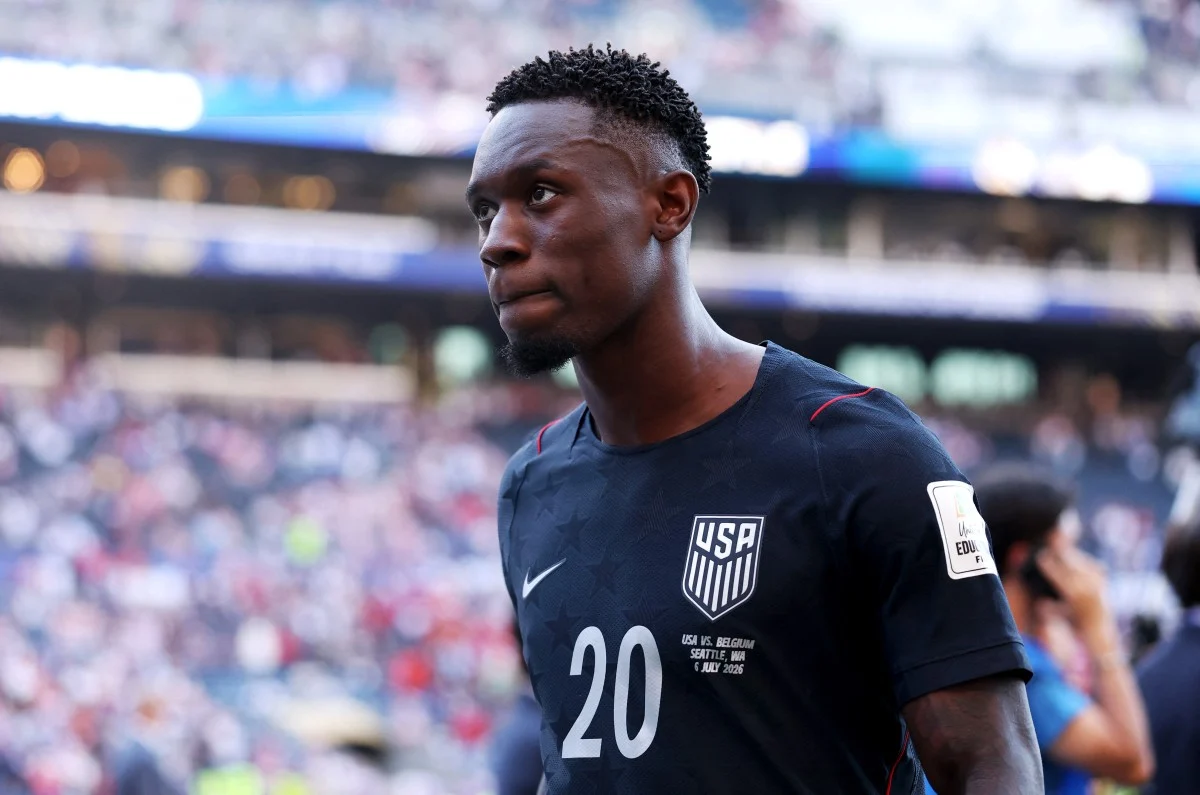
The final blow came on Monday, July 6, at Lumen Field in Seattle. The United States, having navigated a challenging group, were soundly defeated 4-1 by a dominant Belgian team. The match was shrouded in pre-game tension, exacerbated by controversy surrounding the reinstatement of a red card for U.S. forward Folarin Balogun and high-profile political commentary from U.S. President Donald Trump, which added an unusual layer of external pressure to the squad. The result was a clinical dismantling of the American defense, signaling the end of the co-hosts’ participation in the 2026 tournament.
Historical Context of the 2026 Format
The 2026 FIFA World Cup represents a massive departure from previous iterations of the competition. It is the first time in the history of the sport that three nations have jointly hosted the event, a logistical undertaking that spanned 16 cities across the continent. The transition to a 48-team format, intended to increase inclusivity and revenue, has provided a unique stage for underdog nations to shine. However, the elimination of all three hosts by the Round of 16 serves as a stark reminder of the unpredictable nature of elite international football, regardless of the home-field advantage.
The tournament began on June 11, with matches distributed across 11 U.S. cities, three in Mexico, and two in Canada. As the tournament progressed, the strain of travel and the varying environmental conditions—from the high altitudes of Mexico City to the temperate climates of the Pacific Northwest—became a significant factor in player performance.
Tactical Analysis and Technical Implications
From a technical standpoint, the exit of the three host nations provides a wealth of data for football analysts. Canada’s reliance on key individual talent proved to be a vulnerability; once their star players were compromised by injury, their tactical structure lacked the depth to compensate. Mexico, meanwhile, struggled with transition defense against high-pressing European teams. The speed with which England dismantled their backline in the first half of their Round of 16 clash highlighted a systemic issue in Mexico’s defensive organization, a problem that appeared to persist despite multiple tactical adjustments throughout the group stage.

The United States’ campaign was perhaps the most scrutinized. The 4-1 loss to Belgium highlighted a gap in quality between the U.S. team and the top-tier European contenders. While the U.S. showed flashes of individual brilliance, their inability to maintain defensive structure under pressure against Belgium’s counter-attacking style proved fatal. The controversy regarding personnel decisions and the public discourse surrounding the team likely contributed to an environment where the players were unable to focus entirely on the tactical requirements of the knockout phase.
Official Responses and Coaching Transitions
The immediate aftermath of these defeats has already triggered significant personnel changes. In Mexico, the Mexican Football Federation confirmed that coach Javier Aguirre would be stepping down following the tournament. His assistant, Rafael Marquez, is expected to take the helm. Marquez, a legend in Mexican football, faces the immediate task of rebuilding the squad’s confidence and preparing them for the next cycle of international competition.
In the United States, the mood is one of introspection. While there has been no immediate announcement regarding the future of the coaching staff, the U.S. Soccer Federation is expected to conduct a comprehensive review of the 2026 performance. The U.S. team’s inability to leverage the "home field" advantage has sparked a nationwide debate regarding the development of the domestic game and the necessity for more rigorous competition in the lead-up to major international tournaments.
The Path Forward: Who Remains?
With the hosts out, the focus of the tournament has shifted entirely to the remaining contenders. The quarter-final bracket now features an international mix of powerhouses and emerging forces. Morocco, following their impressive victory over Canada, remains a central figure in the tournament, carrying the hopes of African football. They are joined by European stalwarts including France, Norway, Spain, and Belgium, alongside the ever-dangerous Argentina.
The presence of teams like Colombia or Switzerland, along with the potential for further upsets, ensures that the remainder of the 2026 World Cup will be fiercely contested. As the tournament approaches its July 19 conclusion, the focus moves away from the logistics of hosting and squarely onto the pursuit of the most coveted trophy in global sports.
Broader Impact on the Sport
The 2026 World Cup has proven that even with an expanded format and the benefits of home-field advantage, the competitive gap in international football remains narrow. The elimination of the three co-hosts will undoubtedly affect local ticket sales and fan engagement levels for the final rounds, but it also elevates the "neutral" matches that are now set to take center stage. For FIFA, the goal remains to deliver a successful final in the United States, ensuring that the legacy of the 2026 tournament is defined by the quality of play rather than the early exit of the host nations.
As the world turns its attention to the quarter-finals, the narrative of the 2026 World Cup has officially moved into a new phase. The "host country effect" has been nullified, leaving the world’s best players to battle for supremacy on a level playing field, with the ultimate prize still very much within reach for any of the remaining eight teams. The historic nature of this tournament, as the first 48-team event, will be remembered not only for its scale but for the swift and decisive way in which the home teams were removed from the competition.