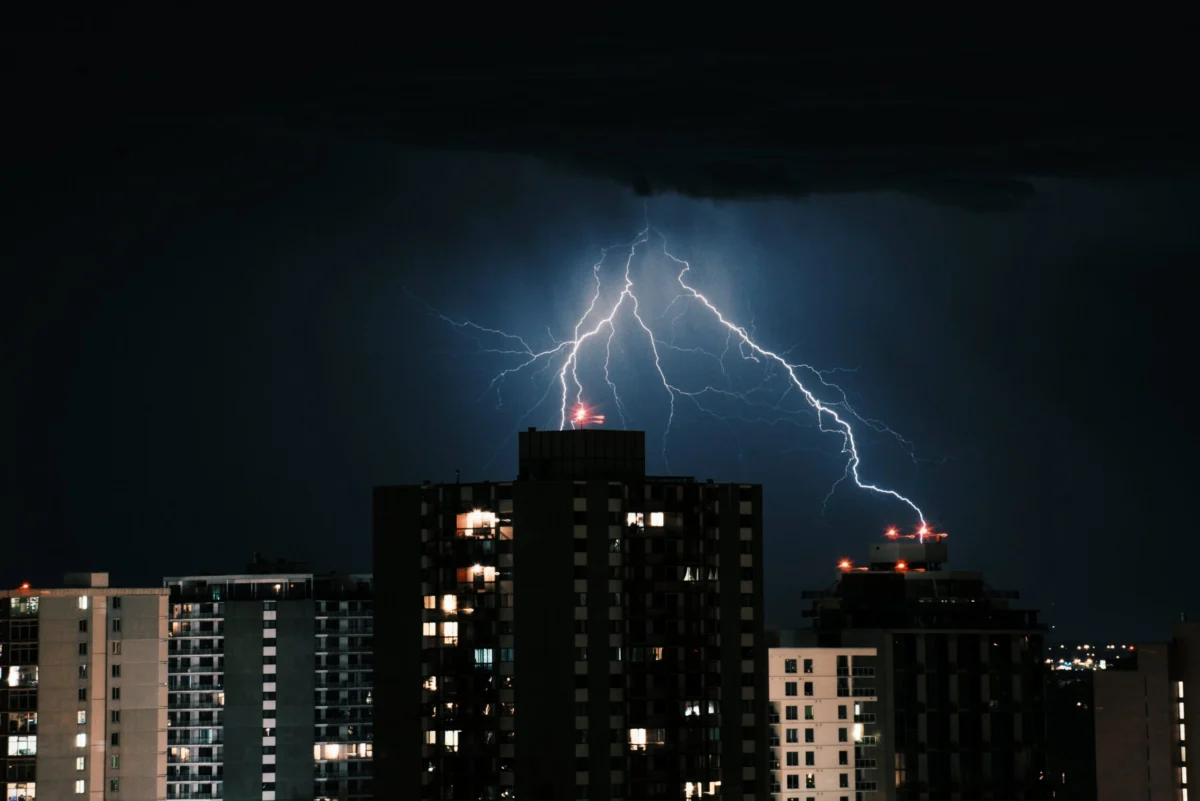
A Warm Front’s Advance Promises Abundant Rainfall and Gusty Winds Across Argentina This Weekend
The National Meteorological Service (SMN) has issued a stark forecast for the upcoming weekend, detailing the imminent arrival of a significant weather system characterized by abundant rainfall and powerful wind gusts. This meteorological phenomenon is poised to impact the Greater Buenos Aires Metropolitan Area (AMBA) and a broad swathe of Argentine provinces, signaling a notable shift in conditions as autumn continues its embrace. The driving force behind this impending change is a warm front, which will usher in increased humidity and a rise in temperatures, a stark contrast to the seasonal cooling typically expected.
The most pronounced alteration in atmospheric conditions is anticipated to unfold throughout Friday, a day marked by an undeniable escalation in atmospheric instability. This instability is the precursor to the more widespread and impactful weather events slated for Saturday and Sunday. The SMN’s pronouncements serve as a critical advisory for residents across various regions, urging preparedness for a weekend that deviates significantly from the ordinary.
A Detailed Look at the Forecast: AMBA and Beyond
For the Autonomous City of Buenos Aires (CABA) and its surrounding metropolitan area, the progression of the weather is clearly outlined. Thursday is expected to see a high of 25 degrees Celsius and a low of 17 degrees Celsius, with a sky characterized by fog and cloud cover. However, the true shift begins on Friday. Temperatures will climb, with the maximum forecast at 26 degrees Celsius and the minimum rising to 19 degrees Celsius. The sky will predominantly be overcast, signaling the approaching system.
The weekend will bear the brunt of this meteorological transition. Saturday is predicted to be significantly more unstable, with the maximum temperature reaching 25 degrees Celsius and the minimum climbing to 21 degrees Celsius. Crucially, there is a 10% to 40% probability of thunderstorms throughout the day. Sunday offers a slight respite in terms of temperature, with the maximum expected to peak at 27 degrees Celsius and the minimum at 22 degrees Celsius, though the underlying instability may persist, warranting continued monitoring.
Southern Provinces Under Alert: Wind and Rain Warnings
Beyond the AMBA, the SMN has placed several southern provinces under yellow alert, a designation signifying a moderate risk of adverse weather conditions. Chubut, Santa Cruz, and Tierra del Fuego are specifically named as regions expected to experience significant impacts. In these areas, winds are projected to range between 40 and 65 kilometers per hour, with gusts potentially exceeding 110 kilometers per hour. This level of wind intensity poses a risk of falling trees, power outages, and disruptions to transportation.
Furthermore, the forecasted rainfall in these southern regions is expected to be substantial, with accumulations estimated to be between 15 and 30 millimeters. Such rainfall, especially when combined with strong winds, can lead to localized flooding, particularly in low-lying areas and urban centers. The SMN’s advisories for these provinces are a clear call for residents to secure loose outdoor items, exercise caution when traveling, and stay informed about any localized warnings or evacuation orders that may be issued by regional authorities.
Understanding the Meteorological Dynamics: A Warm Front’s Influence
The meteorological scenario unfolding is a classic example of a warm front’s interaction with existing atmospheric conditions. Warm fronts occur when a warmer air mass advances and overrides a cooler air mass. This process often leads to widespread, steady precipitation as the warm, moist air rises, cools, and condenses. The accompanying increase in humidity and temperature is a direct consequence of the warmer air mass displacing the cooler one.
In the context of Argentina, particularly as the country transitions into autumn, such warm fronts can be significant. Autumn in the Southern Hemisphere typically brings cooler temperatures and drier conditions. However, the arrival of a strong warm front can temporarily reverse this trend, introducing a period of unsettled weather that can feel unusually warm and humid for the season. The SMN’s prediction of "abundant rainfall" and "gusty winds" suggests a robust front, likely associated with a low-pressure system that will draw in moisture from the Atlantic Ocean.

Timeline of the Weather Event: From Instability to Full Impact
The meteorological shift is not expected to be instantaneous but rather a progressive development throughout the week.
- Thursday: The initial signs of change will be evident, with increasing cloudiness, fog, and a slight rise in temperatures, particularly overnight lows. This day represents the calm before the storm, a period of transition.
- Friday: This day marks a significant escalation in instability. The atmosphere becomes more charged, leading to a noticeable increase in cloud cover and the potential for isolated showers or thunderstorms in some areas. Temperatures will continue their upward trend. This day is critical as it sets the stage for the more intense weather expected over the weekend.
- Saturday: This is anticipated to be the peak of the unstable weather. Widespread rain is expected, and the probability of thunderstorms increases. The wind will also pick up considerably, especially in the southern regions. For the AMBA, while perhaps not as severe as in the south, Saturday will still be characterized by unsettled conditions and a higher chance of precipitation.
- Sunday: While temperatures may remain elevated, the intensity of the rainfall might begin to decrease in some areas. However, the overall atmospheric instability could persist, leading to lingering showers or the possibility of further convective activity. The southern provinces will likely still experience strong winds, though the peak intensity may have passed.
Supporting Data and Context: Historical Patterns and Climate Considerations
Argentina, due to its vast geographical expanse and proximity to both the Andes Mountains and the Atlantic Ocean, experiences a wide range of weather phenomena. Coastal regions, including Buenos Aires, are often influenced by systems moving in from the Atlantic, which can carry significant moisture. Inland areas are subject to different influences, including continental air masses and orographic effects from the Andes.
The occurrence of warm fronts in autumn is not unusual, but their intensity can vary. A warm front that brings "abundant rainfall and gusty winds" suggests a more potent system than a typical autumnal weather change. This could be linked to broader atmospheric patterns, such as El Niño or La Niña cycles, or even shifts in the polar vortex, although the SMN’s current forecast focuses on the immediate, short-term event. Understanding these broader patterns often requires analysis of larger climate datasets and longer-term trends, which are typically provided by meteorological agencies over extended periods.
Official Responses and Public Advisory
The National Meteorological Service (SMN) plays a crucial role in disseminating vital weather information to the public and relevant authorities. Their issuance of yellow alerts for specific provinces is a formal mechanism for highlighting areas at moderate risk. This typically involves providing detailed information on the expected intensity of wind, rainfall, and any associated hazards.
Beyond the SMN’s direct advisories, it is expected that provincial and municipal civil defense agencies will be coordinating responses. This might include:
- Public Awareness Campaigns: Encouraging residents to stay informed, prepare their homes, and avoid unnecessary travel.
- Infrastructure Checks: Ensuring drainage systems are clear to mitigate flooding, and monitoring critical infrastructure like power lines.
- Emergency Services Preparedness: Alerting emergency responders to be ready for increased call volumes related to weather-related incidents.
The SMN’s communication strategy typically involves daily updates, accessible through their website, mobile applications, and media partnerships. Their forecasts are a cornerstone for planning by individuals, businesses, and government entities alike. The emphasis on "abundant rainfall" and "gusty winds" suggests a need for vigilance, especially for outdoor activities and travel.
Broader Impact and Implications: Beyond the Weekend Forecast
The immediate implications of this weather system are clear: disruption to outdoor activities, potential travel delays, and a need for personal preparedness. However, the broader impact can be more nuanced.
- Agriculture: For agricultural regions, timely rainfall can be beneficial, especially if the preceding period has been dry. However, excessive rain combined with strong winds can damage crops, particularly those that are mature or nearing harvest. The specific impact will depend on the agricultural calendar and the exact intensity and duration of the rainfall in rural areas.
- Urban Infrastructure: Heavy rainfall can strain urban drainage systems, leading to localized flooding and traffic disruptions. Gusty winds can pose a risk to unsecured objects and can cause power outages if trees fall on power lines.
- Water Resources: For regions experiencing drought, the anticipated rainfall could offer some relief, helping to replenish reservoirs and groundwater levels. However, the rate of rainfall and its ability to effectively infiltrate the soil are crucial factors in determining the long-term benefit.
- Public Health: While not directly a health crisis, severe weather can indirectly impact public health through accidents, exacerbation of existing conditions due to stress, and the potential for waterborne illnesses if flooding contaminates water sources.
The SMN’s forecast serves as a vital early warning system, allowing for proactive measures to be taken. By understanding the nature of the approaching warm front and its potential consequences, communities can better prepare for and mitigate the impacts of this significant weather event. As the weekend approaches, continued monitoring of the SMN’s updates will be essential for staying abreast of any adjustments to the forecast and for ensuring personal safety and preparedness. The arrival of this system is a potent reminder of the dynamic nature of weather and the importance of reliable meteorological information in navigating its challenges.

Related Posts

The Electric Vehicle Battery Health Debate Emerges as Argentina’s EV Market Accelerates

President Donald Trump Confirms Secret Departure from Turkey Amidst Assassination Threat