A Man in Los Angeles Builds and Sells Tiny Wooden Homes for the Homeless for $150
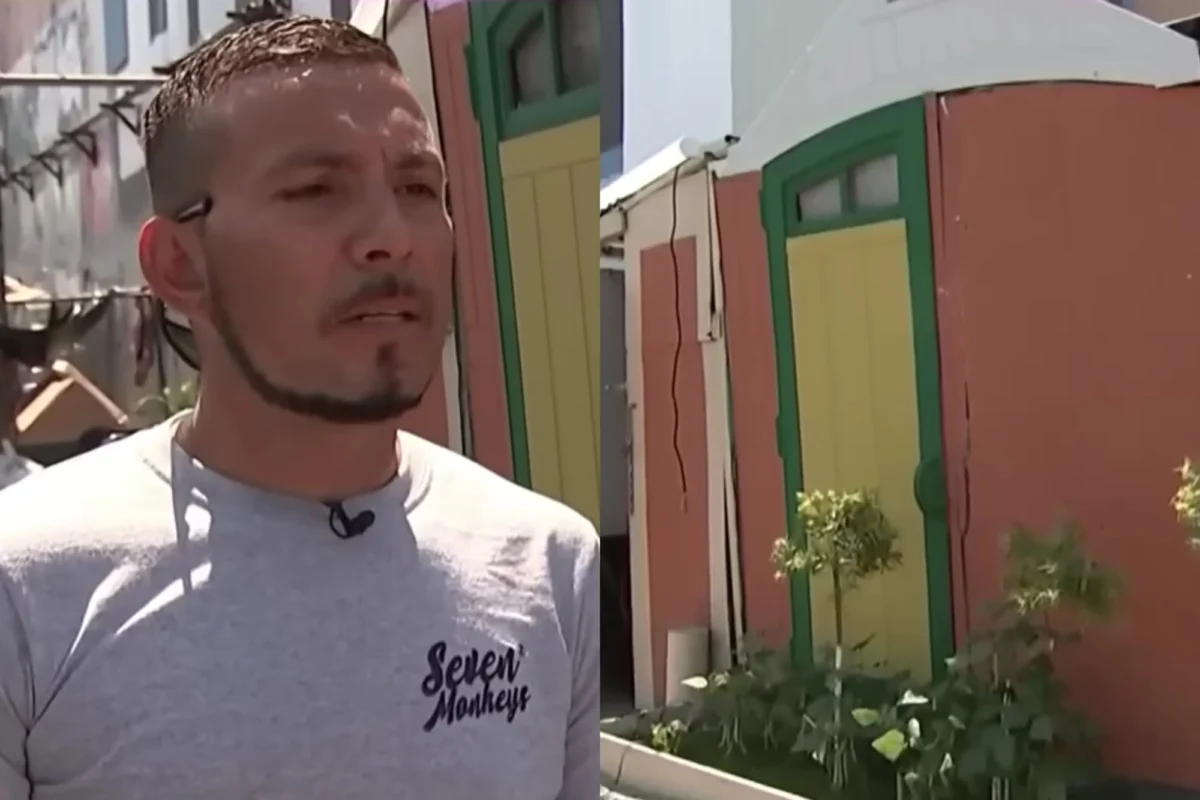
In a remarkable display of ingenuity and compassion, Osvaldo Medrano, a resident of Los Angeles, California, has taken it upon himself to address the pervasive issue of homelessness by constructing and selling affordable, compact homes made primarily from reclaimed wood and corrugated metal. These innovative dwellings, priced at an astonishingly low $150 each, offer a semblance of stability and dignity to individuals struggling to find shelter in one of America’s most expensive cities. Medrano’s initiative, born from his own experiences with housing insecurity, is providing a tangible and accessible solution for those often overlooked by traditional support systems.
The genesis of Medrano’s project lies in his personal journey. Having faced the harsh realities of living on the streets himself, he understands firsthand the profound need for safe and secure personal space. "Living on the street made me realize how crucial having your own space is," Medrano shared with Telemundo 44, the local news outlet that first highlighted his work. His initial dwelling, a testament to his resourcefulness, was constructed from salvaged materials and even featured a small front garden, demonstrating a desire to cultivate not just shelter, but a sense of home. This personal endeavor soon blossomed into a mission as he witnessed the impact his creation had on others.
From Personal Shelter to Community Solution
The turning point for Medrano’s project came when homeless individuals passing by his initial structure expressed keen interest and a desire for similar accommodations. "They would pass by, see it, and say they wanted one just like it," he recounted. This organic demand spurred him to transform his personal solution into a small-scale business aimed at helping others escape the precariousness of street living. Medrano’s humble workshop, currently located in the Stanford and 11th Street area of Los Angeles, has since produced six such units, with more in various stages of construction.
The economic model behind these tiny homes is as groundbreaking as their purpose. Priced at $150, they represent a fraction of the cost of even the most basic transitional housing or emergency shelters. Medrano often works with a deposit of $100 to commence construction, a payment plan that further accommodates the limited financial resources of his clientele. This flexible approach allows individuals to secure a personal dwelling with a manageable upfront investment. One notable instance involved a woman seeking a mobile home, whom Medrano accommodated with his flexible payment structure.
Designing for Dignity and Practicality
Each of Medrano’s creations, while modest in size, is designed with essential amenities to enhance the quality of life for its occupants. One particular unit showcased to Telemundo 44 included a sleeping area, a television, and crucially, an air conditioning unit. This inclusion is a direct response to the often sweltering climate of Southern California, where extreme heat can pose a significant health risk to those without adequate shelter. The air conditioning, a luxury often unavailable in makeshift shelters, provides a vital measure of comfort and safety.
Beyond basic comfort, Medrano’s designs incorporate practical features aimed at promoting cleanliness and personal organization. An integrated space near the entrance is designated for hygiene, allowing residents to maintain personal cleanliness and manage their belongings. This emphasis on maintaining order and personal care is a direct reflection of Medrano’s own principles, which he strives to uphold even in his current living situation. "I try to maintain the principles I had when I lived in my apartment," he stated, underscoring the importance of tidiness and avoiding accumulation, especially given the limited space.
Addressing the Limitations of Traditional Shelters
Medrano’s initiative offers a compelling alternative to traditional homeless shelters, which often present a set of challenges for individuals seeking refuge. "Shelters have rules, and people on the street are going to live anyway, just in something different," Medrano explained. He highlights that his homes provide a more private and less restrictive environment compared to the often crowded and regulated atmosphere of communal shelters. For many, the strictures of shelter living, including curfews and behavioral guidelines, can be a barrier to seeking assistance. Medrano’s tiny homes offer a "more private" option, allowing individuals to maintain a greater degree of autonomy and personal space, which is crucial for their sense of self-worth and dignity.
His vision extends to replacing temporary, often unsanitary, forms of shelter like tents made of plastic or rags. "They are no longer going to be houses made of trash or tents made of plastic or rags," he asserted, emphasizing the durable and more dignified nature of his constructions. This commitment to providing a better alternative is at the heart of his philanthropic endeavor.
Logistical Support and Community Collaboration
The practicalities of operating these tiny homes have also been addressed through community collaboration. Medrano has secured permission from owners of a local business to access their electricity, which powers the appliances within the homes. Water for personal hygiene is sourced from a nearby tap and transported using buckets, a testament to the resourcefulness required in such circumstances. The inclusion of wheels on some models further enhances their utility, allowing for easier relocation should the need arise.
Medrano dedicates his free time to this entrepreneurial venture, working as a cleaner in warehouses to support himself. His commitment is evident in the hours he invests in building these homes, demonstrating a profound dedication to improving the lives of his fellow community members. The project, while small in scale, represents a significant grassroots effort to combat homelessness in Los Angeles, a city grappling with a growing housing crisis.
The Broader Context of Homelessness in Los Angeles
The issue of homelessness in Los Angeles is a complex and multifaceted challenge. As of the most recent official counts, the city and county of Los Angeles are home to tens of thousands of individuals experiencing homelessness. The primary drivers of this crisis include a severe shortage of affordable housing, stagnant wages, rising rental costs, and inadequate mental health and addiction services. The median rent for a one-bedroom apartment in Los Angeles County can exceed $2,000 per month, making it virtually impossible for low-wage workers and those on fixed incomes to secure stable housing.
The economic landscape of Los Angeles, while characterized by significant wealth and innovation, also features a stark divide between the affluent and the impoverished. This disparity is particularly visible in the prevalence of tent encampments and individuals living on the streets in various parts of the city. In response to the escalating crisis, various initiatives have been launched by city and county officials, as well as non-profit organizations. For instance, Mayor Karen Bass announced a significant investment of over $300 million in affordable housing initiatives in early 2023, signaling a concerted effort to address the systemic issues. However, the pace of construction and the sheer scale of the problem mean that many individuals continue to live without adequate shelter.
Medrano’s $150 homes, while not a comprehensive solution to the systemic issues of housing affordability and poverty, offer an immediate and impactful intervention for individuals. They represent a low-barrier entry point to stable housing, allowing people to move out of encampments and into a more secure environment. The success of his project highlights the potential for creative, community-driven solutions that can complement larger governmental and organizational efforts.
Analyzing the Implications and Future Potential
The implications of Osvaldo Medrano’s initiative are far-reaching. Firstly, it demonstrates that practical and dignified shelter can be provided at an exceptionally low cost, challenging conventional notions of what constitutes affordable housing. His use of recycled and repurposed materials not only reduces construction costs but also aligns with environmental sustainability principles. This approach could inspire similar initiatives in other urban centers facing similar housing crises.
Secondly, the project underscores the critical role of individual agency and community support in addressing social issues. Medrano’s personal experience and his drive to help others have created a ripple effect, providing not just shelter but also a sense of hope and empowerment to those who have been marginalized. The fact that his creations are sought after by the homeless population itself speaks volumes about the unmet need for such solutions.
While Medrano’s current operation is on a small scale, the potential for expansion is significant. If replicated and supported by local governments, non-profit organizations, or even private donors, this model could be scaled up to provide thousands of these tiny homes to those in need. This could involve establishing larger workshops, sourcing materials more efficiently, and developing partnerships to identify individuals most in need of this type of housing. The logistical challenges, such as securing land for placement and providing access to essential services like sanitation and utilities, would need to be carefully considered and addressed in any scaled-up model.
The story of Osvaldo Medrano is a powerful reminder that innovation and compassion can emerge from the most unexpected places. His dedication to providing affordable housing, one $150 home at a time, offers a beacon of hope in the ongoing struggle to end homelessness in Los Angeles and beyond. His work serves as a testament to the power of human ingenuity and the profound impact one individual can have when driven by a desire to make a difference. The ongoing success of his small business is not just measured in dollars and cents, but in the improved lives and restored dignity of the individuals who find refuge within his meticulously crafted wooden shelters.

Related Posts

The Electric Vehicle Battery Health Debate Emerges as Argentina’s EV Market Accelerates

President Donald Trump Confirms Secret Departure from Turkey Amidst Assassination Threat