Escalation Intensifies as IRGC Claims Syria Strike Amidst Widespread US Bombings and Regional Iranian Retaliation
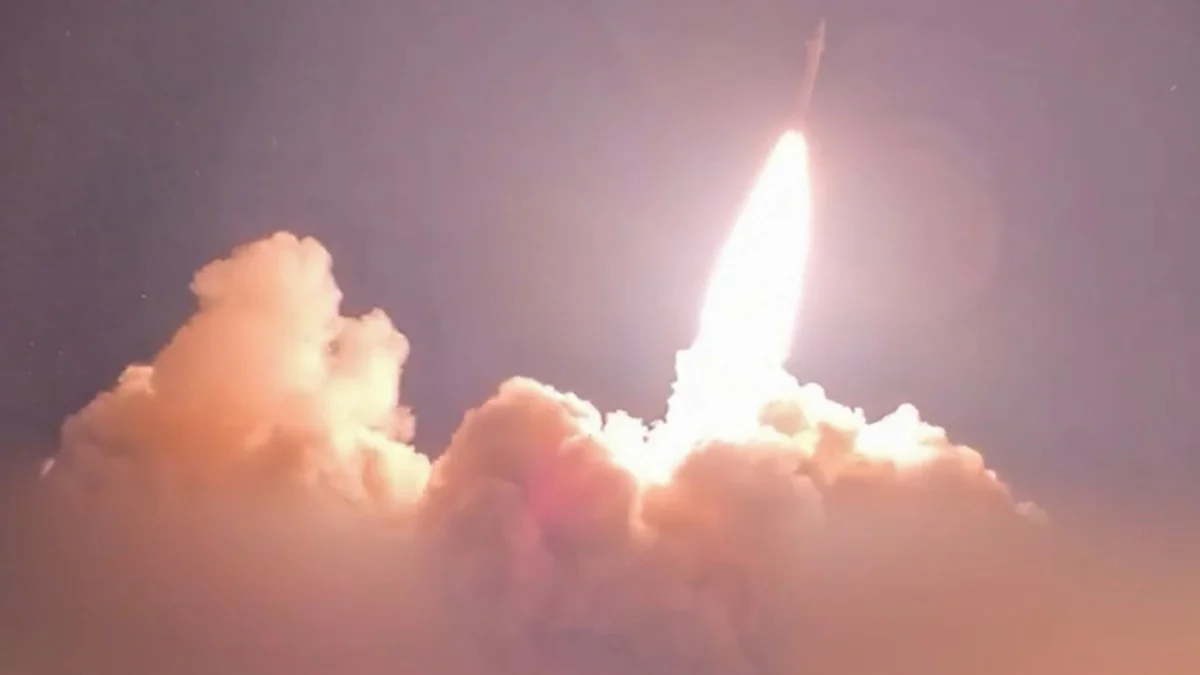
The Middle East is grappling with a rapidly escalating conflict as Iran’s Islamic Revolutionary Guard Corps (IRGC) claimed responsibility for a missile strike targeting a U.S. special operations command center at al-Tanf in Syria on Friday, July 16, 2026. This assertion, relayed via the Tasnim news agency, came as the United States continued its bombing campaign against Iran for a sixth consecutive night, marking a severe intensification in the conflict that has gripped the region since late February. While the IRGC maintained its strike hit the base, a Syrian military source, speaking to Reuters, contradicted this, stating the attack occurred near al-Tanf but did not impact the facility itself, reporting no casualties or material damage. This incident represents the first reported attack on Syrian territory since the broader U.S.-Israeli war on Iran commenced earlier in the year, drawing Syria closer to a conflict it has explicitly sought to avoid.
The alleged IRGC strike was presented as direct retaliation for the killing of Iranian soldiers in Iranshahr, a city that has become a flashpoint in the renewed hostilities. The broader context for these events is a protracted period of heightened tensions, with the U.S. resuming direct military operations against Iran on June 22, setting the stage for the current cycle of tit-for-tat attacks that have now spread across multiple countries in the Gulf and Levant. The White House, through Press Secretary Karoline Leavitt, stated late on Thursday that President Donald Trump was "open to diplomacy" and that the U.S. was "still talking with Iran," an assertion that stands in stark contrast to the intensifying military exchanges.
A Week of Escalation: U.S. Strikes and Iranian Countermeasures
The current wave of escalation marks a critical juncture in the U.S.-Iran confrontation, which initially manifested through proxy conflicts, cyber warfare, and targeted strikes, but has now transitioned into direct military engagements. The U.S. has significantly intensified its aerial campaign within Iranian territory, inflicting both civilian casualties and substantial infrastructure damage.
On Friday, following the strike on Iranshahr that killed several Iranian soldiers days prior, U.S. forces targeted Iranshahr airport. Iranian state television reported that this fresh strike wounded at least one civilian and caused significant damage to facilities, including electrical infrastructure and a fuel tank, leading to a power outage in the area. This was not an isolated incident; Iranian state media also reported that U.S. attacks on bridges in the south of the country had killed at least seven civilians. At least five bridges were damaged in these latest strikes, including the strategically important Gariveh bridge in Hormozgan province’s Khamir County, disrupting vital transportation routes. Concurrently, explosions were reported in the port city of Chabahar, in Iran’s southeastern Sistan and Baluchestan province, a key strategic port. Further reports indicated another U.S. strike in Bandar Abbas, a major port city in southern Iran, resulting in one fatality and eight injuries.
The humanitarian toll within Iran since the U.S. resumed its attacks on June 22 has been grim. The Iranian health ministry reported at least 38 people killed and over 400 wounded across the country. Among the fatalities were one child and three women, while nine children and 22 women were counted among the injured, highlighting the severe impact on non-combatants.
Regional Repercussions: Iranian Attacks Across the Gulf

In a clear demonstration of Iran’s capacity to project power and retaliate across the region, a series of drone and missile attacks were reported in multiple countries hosting U.S. military assets. This widespread retaliation underscored the interconnected nature of security in the Middle East and the immediate risks posed by the escalating conflict.
- Kuwait: Kuwaiti air defenses were activated, responding to "hostile missile and drone attacks" emanating from Iran. The Kuwaiti army confirmed the defensive actions, indicating the direct threat posed to the Gulf nation.
- Bahrain: Sirens blared across Bahrain, prompting the interior ministry to issue an urgent advisory for citizens and residents to "remain calm and head to the nearest safe place." This announcement followed an IRGC claim, reported by Tasnim news agency, that it had targeted U.S. helicopters and a reconnaissance aircraft at Bahrain’s Sakhir Air Base, a significant U.S. military installation.
- Qatar: Early on Friday, multiple explosions rocked Qatar’s capital, Doha. The Gulf state subsequently announced it had successfully intercepted a missile attack. Tragically, one child was wounded by falling shrapnel resulting from these "interception operations," according to Qatar’s interior ministry, illustrating the direct danger to civilian populations.
- Oman: The IRGC further claimed to have targeted a U.S. maritime surveillance radar in Oman, indicating a broad targeting strategy aimed at U.S. intelligence and operational capabilities across the Arabian Sea and Gulf.
- Jordan: Jordanian authorities reported that three Iranian missiles targeting the country were intercepted, with no casualties or damage reported. This incident highlights the expanding geographical scope of the conflict.
- Iraq: In the northern Kurdistan region of Iraq, the U.S.-led coalition shot down several drones over Erbil, as confirmed by Kurdish counterterrorism forces. This reflects the persistent threat to U.S. and allied forces in Iraq, where a delicate balance of power already exists.
Background and Chronology of a Deepening Crisis
The current surge in hostilities is rooted in a broader "U.S.-Israeli war on Iran" that began in late February 2026. This conflict, initially characterized by covert operations, cyberattacks, and proxy skirmishes, has steadily escalated, culminating in direct military confrontations.
- Late February 2026: The U.S.-Israeli war on Iran officially begins, though its origins can be traced back years through various regional flashpoints. In the same month, the U.S. military announced its withdrawal from al-Tanf, a strategic garrison near Syria’s borders with Jordan and Iraq. Al-Tanf had served as a critical outpost for U.S. forces, primarily engaged in counter-terrorism operations and countering Iranian influence in the region.
- March 2026: Syrian President Ahmed al-Sharaa publicly declared his country’s intention to remain neutral in the escalating conflict, stating Syria would stay out of any conflict unless directly attacked. This position now appears increasingly untenable given the IRGC’s claimed strike.
- June 22, 2026: The U.S. officially resumes direct military attacks on Iran, marking a significant shift towards overt military engagement and triggering the current six-week period of intense exchange.
- Days Prior to July 16: Iranian soldiers are killed in Iranshahr, prompting vows of retaliation from Tehran.
- July 16, 2026 (Friday):
- IRGC claims missile strike on U.S. special operations command center at al-Tanf, Syria, citing retaliation for Iranshahr deaths. Syrian military source disputes direct hit on base, reports no damage/casualties.
- U.S. forces attack Iranshahr airport, wounding at least one civilian and damaging infrastructure.
- U.S. strikes on bridges in southern Iran kill at least seven civilians and damage five bridges.
- Explosions heard in Chabahar and Bandar Abbas, with one fatality and eight injuries reported in Bandar Abbas.
- Widespread Iranian missile and drone attacks reported across the Gulf: Kuwait, Bahrain, Qatar, Oman, Jordan, and Iraq.
Diplomatic Efforts Amidst Rising Tensions
Despite the intense military actions, a glimmer of diplomatic engagement persists. White House Press Secretary Karoline Leavitt’s statement regarding President Trump’s openness to diplomacy and ongoing communication with Iran suggests that channels, however tenuous, remain open. However, the efficacy of such overtures is severely tested by the relentless military escalation and the rising civilian death toll. International bodies and allied nations are likely to be exerting pressure behind the scenes for de-escalation, fearing the broader destabilization of a region already fraught with conflict. The paradox of simultaneous intense military action and diplomatic signaling underscores the complex and volatile nature of the current crisis.
Broader Impact and Implications
The escalation carries profound implications for regional stability and global security.
- Regional Instability: The widening geographical scope of the conflict, encompassing Syria, Iraq, Jordan, Kuwait, Bahrain, Qatar, and Oman, signifies a dangerous regionalization of hostilities. This risks drawing in additional actors and exacerbating existing tensions.
- Humanitarian Crisis: The rising civilian casualties and damage to critical infrastructure within Iran paint a grim picture of a worsening humanitarian situation. The displacement of populations and disruption of essential services could become severe if the conflict persists.
- Economic Consequences: The Gulf region is critical for global energy supplies. Attacks in and around key shipping lanes and energy infrastructure could lead to significant disruptions in oil and gas markets, causing price spikes and economic instability worldwide. The targeting of maritime surveillance radar in Oman also hints at potential threats to international shipping.
- Syria’s Precarious Position: Syria, already devastated by years of civil war, now finds itself increasingly vulnerable to being drawn into a wider conflict, potentially undermining fragile stability and reconstruction efforts. The U.S. withdrawal from al-Tanf earlier in the year was meant to reduce friction, but the current events demonstrate the enduring strategic importance of Syrian territory.
- Israeli Actions in Lebanon: In a related development indicating broader regional tension, the Israeli army has begun establishing a new line of permanent military posts in southern Lebanon, according to the Israeli daily Maariv. This move signals a strengthening of Israel’s military posture on its northern border, potentially anticipating further regional instability or aiming to capitalize on the preoccupation of other regional actors.
- International Response: The international community is likely to be deeply concerned, with calls for restraint and de-escalation intensifying from the United Nations, European Union, and other global powers. The risk of miscalculation leading to a full-scale regional war remains high.
The events of Friday, July 16, 2026, mark a significant and dangerous turn in the U.S.-Iran confrontation. With direct military exchanges intensifying, civilian casualties mounting, and the conflict spilling across national borders, the prospect of a wider, devastating regional war looms large, challenging diplomatic efforts and threatening to plunge the Middle East into unprecedented instability. The coming days will be crucial in determining whether the cycle of retaliation can be broken or if the region will descend further into conflict.

Related Posts
Over 150 Israeli Settlers Storm Al-Aqsa Compound and Perform Prayers, Violating Status Quo Under Police Protection.
UN Report Highlights Over 900 Obstacles Hampering West Bank Aid Amid Escalating Humanitarian Crisis