China Amplifies Taiwanese Opposition Voices in Expanded Cognitive Warfare Strategy to Discourage Defense Spending and Undermine Sovereignty
As Chinese warships and fighter jets staged massive military maneuvers around Taiwan in late 2025, a parallel offensive was unfolding across the digital landscape, targeting the hearts and minds of the island’s 23 million residents. On Douyin, the mainland-restricted version of TikTok, a news outlet operated by the Chinese Communist Party (CCP) released a 51-second video featuring Cheng Li-wun, a prominent leader of Taiwan’s opposition Kuomintang (KMT). In the clip, Cheng accused President Lai Ching-te of inviting Chinese aggression and "dragging all 23 million of us" into a "dead end, a road to death" by pursuing a platform of sovereignty and independence.
The video did not remain confined to the mainland’s firewall. Within hours, it surfaced on Facebook, YouTube, and other social media platforms widely used in Taiwan, marking a sophisticated evolution in Beijing’s "cognitive warfare" tactics. According to data from the Taipei-based research group IORG (Taiwan Information Environment Research Center) and testimonies from five senior Taiwanese security officials, China is increasingly "importing" the voices of Taiwanese critics to lend a veneer of domestic credibility to its propaganda. By amplifying politicians, retired military officers, and social media influencers who are critical of the ruling Democratic Progressive Party (DPP), Beijing aims to fracture Taiwanese social cohesion and erode the public’s will to invest in national defense.
The Mechanics of Digital Amplification
The scale of this information operation is vast and highly automated. Data provided by IORG, a non-partisan organization funded by academic institutions and Western governments, reveals the mechanics behind the surge. In the fourth quarter of 2025 alone, approximately 560,000 videos were posted on Douyin by 1,076 accounts managed by official CCP media entities. Of these, more than 18,000 videos specifically targeted issues related to Taiwan.
Using facial-recognition technology and manual verification, IORG identified 57 specific Taiwanese figures featured in 2,730 of these clips. The frequency of these appearances has increased dramatically; the volume of videos featuring Taiwanese voices more than doubled between October and November 2025, with total airtime jumping 164% to 369 minutes per month.
The selection of these voices is strategic. Of the top 25 Taiwanese figures appearing in Chinese state-produced content, 13 are affiliated with the KMT, including current lawmakers and former government officials. Two others belong to minor parties advocating for immediate unification, while the remaining ten are high-profile influencers known for their anti-DPP rhetoric. Cheng Li-wun emerged as the most frequently cited figure, appearing in 460 videos across 68 different Douyin accounts, generating over five million digital interactions, including likes, comments, and shares.
A Chronology of Intensified Cognitive Warfare
The intensification of this campaign correlates with significant political and military milestones over the past two years.
- Early 2024: Following the general election, the DPP retained the presidency but lost its majority in the Legislative Yuan (Taiwan’s parliament). This political shift provided a fertile ground for narratives of domestic division, which Beijing began to exploit by highlighting legislative gridlock.
- September 2025: Influencer Holger Chen Chih-han, a bodybuilder popular with Taiwan’s younger demographic, conducted a YouTube livestream where he referred to China as the "motherland" and stated that the people of the two sides were "one family." These clips were immediately harvested by China News Service and repackaged for mainland and global audiences.
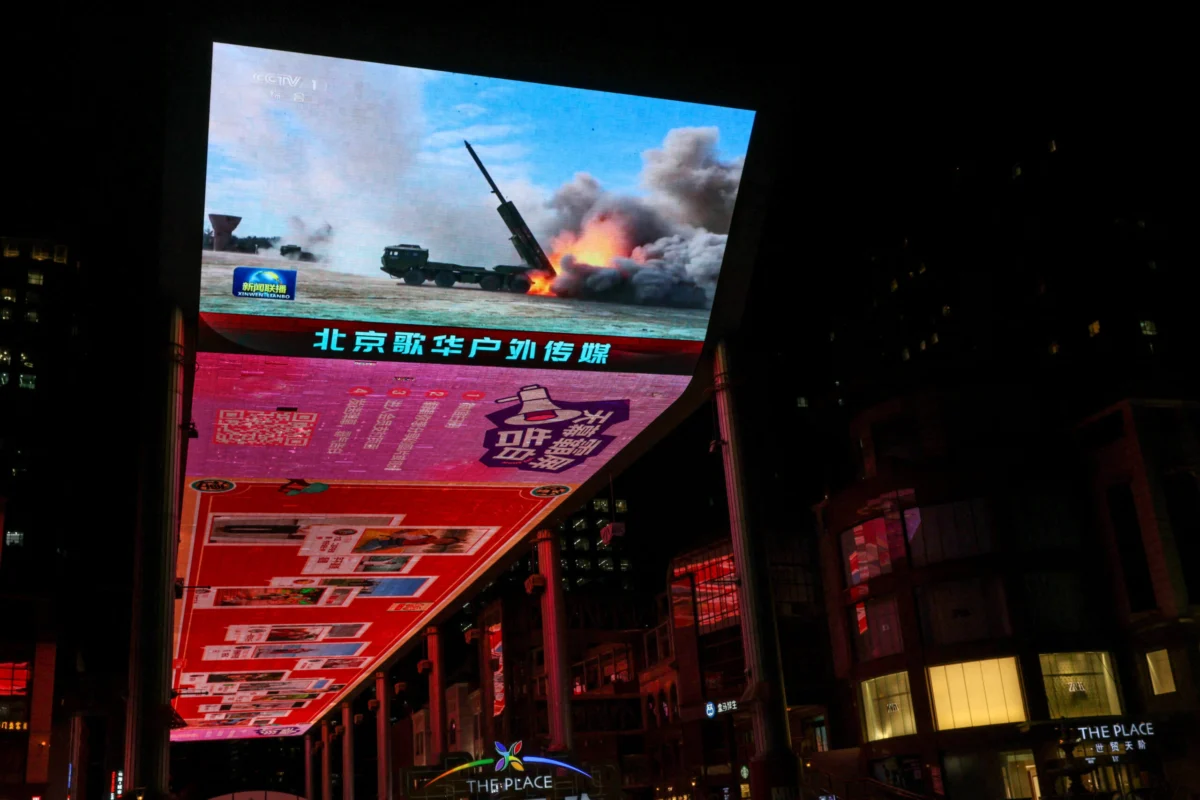
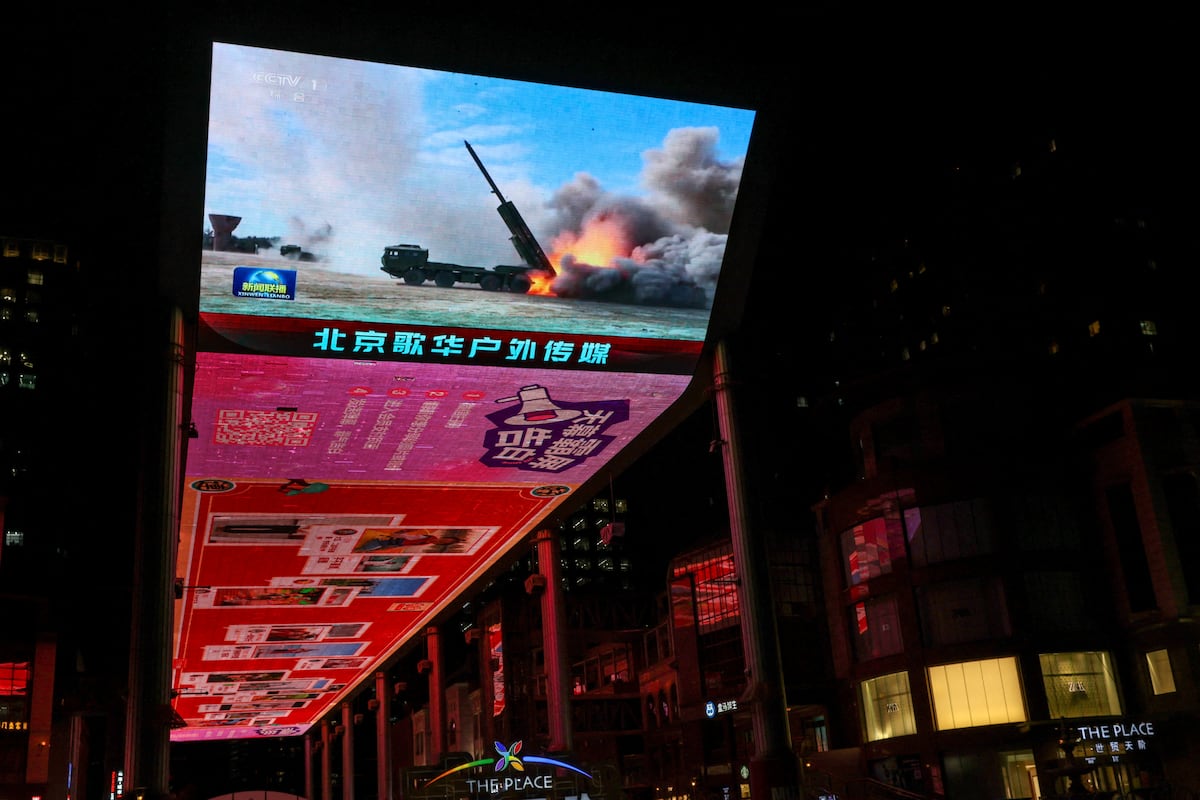
- December 2025: As the People’s Liberation Army (PLA) conducted large-scale "Joint Sword" style exercises, the digital narrative shifted toward the "futility of resistance." Clips of Taiwanese politicians criticizing President Lai’s "provocations" were synchronized with footage of PLA missile launches.
- January 2026: Taiwan’s National Security Bureau reported the discovery of over 45,000 inauthentic social media accounts and 2.3 million pieces of disinformation linked to Beijing, all aimed at weakening the public’s confidence in the military.
- April 2026: In a high-profile move, Cheng Li-wun traveled to Beijing to meet with Chinese President Xi Jinping. During the meeting, Xi emphasized the need for the KMT and CCP to "consolidate political mutual trust" to achieve "the motherland’s reunification." Footage of this meeting was used extensively to portray the KMT as the "party of peace" against the DPP’s "party of war."
Targeting the Defense Narrative
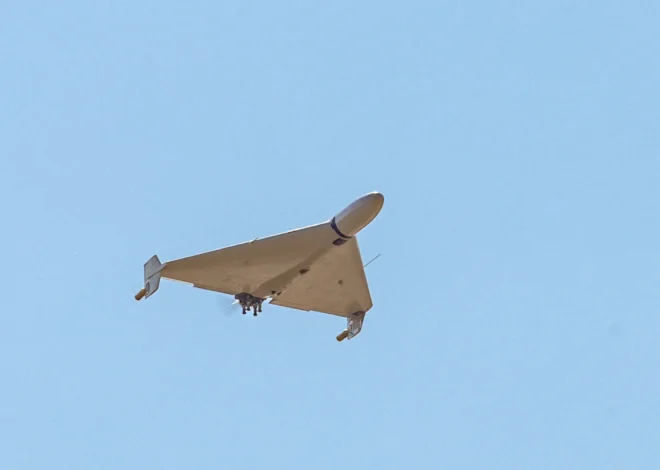
A primary objective of this cognitive campaign is to undermine Taiwan’s efforts to bolster its military capabilities. The DPP government has recently sought an additional $40 billion in defense outlays to procure advanced American weaponry, including missile launchers and surveillance drones.
To counter this, Chinese state media frequently amplifies retired Taiwanese military personnel who cast doubt on the island’s readiness. For instance, former Taiwan Army Colonel Lai Yueh-chien appeared in a China News Service video claiming that Chinese drones had successfully penetrated Taiwanese airspace undetected during the December drills. He further suggested that China could execute a "decapitation strike" against pro-independence leaders while they slept. Although the Taiwan Ministry of National Defense (MND) officially denied the drone claim, the video’s rapid spread on Facebook and YouTube served its purpose: instilling a sense of psychological despair.
Bonnie Glaser, head of the Indo-Pacific program at the German Marshall Fund, notes that this strategy is designed to create an environment where autonomy feels like a "dead end." By convincing the population that their military is incompetent and their allies are unreliable, Beijing hopes to lower the "cost" of a future takeover by reducing the likelihood of a determined civilian resistance.
Official Responses and Political Friction
The Taiwanese government has responded to these developments with a mixture of legislative action and public awareness campaigns. The Ministry of National Defense has prioritized "media literacy" within the armed forces, teaching soldiers to identify and ignore cognitive warfare. Additionally, the government issued a civil-defense handbook to households that explicitly warns: "Any claims of Taiwan’s surrender during a period of heightened tension must be considered false."
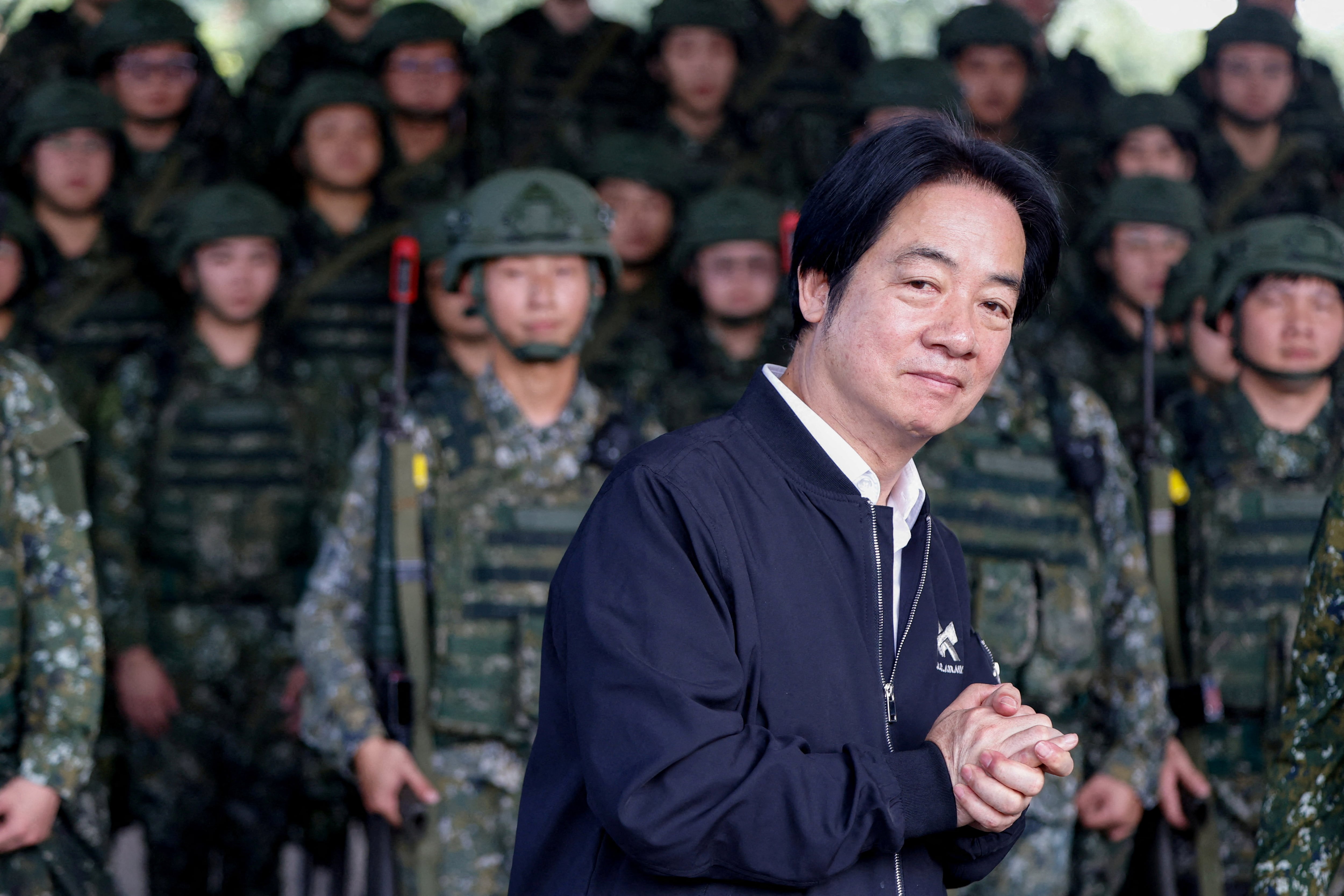
President Lai Ching-te’s office has remained firm, stating that cross-strait peace must be "built on strength, not on concessions to authoritarian pressure." The Mainland Affairs Council has also urged retired military officers to remember their "oath of loyalty" and to remain mindful of how their public statements are weaponized by the CCP.
In contrast, the KMT defends its members’ presence in Chinese media as a reflection of the "diversity of public opinion" in Taiwan. In a statement to Reuters, the party argued that Cheng Li-wun’s comments reflect the mainstream aspirations of the Taiwanese people for peace and that dialogue with Beijing is a necessary tradition to head off a crisis.
Chinese authorities, including the Taiwan Affairs Office and the Ministry of Defense, have consistently declined to comment on their information warfare tactics. Similarly, major tech platforms like Facebook (Meta), YouTube (Google), and TikTok have largely remained silent regarding the specific coordinated amplification of state-run propaganda on their services.
Analysis of Impact and Long-term Implications
Despite the deluge of messaging, the impact on Taiwanese public opinion remains complex. Long-running survey data from the Election Study Center at National Chengchi University suggests a degree of resilience among the populace. As of early 2026, support for maintaining the status quo indefinitely has actually risen to 33.5%, up from previous years. Support for immediate unification remains marginal, hovering around 7%.
However, security analysts warn that the goal of cognitive warfare is not necessarily to win "converts" to the cause of unification, but rather to create "strategic paralysis." By exacerbating internal political divisions, Beijing makes it more difficult for the Taiwanese government to achieve a consensus on massive defense spending or controversial security reforms.
The "gray zone" strategy—using non-kinetic means like disinformation and economic coercion alongside military posturing—is designed to wear down the target over time. As the digital tools used by the CCP become more sophisticated, involving AI-generated content and deepfake technology, the battle for Taiwan’s sovereignty is increasingly being fought not just in the Taiwan Strait, but on the smartphone screens of its citizens. The challenge for Taipei remains how to preserve a free and open democratic discourse while defending against a systematic effort to use that very openness as a weapon of subversion.

Related Posts
Pentagon Forges Landmark Seven-Year Agreements with Boeing and RTX to Accelerate Standard Missile-3 Production and Stabilize Defense Supply Chains
Boeing Unveils Ultra Low-Cost Seeker to Enhance Missile Inventory and Combat Cost Challenges in Modern Warfare