Soaring Fuel Prices and Regional Competition Threaten Hong Kong’s Aviation Hub Status Amidst Middle East Tensions
The escalating cost of jet fuel, exacerbated by ongoing geopolitical tensions in the Middle East, is prompting airlines to implement flight reductions, a move that aviation experts warn could temporarily diminish Hong Kong’s standing as a vital transit hub. While the full extent of the impact remains contingent on the duration of the Middle East conflict, the city faces a confluence of challenges, including fierce regional competition and a slower post-pandemic recovery, which could dilute its once formidable competitive edge.
Rising Costs Force Capacity Reductions
The immediate trigger for the current flight adjustments is the sharp and sustained increase in global fuel prices. Crude oil prices have seen significant volatility in recent months, directly translating into higher operating costs for airlines. This surge in expenditure, particularly for carriers operating extensive international networks, has necessitated a strategic reassessment of flight schedules. Airlines are increasingly finding it economically unviable to operate routes with lower passenger loads, leading to a consolidation of flights and, in some cases, outright cancellations.
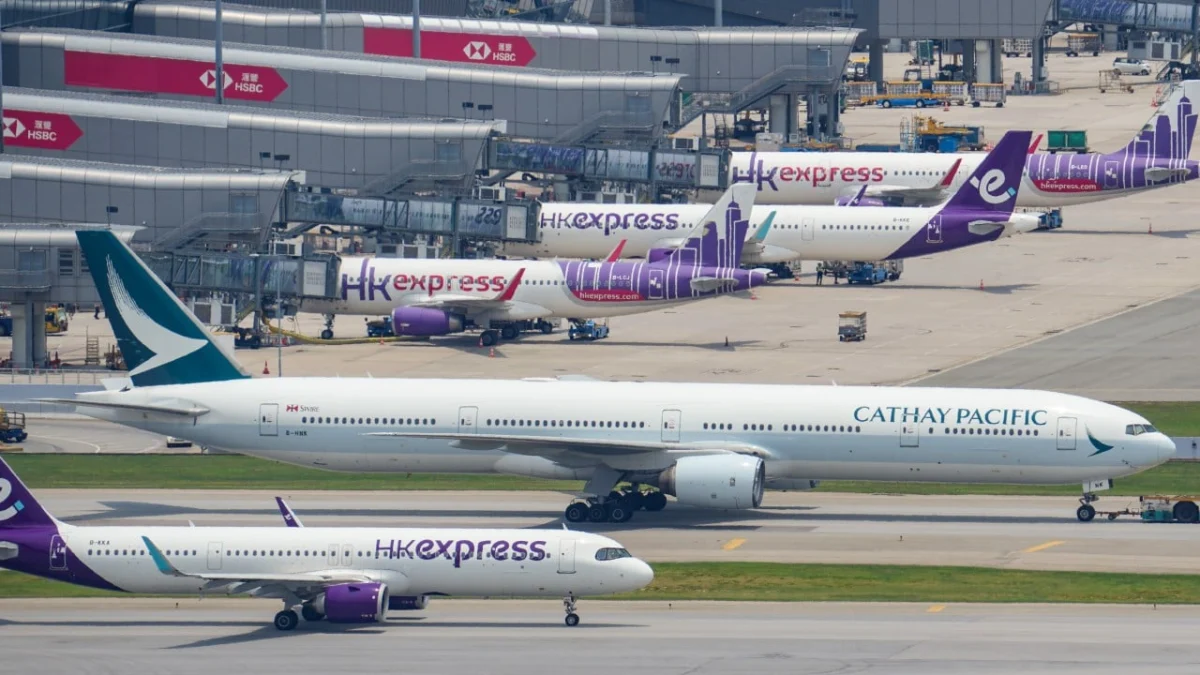
For Hong Kong, this translates into a tangible reduction in flight capacity. Cathay Pacific Airways, the city’s flag carrier, announced a cut of approximately 2 per cent of its flights scheduled between May 16 and June 30. These reductions are primarily concentrated on regional routes, which are often more sensitive to fluctuating operating costs due to their shorter flight durations and the potential for less profitable load factors. Additionally, a small number of services to Australia, South Asia, and South Africa will also be affected. The carrier’s budget arm, HK Express, is implementing more substantial cuts, cancelling about 6 per cent of its flights from May 11 to June 30. Cathay Pacific has characterized these capacity reductions as a "last resort," a necessary measure to "mitigate part of the increased costs" in an increasingly challenging economic environment.
Regional Rivalries Intensify
Beyond the immediate financial pressures, Hong Kong’s position as an aviation hub is under constant scrutiny due to intense competition from other major Asian cities and regions. Steven Cheung King-lung, chairman of the Hong Kong Professional Airline Pilots Association, highlighted this competitive landscape, noting that the city faces significant rivalry not only from established hubs like Singapore but also from the rapidly developing Greater Bay Area, as well as from Japan and South Korea.
"While Hong Kong is no more susceptible [to the impact of the war than its rivals], its competitive edge could be diluted," Cheung told the South China Morning Post. He further elaborated on the comparative recovery trajectories of different aviation markets. Hong Kong, he observed, has been relatively slower in its post-pandemic rebound compared to many of its Asian counterparts. This slower recovery can mean fewer passengers and less robust demand, making the city more vulnerable to the effects of reduced flight schedules.
The implications of these flight cuts extend beyond the immediate inconvenience to passengers. Longer layovers could become a more common reality, potentially prompting travelers to seek alternative routes and destinations that offer more convenient or direct connections. This could lead to a gradual erosion of passenger loyalty and a diversion of transit traffic away from Hong Kong.
Strategic Competition for Key Routes
The competitive pressures extend to specific long-haul markets as well. According to Cheung, airlines operating out of Hong Kong are locked in a battle with carriers based in Taipei and Tokyo for lucrative routes to the United States and Canada. Similarly, for European destinations, Hong Kong faces competition from airlines in Thailand, the Middle East, and those operating from mainland China. This multi-faceted competition means that any disruption or reduction in service from Hong Kong can have a more pronounced impact, as passengers have a wider array of alternative options readily available.
Background Context: The Fragile Aviation Ecosystem
The current situation is unfolding against a backdrop of an aviation industry still grappling with the aftermath of the COVID-19 pandemic. The global grounding of flights and the subsequent slow resumption of travel led to significant financial losses for many airlines. While many carriers have been working to rebuild their networks and passenger numbers, the recent surge in fuel prices represents another substantial hurdle.
The Middle East conflict, in particular, has had a ripple effect on global energy markets. Disruptions to supply chains, potential impacts on shipping routes, and increased geopolitical uncertainty have all contributed to the upward pressure on oil prices. For airlines, which rely heavily on fuel as a primary operating cost, this volatility creates a challenging planning environment.
Timeline of Events (Inferred)
While specific dates for the onset of the Middle East conflict and its direct impact on fuel prices are not detailed in the provided text, the chronology of events leading to the flight cuts can be inferred:
- Pre-Conflict Period: Global fuel prices were likely already experiencing some volatility due to pre-existing economic factors and supply chain issues.
- Escalation of Middle East Conflict: The intensification of geopolitical tensions in the Middle East led to a significant surge in crude oil prices.
- Airline Cost Analysis: Carriers, including Cathay Pacific and HK Express, assessed their rising operational costs and the economic viability of their current flight schedules.
- Decision to Reduce Capacity: Faced with unsustainable cost increases, airlines made the strategic decision to cut flights to mitigate losses.
- Announcement of Flight Reductions: Cathay Pacific and HK Express publicly announced their plans to reduce flight schedules, specifying the affected routes and timeframes.
- Expert Analysis and Commentary: Aviation experts, such as Steven Cheung King-lung, provided analysis on the potential impact of these cuts on Hong Kong’s status as an aviation hub, considering regional competition and the city’s post-pandemic recovery.
Supporting Data and Broader Implications
The impact of fuel prices on airline profitability is well-documented. Fuel typically accounts for a significant portion of an airline’s operating expenses, often ranging from 20% to 30% or even higher, depending on the route and aircraft type. A sustained increase of even 10% in fuel prices can translate into hundreds of millions of dollars in additional costs for major carriers.
For Hong Kong, the implications of a weakened transit hub status are far-reaching. A thriving aviation sector contributes significantly to the local economy through job creation, tourism, and trade. Reduced flight connectivity can deter business travelers, impact the tourism industry, and potentially affect the efficiency of cargo operations, which are also crucial for Hong Kong’s economic vitality.
The concept of a "transit hub" is built on a delicate balance of connectivity, efficiency, and competitive pricing. If Hong Kong’s flight schedules become less attractive due to longer layovers or fewer direct options, passengers will naturally gravitate towards more convenient alternatives. This could lead to a long-term shift in travel patterns, with potentially detrimental effects on the city’s role in global air travel.
Furthermore, the notion of the Greater Bay Area as a competing entity warrants closer examination. The rapid development of infrastructure and aviation capabilities within this region presents a significant long-term challenge to Hong Kong’s established dominance. As the region integrates further, the potential for seamless travel and enhanced connectivity across mainland China, Macau, and Hong Kong could draw traffic away from traditional transit points.
Official Responses and Future Outlook
The statements from Cathay Pacific and HK Express underscore the gravity of the current economic pressures. Their characterization of flight cuts as a "last resort" indicates that these decisions were not taken lightly and were driven by the necessity to maintain financial stability. The focus on regional routes suggests a strategic approach to minimizing the impact on longer-haul, potentially more profitable, services.
The duration of the Middle East conflict will be a critical factor in determining the long-term impact on Hong Kong’s aviation status. If the conflict is resolved quickly and fuel prices stabilize, the current flight reductions may prove to be a temporary adjustment. However, a prolonged period of geopolitical instability and high energy costs could lead to more permanent changes in airline networks and passenger preferences.
Aviation experts will be closely monitoring fuel price trends, geopolitical developments, and the recovery trajectories of competing hubs. The resilience of Hong Kong’s aviation sector will depend on its ability to adapt to these challenges, potentially through strategic partnerships, operational efficiencies, and a continued focus on providing a superior passenger experience, even amidst turbulent times. The city’s ability to navigate these headwinds will ultimately shape its role in the evolving landscape of global air travel.