Hong Kong MTR Maintains Fares for Second Consecutive Year, Continuing Substantial Concession Programs
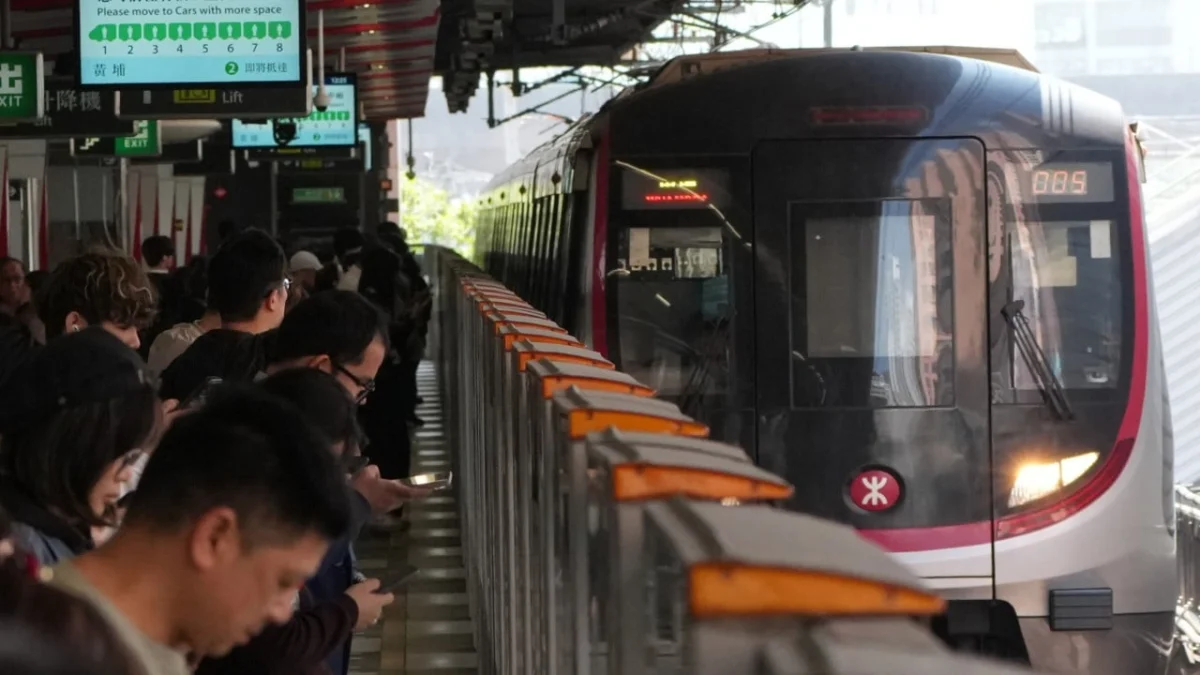
Hong Kong’s indispensable rail operator, the MTR Corporation, has announced a fare freeze for the upcoming year, marking the second consecutive year without an increase. This decision, stemming from the corporation’s annual fare review, underscores a commitment to passenger affordability amidst prevailing socio-economic conditions. In addition to the fare stability, the MTR Corporation reaffirmed its dedication to continuing its comprehensive fare concession programs, which benefit a significant portion of its ridership, including the elderly, children, eligible students, and individuals with disabilities. These concessions are projected to cover over 600 million passenger trips annually, with the total value of these discounts exceeding HK$3.2 billion (approximately US$409 million) in the past year alone.
The Direct-Drive Formula: A Cornerstone of Fare Determination
The decision to maintain current fare levels is a direct outcome of the "direct-drive formula," a key component of the MTR Corporation’s fare adjustment mechanism. This formula, established in 2007 following the merger of the MTR Corporation and the Kowloon-Canton Railway Corporation, provides a structured and transparent framework for annual fare reviews. It meticulously considers a range of economic indicators to ensure that fare adjustments are reflective of the broader financial landscape and the public’s capacity to pay.
Key factors integrated into the direct-drive formula include:
- Inflation Rates: Measuring the general increase in prices of goods and services, which impacts operational costs for the MTR.
- Wages in the Transport Sector: Reflecting the cost of labor within the public transportation industry, a significant component of MTR’s operating expenses.
- Median Monthly Household Incomes: Gauging the average disposable income of households in Hong Kong, providing a benchmark for public affordability.
- Consumer Price Index (CPI): A broader measure of inflation across a basket of consumer goods and services.
- Productivity Growth: Accounting for improvements in operational efficiency that can offset cost increases.
This multi-faceted approach ensures that fare adjustments are not arbitrary but are grounded in objective economic data, aiming to strike a balance between the MTR’s financial sustainability and the public’s financial well-being. The mechanism’s longevity, dating back over a decade, highlights its perceived effectiveness and fairness by both the operator and regulatory bodies.
A History of Fare Adjustments and Public Impact
The MTR Corporation has historically implemented fare adjustments based on the direct-drive formula. The last recorded fare hike occurred in 2024, when the corporation increased fares by an overall 3.09 percent. Prior to that, a more significant adjustment saw fares rise by 3.6 percent in 2019, following a period of relative stability. The current fare freeze represents a conscious effort to provide financial relief to commuters, particularly in light of fluctuating economic conditions and the rising cost of living.
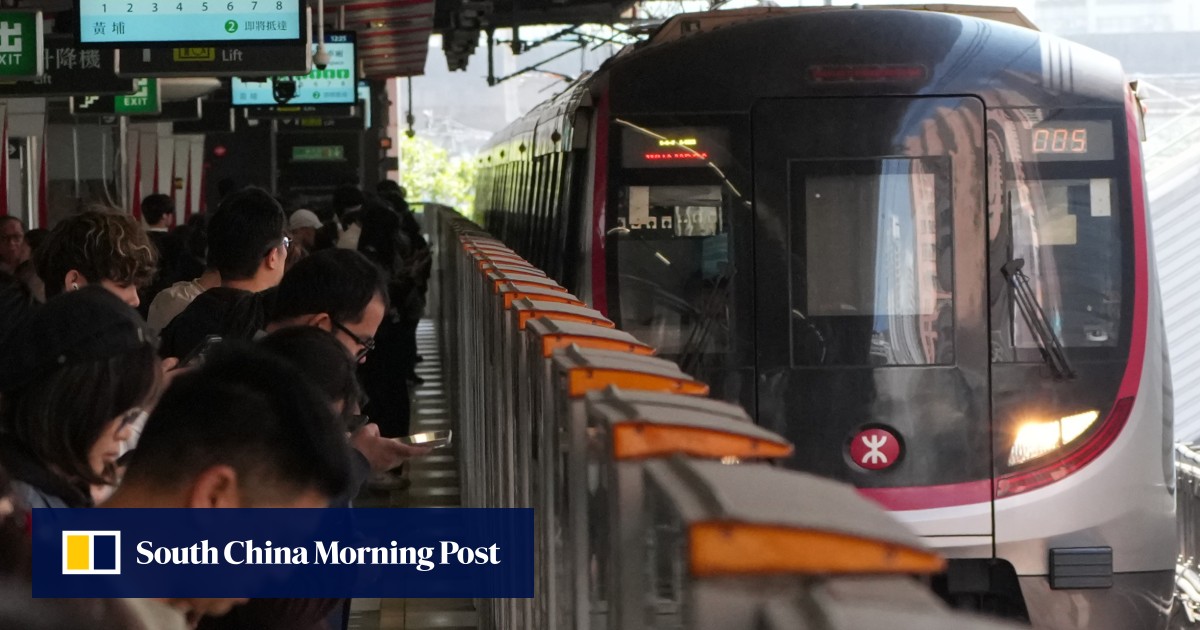
The value of concessions provided by the MTR Corporation is substantial and far-reaching. In the past year, these discounts amounted to over HK$3.2 billion, directly benefiting millions of passengers. These concessions are crucial for ensuring the accessibility of public transport for vulnerable groups:
- Elderly: Providing affordable travel options for senior citizens, promoting their mobility and social engagement.
- Children: Making it easier for families to transport younger members, reducing the financial burden on parents.
- Eligible Students: Supporting educational access by reducing the cost of commuting to and from educational institutions.
- Persons with Disabilities: Ensuring that individuals with disabilities have equitable access to transportation, facilitating their participation in community life.
The MTR Corporation’s commitment to these concessions demonstrates a recognition of its social responsibility as a public utility. By absorbing a portion of the travel costs for these groups, the corporation contributes to social equity and inclusivity within Hong Kong.
Official Statements and Rationale
Wilson Kwong Wing-tsuen, Hong Kong transport services director at the MTR Corporation, emphasized the transparency and objectivity of the fare review process. He stated, "The [mechanism] provides an objective and transparent formula for the MTR’s annual fare review, fully taking into account the prevailing socio-economic conditions and the public’s affordability." This statement reinforces the MTR’s adherence to its established framework and its responsiveness to external economic factors.
The decision to maintain fares for a second consecutive year can be interpreted as a strategic move to foster goodwill and alleviate financial pressures on commuters. While the direct-drive formula dictates the potential for adjustments, the MTR Corporation, in consultation with relevant authorities, has the latitude to implement freezes or smaller increases when circumstances warrant. This year’s decision suggests that the balance of factors within the formula, combined with a consideration for public sentiment, led to the conclusion that a fare increase was not appropriate.
Broader Implications and Future Outlook
The MTR Corporation’s fare freeze has several significant implications for Hong Kong:
- Commuter Relief: The most immediate impact is financial relief for the millions of daily commuters who rely on the MTR for their travel. This can translate into increased disposable income for individuals and households, potentially stimulating local spending.
- Public Transport Affordability: Maintaining fare stability contributes to the overall affordability of public transport, which is a cornerstone of Hong Kong’s efficient urban mobility. This can encourage greater reliance on public transport, thereby reducing road congestion and associated environmental impacts.
- MTR Corporation’s Financials: While a fare freeze may present a short-term challenge to revenue growth, the MTR Corporation’s diversified business model, which includes property development and retail, provides a buffer. The long-term benefits of maintaining passenger loyalty and a positive public image could outweigh immediate revenue considerations.
- Economic Indicator: The MTR’s fare adjustment mechanism, and its outcomes, can serve as a barometer for the city’s economic health. The current freeze suggests a cautious approach, acknowledging potential economic headwinds or a desire to support consumer confidence.
Looking ahead, the MTR Corporation will continue to monitor economic indicators closely. The direct-drive formula will remain the guiding principle for future fare reviews. However, the precedent set by two consecutive years of fare freezes indicates a potential shift in the MTR’s approach, prioritizing passenger affordability and social responsibility alongside financial prudence. The corporation’s ability to balance these competing interests will be crucial in maintaining its role as a vital and trusted public service provider in Hong Kong. The ongoing investment in infrastructure upgrades and service enhancements, coupled with this commitment to fare stability and robust concession programs, positions the MTR to continue serving the evolving needs of the city’s dynamic population.