Thai Court Holds Multinational Mining Firm Accountable for Environmental Damage in Landmark Class Action Ruling
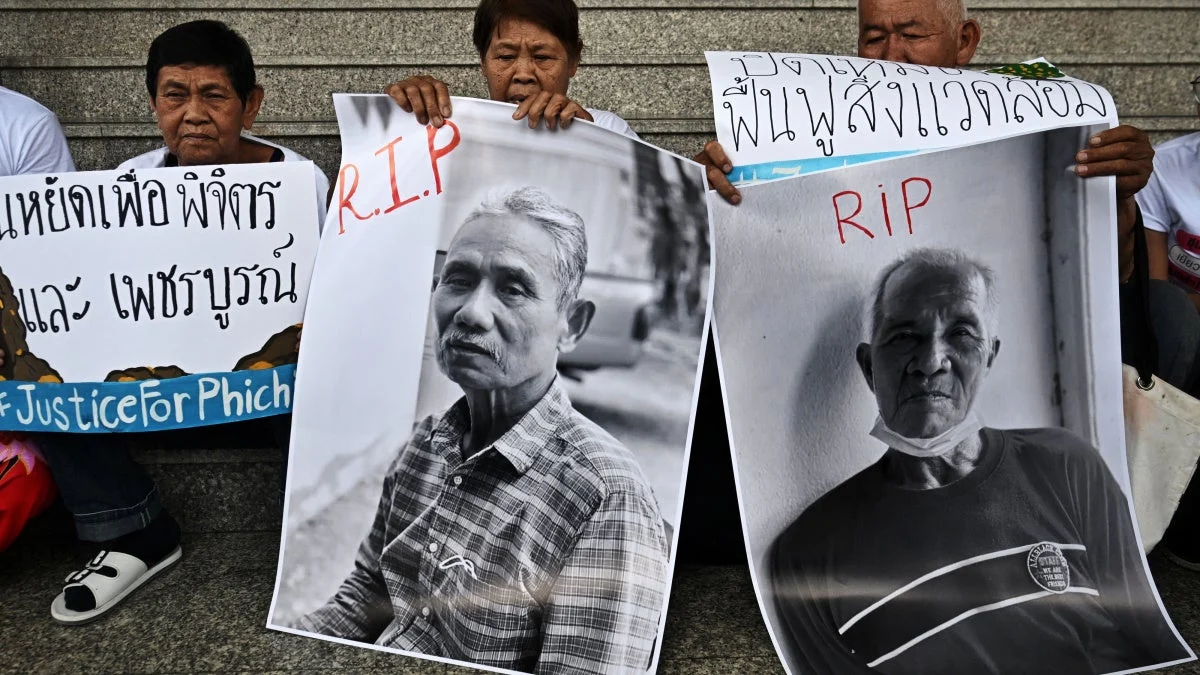
In a significant judicial development that underscores the growing movement for corporate accountability in Southeast Asia, the Bangkok Civil Court has issued a landmark ruling against Akara Resources, a subsidiary of the Australian mining giant Kingsgate Consolidated Ltd. The court held the corporation responsible for widespread environmental contamination and health impacts resulting from its operation of the Chatree Gold Mine, Thailand’s largest gold-mining facility. The decision, delivered on March 24, marks a pivotal moment for environmental jurisprudence in Thailand, as it validates the rights of local communities to seek effective legal remedies against multinational entities for damages incurred during industrial operations.
The court’s order requires Akara Resources to provide financial compensation to 382 villagers residing in the vicinity of the mine, located approximately 280 kilometers north of Bangkok on the border of Phichit and Phitsanulok provinces. Each affected individual is slated to receive up to THB 200,000 (approximately US$6,250) in damages. Beyond the monetary settlement, the court has mandated that the company undertake a comprehensive environmental cleanup of the affected areas and implement rigorous mitigation measures to prevent further ecological degradation. This ruling concludes a long-standing legal battle that has served as a flashpoint for debates over industrial development, public health, and environmental sovereignty.
Historical Context and the Scale of the Chatree Gold Mine
The Chatree Gold Mine began operations in the early 2000s and quickly rose to prominence as the centerpiece of Thailand’s mining sector. Operated by Akara Resources, the facility was a significant economic driver, providing employment and contributing to the national treasury through royalties. However, its massive scale—spanning thousands of hectares—brought it into direct proximity with rural agricultural communities. For over a decade, these villagers have claimed that the mine’s operations were poisoning their land, water sources, and bodies.
The tension between economic prosperity and environmental protection reached a boiling point in the mid-2010s. Local residents reported chronic illnesses, skin rashes, and mysterious neurological symptoms, which they attributed to the mine’s discharge of heavy metals. Despite the company’s insistence that its operations met international safety standards, the growing volume of complaints prompted government intervention and a series of independent investigations that would eventually form the evidentiary basis for the class action lawsuit.
Scientific Findings and Public Health Implications
The legal case against Akara Resources was heavily bolstered by medical data collected between 2014 and 2015. During this period, health officials conducted blood tests on hundreds of residents living near the mining site. The results were alarming: a significant majority of the children and adults tested exhibited levels of arsenic, manganese, and cyanide that far exceeded safety thresholds established by the World Health Organization (WHO) and Thai national health standards.
Arsenic and manganese are common byproducts of the gold extraction process, particularly when ore is crushed and treated with chemical solvents like cyanide to separate the precious metal. Chronic exposure to these substances is known to cause severe health complications, including developmental delays in children, respiratory issues, skin lesions, and increased risks of various cancers. While Akara Resources consistently challenged the validity of these tests and denied a direct causal link between their operations and the villagers’ health conditions, the court found the evidence of contamination sufficient to establish liability.
The environmental impact extended beyond human health to the local ecosystem. Villagers reported that their traditional water sources, including wells and streams used for drinking and irrigation, had become unusable. This contamination threatened the livelihood of a region primarily dependent on rice farming and aquaculture, leading to a decline in crop yields and the death of livestock, further impoverishing the already vulnerable community.
A Complex Chronology: Closure, Arbitration, and Resumption
The trajectory of the Chatree Gold Mine has been marked by extreme regulatory shifts and international legal disputes. In 2017, the Thai government, then under the leadership of a military junta, utilized special executive powers to order the temporary suspension of all gold-mining operations across the country. This move was explicitly cited as a measure to address the mounting health and environmental concerns surrounding the Chatree site.
The closure sparked a high-stakes international legal battle. Kingsgate Consolidated Ltd., the parent company of Akara, initiated legal proceedings against the Thai government, alleging that the forced closure violated the Thailand-Australia Free Trade Agreement (TAFTA). The company sought hundreds of millions of dollars in compensation through an Investor-State Dispute Settlement (ISDS) mechanism, arguing that the government’s actions constituted an illegal expropriation of their investment.
As the arbitration dragged on for years, the political and economic landscape shifted. In a controversial turn of events in March 2023, Thai authorities granted Akara Resources permission to resume operations at the Chatree mine. By November 2023, the Thai government and Kingsgate reached a formal agreement to terminate the legal dispute, effectively allowing the mine to continue its activities in exchange for the cessation of the arbitration claim. This "settlement" was met with deep skepticism by local activists, who viewed it as a prioritization of corporate interests over the health of the citizenry.
The Significance of the Class Action Ruling
In the context of the mine’s reopening, the March 24 ruling by the Bangkok Civil Court serves as a crucial check on corporate power. While the executive branch of the government reached a settlement with the mining firm, the judiciary has asserted the rights of the individuals harmed by the mine’s past and present activities. The ruling is particularly significant because it utilized Thailand’s class action framework, which was introduced in 2015 to allow large groups of people to sue collectively for damages.
Legal experts suggest that this case sets a powerful precedent. It demonstrates that the Thai legal system is capable of holding multinational corporations accountable, even when those corporations have significant backing from international trade agreements. The court’s decision to mandate a cleanup—not just provide a payout—is a recognition that financial compensation alone cannot rectify the loss of a healthy environment.
Following the verdict, Akara Resources issued a brief statement indicating that it would consult its legal team before determining its next steps. For the 382 plaintiffs, the priority remains the prompt execution of the judgment. Advocacy groups have called on Kingsgate to forgo any further appeals and immediately begin the process of compensating the villagers and restoring the contaminated land.
Broader Implications for International Trade and Human Rights
The Chatree Gold Mine saga has reverberated far beyond Thailand’s borders, catching the attention of human rights organizations and trade policy experts in Australia and worldwide. The case highlights the inherent tensions in Free Trade Agreements (FTAs) that include ISDS clauses, which critics argue can be used by corporations to "chill" environmental regulations by threatening governments with massive lawsuits.
In 2024, a report by the Australian Parliament’s Joint Standing Committee on Trade and Investment Growth recommended that the Australian government seek to include explicit human rights, labor, and environmental chapters in all future trade agreements. The Chatree case is frequently cited as a primary example of why such protections are necessary. Without these safeguards, the pursuit of foreign direct investment can come at a devastating cost to local communities and ecological stability.
Furthermore, the ruling aligns with the growing global trend of Environmental, Social, and Governance (ESG) accountability. Investors are increasingly scrutinizing the human rights records of mining companies. Kingsgate Consolidated now faces the challenge of proving that its resumed operations can coexist with the rights of the local population. Villagers have already expressed ongoing concerns regarding the quality of water and the potential for new contamination as the mine ramps up production.
Conclusion and Future Outlook
The decision by the Bangkok Civil Court is a victory for the residents of Phichit and Phitsanulok, but it is also a reminder of the long road ahead for environmental justice in Thailand. The ruling sends a clear signal to other multinational firms operating in the kingdom: the era of operating with impunity in the face of environmental degradation is coming to an end.
For the villagers, the focus now shifts to monitoring. Having won the legal battle, the community must now ensure that the cleanup is conducted thoroughly and that the compensation reaches those most in need. The international community, meanwhile, will be watching closely to see if Kingsgate Consolidated honors its human rights responsibilities by being transparent about its operations and ensuring that the rights of the affected communities are respected moving forward.
As Thailand continues to navigate its path as a hub for industrial and extractive industries, the Chatree Gold Mine case will remain a touchstone for the necessity of balancing economic growth with the fundamental right to a clean and healthy environment. The ruling serves as a testament to the resilience of local communities and the vital role of the judiciary in protecting the vulnerable against the excesses of global capital.

Related Posts

Crackdown on Artistic Dissent in Morocco: The Arrest of Mehdi Black Wind and the Shrinking Space for Freedom of Expression
Eritrea Marks 38th Sawa Graduation Amid Growing International Concern Over Indefinite National Service and Human Rights Violations