Ukraine Forges Landmark Defense Pact with Saudi Arabia to Counter Iranian Drone Threats
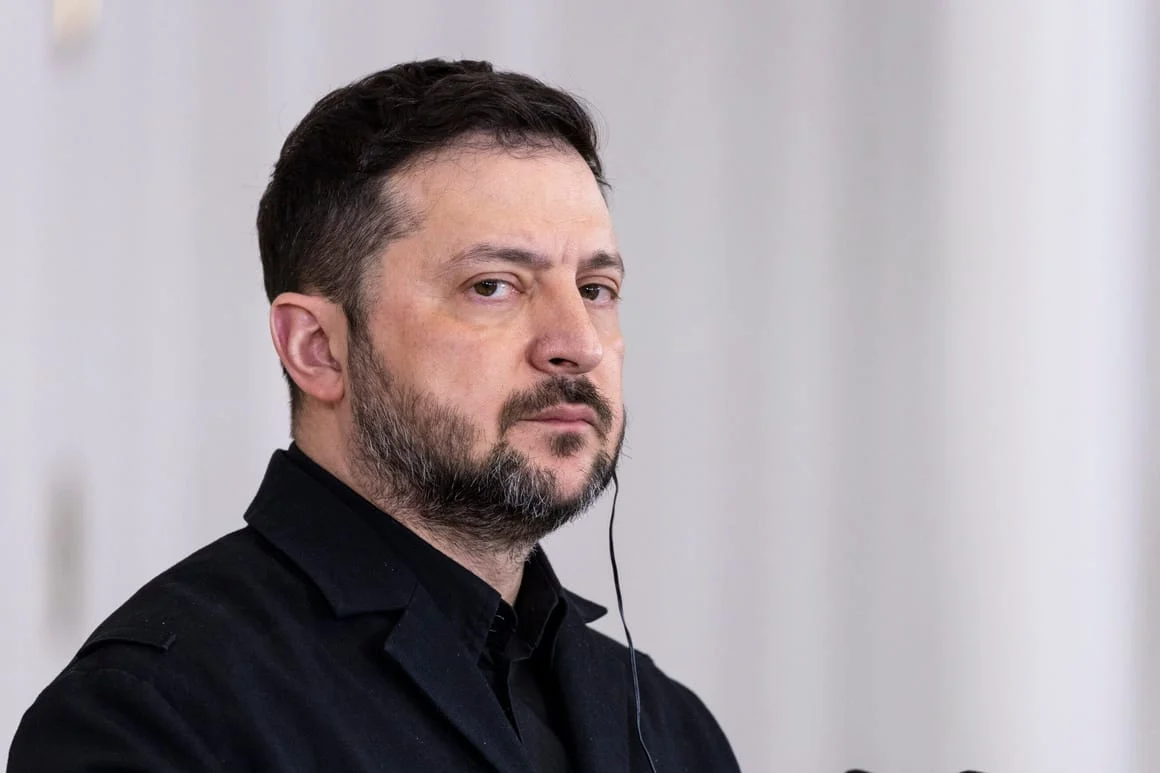
In a significant realignment of global security partnerships, Ukraine officially entered into a comprehensive defense cooperation agreement with Saudi Arabia on Friday, March 27, 2026. This strategic accord, signed during President Volodymyr Zelenskyy’s two-day diplomatic mission to Riyadh, signals a shift in the defense landscape of the Middle East and Gulf region. As the conflict in the region—characterized by the ongoing U.S.-Israeli confrontation with Iran—enters a volatile new phase, Gulf nations are increasingly turning to Kyiv to leverage its hard-won, battle-tested expertise in neutralizing mass-scale drone swarms.
The agreement serves as a framework for future technological exchanges, joint investment ventures, and localized defense contracts. By positioning itself as a "security donor" rather than merely a recipient of foreign aid, Ukraine is actively cultivating a new role on the international stage, effectively exporting the tactical lessons learned during its five-year struggle against Russian aggression.
The Genesis of the Riyadh-Kyiv Security Axis
The foundation of this partnership lies in the shared threat profile between Ukraine and the nations of the Gulf Cooperation Council (GCC). Since the onset of the Iran-led regional war in February 2026, Saudi Arabia, the United Arab Emirates, and Qatar have faced relentless waves of retaliatory drone attacks targeting critical energy infrastructure, military installations, and civilian population centers.
While these nations possess some of the most sophisticated air defense systems in the world—most notably the American-made Patriot Advanced Capability-3 (PAC-3) batteries—these systems were primarily designed to intercept high-altitude ballistic missiles. The "Shahed" kamikaze drones and agile FPV (First-Person View) systems employed by Iranian-backed forces present a different tactical challenge. These low-cost, low-altitude, and high-volume threats can overwhelm expensive, long-range interceptor systems.
Ukraine, conversely, has spent the last five years developing a multi-layered, cost-effective air defense network capable of filtering out these drone swarms using specialized electronic warfare, anti-aircraft guns, and, crucially, proprietary interceptor drones. The memorandum signed in Riyadh formalizes the transfer of this "know-how," which Ukrainian officials argue is currently the most advanced in the world regarding short-range, anti-drone warfare.
Chronology of Escalating Regional Tensions
The necessity for this pact was underscored by a series of rapid escalations in the Middle East over the past several months:
- February 2026: The outbreak of the U.S.-Israeli conflict with Iran marks the beginning of intensified drone activity across the Gulf.
- Early March 2026: Regional energy facilities in Saudi Arabia and the UAE experience multiple "near-misses" and localized damage from Iranian-origin drone strikes.
- March 15, 2026: Ukrainian military advisors arrive in the region to begin initial assessments of existing infrastructure, marking the informal start of what would become the formal defense pact.
- March 26, 2026: President Zelenskyy addresses the Joint Expeditionary Force (JEF) conference, emphasizing the symbiotic nature of the proposed partnership.
- March 27, 2026: Official signing of the defense cooperation agreement in Riyadh, aimed at formalizing technology transfer and personnel training.
The Economics of Air Defense: Trading Expertise for Hardware
A central component of this cooperation is an unconventional trade of assets. During his visit, President Zelenskyy highlighted that while Gulf nations have massive financial resources and sophisticated ballistic missile defense, they lack the specific "swarm-management" capabilities that Ukraine has mastered.
According to data compiled by regional analysts, in the first weeks of the 2026 conflict, Gulf states expended more than 800 PAC-3 interceptor missiles to defend against aerial threats. In contrast, Ukraine has received approximately 600 such missiles from Western allies since 2022. This disparity underscores the urgency of the situation: firing a multi-million dollar Patriot missile to destroy a drone costing a fraction of that amount is economically unsustainable.
Ukraine’s proposition to Saudi Arabia is to implement its own indigenous, low-cost interceptor drone technology. By deploying these systems, Saudi forces can save their more powerful missiles for high-altitude ballistic threats, thereby extending the longevity of their current inventory.
"We are ready to share our expertise and systems with Saudi Arabia," Zelenskyy stated following the signing. "We offer the Middle East and Gulf countries a partnership that benefits both sides: our knowledge and technology, and their funding. Our contribution to security in that region will also be a real contribution to global security."

Tactical Expertise: The Ukrainian ‘Human Capital’ Export
Beyond hardware, the agreement includes a significant human capital component. Ukraine has already deployed over 200 drone-countering specialists across Saudi Arabia, the UAE, and Qatar. These experts are tasked with integrating Ukrainian software and tactics into the existing command-and-control structures of these nations.
An additional 30 specialists are currently being dispatched to Jordan and Kuwait. These teams provide training on the use of FPV drones for interception, the calibration of electronic jamming equipment, and the coordination of "hunter-killer" teams that can identify and neutralize drone launch sites before they reach their targets.
Military analysts suggest that this deployment is unprecedented. Rarely has a nation actively engaged in a major conventional war managed to export its military expertise so aggressively. This reflects both the desperation of the current global security environment and the professionalization of the Ukrainian Armed Forces.
Strategic Implications and Future Outlook
The implications of this agreement are far-reaching. For Saudi Arabia, the pact offers a degree of strategic autonomy; by diversifying their defense partners, Riyadh is less reliant solely on U.S.-led initiatives, which have historically been subject to the fluctuations of American domestic politics.
For Ukraine, the benefits are equally significant. Beyond the immediate financial infusion from potential contracts, the agreement cements Ukraine’s status as an essential player in global security. By becoming an indispensable partner to the Gulf nations, Kyiv ensures that its geopolitical relevance extends well beyond the borders of Europe.
However, the agreement is not without risks. The presence of Ukrainian military advisors in the Gulf could potentially complicate relations with other regional actors who maintain ties with both Moscow and Tehran. Furthermore, the success of the pact will depend on the ability of Ukrainian technology to integrate seamlessly with Western-manufactured systems already in place in Saudi Arabia.
Looking Forward: A Global Security Network
As the ink dries on the Riyadh accord, officials in Kyiv have hinted that this is merely the first step. Further agreements are reportedly in the pipeline with other nations in the region.
"The first agreements have already been prepared by our teams," Zelenskyy noted in his video address. "Ukraine has the world’s strongest experience in using drones. We are working to make this happen."
The global community will be watching closely to see if this "Ukrainian model" of localized, cost-effective air defense can indeed stabilize a volatile region. If successful, the collaboration could fundamentally change how nations protect their infrastructure against the threat of mass-produced, low-cost autonomous weapons—a challenge that has become the defining military hurdle of the mid-2020s.
As of late March 2026, the focus remains on implementation. The coming months will likely see a surge in joint military exercises and the arrival of Ukrainian-manufactured drone components in the Gulf, marking a new chapter in the international defense architecture. Whether this model proves durable enough to withstand the pressures of ongoing regional conflict remains the primary question for global security observers in the months ahead.