Hong Kong Secures Exclusive Regional Hosting Rights for Art Basel for Five More Years
Hong Kong has solidified its position as the premier regional hub for the globally renowned Art Basel fair, securing exclusive hosting rights for the next five years. This significant agreement, announced by the city’s culture minister, underscores Hong Kong’s strategic ambition to further enhance its standing as a preeminent international art-trading platform. The renewal of this partnership is poised to inject renewed dynamism into the city’s vibrant cultural landscape and bolster its economic contributions from the art market.
A Renewed Commitment to a Global Art Metropolis
The confirmation of Hong Kong’s exclusive regional custodianship of Art Basel was delivered by Secretary for Culture, Sports and Tourism, Rosanna Law Shuk-pui, who expressed considerable optimism about the future of the partnership. "We have reached an agreement with Art Basel and confirmed that in the next five years, Hong Kong will be the exclusive host of this important fair in the region, which is of great significance," Law stated. This declaration signals a long-term vision for Hong Kong as the undisputed gateway for the international art world in Asia, fostering deeper engagement and facilitating greater transaction volumes.
Law further articulated the government’s forward-looking strategy, stating, "We look forward to partnering with Art Basel to further elevate Hong Kong as a world-class art trading platform." This sentiment reflects a broader governmental commitment to investing in and promoting the city’s cultural and creative industries. The expansion of Art Basel’s presence is expected to catalyze growth across the entire art ecosystem, from galleries and auction houses to art advisors, logistics providers, and related tourism sectors. The fair’s ability to draw a global audience also translates into significant economic benefits through visitor spending and international exposure.
Growth and Evolution of the Hong Kong Edition
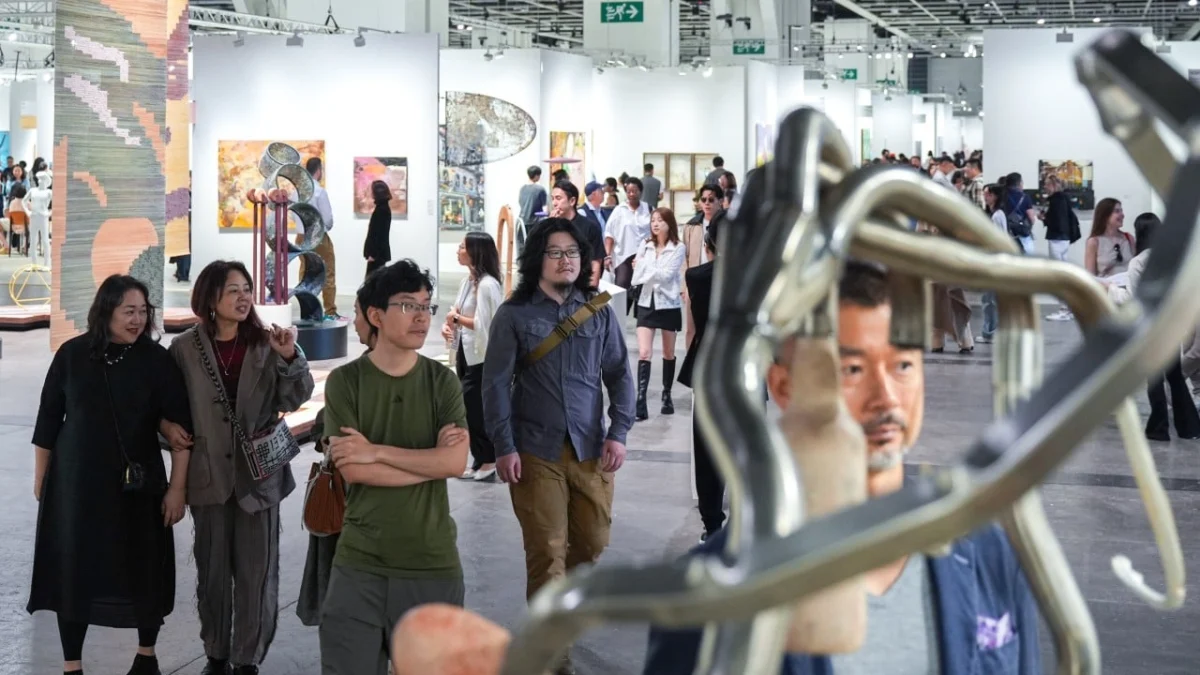
The commitment extends beyond mere continuity; the local edition of Art Basel is slated for significant expansion in scale and reach over the coming half-decade. Secretary Law highlighted this trajectory, noting that the fair had already demonstrated its drawing power, attracting at least 80,000 visitors annually in 2024 and 2025. This impressive attendance figure underscores the fair’s established popularity and its capacity to draw both seasoned collectors and burgeoning art enthusiasts. The planned expansion suggests an ambition to surpass these numbers, further solidifying its status as a must-attend event on the global art calendar.
The current iteration of the fair, running from Friday to Sunday, exemplifies its robust offerings. Held in the bustling district of Wan Chai, the event showcases the works of 240 leading galleries from a diverse array of countries. This international representation includes prominent art nations such as Australia, Japan, Turkey, the Netherlands, France, Spain, and the United States, reflecting Art Basel’s global reach and Hong Kong’s unique position as a bridge between East and West. The sheer volume and diversity of art on display provide a comprehensive snapshot of the contemporary art market, catering to a wide spectrum of tastes and investment interests.
Navigating Global Uncertainties, Embracing Value
The sustained interest from galleries and collectors, even amidst global economic and geopolitical uncertainties, speaks volumes about the resilience of the art market and Hong Kong’s enduring appeal. Representatives from some galleries, speaking at a preview for the local edition, noted a discernible trend among collectors. They observed a heightened interest in acquiring works by established artists, a strategy often employed during periods of economic flux as these pieces are perceived to retain their value more reliably. This cautious yet discerning approach from collectors is likely to benefit galleries that specialize in blue-chip artists and historically significant works, while also creating opportunities for emerging artists whose provenance and critical reception are meticulously curated.
The art market, while often perceived as an elite pursuit, is also a significant economic engine. Globally, the art market has seen substantial growth over the past decade, with figures from reports by Art Basel and UBS consistently highlighting multi-billion dollar annual sales. Hong Kong has consistently ranked among the top art trading hubs, often competing with New York and London. The continued exclusive hosting of Art Basel is expected to further solidify its market share, potentially attracting a larger portion of the Asian art market, which has been a key growth driver in recent years.
A Strategic Move for Hong Kong’s Cultural Ambitions
The extension of Art Basel’s tenure in Hong Kong is more than just a cultural event; it is a strategic imperative for the city’s broader economic and cultural development. Hong Kong’s government has long recognized the potential of the creative industries to diversify its economy, which has traditionally been heavily reliant on finance and trade. By positioning itself as a global art nexus, Hong Kong aims to attract talent, capital, and intellectual exchange, fostering an environment where creativity and commerce can flourish in tandem.
The implications of this renewed partnership are multifaceted. For galleries, it provides a stable and predictable platform to showcase and sell their artists’ work to a discerning international clientele. For collectors, it offers unparalleled access to a curated selection of the finest contemporary art in a city renowned for its efficient logistics and robust legal framework for art transactions. For Hong Kong, it reinforces its brand as a dynamic, cosmopolitan city with a sophisticated cultural offering, capable of hosting world-class events and attracting high-net-worth individuals.
Historical Context and Future Outlook
Art Basel’s presence in Hong Kong dates back to 2013, marking a pivotal moment in the city’s journey to become a major player in the global art scene. The fair’s inception in Asia was a strategic move by Art Basel to tap into the burgeoning Asian art market and provide a platform for both established and emerging galleries from the region to connect with international collectors. Over the years, the Hong Kong edition has grown in stature, mirroring the increasing influence of Asian artists and collectors on the global stage.
The initial years saw a period of establishment and growth, with organizers and participants fine-tuning the event to best suit the local context. The fair quickly became known for its high-quality presentations, its vibrant atmosphere, and its ability to foster significant commercial activity. The decision to extend the exclusive hosting rights for another five years is a testament to the success of this formula and the strong collaborative relationship between Art Basel and the Hong Kong government.
Looking ahead, the expansion of the fair’s scale and reach suggests a commitment to innovation. This could involve incorporating new programming, digital initiatives to enhance visitor experience and accessibility, or further integration with other cultural institutions and events in the city. The continued focus on established artists, as observed by some galleries, may also prompt a strategic diversification in future editions, with an increased emphasis on nurturing and showcasing emerging talent that is poised to become the next generation of art market stars.
The Art Market Landscape and Hong Kong’s Competitive Edge
The global art market is characterized by intense competition, with major art fairs and auction houses vying for the attention of collectors and galleries. Art Basel, with its editions in Basel, Miami Beach, and Hong Kong, is a dominant force in this landscape. Hong Kong’s competitive edge lies in several key factors. Its strategic location at the crossroads of Asia, its status as a free port with efficient logistics, and its robust financial services sector all contribute to its attractiveness as an art trading hub. Furthermore, the city’s unique cultural blend of East and West provides a fertile ground for artistic dialogue and exchange.
The influx of visitors for Art Basel also has a ripple effect on other sectors of the economy. Hotels, restaurants, and luxury retail outlets often experience a significant boost during the fair. The event also provides a platform for emerging local artists and galleries to gain international exposure, contributing to the overall development of Hong Kong’s creative economy. The commitment to enhancing Hong Kong’s status as a world-class art trading platform is therefore not just about the art market itself, but about cultivating a broader ecosystem that supports creativity, innovation, and economic diversification. The next five years are set to be a period of significant growth and consolidation for Hong Kong’s position at the forefront of the international art world.

Related Posts
Hong Kong Enforces Strict Smoking Ban on Construction Sites, Inspects Over 200 Locations in First Week
Hong Kong Poised for Sweeping Reforms and Accountability After Deadliest Fire in Decades