The Disappeared of Gaza: A Forensic Crisis in the Shadow of Conflict
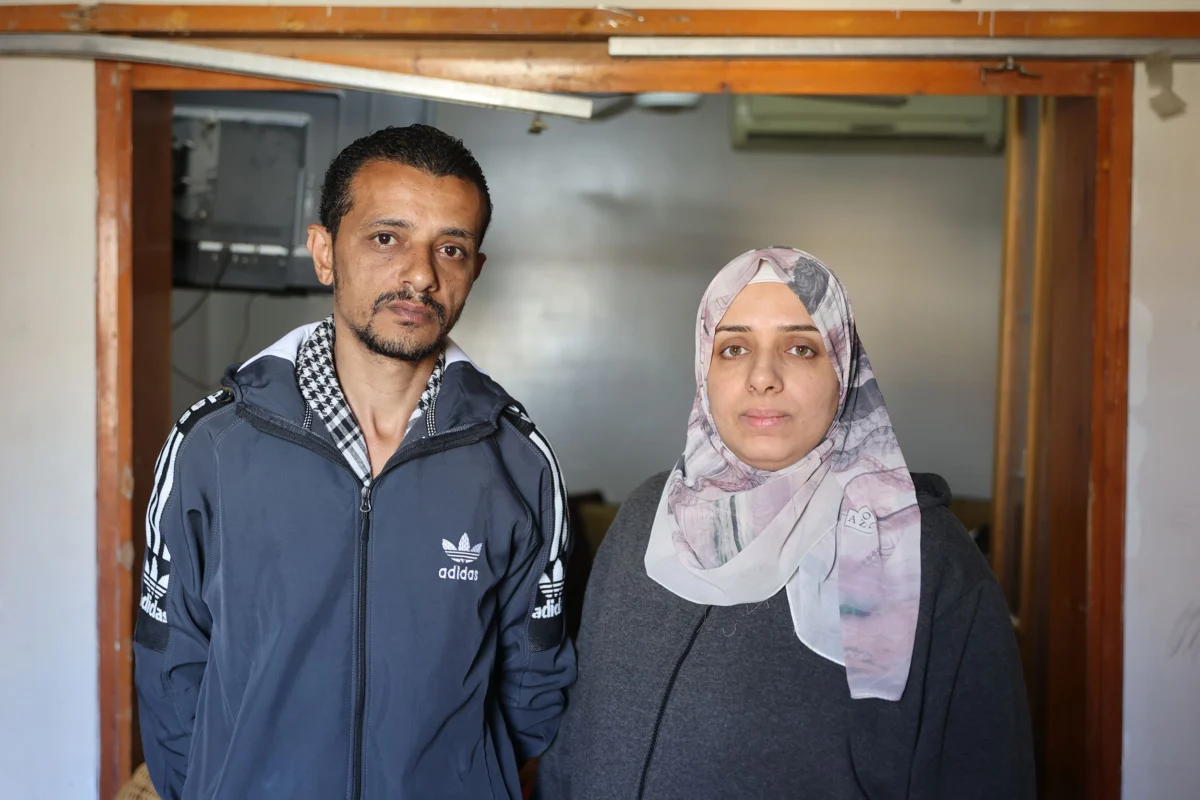
In the early morning darkness of a landscape fractured by relentless bombardment, Abeer Skaik and her husband, Ali Al-Qatta, maintain a vigil that has stretched for over two years. Their son, 16-year-old Hassan, who lives with autism spectrum disorder, vanished after cycling away from their home in al-Tuffah, east of Gaza City, in April 2024. For his parents, his disappearance is not merely a personal tragedy but a symptom of a broader, systemic collapse in the ability of an entire society to track, identify, and mourn its dead. The case of Hassan, and the thousands like him, highlights the emergence of a "forensic desert" in Gaza, where the mechanisms for human identification—DNA analysis, dental records, and biometric registries—have been systematically dismantled or denied.

A Chronology of Uncertainty
The disappearance of Hassan occurred at the height of a humanitarian catastrophe, characterized by widespread displacement and a breakdown in local infrastructure. Before the conflict, Hassan’s life was anchored by strict routines—the meticulous cleaning of the home, the specific order of his meals, and his predictable daily bicycle rides. The onset of the conflict, which began following the October 7, 2023, attacks, shattered these routines. Repeated evacuations, the sound of artillery, and the acute onset of starvation in the spring of 2024 induced severe psychological distress in the teenager.
Following a moment of acute frustration over the lack of adequate food—a reality driven by the severe restrictions on aid entering the territory—Hassan left the family home on his bicycle. He never returned. His parents’ subsequent search, which involved traversing dangerous rubble-strewn streets and visiting overwhelmed morgues, mirrors the experiences of thousands of other Gazan families. Their efforts to locate him through social media, hospital registers, and, at times, risky journeys to potential detention release sites, have yielded no official verification of his status.

The Scale of the Missing
The lack of authoritative data regarding the missing is one of the most pressing challenges in the region. Estimates from various organizations underscore the magnitude of the crisis:
- The Gaza Health Ministry estimates that over 9,500 people remain missing, likely buried under the rubble of destroyed buildings.
- The Palestinian Center for the Missing and Forcibly Disappeared places the figure at approximately 9,000.
- The International Committee of the Red Cross (ICRC) has processed roughly 11,500 tracing requests, with approximately half of those cases remaining unresolved.
- The Institute for Social and Economic Progress (ISEP) has suggested, through polling, that the actual number of missing individuals could reach as high as 15,000 in a population of roughly 2 million.
These figures do not account for the "evaporated"—those whose remains were pulverized by high-heat munitions—or those taken into detention without record. The absence of a unified, functional registry means that for many families, the limbo between life and death is indefinite, preventing legal resolutions such as inheritance or the settling of family affairs.

The Forensic Desert and the Obstruction of Justice
The ability to identify remains in a war zone typically relies on advanced forensic capabilities, including genetic analysis and biometric matching. However, in Gaza, these tools have been largely unavailable for years. Since the 2007 blockade, many laboratory tools—including those for toxicology, DNA analysis, and fingerprinting—were classified by Israeli authorities as "dual-use" items, effectively barring their entry into the territory.
Khalil Hamada, the head of Gaza’s forensic medicine department, has frequently noted that his team is forced to rely on visual identification, which is often impossible given the condition of bodies recovered from under collapsed structures or from mass graves. Even when international NGOs have provided training in mass-fatality documentation, the lack of hardware remains a critical bottleneck. Consequently, the team’s work is limited to digital photography, hand-written logs of visible marks, and the preservation of biological samples in the hope that future access to laboratories might one day allow for identification.

International Legal Obligations and Official Responses
The Office of the United Nations High Commissioner for Human Rights (OHCHR) has maintained that Israel holds a clear obligation under international law to provide information regarding the fate of missing persons and to ensure the respectful recovery and treatment of remains. The combined effects of communication blackouts, the withholding of bodies, and the suspension of ICRC access to detainees constitute a violation of these standards, according to international legal observers.
In response to these concerns, the Israeli military has asserted that it operates in accordance with international law, taking feasible precautions to minimize civilian harm. The Israeli Prison Service has remained largely unresponsive to inquiries regarding specific detention records. When new tracing mechanisms were introduced in May 2024, following intense legal pressure from human rights groups like HaMoked, the process remained cumbersome, requiring power of attorney—a near-impossible requirement in a region suffering from severe telecommunications outages.

The Human Toll of Mass Irresolution
For families like the Al-Qattas, the uncertainty is a form of "lived purgatory." The psychological impact of not knowing whether a loved one is in detention or deceased is profound, leading to severe mental health strain and the fracturing of familial support systems.
The struggle is further complicated by the divergence in institutional policies. While local authorities in Gaza have attempted to implement stopgap measures—such as authorizing death certificates after six months of disappearance—these efforts have been blocked by the judicial authority in Ramallah, which insists on a four-year waiting period. This bureaucratic impasse leaves thousands of families unable to access necessary state support or legal closure.

Broader Implications
The crisis of the missing in Gaza represents a long-term humanitarian challenge. Even if a ceasefire were to be fully established, the forensic recovery of the thousands of individuals buried under rubble or held in unrecorded detention will take years, if not decades. The lack of a centralized, biometric database means that identification will rely heavily on the memories of survivors and the eventual return of records that are currently inaccessible.
For Abeer and Ali, the daily routine of searching continues. They remain in their damaged home, not out of denial, but out of a desperate need to stay in the one place where their son might return. As Abeer notes, their search is a navigation of hope and despair, where every lead is tested, and every failed lead is a fresh wound. Their story is a microcosm of a broader tragedy: a population denied not only the right to live in safety but the fundamental human right to know the fate of their children and to bury them with the dignity required by their customs and beliefs. In the absence of international intervention to facilitate forensic recovery and transparency, this silent crisis will likely haunt the region for generations to come.

Related Posts

The Las Vegas Cybersecurity Summit and the Escalating Threat of Autonomous Digital Exploitation

New York City Council members and privacy advocates launch legislative campaign to ban biometric facial recognition at public entertainment venues