Israel Launches New Wave of Attacks on Tehran Amidst Escalating Regional Tensions and Global Economic Concerns
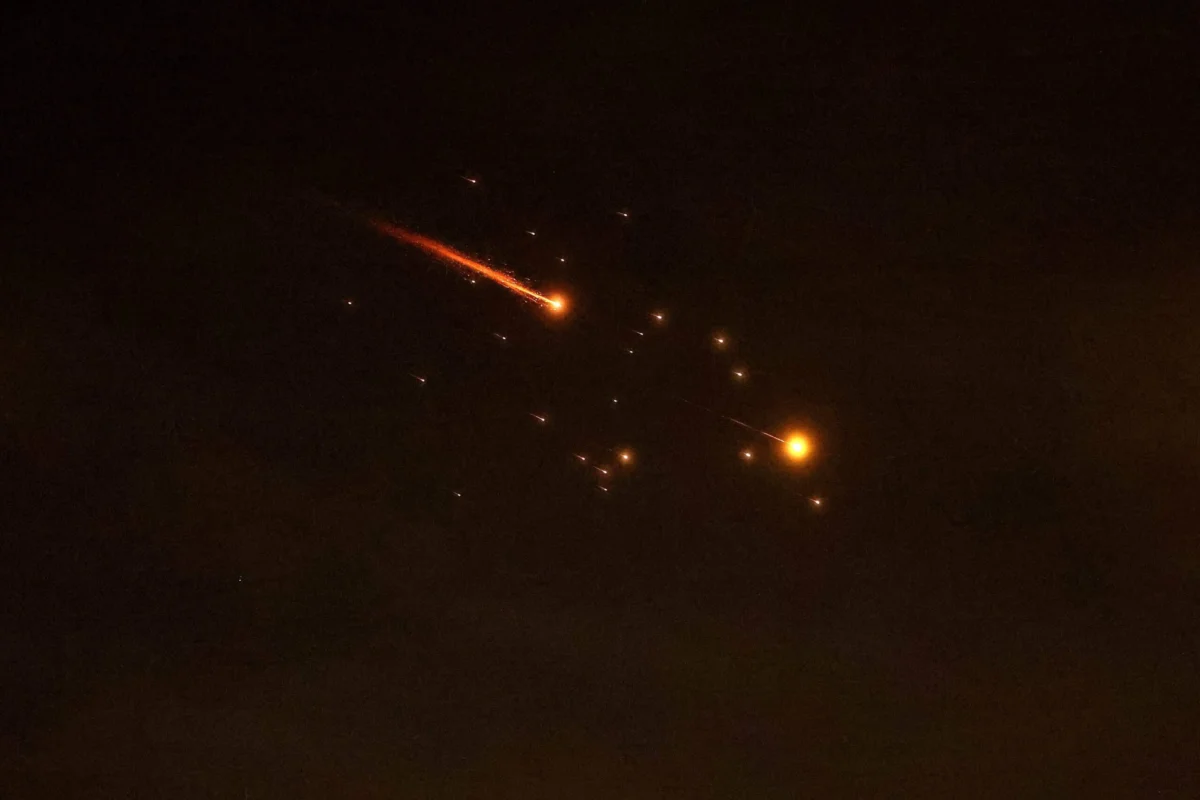
Early Monday morning, the Israeli military initiated a significant escalation in the ongoing conflict, launching a new wave of "large-scale" attacks targeting infrastructure in Tehran. This aggressive move has precipitated a renewed round of retaliatory actions from Iran against its Gulf neighbors and has reignited threats of further strikes against energy facilities. The developing situation has sent shockwaves through international markets, with oil prices surging and Asian stock exchanges experiencing sharp declines.
The latest Israeli offensive follows a stark ultimatum issued by U.S. President Donald Trump, who reportedly gave Tehran a 48-hour deadline to reopen the Strait of Hormuz. Trump warned that failure to comply would result in the United States "annihilating" Iran’s power plants. This aggressive stance by the U.S. president appears to be a direct response to Iran’s continued control and potential disruption of vital shipping lanes in the Persian Gulf, a critical artery for global oil supply.
Iran, in turn, has not remained passive. Following the Israeli strikes, the Iranian Revolutionary Guard Corps reiterated its threats to target power plants across the Middle East that supply energy to U.S. military bases. This escalatory cycle of attacks and counter-threats highlights the volatile nature of the current geopolitical climate in the region.
Iran’s Escalating Threats and Regional Ramifications
The Iranian Revolutionary Guard Corps’ renewed threats to strike regional power grids underscore a strategic intent to inflict economic and military damage on U.S. allies and interests in the Middle East. These facilities, often integral to the functioning of modern economies and military operations, represent a significant vulnerability for countries relying on stable energy supplies. The potential for widespread power outages could have devastating consequences, impacting critical infrastructure, civilian life, and military readiness.
This retaliatory posture is a direct response to the perceived aggression from Israel and its key ally, the United States. Iran views these actions as existential threats and is employing asymmetric warfare tactics, including targeting energy infrastructure, to deter further attacks and project power.
London Incident: Vandalism of Jewish Ambulance Service
Adding to the growing regional instability, a disturbing incident occurred in London where four vehicles belonging to a Jewish ambulance service were set on fire in the early hours of Monday. The Metropolitan Police are investigating the apparent arson attack against Hatzola Northwest, a volunteer organization providing emergency medical response. The damage to these vital emergency vehicles raises concerns about potential spillover effects of the Middle East conflict into European cities and highlights the heightened tensions surrounding Jewish communities globally. While the direct link to the Iran-Israel conflict is not yet established, the timing and nature of the attack are significant.
Attack on Transmission Antenna in Southern Iran Claims a Life
Further compounding the narrative of escalating hostilities, an attack on a radio transmission antenna in southern Iran resulted in at least one fatality and one injury. State broadcaster IRIB attributed the attack to the "American-Zionist terrorist army," accusing it of violating international law. The targeting of broadcast infrastructure suggests a deliberate attempt to disrupt communication and information dissemination, a tactic often employed during conflicts to control narratives and sow confusion. The death of a security colleague at the center highlights the human cost of these escalating skirmishes.
Economic Repercussions: Oil Prices Surge, Asian Markets Plunge
The immediate economic fallout from these escalating tensions has been dramatic. Oil prices saw a significant jump in early Asian trading on Monday, with West Texas Intermediate (WTI) crude, the benchmark for U.S. oil, climbing 0.7% to $98.95 per barrel, nearing the psychological threshold of $100. This surge is a direct consequence of the heightened risk of supply disruptions from the Persian Gulf, a region that accounts for a substantial portion of global oil production.
Concurrently, Asian stock markets experienced sharp declines. The uncertainty and fear of wider conflict have led investors to seek safer assets, triggering sell-offs in equities. This market reaction underscores the interconnectedness of global security and economic stability, demonstrating how regional conflicts can have far-reaching and immediate economic consequences worldwide.
International Energy Agency Warns of Global Energy Crisis
The escalating conflict has prompted dire warnings from the international energy community. Fatih Birol, Director of the International Energy Agency (IEA), cautioned on Monday that the war in the Middle East could lead to the world’s worst energy crisis in decades. Birol described the situation as "very severe," drawing parallels to the consecutive oil crises of the 1970s, when the world lost approximately five million barrels of crude per day.
The IEA’s assessment highlights the potential for a systemic shock to global energy markets. A prolonged conflict, coupled with potential disruptions to major oil and gas producing regions, could lead to severe supply shortages, price volatility, and widespread economic hardship. This warning underscores the urgency for de-escalation and diplomatic solutions to prevent a catastrophic energy crisis.
Abu Dhabi Reports Injury Amidst Gulf Interceptions
In the United Arab Emirates, authorities in Abu Dhabi reported that one person was injured by falling debris. This incident occurred as Gulf countries confirmed intercepting drones and missiles early Monday morning. While the specific targets and origins of these projectiles are still being assessed, the fact that they reached populated areas indicates a significant advancement in the range and capability of the weapons being employed. The successful interceptions by Gulf nations demonstrate their defensive capabilities but also highlight the persistent threat of aerial attacks.
Lebanon Death Toll Rises Amidst Ongoing Conflict
The Ministry of Health in Lebanon has reported a grim toll from the ongoing conflict between Hezbollah and Israel. Since the outbreak of hostilities on March 2nd, the number of fatalities has climbed to 1,029, with the number of injured reaching 2,786. These figures represent a significant humanitarian crisis and underscore the devastating impact of the protracted conflict on the civilian population of Lebanon. The sustained nature of the fighting suggests a deep-seated and intractable dispute, with potentially long-lasting consequences for the region’s stability.
Spain Calls for Opening of Strait of Hormuz and Protection of Energy Centers
In response to the escalating crisis, Spanish Prime Minister Pedro Sánchez took to his official X account to call for the "opening of the Strait of Hormuz and the protection of all energy centers in the Middle East." Sánchez emphasized that the world is at a "global turning point" and warned that further escalation could trigger a long-term energy crisis for all of humanity. His statement reflects a growing international concern over the potential for a wider conflict and its devastating impact on global energy security and the world economy. The Spanish leader’s call for de-escalation and the safeguarding of vital energy infrastructure highlights the broader international desire to avoid a catastrophic outcome.
Chronology of Escalation: A Timeline of Recent Events
The current crisis has unfolded rapidly, with key events occurring in quick succession:
- Early Monday Morning: Israel launches a new wave of "large-scale" attacks on infrastructure in Tehran.
- Early Monday Morning: Iran reiterates threats to target power plants supplying U.S. military bases in the Middle East.
- Early Monday Morning: Four vehicles of a Jewish ambulance service are set on fire in London.
- Early Monday Morning: An attack on a radio transmission antenna in southern Iran results in one death and one injury.
- Early Monday Morning: Gulf countries report intercepting drones and missiles; one person is injured in Abu Dhabi by falling debris.
- Monday Trading: Oil prices surge, and Asian stock markets decline significantly following U.S. President Trump’s ultimatum to Iran.
- Monday: International Energy Agency (IEA) warns of a potential global energy crisis.
- Monday: Spanish Prime Minister Pedro Sánchez calls for the opening of the Strait of Hormuz and the protection of Middle Eastern energy centers.
- Ongoing: Lebanon’s Ministry of Health reports a rising death toll from the conflict with Israel, reaching 1,029.
Background and Context: A Powder Keg Ignited
The current escalation is not an isolated event but rather a culmination of years of simmering tensions between Israel and Iran, with the United States often playing a significant role. The broader geopolitical landscape includes Iran’s nuclear program, its support for proxy groups across the region, and Israel’s long-standing security concerns. The Strait of Hormuz, a narrow waterway through which approximately 20% of global oil production passes, has long been a focal point of contention. Iran has previously threatened to close or disrupt shipping in the strait as a means of exerting pressure.
The involvement of the United States, particularly through its strong alliance with Israel and its military presence in the region, further complicates the dynamics. President Trump’s ultimatum regarding the Strait of Hormuz signals a potentially more assertive and confrontational U.S. policy towards Iran, increasing the risk of direct military engagement.
The conflict between Hezbollah and Israel, which has seen a significant increase in hostilities, adds another layer of complexity. Hezbollah, a powerful Lebanese militant group and political party, is a key ally of Iran and has been engaged in cross-border skirmishes with Israel. The rising death toll in Lebanon underscores the severe humanitarian consequences of this protracted conflict.
Analysis of Implications: A Precarious Global Future
The current trajectory suggests a highly precarious global future if de-escalation is not achieved. The potential for a wider regional war involving multiple state and non-state actors is a grave concern. Such a conflict would not only result in catastrophic human loss and destruction but would also have profound and lasting impacts on the global economy, particularly concerning energy supplies and international trade.
The vulnerability of global energy markets to disruptions in the Persian Gulf is a stark reminder of the interconnectedness of global security. The IEA’s warning of a potential energy crisis of unprecedented scale highlights the urgent need for diplomatic intervention and a concerted effort to prevent further escalation. The economic consequences could extend far beyond the immediate region, affecting inflation, economic growth, and the livelihoods of billions worldwide.
The attack on the Jewish ambulance service in London also signals a worrying trend of potential internationalization of the conflict, with extremist elements potentially using the tensions to incite violence or sow discord in other parts of the world. This underscores the need for heightened vigilance and international cooperation to counter terrorism and maintain social cohesion.
Ultimately, the events of Monday represent a critical juncture. The decisions made by the key players in the coming days and weeks will determine whether the world teeters on the brink of a devastating conflict or finds a path towards de-escalation and stability. The global community watches with bated breath as the situation continues to unfold, with the specter of a severe energy crisis and widespread instability looming large.

Related Posts

Argentina’s President Javier Milei Reflects on 2026 World Cup Reception and Political Criticisms

Argentina’s Captain Lionel Messi to Forego National Team Celebrations for Club Commitments