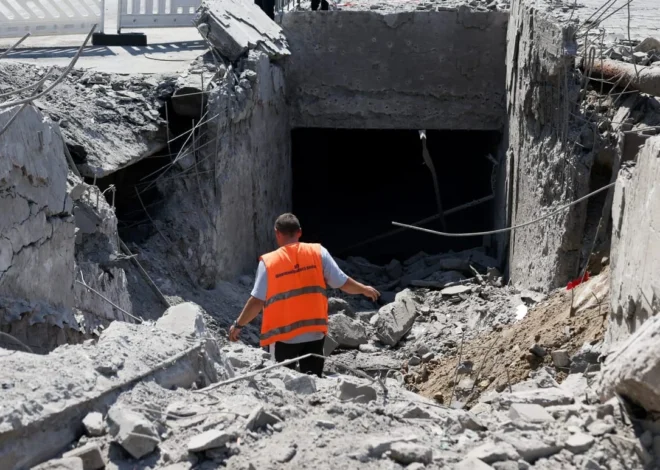
Israel, Iran launch fresh attacks as Trump floats winding down Mideast operations
The geopolitical landscape of the Middle East underwent a significant escalation this week as Israel and Iran engaged in a series of direct and indirect military maneuvers, occurring simultaneously with a pivot in U.S. foreign policy strategy. Reports emerged earlier today that Tehran launched two ballistic missiles directed at Diego Garcia, the strategic joint U.S.-U.K. military base located in the central Indian Ocean. While the projectiles failed to strike the facility, the audacity of the maneuver has signaled a dangerous expansion of the theater of operations beyond the traditional borders of the Levant and the Persian Gulf.
This development follows a period of mounting tension, characterized by increasingly frequent exchanges of fire between Israeli forces and Iranian-backed proxies. The decision by the Trump administration to publicly signal a desire to "wind down" Mideast operations has created a volatile power vacuum, emboldening regional actors to test the limits of Western strategic resolve. As the White House weighs the transition from active intervention to a more isolationist posture, the immediate security architecture of the region is facing its most significant stress test in decades.
A Chronology of Escalation
The current cycle of violence is not an isolated event but rather the culmination of months of deteriorating diplomatic and security conditions. Throughout early 2026, the region saw a steady climb in hostilities.

In late February, the discourse was dominated by the plight of aid workers in Gaza, who faced mass expulsion under new Israeli data-sharing mandates. This move, which prompted warnings from European privacy regulators, highlighted a broader trend of Israel tightening its security apparatus to manage internal and external threats. By early March, the focus shifted to the digital and intelligence front, with Germany announcing a major reform of its Federal Intelligence Service (BND) to reduce reliance on international partners—a direct response to the perceived instability in the Middle East and the uncertainty of future U.S. intelligence sharing.
The most recent escalation, occurring within the last 24 hours, marks a departure from the "shadow war" tactics previously favored by both Tehran and Jerusalem. By targeting a U.S.-U.K. installation, Iran has transitioned from regional posturing to a direct challenge of the Western-led military presence in the Indian Ocean.
Strategic Implications of the Diego Garcia Incident
Diego Garcia remains one of the most critical military assets in the world, serving as a hub for long-range bombers, reconnaissance aircraft, and pre-positioned military supplies. The choice of this specific target is highly symbolic. By attempting to strike a facility so far removed from the immediate conflict zone, Tehran is testing the reach of its long-range ballistic missile program and its willingness to hold Western interests hostage to its regional agenda.
Military analysts note that while the missiles did not hit the base, the mere trajectory of the launch suggests a high level of technical sophistication. "This is a message," says a security analyst with a leading defense think tank. "Tehran is signaling that they are no longer restricted by geography or the traditional rules of engagement. They are challenging the assumption that the U.S. can maintain a ‘hands-off’ approach while keeping its assets safe."

The U.S. Pivot and the "Winding Down" Doctrine
The Trump administration’s recent rhetoric regarding the "winding down" of Middle East operations has introduced a new variable into the regional calculus. For decades, the presence of U.S. forces has acted as a primary deterrent against total war. However, the current administration’s shift toward an "America First" re-prioritization suggests a preference for withdrawing troops and reducing financial commitments to regional defense pacts.
This policy shift has left regional allies in a state of apprehension. The Israeli government has responded by accelerating its own independent defense initiatives, aiming to consolidate its surveillance capabilities and military readiness. This transition is evident in the recent legislative efforts to reform intelligence operations, similar to the movements seen in Berlin, where nations are increasingly viewing collective security as an unreliable hedge against unpredictable aggression.
The Broader Impact: Data, Intelligence, and Privacy
The intersection of military operations and digital security has become a central point of friction. The ongoing court battles, such as the case involving TikTok’s ties to China, and the tension surrounding Israeli surveillance of aid workers, demonstrate how data has become a weapon of war.
In the case of the aid workers in Gaza, the friction arose from Israel’s demand for access to sensitive NGO data—a move that human rights organizations argue violates international privacy standards, including the EU’s GDPR. This conflict highlights a broader reality: modern warfare is now as much about information control as it is about kinetic force. As intelligence services "bulk up," as seen in the German reforms, the democratic oversight of these services is being sidelined. This creates a dangerous paradox where, in the name of security, the very principles of transparency and rule of law that these states claim to defend are being eroded.

Official Responses and Diplomatic Fallout
The White House has yet to issue a formal statement regarding the specific threat to Diego Garcia, though sources close to the administration suggest that a high-level security briefing is underway. The United Kingdom, as a joint stakeholder in the base, has expressed "grave concern" through its Ministry of Defence, calling the act a "reckless violation of international norms."
Meanwhile, the Iranian government has maintained a stance of calculated ambiguity. While state-affiliated media has downplayed the incident, officials in Tehran have reiterated their stance that the presence of "foreign military forces" in the region is the primary source of instability. This rhetoric mirrors the isolationist themes currently circulating in Western capitals, creating an unintended alignment in the discourse of the two adversarial powers.
Analytical Perspective: The Fragility of the Status Quo
The current situation is defined by a lack of traditional red lines. In previous decades, the targeting of a U.S.-U.K. base would have resulted in an immediate and overwhelming retaliatory strike. Today, the response is slowed by political uncertainty and the desire of Western powers to avoid entanglement in a large-scale conflict.
This hesitation, while potentially avoiding immediate war, risks emboldening further provocations. If the international community fails to establish clear consequences for the expansion of hostilities, the risk of a miscalculation—leading to a rapid, uncontrollable escalation—increases exponentially.

Furthermore, the domestic focus of the U.S. political cycle means that foreign policy is often treated as a peripheral concern until a crisis forces the issue. This creates a window of opportunity for regional actors to redefine the status quo to their advantage. Whether through ballistic missile tests or the aggressive expansion of surveillance states, the actors involved are moving quickly to solidify their positions before the U.S. policy direction becomes fully entrenched.
Conclusion: A Region in Flux
As the world watches the unfolding events in the Middle East, the broader takeaway is clear: the post-Cold War order, which relied on American hegemony to maintain regional stability, is effectively dissolving. The new reality is one of fragmented alliances, increased nationalistic security policies, and a return to the use of long-range force to project power across vast distances.
The next few weeks will be critical. If the U.S. chooses to re-engage with a firm show of force, it may dampen the immediate fervor of regional actors. However, if the trend of "winding down" continues, the Middle East is likely to see a period of intense volatility as regional powers compete for dominance in the absence of a global arbiter.
The security of the Middle East, the future of international privacy laws, and the stability of global military installations are all currently hanging in the balance. The events of this week are merely the latest installment in a fast-moving narrative that is reshaping the geopolitical map, moving us closer to a future where the traditional definitions of conflict and peace are no longer applicable. The international community faces an urgent need for a cohesive diplomatic strategy that addresses not just the immediate military threats, but the underlying systemic failures that have allowed this escalation to reach such a dangerous threshold.

Related Posts

Behind the Scenes of the 100th Episode: An Exclusive Look at the Zoya Production Team and the Future of the Podcast
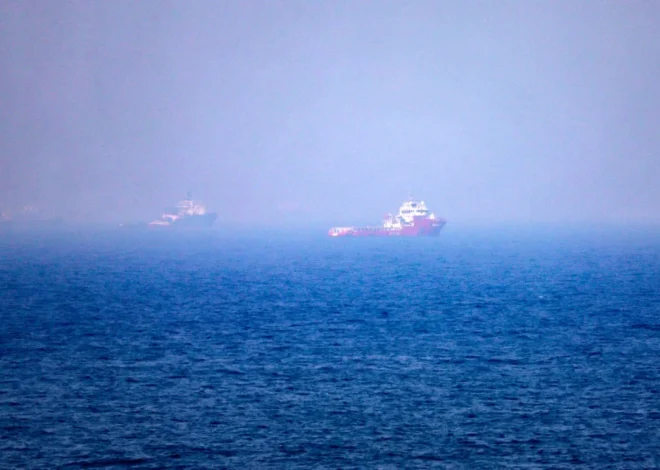
Tensions Escalate in the Persian Gulf as Tehran Strikes U.S. Allies and American Forces Intensify Bombing Campaign Against Iran