Olympic gaffes force out Meloni ally at Italy’s Rai Sport
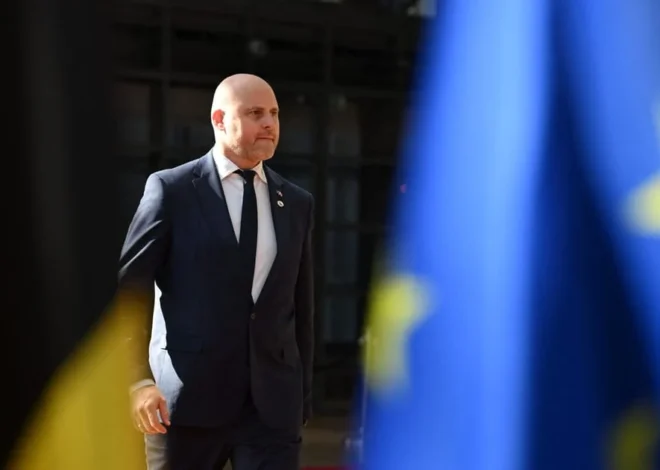
The resignation of Paolo Petrecca from his leadership position at Rai Sport marks a significant flashpoint in the ongoing tension surrounding the management of Italy’s public broadcaster. Petrecca, widely regarded as an ally of Prime Minister Giorgia Meloni’s administration, stepped down following a series of high-profile on-air blunders and controversial remarks during the recent Olympic Games coverage. His departure has reignited long-standing debates regarding the influence of political appointees within Rai and the perceived erosion of editorial standards under the current government’s mandate.
The Catalyst: Olympic Broadcasting Controversies
The events leading to Petrecca’s resignation reached a boiling point during the recent Olympic broadcasts, which were intended to be a showcase of national pride. Instead, the coverage was marred by a series of incidents that drew widespread public ire. Viewers and media critics alike accused the network of failing to maintain professional impartiality and, in several instances, perpetuating harmful stereotypes.
Specifically, the network’s commentary was criticized for lacking the nuance and cultural sensitivity expected of a public service broadcaster. When these on-air gaffes were compounded by Petrecca’s subsequent public defenses, which many deemed tone-deaf, the internal pressure became insurmountable. Critics argued that the rhetoric utilized by the network under his tenure had veered away from objective sports journalism toward a more ideologically charged narrative, alienating large segments of the Italian audience.

Political Context and the "Tele-Meloni" Narrative
The resignation cannot be viewed in isolation from the broader political climate in Rome. Since taking office, the administration of Giorgia Meloni has faced persistent allegations of attempting to reshape the editorial direction of Rai, a phenomenon frequently dubbed "Tele-Meloni" by opposition parties.
Observers have noted a pattern of replacing senior management figures with individuals perceived to be sympathetic to the Brothers of Italy (Fratelli d’Italia) party. The goal, according to detractors, is to ensure the public broadcaster aligns more closely with the government’s conservative agenda. While the government has consistently denied these claims, asserting that changes are necessary for efficiency and reform, incidents like the one at Rai Sport provide fodder for the opposition’s argument that the institutional independence of the broadcaster is under threat.
A Chronology of Institutional Strain
The friction at Rai did not begin with the Olympic gaffes. The past several months have been characterized by a series of controversies involving the intersection of culture, security, and the media:
- January 29, 2026: MEP Roberto Vannacci signals his intent to launch a new far-right party, signaling potential fractures on the right-wing flank of Italian politics. This move added pressure on the government to maintain a cohesive media message, further tightening the focus on how Rai covers political developments.
- February 2, 2026: A controversy erupts over a church fresco depicting Prime Minister Meloni. The lighthearted manner in which the administration addressed the potential blasphemy or impropriety of the imagery highlighted the government’s approach to its own public image—often deflecting criticism with humor or populist appeal.
- February 16, 2026: The government doubles down on its "law and order" rhetoric, introducing new security decrees. These measures were criticized by civil liberties groups as being aimed at stifling left-wing dissent, further polarizing the media landscape.
- February 19, 2026: The formal resignation of Paolo Petrecca is announced, capping off weeks of internal turmoil regarding the quality and tone of the Olympic coverage.
Data and Public Perception
Public trust in Italian media has remained a volatile metric. According to recent surveys by the Reuters Institute for the Study of Journalism, public broadcasters in Southern Europe often face a "trust deficit" when political interference is perceived to be high. In the case of Rai, the network’s reputation for providing neutral coverage has been tested by the frequent turnover of its executive board.

Internal metrics at Rai Sport, while often kept private, reportedly indicated a decline in viewer satisfaction scores throughout the Olympic window. Social media monitoring during the Games showed a marked increase in negative sentiment associated with the network’s hashtags, with many users citing the commentary as the primary source of frustration. This data-driven pushback likely played a critical role in the board’s decision to accept Petrecca’s resignation, as the network could not afford a prolonged decline in ratings and public goodwill during such a high-stakes event.
Official Responses and Internal Repercussions
The reaction to Petrecca’s exit has been characteristically divided along partisan lines. Supporters of the government have described the resignation as a "regrettable necessity" caused by a hostile media environment, suggesting that Petrecca was the victim of a coordinated campaign by left-leaning critics to undermine a conservative appointee.
Conversely, opposition leaders, including figures from the Democratic Party (PD) and the Five Star Movement, have hailed the resignation as a victory for professional journalism. They have called for a complete overhaul of the selection process for Rai’s leadership, advocating for a model that prioritizes meritocratic appointments over political affiliation. The parliamentary oversight committee for Rai is expected to convene soon to discuss the future of the sports division and to determine what structural safeguards can be implemented to prevent similar incidents in the future.
Implications for the Meloni Administration
The resignation of a prominent ally like Petrecca poses a tactical challenge for Prime Minister Meloni. While she maintains a strong mandate, the "Tele-Meloni" controversy threatens to undermine her government’s credibility in the eyes of moderate voters who value institutional stability.

Furthermore, the incident serves as a reminder of the fragility of the government’s influence over the "fourth estate." If every attempt to exert control over the public broadcaster results in a PR disaster or the loss of key personnel, the government may find it increasingly difficult to steer the narrative as it faces upcoming legislative hurdles.
The incident also emboldens factions like those represented by Roberto Vannacci. If the government is seen as failing to control its own institutions or manage public perception effectively, it may embolden more radical elements within the right-wing coalition to challenge the Prime Minister’s leadership.
Conclusion: The Path Forward for Rai
The departure of Paolo Petrecca is not merely a personnel change; it is a symptom of a deeper struggle for the soul of Italy’s public broadcaster. As Rai looks to appoint a successor, the network faces the difficult task of balancing the political realities of the current administration with the urgent need to restore public confidence.
To regain its footing, the network must demonstrate a commitment to editorial independence that transcends political patronage. Whether this can be achieved under the current regulatory framework remains a point of intense speculation. For now, the resignation serves as a warning that in the age of rapid information dissemination and social media scrutiny, the traditional mechanisms of political control are becoming increasingly difficult to maintain without significant reputational cost. The coming months will be critical in determining whether Rai can move past this period of instability or if it will continue to be a theater for Italy’s broader ideological wars.