EU braced for no deal on €90B Ukraine loan as Orbán refuses to budge
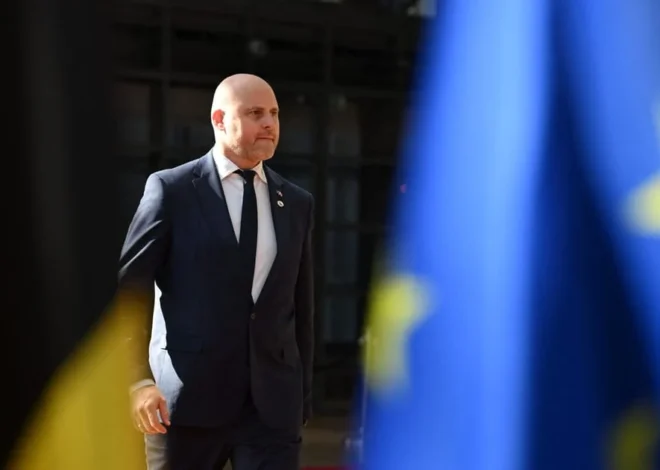
The European Council summit held this Thursday has concluded with a sense of deepening impasse, as Hungarian Prime Minister Viktor Orbán remains steadfast in his refusal to support a landmark €90 billion financial aid package for Ukraine. The deadlock has cast a long shadow over European unity, highlighting the persistent friction between Brussels and Budapest regarding the bloc’s strategic priorities and its ongoing support for Kyiv in the face of sustained Russian aggression. Despite intense diplomatic pressure and appeals from fellow member states, the standoff suggests that the European Union’s mechanisms for consensus-based decision-making are being pushed to their absolute limits.
The Anatomy of the Stalemate
The proposed €90 billion loan is intended to serve as a vital lifeline for the Ukrainian economy, which has been decimated by the protracted conflict. The funds are earmarked for critical infrastructure, essential public services, and the maintenance of basic governance as the war enters a new, unpredictable phase. For most EU leaders, the package is not merely an act of solidarity but a strategic necessity to prevent a collapse of the Ukrainian state.
However, Viktor Orbán has utilized the European Council’s unanimity requirement to stall the approval process. His objections are multifaceted, ranging from concerns over the financial burden on EU member states to broader, often ambiguous, critiques of the EU’s foreign policy trajectory. During Thursday’s sessions, sources inside the summit described a tense atmosphere, with several leaders openly expressing frustration at the Hungarian delegation’s refusal to engage with the technical components of the loan. The inability to reach an agreement leaves Kyiv in a precarious position, forcing the European Commission to scramble for alternative financial instruments that might bypass the need for full unanimous support.

Chronology of Escalation
The current standoff is not an isolated incident but rather the latest chapter in a long-standing pattern of friction between Budapest and the rest of the EU.
- February 2026: Initial proposals for the €90 billion package are drafted by the European Commission, aiming to provide long-term stability for Ukraine’s post-war reconstruction and ongoing defense needs.
- Early March 2026: Technical working groups within the Council of the European Union attempt to resolve member-state concerns, yet Hungary continues to signal its intention to exercise its veto.
- March 15, 2026: Former EU top diplomat Josep Borrell publicly criticizes the bloc’s lack of a unified posture, specifically regarding its relations with the United States and the handling of global trade, arguing that this weakness emboldens obstructionist behavior.
- March 18, 2026: EU leaders meet to discuss security concerns, including potential naval operations in the Middle East. The decision to soften the rhetoric on naval deployment reflects a broader anxiety within the Council about projecting strength when internal divisions remain unresolved.
- March 19, 2026: The European Council summit begins, with the €90 billion Ukraine loan taking center stage. The talks fail to yield a breakthrough, leading to an open acknowledgment of the impasse.
Supporting Data and Financial Context
The scale of the proposed €90 billion loan represents a significant escalation in EU financial assistance. For context, the EU has provided roughly €140 billion in various forms of aid since the start of the full-scale invasion in February 2022. The new package is intended to be the largest single commitment, structured to leverage market borrowing backed by the EU budget.
Analysts note that the delay has immediate fiscal consequences. Ukraine’s Ministry of Finance has indicated that without a steady influx of international support, the country faces a widening budget deficit that could force severe austerity measures or necessitate the printing of currency, both of which threaten the stability of the hryvnia. Furthermore, credit rating agencies have begun to factor the uncertainty of European aid into their assessments of Ukraine’s sovereign debt, creating a ripple effect that increases the cost of borrowing for Kyiv in other international markets.
The Geopolitical Landscape: A Triple Threat
The failure to secure the Ukraine loan occurs within a broader, more volatile international context. As noted by observers, the European Union is currently struggling with three distinct but interconnected crises:

- The Ukraine Financing Crisis: The direct result of the current veto, which threatens to undermine the bloc’s credibility as a reliable partner to Kyiv.
- Middle Eastern Security: The recent debate over naval ships in the Middle East highlights the EU’s struggle to coordinate military assets. The decision to limit the scope of these operations to "supporting existing efforts" rather than leading new ones is viewed by many as a signal of internal hesitation.
- The Transatlantic Rift: Josep Borrell’s recent warnings regarding the EU’s approach to Washington and the U.S. trade deal underscore a feeling of drift. Borrell’s suggestion that the EU should suspend parts of its trade agreement with the U.S. in response to shifting global dynamics—such as the recent Iran war—has sparked a debate about whether the EU is too cautious in defending its own economic and political sovereignty.
Official Responses and Internal Dynamics
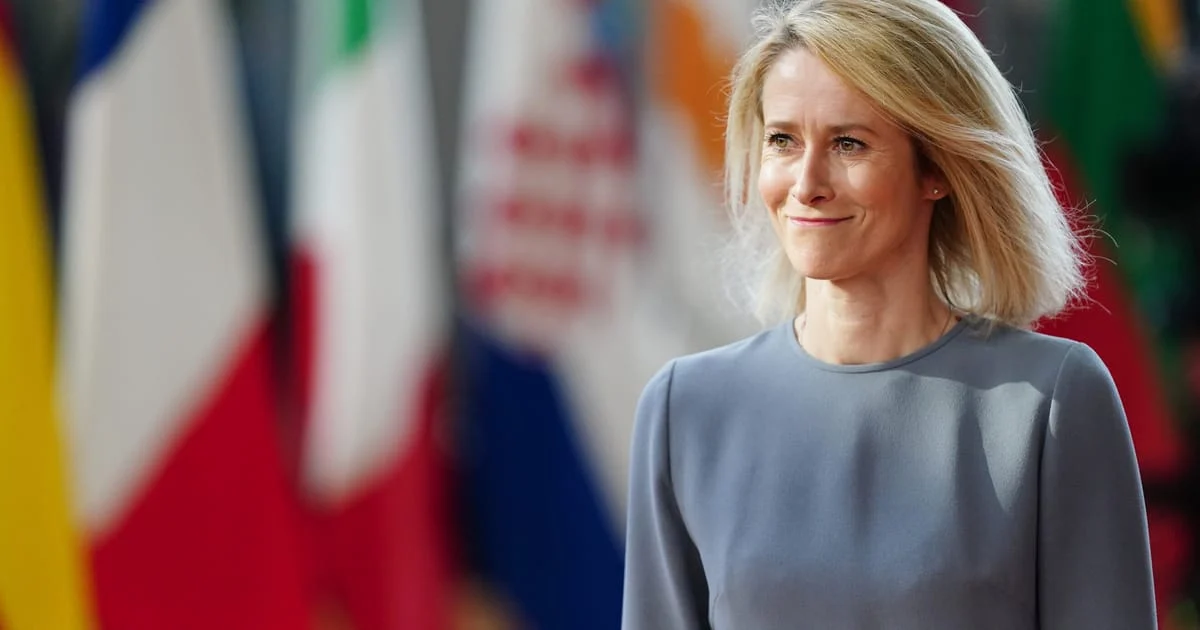
Inside the summit, the tone has shifted from cautious optimism to open exasperation. While official communiqués remain diplomatic, the behind-the-scenes reality is described as a "clash of visions." Pro-Ukraine advocates within the Council, led by Germany, France, and the Baltic states, argue that the EU cannot afford to look fragmented. "European security is indivisible," one senior diplomat remarked anonymously. "When we allow a single member to derail our collective defense and financial commitments, we invite others to challenge our sovereignty."
Conversely, the Hungarian position, articulated by officials close to Orbán, maintains that the financial package is unsustainable and that the EU should be focusing more on diplomatic mediation rather than purely financial and military support. This ideological divide remains the primary hurdle, with no clear path to a compromise that would satisfy both the European majority and the Hungarian government.
Broader Implications for the European Project
The implications of the current deadlock extend far beyond the immediate financial needs of Ukraine. First, it brings the issue of the "unanimity rule" back to the forefront of the European reform debate. For years, proponents of further integration have argued that the requirement for unanimous agreement on foreign policy and budgetary issues is a structural weakness that makes the EU vulnerable to "hostage-taking" by individual member states.
Second, the perceived paralysis of the European Council impacts the bloc’s standing on the global stage. If the EU cannot provide consistent support to a neighbor in the midst of an existential conflict, its aspirations to be a "geopolitical actor" are significantly undermined. Investors, allies, and adversaries alike are watching to see if the EU can overcome these internal fissures.

Finally, the situation serves as a test for the European Commission’s leadership. With the summit failing to yield a breakthrough, the focus will now shift to whether the Commission can find "workarounds"—such as intergovernmental agreements that exclude non-participating states—to ensure that the aid reaches Kyiv. While such mechanisms are legally complex and politically sensitive, they are increasingly seen as the only way to break the gridlock.
As the summit draws to a close, the path forward remains obscured. The EU stands at a crossroads, balancing its commitment to the rule of law and internal democracy with the urgent necessity of maintaining its role as a cornerstone of global stability. Whether the €90 billion loan is eventually approved in its current form or via a patchwork of national contributions, the political cost of this standoff has already been paid in the currency of European unity. The coming weeks will likely see a flurry of bilateral diplomacy, but until a fundamental consensus is reached, the spectre of further delays will continue to loom over the continent.