Tinubu begins state visit to UK Tuesday
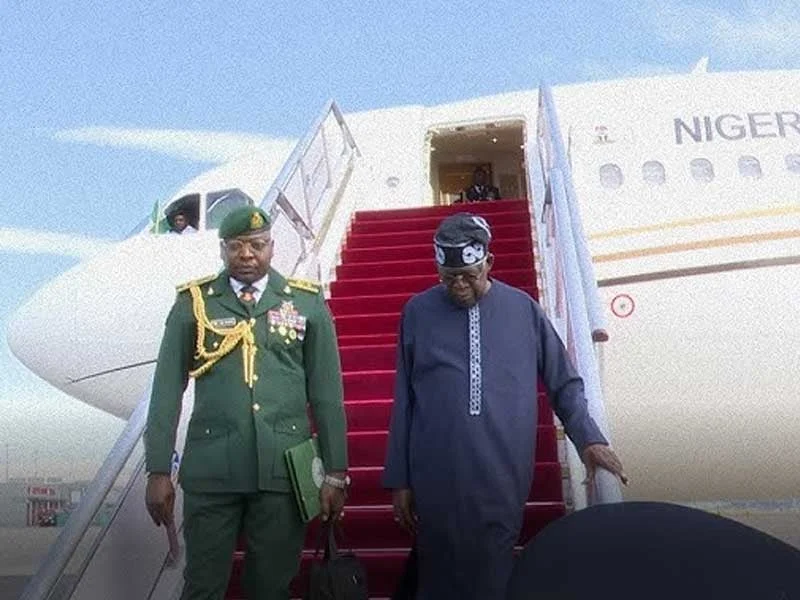
President Bola Tinubu is scheduled to depart Abuja for London this Tuesday, marking the commencement of a landmark state visit to the United Kingdom at the formal invitation of His Majesty King Charles III. This diplomatic mission represents a significant milestone in Nigeria-UK relations, as it is the first state visit by a Nigerian head of state in 37 years. The visit, which includes a reception at Windsor Castle, underscores a reinvigorated effort to align the interests of both nations across economic, security, and cultural sectors.
The President will be accompanied by the First Lady, Oluremi Tinubu, and a high-level delegation of government officials. This diplomatic excursion is framed by the Nigerian Presidency as a strategic move to reset the terms of engagement between Abuja and London, focusing heavily on tangible economic deliverables and long-term security cooperation.
A Historic Diplomatic Milestone
The significance of this visit cannot be overstated. Since the transition to the Fourth Republic in 1999, various Nigerian leaders have visited the United Kingdom for working summits, investment forums, and Commonwealth meetings. However, a state visit—the highest form of diplomatic engagement—has eluded the bilateral relationship for nearly four decades. By accepting the invitation to be hosted at Windsor Castle from March 18 to March 19, President Tinubu becomes the first Nigerian leader to receive this specific honor from the current British monarch.
The itinerary includes a curated exhibition of items from the Royal Collection that relate directly to the history of Nigeria. This cultural dimension is intended to acknowledge the shared history between the two nations while pivoting toward a future-oriented partnership. Beyond the pageantry of the Royal household, the visit is designed to serve as a substantive platform for high-level policy dialogue.
Economic Engine: The £746 Million Port Infrastructure Deal
At the heart of the economic agenda is the formalization of a £746 million financing agreement between the UK Export Finance (UKEF) and the Nigerian Ports Authority (NPA), in conjunction with the Federal Ministry of Finance. This investment is earmarked for the comprehensive rehabilitation and modernization of two of Nigeria’s most vital maritime gateways: the Lagos Port Complex (Apapa Quays) and the Tin Can Island Port Complex.
The logistics sector in Nigeria has long faced challenges related to aging infrastructure, which has historically hampered the efficiency of import and export operations. Analysts suggest that this infusion of capital, supported by UKEF, is a critical step toward decongesting Nigeria’s ports and enhancing the ease of doing business. By streamlining maritime operations, the government aims to boost non-oil exports and reduce the costs associated with port-related delays, which currently impact the retail price of consumer goods and industrial raw materials.
Strategic Engagements at 10 Downing Street
While the Royal reception sets the tone for diplomatic cordiality, the operational core of the visit will take place at 10 Downing Street. President Tinubu is scheduled for a bilateral meeting with the British Prime Minister, Keir Starmer. This meeting is expected to move beyond symbolic gestures to address specific policy areas, including trade, investment, defense, and cultural exchange.
The Prime Minister’s office has indicated that the meeting will result in the signing of several Memoranda of Understanding (MoUs). These documents are expected to establish frameworks for deeper cooperation in the digital economy, the development of solid minerals, and security intelligence sharing. For the United Kingdom, the visit offers a chance to solidify its position as a key partner to Africa’s most populous nation in a post-Brexit landscape. For Nigeria, it is an opportunity to attract foreign direct investment (FDI) at a time when the administration is seeking to diversify the economy away from its traditional reliance on crude oil revenues.
The Composition of the Delegation
To ensure that all sectors of the proposed agreements are covered, President Tinubu has assembled a cross-section of his cabinet and legislative leadership. The delegation includes:
- Legislative Oversight: Senate President Godswill Akpabio.
- Economic and Financial Management: Minister of Finance and Coordinating Minister of the Economy, Wale Edun; and Minister of Industry, Trade and Investment, Jumoke Oduwole.
- Security and Intelligence: National Security Adviser, Nuhu Ribadu; Chief of Defence Staff, Christopher Musa; and Director-General of the National Intelligence Agency, Mohammed Mohammed.
- Sector-Specific Ministers: Attorney General Lateef Fagbemi; Minister of Solid Minerals, Dele Alake; Minister of Information and National Orientation, Mohammed Idris; Minister of Culture and Creative Economy, Hannatu Musawa; Minister of State for Foreign Affairs, Bianca Ojukwu; and Minister of Communications and Digital Economy, Bosun Tijani.
The presence of the Chief of Defence Staff and the National Security Adviser indicates that the visit will also prioritize security cooperation. Given the regional challenges in the Sahel and the ongoing fight against insurgency in Northern Nigeria, the collaboration with the UK—a long-standing military training and intelligence partner—remains a pillar of Nigeria’s national security strategy.
Contextualizing the Relationship
The UK and Nigeria share a complex, multifaceted history. Nigeria is a member of the Commonwealth of Nations, and the UK remains one of the largest investors in the Nigerian economy, particularly in the financial services, consumer goods, and energy sectors. However, bilateral trade has fluctuated due to currency volatility, regulatory hurdles, and broader global economic shifts.
In recent years, the relationship has been tested by debates over immigration, particularly the student visa route and the movement of skilled professionals. The upcoming discussions are expected to touch upon migration policies, with both sides seeking a balanced approach that serves the economic needs of the UK while supporting the human capital development of Nigeria.
Analysis: What the Visit Means for Nigeria’s Economy
From an economic standpoint, the visit comes at a precarious time for Nigeria. The administration is navigating the complexities of currency floatation and the removal of fuel subsidies. The securing of the £746 million port deal is a tangible win that the President can present as evidence of his administration’s ability to attract international institutional capital.
"The UK-Nigeria relationship is currently in a state of recalibration," notes a trade analyst based in Lagos. "By focusing on infrastructure—specifically the ports—the government is targeting the root cause of supply chain inefficiencies. If this deal is executed effectively, it could serve as a model for future infrastructure projects funded by international export credit agencies."
However, the success of these agreements will ultimately be measured by their implementation. Past administrations have signed various MoUs that struggled to reach the stage of execution due to bureaucratic bottlenecks and fluctuating political priorities. The inclusion of the Minister of Finance and the Minister of Industry, Trade and Investment in the delegation suggests a concerted effort to ensure that these agreements are backed by robust financial and legal frameworks.
A Cultural and Diplomatic Bridge
The inclusion of the Minister of Culture and Creative Economy, Hannatu Musawa, reflects the growing importance of the "soft power" sector. The Nigerian creative industry—encompassing music, film, and fashion—is currently one of the country’s most successful exports. The visit is expected to facilitate discussions on how the UK can partner with Nigeria to build the necessary infrastructure, such as soundstages and digital production studios, to scale this industry further.
Furthermore, the focus on interfaith dialogue, which the King and the President will engage in, highlights a shared commitment to social cohesion. Both nations face internal challenges related to diversity and social integration, and the high-level dialogue at Windsor Castle serves as a platform to project a unified stance on these values.
The Road Ahead
As the Nigerian delegation prepares for the journey, the focus will remain on the long-term impact of the visit. The visit is not merely a diplomatic courtesy; it is an economic offensive. By elevating the relationship to the level of a state visit, President Tinubu is signaling to the global investor community that Nigeria is open for business and that the bilateral relationship with the UK is a priority of his administration.
The success of this visit will be evaluated on three fronts: the seamless implementation of the port infrastructure project, the concrete commitments secured in the security and defense sectors, and the strengthening of trade ties as articulated in the forthcoming MoUs. For the citizens of Nigeria, the outcome of these meetings will be watched closely, particularly for their potential to alleviate the cost of living through improved supply chains and increased economic activity.
As the President lands in London, he carries the weight of a nation’s expectations for a partnership that moves beyond rhetoric into a sustained, mutually beneficial, and modernized diplomatic alliance. The next few days in the United Kingdom will undoubtedly set the pace for the next chapter of the Nigeria-UK story.