Polish President Karol Nawrocki Vetoes Massive EU Security Loan Package Amid Deepening Political Rift in Warsaw
In a move that has sent shockwaves through the European defense community and further polarized the Polish political landscape, President Karol Nawrocki officially announced on March 12, 2026, his decision to veto a critical bill intended to implement the European Union’s Security Action For Europe (SAFE) scheme. The legislation would have facilitated Poland’s access to approximately €43.7 billion ($50.3 billion) in low-interest loans specifically earmarked for military modernization and the expansion of the domestic defense industrial base. The veto marks a significant escalation in the ongoing institutional conflict between the right-wing presidency and the centrist coalition government led by Prime Minister Donald Tusk.
President Nawrocki’s televised address, delivered from the Presidential Palace in Warsaw, framed the decision as a defense of national autonomy. He argued that the SAFE mechanism represents a Trojan horse for increased bureaucratic oversight from Brussels, suggesting that the "conditionality" attached to the loans could be used as a political lever against Poland in the future. The President’s stance highlights a fundamental ideological divide in Poland regarding the nature of European integration and the extent to which national security should be intertwined with EU financial structures.
The SAFE Scheme and the Architecture of European Defense
The Security Action For Europe (SAFE) initiative was designed by the European Commission to provide member states with a robust financial framework to accelerate military procurement in response to the deteriorating security environment in Eastern Europe. For Poland, the proposed €43.7 billion allocation represented one of the largest single financial infusions in the history of the Polish Armed Forces. The terms of the loan were notably more favorable than commercial credit markets, offering long-term repayment schedules and interest rates subsidized by the EU’s collective credit rating.
The Tusk administration had positioned these funds as the cornerstone of its "Modernization 2030" strategy. According to government briefings, over 80% of the SAFE capital was intended to be injected directly into the Polish defense sector. The primary objectives included:
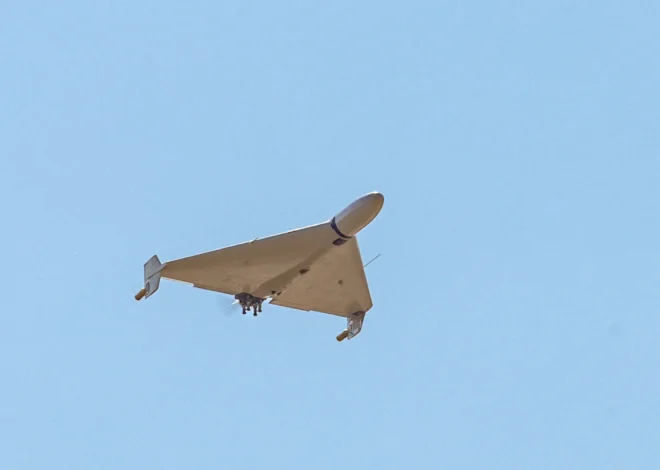
- Unmanned Technologies: The development and mass production of indigenous loitering munitions, reconnaissance drones, and unmanned ground vehicles (UGVs).
- Satellite Constellations: The establishment of a dedicated Polish military satellite network to reduce dependence on commercial or allied assets for intelligence, surveillance, and reconnaissance (ISR).
- Anti-Drone Systems: The deployment of multi-layered electronic warfare and kinetic solutions to counter the evolving threat of small-scale drone swarms.
- Cyber Warfare Capabilities: Enhancing the resilience of critical national infrastructure and expanding the offensive capabilities of the Polish Cyber Defense Forces.
Sovereignty vs. Security: The Presidential Rationale
In his March 12 speech, President Nawrocki articulated a vision of "sovereign defense," suggesting that the financial benefits of the SAFE scheme are outweighed by the long-term geopolitical costs. "SAFE is a mechanism through which Brussels can withhold funding at will, based on the so-called principle of conditionality," Nawrocki stated. He expressed concern that the debt would remain a sovereign obligation of the Polish taxpayer even if the EU decided to freeze disbursements over domestic policy disputes, such as judicial reforms or media regulations.
This argument taps into a long-standing grievance within Polish conservative circles regarding the EU’s "Rule of Law" mechanisms. By vetoing the bill, Nawrocki is effectively signaling that Poland should prioritize defense partnerships that do not involve "political strings," such as bilateral agreements with the United States or South Korea. This philosophy was recently mirrored in the debate over Poland’s tanker aircraft procurement, where the presidency leaned toward American options while the government favored a European-led solution.
The Government’s Strategy to Bypass the Veto
The Tusk government was not caught off guard by the President’s move. Anticipating the veto, officials from the Ministry of National Defense and the Ministry of Finance have been working on a contingency plan to ensure the €43.7 billion remains accessible. Because the ruling coalition lacks the three-fifths parliamentary majority required to override a presidential veto, the Cabinet intends to utilize the Armed Forces Support Fund (Fundusz Wsparcia Sił Zbrojnych), managed by the state-owned development bank Bank Gospodarstwa Krajowego (BGK).
By incorporating the EU loans into this existing framework, the government argues it can bypass the need for specific new legislation that would require the President’s signature. Deputy Prime Minister and National Defense Minister Władysław Kosiniak-Kamysz characterized the President’s decision as "bad and dangerous," emphasizing that the procurement needs addressed by the SAFE program were identified by the General Staff of the Polish Armed Forces, not by politicians in Brussels.
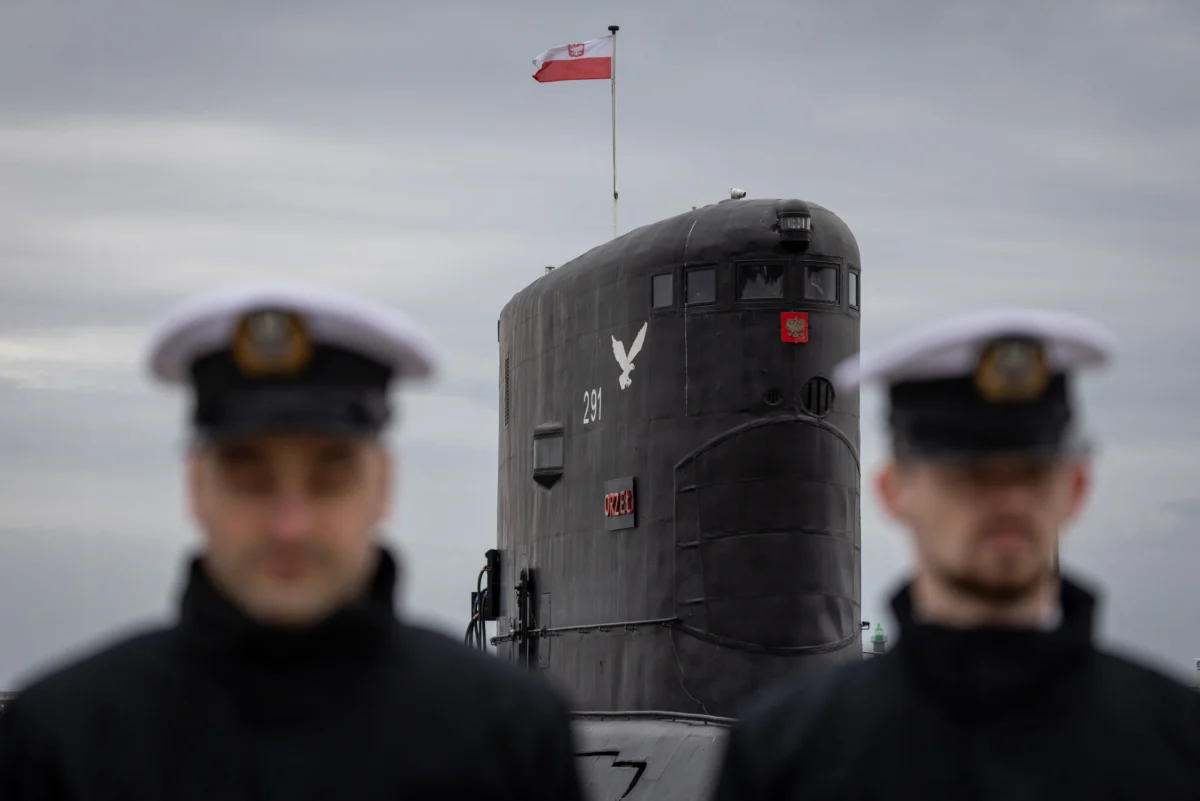
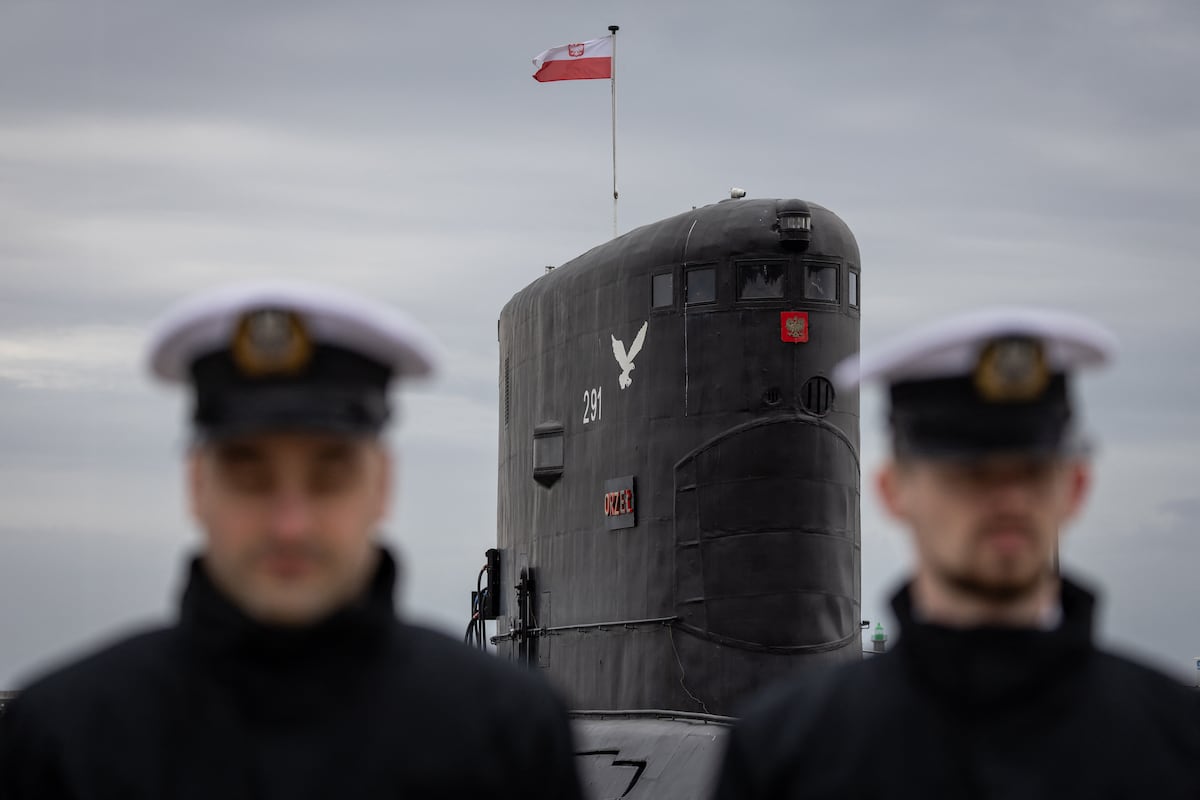
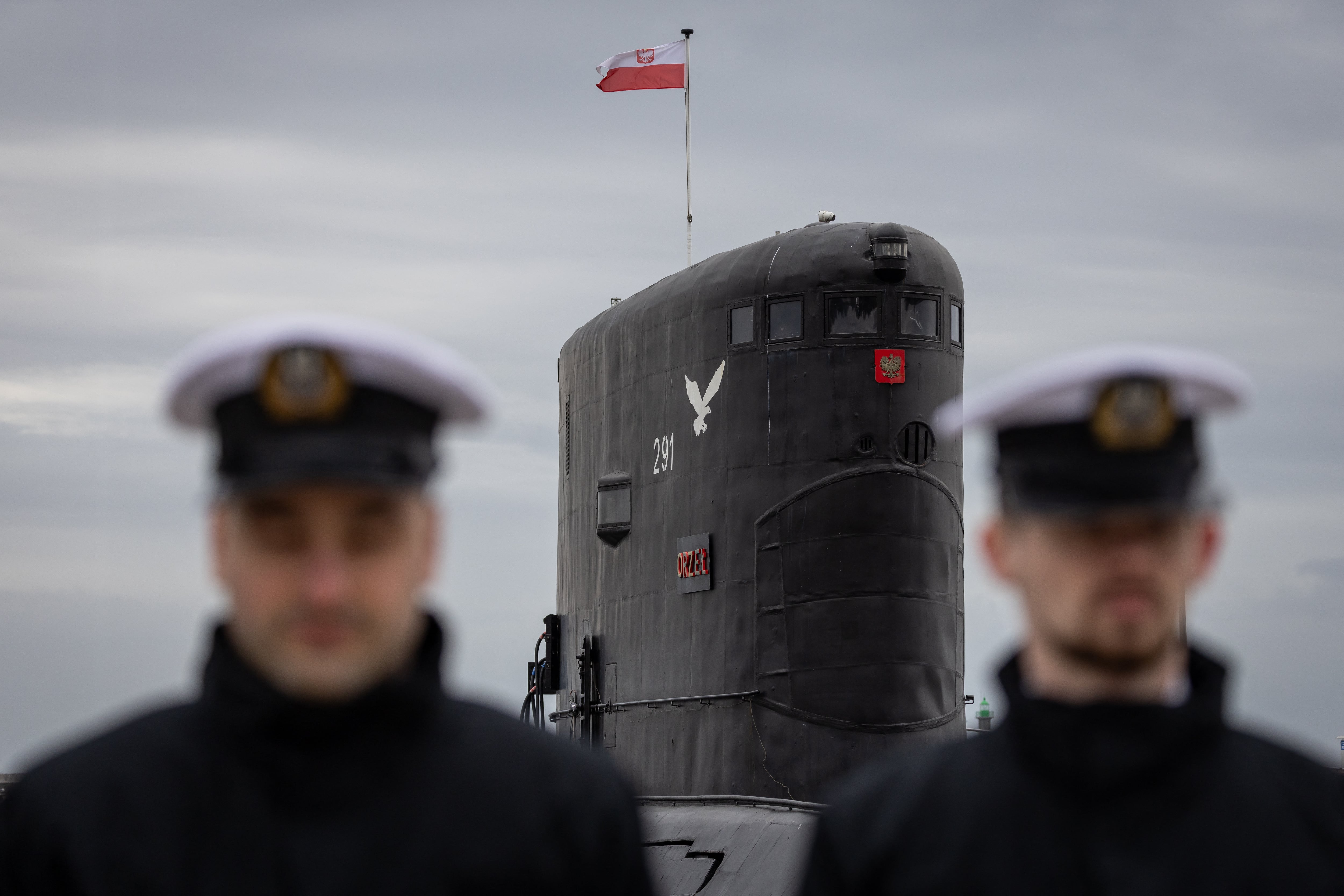
"The point of the SAFE program is to modernize the Polish military whose procurement needs, equipment needs have been identified by the leading experts," Kosiniak-Kamysz said in a public response. He argued that delaying these funds puts Polish soldiers at risk by slowing the replacement of Soviet-era equipment, such as the aging ORP Orzel submarine, which remains a symbol of the Navy’s urgent need for renewal.
Timeline of the Political Impasse
The current crisis is the culmination of months of friction regarding Poland’s defense trajectory. A brief chronology of events leading to the veto includes:
- November 2025: The European Union formalizes the SAFE scheme, offering Poland the largest share of the loan pool due to its frontline status.
- January 2026: The Tusk government introduces the SAFE Implementation Bill to the Sejm, the lower house of the Polish parliament.
- February 2026: President Nawrocki issues a series of warnings, suggesting the bill lacks "sovereignty safeguards."
- March 4, 2026: Tensions flare over a separate defense procurement decision regarding aerial tankers, highlighting the "Buy European vs. Buy American" rift.
- March 10, 2026: Nawrocki holds a press conference at the Presidential Palace, hinting at a "final rejection" of the EU loan terms.
- March 12, 2026: The official veto is announced, followed by the government’s declaration of intent to use the Armed Forces Support Fund as a workaround.
Broader Implications for NATO’s Eastern Flank
The political gridlock in Warsaw has implications that extend far beyond Poland’s borders. As the largest military spender in NATO relative to GDP, Poland is viewed as the "linchpin" of the alliance’s eastern flank. Any delay in its modernization efforts could be perceived as a vulnerability by regional adversaries.
International defense analysts suggest that the veto might complicate Poland’s relationship with other EU member states who are participating in the SAFE scheme. If Poland, the primary beneficiary, rejects the formal legislative framework, it may undermine the collective European effort to harmonize defense spending and procurement. Conversely, some analysts point out that if the Tusk government successfully bypasses the veto, it could lead to a constitutional crisis, potentially ending up in the Constitutional Tribunal.
Furthermore, the focus on "innovative gear" mentioned by Prime Minister Tusk—specifically satellites and cyber warfare—is crucial for NATO’s integrated defense. Poland’s ability to act as a regional intelligence hub depends on the rapid acquisition of these technologies. A delay in funding could stall the integration of Polish systems with the broader NATO data-sharing network.
Economic Impact and the Defense Industrial Base
The economic stakes are equally high. The Polish defense industry, led by the state-owned holding company Polska Grupa Zbrojeniowa (PGZ), has been preparing for a massive influx of orders. The SAFE funds were expected to modernize production lines that are currently struggling to keep up with the demand for Krab self-propelled howitzers and Borsuk infantry fighting vehicles.
If the funds are delayed or if the legal uncertainty surrounding the "bypass" strategy persists, defense contractors may face difficulties in securing their own supply chains. The domestic industry’s ability to transition into high-tech sectors, such as satellite manufacturing and advanced anti-drone sensors, is heavily dependent on the R&D grants and low-cost capital provided by the SAFE scheme.
Conclusion: A Nation at a Crossroads
As of mid-March 2026, Poland finds itself in a state of "cohabitation crisis" where the executive branch is fundamentally at odds with the legislative and administrative branches on the most sensitive issue of all: national survival. President Nawrocki’s veto is a calculated gamble that the Polish public will prioritize a traditional view of sovereignty over the immediate benefits of EU-subsidized military growth.
Meanwhile, the Tusk government is betting that the necessity of defense will justify the use of unconventional legal mechanisms to secure the funding. As the Ministry of National Defense continues to coordinate with the General Staff, the coming weeks will determine whether the €43.7 billion will flow into Polish coffers or if the "SAFE" initiative will become the latest casualty of Poland’s internal political warfare. For now, the soldiers standing guard over 40-year-old Soviet-era assets like the ORP Orzel remain a stark reminder of the gap between Poland’s military ambitions and its current political reality.

Related Posts
Pentagon Forges Landmark Seven-Year Agreements with Boeing and RTX to Accelerate Standard Missile-3 Production and Stabilize Defense Supply Chains
Boeing Unveils Ultra Low-Cost Seeker to Enhance Missile Inventory and Combat Cost Challenges in Modern Warfare