Australia Grants Asylum to Iranian Women Footballers Amid Growing Human Rights Crisis and National Anthem Protest
The Australian government’s landmark decision to grant asylum to five members of the Iranian women’s national football team and one high-ranking team official marks a significant escalation in the intersection of international sports, human rights, and geopolitical diplomacy. This move follows a high-profile act of defiance during the 2026 Asian Women’s Cup, where the athletes utilized their global platform to protest the ongoing systemic repression in their home country. By providing a safe haven to these individuals, Australia has reinforced its role as a sanctuary for courageous athletes who face state-sponsored persecution for exercising their fundamental rights to freedom of expression.
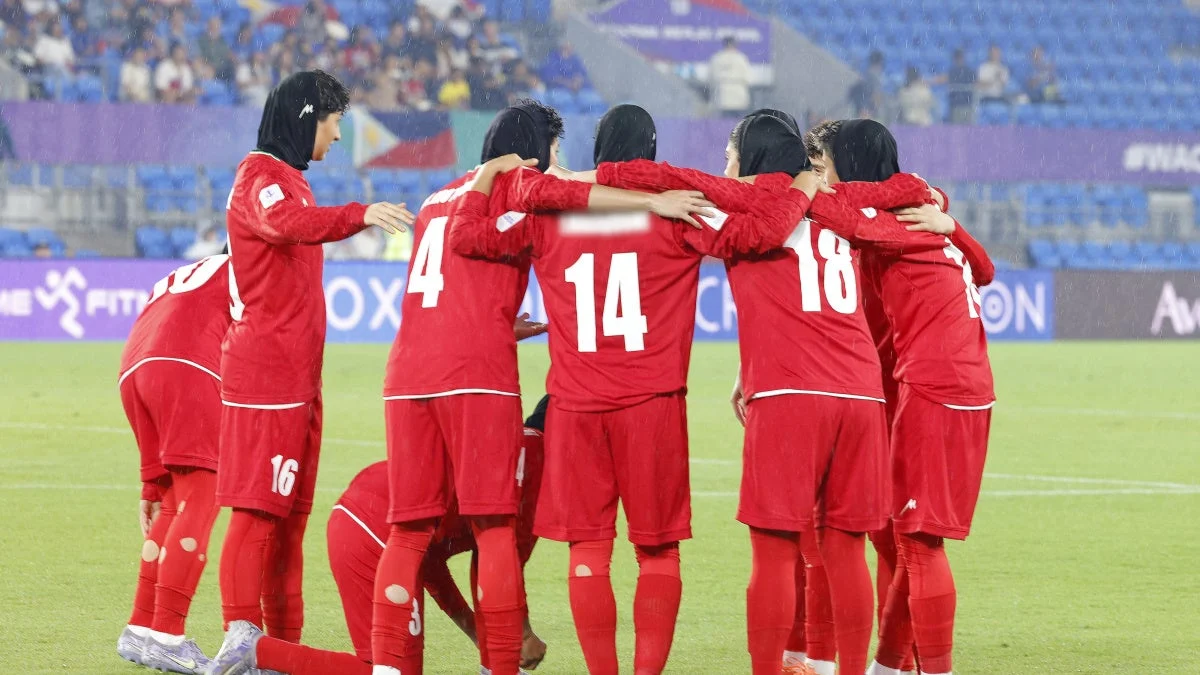
The group of six sought protection immediately following their final match of the tournament on March 8, 2026. Their decision to defect was catalyzed by the immediate and severe backlash they faced from Tehran after their opening match against South Korea on March 2. During the pre-match ceremony, the players stood in stony silence as the national anthem of the Islamic Republic was played, a gesture that echoed the "Woman, Life, Freedom" movement that has transformed Iranian civil society over the past several years. This act of silent protest was met with vitriol from Iranian state media, which branded the athletes as "wartime traitors," a label that carries heavy legal and physical risks within the Iranian judicial system.
A Chronology of Defiance and State Retaliation
The roots of this defection lie in a multi-year trajectory of athlete activism and state-led crackdowns in Iran. To understand the gravity of the Australian government’s decision, it is necessary to examine the timeline of events that led the players to conclude that returning home was no longer a viable option.
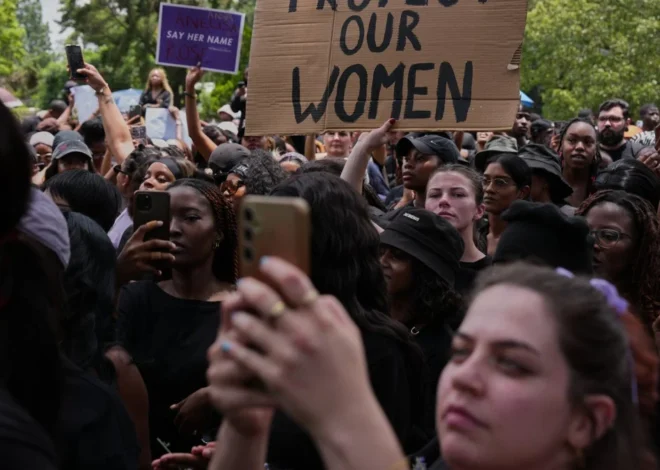
The current wave of dissent can be traced back to September 2022, following the death in custody of Jina Mahsa Amini, a 22-year-old woman arrested by the "morality police" for allegedly wearing her hijab improperly. Her death sparked a nationwide uprising. In November 2022, during the FIFA Men’s World Cup in Qatar, the Iranian men’s national team similarly refrained from singing the anthem, signaling a rare moment of unity between elite athletes and grassroots protesters.
Fast forward to February 28, 2026: a new and intense conflict began within Iran, characterized by renewed civil unrest and a subsequent brutal crackdown by security forces. Coinciding with this internal strife, the Iranian authorities implemented a near-total internet shutdown to stifle communication and prevent the documentation of human rights abuses. It was against this backdrop of escalating violence and information blackouts that the women’s national team traveled to Australia for the Asian Women’s Cup.
Upon their arrival in Australia, the players reported a suffocating atmosphere of surveillance. Despite being on foreign soil, they were followed by Iranian security "handlers" and political "minders" whose primary role was to monitor their interactions and ensure compliance with the regime’s strict social and political codes. This practice of embedding security personnel within athletic delegations is a documented tactic used by the Iranian government to prevent defections and suppress any form of political expression during international competitions.
The Mechanism of Repression: Security Minders and Surveillance
The presence of political officials within sports delegations is a point of significant contention for human rights organizations. Reports provided to Human Rights Watch and other monitoring bodies indicate that these minders often confiscate passports, restrict the movement of athletes outside of scheduled training sessions, and conduct regular "ideological check-ins."
In the case of the five players and the official in Australia, the surveillance was particularly aggressive. Sources close to the team indicated that the athletes felt their safety was compromised even within the confines of the tournament’s "secure" zones. The "wartime traitor" label broadcast by the Islamic Republic of Iran Broadcasting (IRIB) served as a clear signal that the players would face arrest, interrogation, or worse upon their return to Tehran. Under Iranian law, "propaganda against the state" and "insulting national symbols" are charges frequently used to imprison activists and dissidents for extended periods.
The decision to grant asylum highlights the Australian government’s recognition that these athletes are not merely sports figures but are now political targets. This follows a precedent set by Australia in 2021 and 2022, when the country provided visas and safe passage to dozens of members of the Afghanistan women’s national football team after the Taliban’s return to power resulted in a total ban on female participation in sports.
Institutional Failure: The Role of FIFA and the AFC
The defection of the Iranian players has cast a harsh light on the governing bodies of international football, specifically the Asian Football Confederation (AFC) and the Fédération Internationale de Football Association (FIFA). FIFPRO, the global union representing professional footballers, has been vocal in its criticism of these organizations, arguing that they failed in their duty of care to protect the Iranian squad.
FIFPRO’s stance is that both the AFC and FIFA should have anticipated the risks faced by the Iranian players, given the well-documented history of athlete persecution in the country. By allowing political officials—who often have no legitimate role in sports management—to travel with the team as part of the official delegation, these governing bodies effectively permitted the extension of the Iranian state’s repressive apparatus into an international tournament.
Critics argue that FIFA’s own statutes, which emphasize human rights and non-discrimination, are being violated when the organization allows member associations to use sports as a tool for political surveillance. There are growing calls for FIFA to implement a "minder-free" policy, which would prohibit non-sporting political officials from being part of national team delegations. Furthermore, the lack of a confidential grievance mechanism during the tournament meant that the Iranian players had no internal way to report the harassment they were experiencing from their own handlers.
Supporting Data: The Rising Cost of Dissent in Iranian Sport
The risks taken by these five players are underscored by the data regarding the treatment of athletes in Iran over the last four years. Since 2022, several high-profile Iranian athletes have faced severe consequences for expressing solidarity with protesters:
- Executions and Death Sentences: At least two athletes have been executed in connection with protests since 2022, while several others have faced charges that carry the death penalty.
- Imprisonment: According to human rights monitoring groups, over 20 professional athletes across various disciplines (karate, football, wrestling, and mountain climbing) have been detained or sentenced to prison terms ranging from three to fifteen years for "national security" offenses related to their social media activity or public statements.
- Forced Retirements and Bans: Dozens of female athletes have been stripped of their positions on national teams for refusing to wear the mandatory hijab during international competitions or for participating in silent protests.
The Iranian women’s national team, currently ranked within the top 70 globally by FIFA, has long been a symbol of resilience. However, the domestic environment for female athletes has become increasingly precarious. The Iranian Football Federation is largely controlled by individuals with close ties to the Islamic Revolutionary Guard Corps (IRGC), ensuring that the sport remains a vehicle for state ideology.
Broader Implications and the 2026 Men’s World Cup
The asylum granted by Australia is not an isolated incident but a precursor to potential challenges facing the 2026 FIFA Men’s World Cup, scheduled to be hosted by the United States, Canada, and Mexico. The global sporting community is increasingly concerned about how host nations and FIFA will handle the intersection of sports and human rights during what is expected to be the most-watched sporting event in history.
In the United States, current domestic debates regarding immigration crackdowns and the perceived slide toward more restrictive policies on freedom of expression have raised alarms for human rights advocates. There is a fear that if the U.S. and its partners do not have robust safeguarding protocols in place, athletes from repressive regimes who choose to protest during the 2026 World Cup may not find the same level of protection or legal recourse.
Human rights organizations are calling for FIFA to establish several key protections before the June kickoff of the 2026 Men’s World Cup:
- Independent Grievance Mechanisms: A system where athletes can report threats or surveillance by their own national federations without fear of reprisal.
- Confidential Referral Pathways: Pre-established legal and humanitarian channels to assist athletes who may need to seek asylum or temporary protection during the tournament.
- Vetting of Delegations: Stricter rules on who can be included in a national team’s official traveling party to prevent the inclusion of security agents disguised as sports officials.
Analysis: The New Era of the Athlete-Diplomat
The defection of the Iranian footballers signals a shift in the role of the modern athlete. No longer content with remaining apolitical, players from nations experiencing turmoil are increasingly using their visibility to act as "citizen diplomats." For the five Iranian women and their official, the pitch was not just a place for sport, but a stage for a high-stakes demand for human dignity.
Australia’s decision to grant asylum is a pragmatic acknowledgment of this shift. It recognizes that in the 21st century, a national team jersey does not strip an individual of their human rights, nor does it protect them from the reach of an authoritarian state. By granting these visas, Australia has set a benchmark for how democratic nations can support the "Woman, Life, Freedom" movement through tangible administrative action rather than just rhetorical support.
As the six Iranians begin their new lives in Australia, the international community remains focused on the fate of those they left behind. The internet shutdown in Iran continues to hide the full extent of the crackdown, but the silence of the players on the pitch in Australia has spoken volumes. The move places immense pressure on FIFA to transition from a policy of "neutrality"—which critics often view as complicity—to one of active protection for the athletes who are the lifeblood of the sport.
The implications of this event will likely resonate through the halls of the AFC and FIFA for months to come. With the 2026 Men’s World Cup on the horizon, the precedent set in Australia serves as a stark reminder that the world of sports can no longer be divorced from the global struggle for human rights. The courageous stand of five women and one official has ensured that while they may have lost their home, they have gained a voice that the Iranian authorities can no longer silence.

Related Posts
Human Rights Watch Calls for Investigation into Death of Detainee Following Removal from Najaf Hospital by Iraqi Drug Police
Human Rights Watch Urges UN Security Council to Extend Lebanon Peacekeeping Mission Amid Escalating Conflict and Humanitarian Crisis