
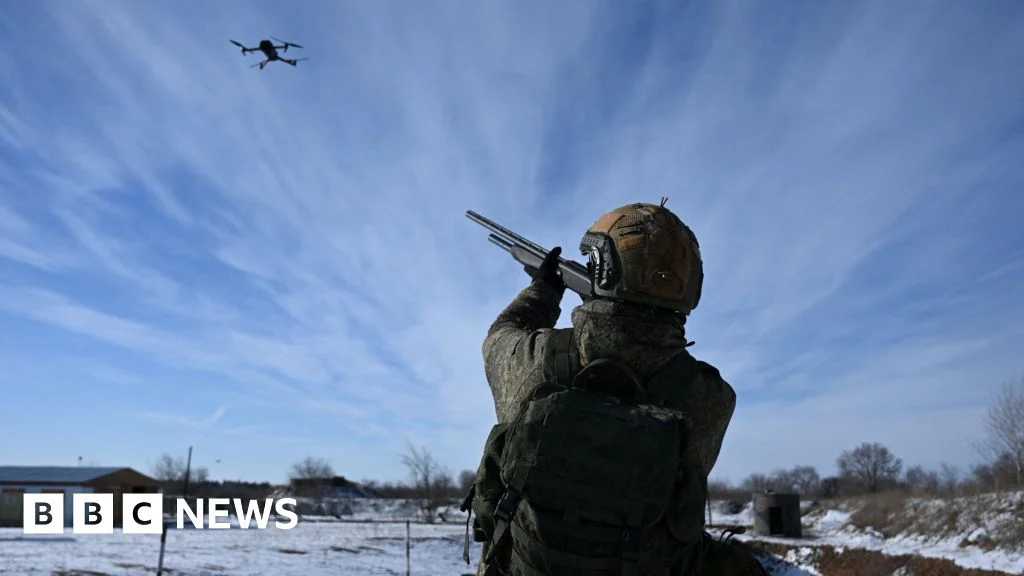
Zimbabwe says 15 nationals killed after being lured to fight for Russia
Harare has confirmed the tragic deaths of 15 Zimbabwean nationals who were reportedly deceived and recruited to fight on behalf of Russia in its ongoing war with Ukraine, with a further 60 individuals still believed to be trapped on the frontlines. The devastating announcement marks a stark revelation of the human cost of a sophisticated human trafficking and recruitment scheme that has ensnared vulnerable citizens from across Africa, promising lucrative opportunities abroad only to deliver them into a brutal conflict zone.
The nation’s Information Minister, Zhemu Soda, disclosed the grim figures, detailing how "shadowy agencies" utilized pervasive social media platforms as their primary hunting grounds to lure unsuspecting Zimbabweans. These platforms, often unmonitored and rife with misinformation, serve as conduits for elaborate deceptions, offering false hope of prosperity to those desperate for economic improvement. Minister Soda unequivocally labeled the operation as "a sophisticated scheme of deception, exploitation, and human trafficking that has already resulted in the loss of Zimbabwean lives." This statement represents the first official acknowledgment by the Zimbabwean government that a significant number of its citizens are embroiled in military service for Russia, highlighting the depth of the crisis.
The government is currently engaged in urgent discussions with Russian authorities to facilitate the repatriation of the deceased and to secure the safe return of those still alive and trapped in the conflict zones. This diplomatic endeavor underscores the complex challenges faced by nations whose citizens have become unwitting combatants in a foreign war. Minister Soda issued a stern warning to all Zimbabweans, urging extreme caution regarding overseas job offers and emphasizing the critical need to verify such opportunities through official governmental channels. He cautioned that the illicit recruiters frequently vanish once a recruit is injured, captured, or killed, leaving families without any financial support, information, or recourse. This predatory aspect of the recruitment scheme exacerbates the suffering of victims and their loved ones, transforming a personal tragedy into a broader societal vulnerability.
The Deception and its Victims: A Closer Look at Recruitment Tactics
The revelation from Zimbabwe casts a harsh light on the insidious methods employed by these recruitment networks. Often targeting young men and women facing severe economic hardship, these agencies prey on aspirations for a better life. In countries like Zimbabwe, where unemployment rates, particularly among youth, are staggeringly high – informal sector employment often masks a deep lack of formal opportunities – the promise of a well-paying job overseas can be irresistible. Reports suggest that salaries ranging from $2,000 to $3,000 per month are dangled as bait, a sum far exceeding typical earnings in many African nations. These offers are frequently advertised as roles in construction, logistics, or security services in Russia, deliberately obscuring the true nature of the work.
Once individuals arrive in Russia, often on legitimate work visas, they are reportedly coerced or pressured into signing military contracts, sometimes under duress or through a lack of understanding of the Russian language and legal system. The recruits find themselves in a foreign land, their passports confiscated, and their initial job promises replaced with the grim reality of military training and deployment to the frontlines of a brutal war. This pattern aligns with classic definitions of human trafficking, where deception and coercion are used for exploitation, in this case, military exploitation. The absence of clear, official recruitment channels for foreign fighters in Russia further complicates matters, suggesting that these "shadowy agencies" operate outside legitimate frameworks, exploiting legal loopholes and desperate individuals.
Official Responses and Diplomatic Engagements
Zimbabwe’s government has pledged to intensify its efforts to protect its citizens from such exploitation. The ongoing dialogue with Russian authorities is critical, as it involves navigating complex international laws, wartime protocols, and the sovereign interests of both nations. The immediate priorities are the identification and repatriation of the deceased, a process often fraught with logistical and bureaucratic hurdles in a conflict zone, and the safe extraction and return of the 60 or more individuals still believed to be fighting. This diplomatic challenge is compounded by the fact that Russia itself is actively seeking to replenish its military ranks, making it a delicate balance for African nations to assert the protection of their citizens while maintaining diplomatic relations.
The warnings issued by Minister Soda are not merely cautionary but reflect a broader strategy to educate the public about the dangers of unregulated overseas job opportunities. The government is likely to bolster public awareness campaigns and strengthen collaboration with international law enforcement agencies to dismantle these trafficking networks. The emphasis on verifying job offers through official channels, such as embassies or government labor departments, is a crucial preventative measure designed to empower citizens with the knowledge to discern legitimate opportunities from fraudulent schemes.
A Regional Crisis: African Nations Confronting Recruitment
The Zimbabwean case is not an isolated incident but rather a reflection of a wider, disturbing pattern observed across various African countries. Nations including Kenya, Ghana, and South Africa have also reported their citizens being enticed and subsequently trapped in the Russia-Ukraine conflict. This regional scope underscores the systemic nature of the recruitment efforts and the pervasive vulnerability that economic hardship creates across the continent.
Kenya’s Predicament: Kenyan authorities estimate that as many as 252 of its citizens have been illegally conscripted to fight for Russia. The severity of the situation prompted Kenya’s Foreign Minister, Musalia Mudavadi, to undertake a critical visit to Moscow recently. During his visit, diplomatic engagements reportedly resulted in an agreement aimed at ceasing the deployment of Kenyan nationals to fight in the war. This development, if effectively implemented, could serve as a vital precedent for other African nations grappling with similar challenges. The agreement likely involves enhanced information sharing, stricter controls over recruitment, and mechanisms for repatriation.
Ghana’s Tragic Toll: Ghana has also faced significant losses, reporting last month that 55 of its citizens had been killed in the conflict. Approximately 272 Ghanaians are believed to have been lured into fighting since the war commenced in February 2022. This substantial number highlights the scale of the problem and the deep reach of the recruitment networks into West Africa. The Ghanaian government has likely initiated its own diplomatic efforts and public awareness campaigns to combat this issue.
South Africa’s Repatriation Efforts: In a more fortunate outcome, South Africa successfully secured the return of 17 of its citizens who were allegedly tricked into joining the war. This successful repatriation offers a glimmer of hope and a potential blueprint for other nations seeking to rescue their nationals. The experience of these returnees could also provide invaluable intelligence regarding the recruitment process, the identities of the traffickers, and the conditions faced by foreign fighters.
According to a Ukrainian intelligence assessment, the scale of African involvement is even broader, estimating that more than 1,700 people from 36 countries across Africa have been recruited to fight for Russia. These figures, while difficult to independently verify in a conflict zone, paint a grim picture of a continent inadvertently drawn into a European war through exploitation and deception.
The Broader Context: Why Africans Are Recruited
The recruitment of African nationals into the Russian military, whether directly or through proxy forces, is deeply rooted in several intertwined factors:
Russia’s Manpower Needs: The ongoing full-scale invasion of Ukraine has led to significant casualties and a continuous demand for fresh combatants to sustain military operations. While Russia has undertaken domestic mobilization efforts, these have proven unpopular and disruptive. Recruiting foreign nationals, particularly from countries with which Russia maintains historical and often friendly diplomatic ties, offers a means to augment troop numbers without further straining domestic resources or public sentiment. The legacy of Soviet-era support for liberation movements in Africa has fostered a degree of goodwill and influence that Russia now seeks to leverage.
Economic Vulnerability in Africa: High rates of poverty, unemployment, and lack of economic opportunities across many African nations create a fertile ground for exploitation. Young men, often with limited prospects, are particularly susceptible to offers of high wages and promises of a stable future, even if those promises are ultimately false and dangerous. The allure of escaping endemic financial struggles, even at great personal risk, becomes a powerful motivator.
The Role of Private Military Companies (PMCs): Historically, groups like the Wagner Group played a significant role in recruiting foreign fighters, including from Africa, for various conflicts. While the Wagner Group’s structure has reportedly been reorganized following events in Russia, the underlying mechanism of utilizing PMCs or state-backed entities to recruit foreign combatants likely persists. These entities often operate with a degree of plausible deniability, making it harder to hold state actors directly accountable for illicit recruitment.
Geopolitical Influence: Russia has actively sought to expand its geopolitical influence in Africa, establishing military cooperation agreements and economic partnerships. The presence of African fighters in its military, however coerced, could also be seen as a perverse demonstration of its international reach and support, albeit one built on human tragedy.
International Concerns and Human Rights Implications
The recruitment of foreign nationals into armed conflicts raises serious international human rights and legal concerns. The use of deception and coercion to enlist individuals potentially constitutes human trafficking for the purpose of military exploitation. This practice violates international human rights laws, including protocols against human trafficking, and often runs afoul of national laws against mercenary activity. Many countries, including those in Africa, have laws prohibiting their citizens from serving as mercenaries in foreign conflicts.
Humanitarian organizations and international bodies are likely to view these incidents with grave concern, emphasizing the need for robust protections against trafficking and for adherence to international humanitarian law. The families of those killed or trapped face not only emotional distress but also immense practical challenges, including navigating legal ambiguities, securing death certificates, and accessing any potential compensation, which is often non-existent in cases of illicit recruitment. The lack of transparency surrounding the recruitment process and the fate of these individuals makes accountability extremely difficult to achieve.
The Path Forward: Repatriation and Prevention
The immediate challenge for Zimbabwe and other affected African nations is the repatriation of bodies and the safe return of their citizens. This requires sustained diplomatic engagement with Russia, potentially involving third-party intermediaries or international organizations, to ensure humanitarian access and safe passage. The complexities of operating in a war zone mean that these efforts can be protracted and dangerous.
Beyond immediate rescue efforts, a long-term strategy is essential to prevent future exploitation. This includes:
- Strengthening National Legislation: Reviewing and enhancing laws against human trafficking and mercenary activities, with clear penalties for recruiters.
- Public Awareness Campaigns: Extensive public education through traditional and social media about the risks of unregulated overseas job offers and the tactics of traffickers.
- International Cooperation: Collaborating with international law enforcement agencies (e.g., Interpol) to identify, track, and dismantle transnational trafficking networks.
- Economic Empowerment: Addressing the root causes of vulnerability by fostering economic growth, creating job opportunities, and improving livelihoods, thereby reducing the desperation that drives individuals to consider risky offers.
- Diplomatic Pressure: African Union and regional bodies could collectively exert pressure on all parties involved in conflicts to cease the recruitment of foreign nationals through deceptive means and to adhere to international human rights and humanitarian laws.
The tragedy of the 15 Zimbabweans killed and the scores still trapped in Ukraine serves as a stark reminder of the devastating human consequences when economic desperation meets geopolitical conflict and exploitative recruitment. It underscores the urgent need for comprehensive national and international responses to combat human trafficking, protect vulnerable populations, and ensure that no more lives are lost to such insidious schemes. The efforts by Zimbabwe, Kenya, Ghana, and South Africa represent a critical front in this ongoing global challenge, demanding vigilance, diplomatic resolve, and a concerted commitment to human dignity.

Related Posts
Zambia on Edge: Opposition Leader Arrested Amid Allegations of Insurrection Plot and Election Tensions
Rescuers search for survivors of powerful Indonesia earthquake

