The Weaponization of Extremism Laws in Belarus: A Systematic Campaign Against Civil Society and Academic Freedom
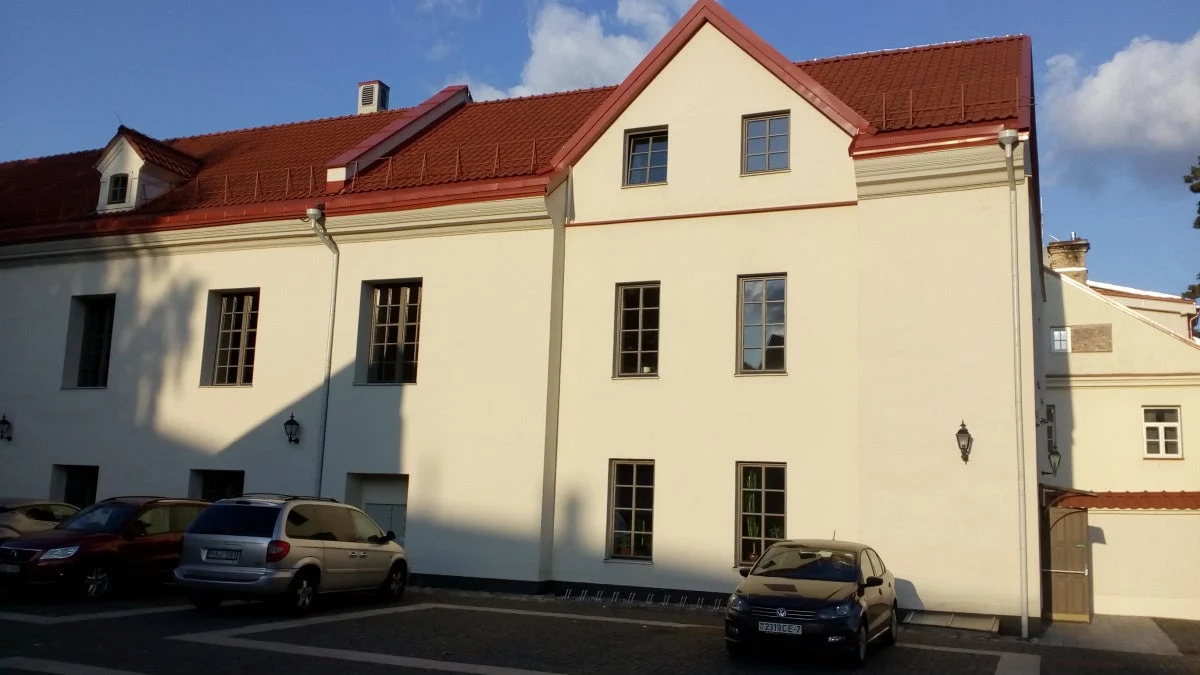
The Belarusian government has significantly intensified its use of "extremism" legislation to dismantle the remaining pillars of independent thought, targeting academic institutions, human rights organizations, and the Belarusian diaspora with unprecedented legal aggression. On April 14, the Belarusian Supreme Court formally designated the European Humanities University (EHU), a prominent liberal arts institution currently operating in exile in Lithuania, as an "extremist organization." The court’s justification for the ruling centered on allegations that the university was actively "destabilizing the sociopolitical situation" within Belarus. This designation marks a critical escalation in the state’s effort to criminalize intellectual engagement and international educational standards, placing thousands of current students, alumni, and faculty members at immediate risk of criminal prosecution.
The legal implications of this ruling are far-reaching. Under the current Belarusian legal framework, any individual associated with an "extremist organization"—whether through teaching, attending lectures, or even maintaining digital interactions with the institution—can be subjected to criminal charges. Crucially, these laws are being applied retroactively, meaning that individuals who attended the university years before the designation could still face imprisonment or in absentia trials. For the majority of the EHU community, who are Belarusian nationals, this designation effectively bars them from returning to their home country and creates a permanent state of legal jeopardy for their families remaining in Belarus.
A Targeted Timeline of Repression in 2026
The designation of the European Humanities University is not an isolated event but rather the latest installment in a rapid-fire campaign that has seen dozens of organizations blacklisted since the beginning of 2026. The Belarusian State Security Committee (KGB) and the Ministry of Internal Affairs have utilized a streamlined process to bypass traditional judicial scrutiny, labeling entities as "extremist formations" with minimal public evidence.
The chronology of these designations reveals a calculated strategy to isolate various sectors of civil society:
- February 27, 2026: The KGB designated PEN Belarus as an "extremist formation." Founded in 1989, PEN Belarus is one of the nation’s oldest cultural institutions, dedicated to the protection of freedom of expression and the promotion of Belarusian literature. Alongside the organization itself, two of its alleged members were specifically named in the designation. The state also added the organization’s social media platforms to the official list of "extremist materials," making the mere act of "liking" or sharing their content a punishable offense.
- March 11, 2026: Human Constanta, a leading human rights group focused on digital rights and the protection of stateless persons, was added to the list. The designation included four individuals associated with the group. Among them was Nasta Lojka, a prominent activist who had previously been detained. In a complex diplomatic maneuver, Lojka was released and deported to Lithuania without documentation just one day after the designation, following negotiations led by the United States government.
- March 31, 2026: The Belarusian Helsinki Committee (BHC), the country’s most storied human rights monitoring group, was labeled an "extremist formation." The BHC, which had already been stripped of its formal registration in previous years, saw its websites, social media channels, and even its official email addresses banned. This move was viewed by international observers as a final attempt to erase the legal legacy of human rights monitoring in the country.
- April 14, 2026: The Supreme Court’s ruling against the European Humanities University signaled that the crackdown had moved beyond political activism into the realm of formal higher education.
The Legal Framework: Vague Definitions and Punitive Power
The foundation of this crackdown lies in the Belarusian Law on Countering Extremism, a piece of legislation that human rights advocates describe as intentionally broad and strategically vague. The law allows the state to categorize almost any form of dissent or independent organization under two primary labels: "extremist materials" and "extremist formations."
An "extremist formation" designation is particularly severe. It allows for the criminal prosecution of founders, leaders, and participants under Article 361-1 of the Criminal Code, which carries sentences of up to ten years in prison. Furthermore, the authorities have increasingly utilized "in absentia" proceedings, allowing them to convict and sentence Belarusians living in exile. This "long-arm" jurisdiction is designed to exert control over the diaspora, discouraging political participation abroad by threatening the seizure of property within Belarus or the arrest of relatives.
Data from the Viasna Human Rights Center indicates that the scope of this legal weaponization is massive. Over the past five years, more than 1,000 political prisoners have been prosecuted specifically on "extremism" charges. Since the start of 2026 alone, the authorities have declared 23 additional organizations as extremist formations. These groups are not limited to high-profile political entities; they include local chat groups for the families of political prisoners, independent regional media outlets, and grassroots mutual aid initiatives.
Impact on Academic and Cultural Sovereignty
The targeting of the European Humanities University and PEN Belarus represents a specific assault on Belarusian national identity and intellectual sovereignty. EHU was originally founded in Minsk in 1992 as a private institution dedicated to Western-style liberal arts education. After being forced out of the country by the Lukashenko administration in 2004, it relocated to Vilnius, Lithuania, with the support of the European Union and various international donors.
By labeling EHU as extremist, the Belarusian government is attempting to sever the link between the youth of Belarus and European educational values. It sends a clear message that seeking an education outside of the state-controlled system is viewed as an act of treason. For PEN Belarus, the designation is an attempt to silence the country’s literary voice. As an affiliate of PEN International, the organization has been a bridge between Belarusian writers and the global literary community. The criminalization of such a group effectively makes the defense of cultural rights a criminal activity.
International Reaction and the Humanitarian Crisis
The international community has reacted with sharp condemnation to the recent wave of designations. A coalition of twelve Belarusian and international human rights organizations issued a joint statement condemning the use of anti-extremism laws as a tool of political repression. The statement highlighted that these laws are being used to circumvent international human rights obligations, including the right to freedom of association and the right to education.
Despite the high-profile release of certain political prisoners, such as Nasta Lojka, international analysts warn against viewing these releases as a sign of liberalization. Instead, the continued designation of groups like Human Constanta and the Belarusian Helsinki Committee suggests a "revolving door" policy. While some individuals are released as part of diplomatic negotiations, the legal net is cast wider to ensnare new victims and maintain a climate of fear.
The United States and the European Union have remained steadfast in their criticism, yet the Belarusian authorities continue to utilize these designations as leverage in geopolitical maneuvering. Human rights groups have urged Western governments to ensure that the cessation of the human rights crisis—and the repeal of these extremist designations—remains the central pillar of any diplomatic engagement with Minsk.
Analysis of Broader Implications
The systemic application of extremism laws in Belarus serves several strategic functions for the current administration. First, it creates a "legal ghetto" for dissent, where any individual who consumes independent news or engages with civil society is automatically a criminal in the eyes of the state. This facilitates mass surveillance, as digital footprints—such as being a member of a Telegram channel now deemed extremist—become ready-made evidence for prosecution.
Second, the crackdown targets the diaspora’s ability to organize. By designating exile-based organizations like EHU and Human Constanta as extremist, the state creates a barrier between those who fled and those who remained. It discourages the flow of information, financial support, and intellectual exchange that is vital for the survival of a democratic movement.
Finally, the focus on academic and human rights institutions suggests an effort to "purge" the national history and future. By dismantling the Belarusian Helsinki Committee and PEN Belarus, the state seeks to erase the institutional memory of human rights advocacy. By targeting EHU, it seeks to prevent the formation of a new generation of leaders educated in democratic principles.
As of mid-2026, the list of extremist formations continues to grow weekly. The lack of an independent judiciary in Belarus means there are no internal mechanisms to challenge these designations. The situation has created a humanitarian crisis where thousands of citizens are effectively stateless or in permanent exile, unable to return to their country without facing immediate detention under laws that equate civil participation with terrorism. The international community faces the ongoing challenge of supporting these "extremist" entities while navigating a regime that has successfully codified the total suppression of dissent into the national legal framework.

Related Posts

Human Rights Watch Calls for Investigation into Death of Detainee Following Removal from Najaf Hospital by Iraqi Drug Police
Human Rights Watch Urges UN Security Council to Extend Lebanon Peacekeeping Mission Amid Escalating Conflict and Humanitarian Crisis