
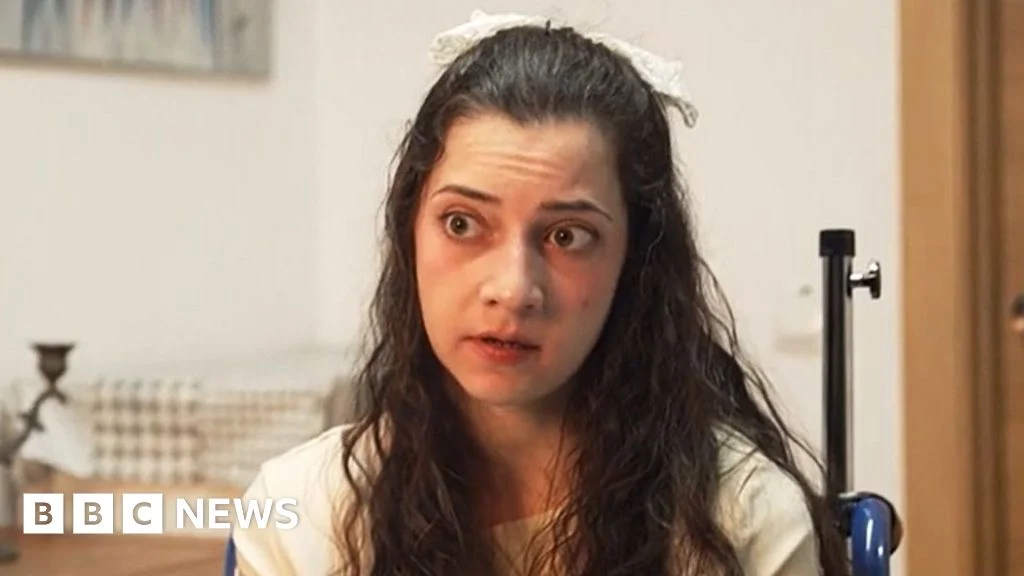
Noelia Castillo Ends Protracted Legal Battle, Dies by Euthanasia in Landmark Spanish Case
Barcelona, Spain – Noelia Castillo, a 25-year-old Spanish woman whose fervent desire to end her life with dignity ignited a protracted and emotionally charged legal battle, died by euthanasia on Thursday. Her passing marks a significant moment for Spain’s relatively new euthanasia law, as her case was the first to navigate the complexities of judicial review, ultimately reaching the European Court of Human Rights (ECHR) before her right to choose was upheld. Castillo’s decision to seek assisted dying stemmed from profound and intractable suffering, both physical and psychological, following a catastrophic suicide attempt in 2022 that left her paraplegic.
The Genesis of a Heartbreaking Decision
Noelia Castillo’s journey towards euthanasia began in 2022, when a desperate act to end her life resulted in severe spinal cord injuries, confining her to a wheelchair and rendering her paraplegic. This physical incapacitation was compounded by a lifetime of deep-seated trauma and emotional anguish. Speaking publicly in the days leading up to her death, Castillo bravely recounted a difficult childhood, much of which was spent in various care homes. These early experiences contributed to a pervasive sense of loneliness that she described as an enduring shadow over her life.
Beyond the physical consequences of her suicide attempt, Castillo’s past was marred by horrific experiences of sexual assault. She disclosed being sexually assaulted by her former long-term boyfriend after taking sleeping pills, and on another occasion, she endured a similar ordeal involving multiple men in a nightclub. These traumas, combined with her physical disability and the chronic pain associated with it, created a profound and unbearable suffering that, in her view, left no room for hope or a meaningful future. She maintained an unwavering conviction that her decision to die by euthanasia was not a momentary impulse but a deeply considered and long-held resolution to end her pain and find peace.
Spain’s Euthanasia Law: A Framework for Dignified Endings
Spain became the seventh country in the world to legalize euthanasia and assisted suicide for people with incurable diseases or permanent, debilitating conditions when its Ley Orgánica de Regulación de la Eutanasia (LORE) came into force in June 2021. The law, a culmination of years of intense public debate and political deliberation, was designed to offer a dignified end to individuals experiencing intolerable suffering with no prospect of improvement.
Under the LORE, strict criteria must be met for a request for assisted dying to be approved. An individual must be an adult with Spanish nationality or legal residence, fully conscious and capable of making decisions. They must suffer from a "serious and incurable disease" or a "serious, chronic, and incapacitating condition" that causes "intolerable physical or psychological suffering" with no possibility of relief. The request must be made voluntarily, in writing, on at least two separate occasions with a minimum of 15 days between them, and must be reaffirmed after discussions with medical professionals.
The process involves a rigorous evaluation by a multidisciplinary team. First, the treating physician assesses the patient’s condition and capacity for informed consent. A second independent physician then reviews the case. Subsequently, a regional evaluation and guarantee committee, comprising medical professionals, nurses, and jurists, makes the final decision. This multi-layered approach is designed to ensure that all requests are thoroughly vetted, that the patient’s autonomy is respected, and that safeguards are in place to prevent abuse.
According to government data, the implementation of the law has seen a steady, albeit cautious, application. In 2024, the most recent year for which data is available, 426 requests for assisted dying were granted across Spain. This figure underscores the profound need for such legislation for a segment of the population facing extreme suffering, and it highlights the careful consideration given to each individual case by the medical and ethical committees tasked with oversight.
A Pioneering Legal Battle: From Regional Approval to European Court
Noelia Castillo’s path to euthanasia was far from straightforward, evolving into a landmark legal saga that tested the boundaries and interpretations of Spain’s new law. In the summer of 2024, after navigating the initial rigorous assessments by medical professionals and the regional evaluation committee, the Catalan government granted her the right to assisted dying. This approval signaled that her case met the established medical and legal criteria for ending her suffering.
However, the process was dramatically suspended at the eleventh hour due to legal objections raised by her father. He launched an appeal, vehemently opposing his daughter’s decision and asserting that she suffered from a personality disorder that impaired her judgment. His legal challenge was bolstered by the conservative campaign group Christian Lawyers (Abogados Cristianos), a prominent organization known for its staunch opposition to euthanasia and its advocacy for the sanctity of life.
The father’s argument hinged on two main pillars: first, the claim of Noelia’s impaired mental capacity due to a personality disorder, which he believed rendered her incapable of making such a profound decision. Second, he invoked "the obligation of the state to protect the lives of people, especially the most vulnerable, as is the case with a young person with mental health problems." This appeal initiated an arduous 18-month legal battle, during which Castillo’s profound suffering continued unabated while her fundamental right to self-determination was deliberated in the courts.
The case progressed through several levels of the Spanish judiciary, with various courts grappling with the delicate balance between individual autonomy, the state’s protective role, and the complexities of mental health diagnoses in end-of-life decisions. The legal challenges culminated in the matter being brought before the European Court of Human Rights (ECHR). The ECHR, based in Strasbourg, serves as an international court established by the European Convention on Human Rights, ensuring the observance of human rights in signatory states. Its involvement in Castillo’s case elevated the debate to an international stage, underscoring the universal principles of human dignity and the right to self-determination.
Ultimately, the ECHR ruled in Noelia Castillo’s favour, a decision that decisively affirmed her right to choose. This ruling effectively overturned the suspension imposed by her father’s legal challenge, paving the way for her to proceed with her long-sought wish for euthanasia. The ECHR’s intervention in such a sensitive case reinforced the importance of individual autonomy, particularly when a person’s suffering is deemed intolerable and irreversible, and all legal safeguards have been met. It sent a clear message about the limits of third-party intervention in deeply personal end-of-life decisions, especially when robust legal frameworks are in place to protect the individual’s rights.
Voices in a Complex Debate: Reactions and Statements
The news of Noelia Castillo’s death by euthanasia prompted a wave of reactions from all parties involved, highlighting the deeply divisive nature of the right-to-die debate.
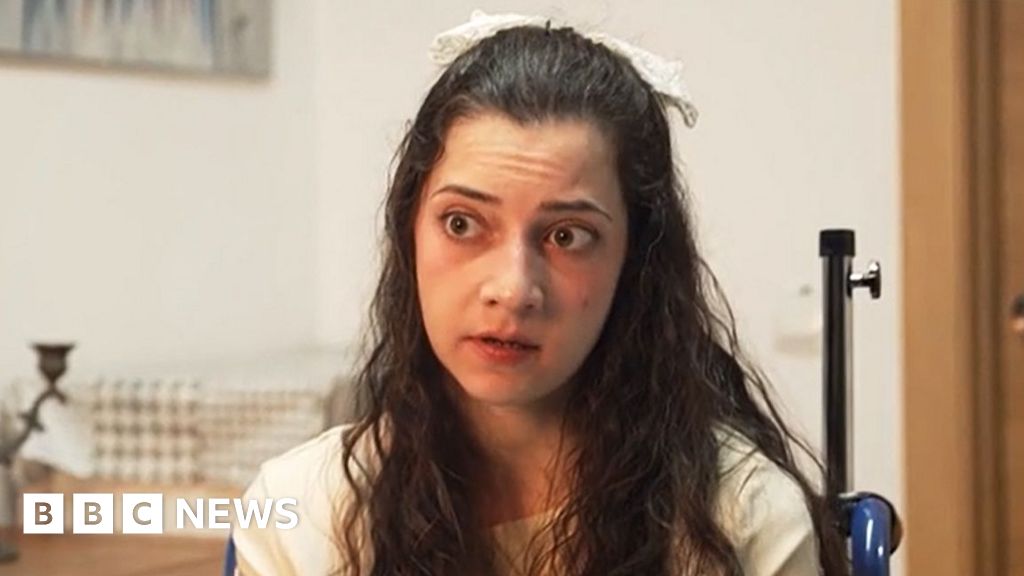
Noelia Castillo’s Own Voice: In a poignant interview with Spanish TV earlier in the week, Castillo expressed her unwavering resolve and the pain caused by her father’s opposition. "He hasn’t respected my decision and never will," she stated, articulating the profound personal struggle she faced even within her own family. She spoke of her enduring loneliness and the overwhelming desire to escape her constant suffering. "Nobody in my family is in favour," she acknowledged, "I am leaving and you are staying here with all the pain, but what about all the suffering I have endured over the years? I just want to leave in peace and stop the pain." Her words underscored the deeply personal nature of her decision, asserting, "The happiness of a father or a mother or a sister shouldn’t precede the happiness of a daughter." She expressed a wish to be alone with her doctor during the procedure, a final assertion of control over her own ending.
Family Reactions: While her father remained steadfast in his legal opposition, her mother, Yolanda, offered a more nuanced perspective. She publicly stated her disagreement with her daughter’s decision but affirmed her respect for it. This position reflects the agonizing dilemma faced by family members who love and care for an individual seeking euthanasia, balancing personal moral convictions with the profound desire to honour a loved one’s autonomy and alleviate their suffering.
Christian Lawyers (Abogados Cristianos): Following Castillo’s death, Abogados Cristianos quickly announced the news on X (formerly Twitter). In their statement, the group reiterated their staunch opposition to the euthanasia law, declaring that Castillo’s case "highlights the serious flaws" in Spain’s legislation. Their argument typically centers on the sanctity of life, the belief that all life is sacred and should be preserved, and concerns about a "slippery slope" where assisted dying could potentially be extended to increasingly vulnerable populations. They often advocate for palliative care as the primary solution for suffering patients, rather than allowing them to end their lives. Their continued criticism suggests that despite the ECHR ruling, the moral and ethical debate surrounding euthanasia in Spain will persist.
Medical and Ethical Community (Implied): While no direct statements from the specific medical committees involved were immediately available, the approval of Castillo’s euthanasia request, despite the legal challenges, implicitly validates the thoroughness of the review process established by the LORE. It suggests that the medical and ethical guidelines were meticulously followed, and her condition was deemed to meet the strict criteria for unbearable suffering with no reasonable prospect of improvement, irrespective of her father’s claims regarding mental health.
Broader Implications and Future of the Debate
Noelia Castillo’s case is poised to become a significant reference point in the ongoing global debate surrounding euthanasia and the right to die with dignity. As the first instance where a request for assisted dying in Spain was challenged in court and ultimately upheld by the ECHR, it sets a powerful legal precedent.
Validation of the Euthanasia Law: The ECHR’s decision, in particular, strengthens the legal standing of Spain’s LORE. It demonstrates that the law, with its stringent safeguards and multi-layered review process, aligns with fundamental human rights principles, including individual autonomy and the right to privacy, even in the most sensitive end-of-life scenarios. This validation may serve to assuage some concerns about the law’s application and could influence future judicial interpretations.
Mental Health and Euthanasia: The father’s argument, citing Noelia’s personality disorder, touched upon one of the most contentious aspects of euthanasia legislation globally: its application to individuals with mental health conditions. While Noelia’s primary qualification for euthanasia was her paraplegia and associated intolerable physical suffering, the debate around mental health and assisted dying remains active. Countries like Belgium and the Netherlands have broader provisions that can, under strict circumstances, include mental illness as a qualifying condition. Castillo’s case, while not primarily a mental health-based euthanasia, highlights the intersection of physical and psychological suffering and the difficulties in drawing clear lines, especially when a person’s mental state is affected by severe trauma and chronic pain.
Individual Autonomy vs. Family/State Protection: This case starkly illustrated the tension between an individual’s right to self-determination and the deeply held moral or protective instincts of family members and certain societal groups. While the law prioritizes the patient’s informed consent, the emotional and ethical dilemmas faced by families, particularly parents, are profound. The outcome reaffirms that in cases meeting legal criteria, the patient’s autonomous decision, after careful consideration and multiple medical and legal reviews, ultimately takes precedence.
Global Context: Spain’s euthanasia law places it among a growing number of jurisdictions that have legalized some form of assisted dying, including the Netherlands, Belgium, Luxembourg, Canada, and parts of Australia and the United States. Each jurisdiction has its own specific criteria and safeguards, but the common thread is the recognition of intolerable suffering and the right to choose a dignified end. Castillo’s case will be studied by legal scholars, bioethicists, and policymakers worldwide as they continue to grapple with these complex issues.
Noelia Castillo’s final wish, granted after an arduous legal and personal journey, brings to a close a life marked by profound adversity and suffering. Her case will undoubtedly resonate in the ongoing discourse about life, death, autonomy, and compassion, shaping the future application and understanding of Spain’s euthanasia law and influencing broader ethical debates across the globe.
If you’ve been affected by the issues in this story, help and support is available via the BBC Action Line.

Related Posts
Zambia on Edge: Opposition Leader Arrested Amid Allegations of Insurrection Plot and Election Tensions
Rescuers search for survivors of powerful Indonesia earthquake

