Massive Fire Erupts at Gas Cylinder Storage Facility in Mariano Acosta, Merlo, Prompting Evacuations and Causing Widespread Concern
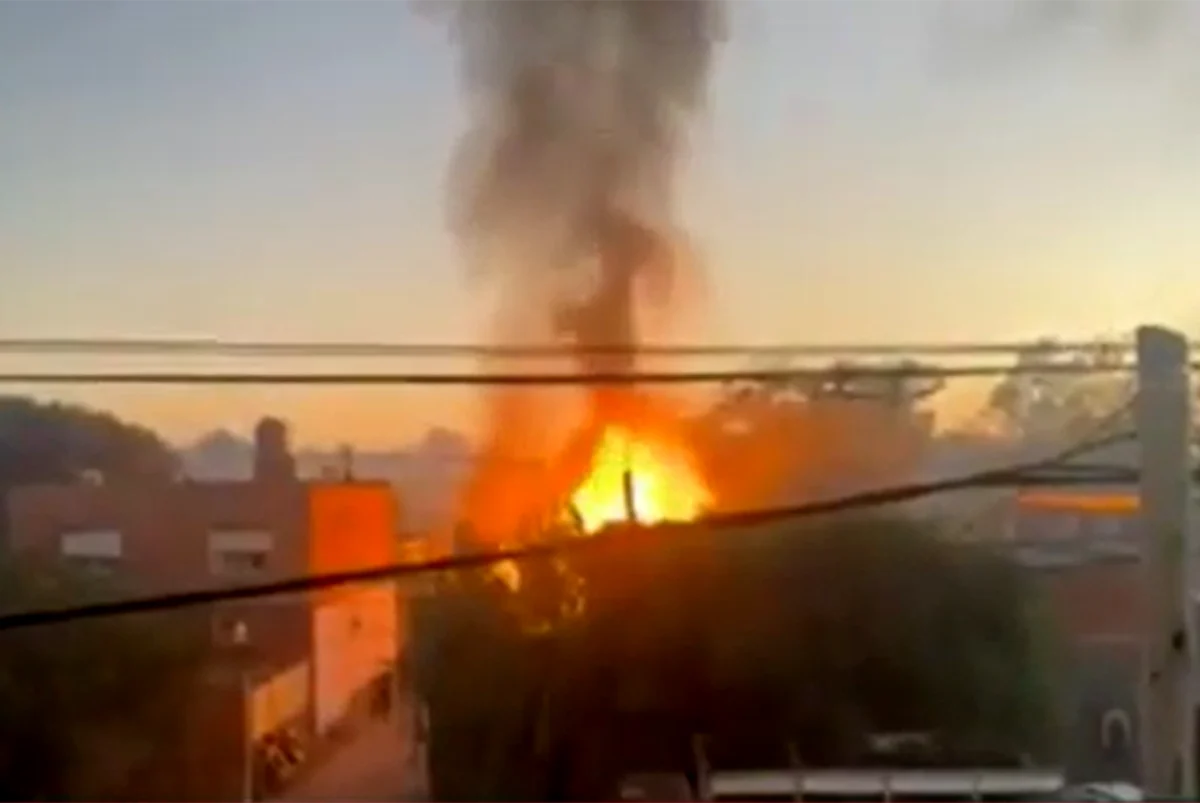
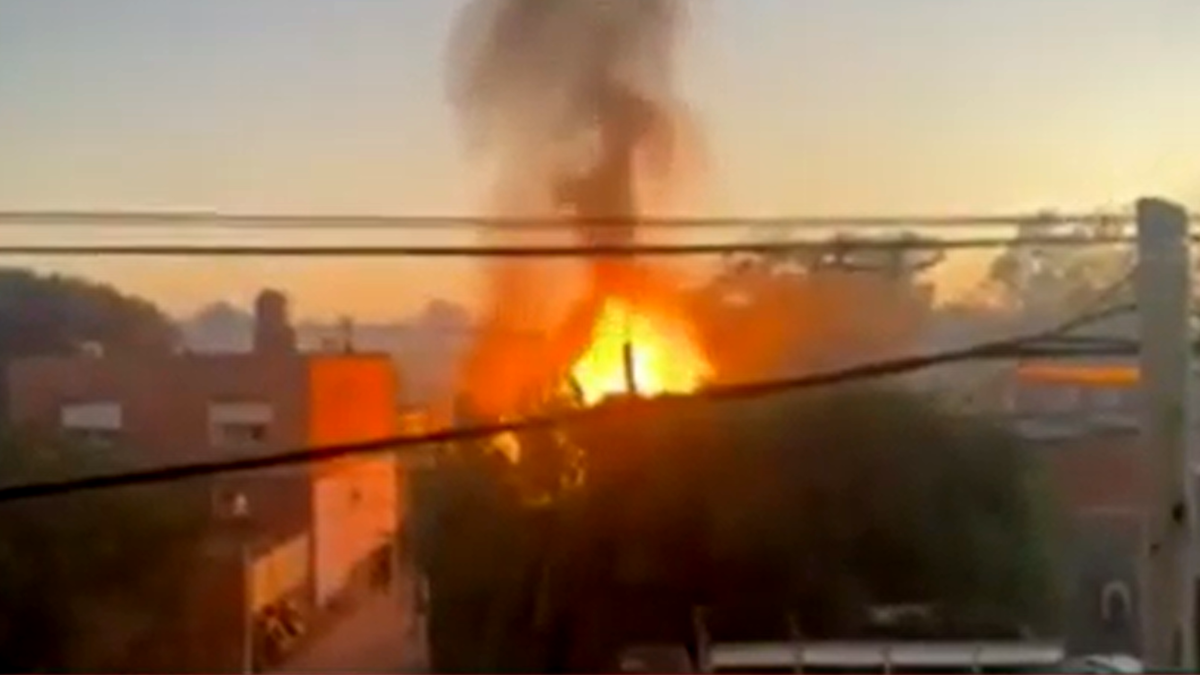
A colossal blaze erupted early Wednesday morning at a gas cylinder storage facility in Mariano Acosta, within the Merlo district of Buenos Aires’ western suburbs, unleashing a torrent of explosions and a thick plume of black smoke that was visible for miles, even reaching the city of Buenos Aires. The inferno, which began to develop shortly before dawn, continued to rage throughout the morning, creating a scene of chaos and prompting urgent evacuations of nearby residents. Eyewitnesses described a terrifying scenario where gas cylinders were propelled through the air, posing a severe threat to the surrounding community.
The scale of the incident quickly overwhelmed local emergency services, necessitating a massive mobilization of firefighting resources. Over ten fire brigades were actively engaged in a desperate battle to contain the flames and prevent further escalation. The sheer force of the explosions shattered windows and sent debris flying, with reports of gas cylinders traveling hundreds of meters from the epicenter of the fire. The storage facility, reportedly holding an estimated 2,500 gas cylinders, was described by residents as an "improvised" operation, raising questions about safety regulations and oversight for such high-risk storage sites.
Initial Outbreak and Escalation of the Inferno
The first alarms were raised shortly after 7:00 AM, with initial reports coming into the sixth police station of Merlo. Responding officers were met with a terrifying spectacle: flames engulfing the storage depot located on Constituyentes Street, between Bustillo and Colombres. The fire rapidly intensified, fueled by the volatile contents of the numerous gas cylinders. The characteristic sound of explosions began to punctuate the morning air, sending shockwaves through the community and fueling widespread fear.
By approximately 9:00 AM, while the dense black column of smoke had begun to dissipate slightly, the flames remained fiercely active. The visual impact of the inferno was stark, with the dark smoke staining the sky and serving as a grim indicator of the unfolding disaster. The sheer power of the explosions was a constant source of anxiety for those living in the vicinity, who reported feeling vibrations and hearing deafening roars that signaled the uncontrolled release of energy.
Witness Accounts Paint a Dire Picture
The impact on the local community was immediate and profound. Residents described a palpable sense of fear and uncertainty as they were forced to abandon their homes. Ezequiel, a resident living approximately 15 blocks from the site, recounted his harrowing experience to LN+: "We are 15 blocks away, with fear, with uncertainty of knowing what will happen to our homes. We had to leave. A tragedy could happen at any moment. Cylinders are flying everywhere." His words underscored the perilous conditions and the immediate threat posed by the uncontrolled fire.
Further testimony from another affected resident, Ramón, provided even more alarming details. He reported that "about five nearby homes were also affected by the fire." He shared a particularly disturbing incident: "One of the neighbors had a piece of a gas cylinder fall on his head; they took him to a hospital." The proximity of essential community services to the danger zone was also a major concern. Ramón added, "We had a school nearby that was evacuated and classes were suspended out of caution." This highlights the proactive, albeit forced, measures taken to protect vulnerable populations.
The chaotic nature of the event was amplified by the difficulty in controlling the crowd’s movements. Despite the presence of traffic police and emergency personnel attempting to manage evacuations, some individuals reportedly ventured too close to the scene, driven by a mixture of curiosity and concern for their property. "The area was evacuated, but people don’t understand, they don’t respect anything," lamented another witness speaking to LN+. "Traffic and police are evacuating everything, but people are getting into the fire more or less. Houses have split open, pieces of gas cylinders are on the roofs: the explosions were impressive." This observation points to the breakdown of order in the face of such a catastrophic event and the physical damage already inflicted on residential structures.
The sheer force of the explosions was a recurring theme in witness accounts. The projectiles were not mere fragments; entire cylinders were reportedly seen being launched considerable distances. "At 300 meters, entire cylinders were flying, pieces of 30 meters by 30 meters weighed 5 kilos and were flying almost up to almost 500 meters," one witness detailed, illustrating the extreme danger posed by the airborne debris.
Background and Safety Concerns
The focus of the investigation is likely to turn towards the operational safety of the storage facility. Reports suggest that the building where the cylinders were stored was not adequately equipped for such a large-scale accumulation of volatile materials. Ezequiel’s observation that it was an "improvised" setup, coupled with the high number of cylinders, raises serious questions about the adherence to safety protocols and the potential for negligence. "The owner is a worker, one more from the neighborhood, but sometimes when working, you have to look the other way and see if it affects more people," he added, hinting at a potential awareness of the risks involved that may have been overlooked.
The presence of approximately 2,500 gas cylinders in a facility described as unprepared for such a task is a critical element. Standard regulations for the storage of liquefied petroleum gas (LPG) typically involve strict guidelines regarding ventilation, fire suppression systems, separation distances from residential areas, and structural integrity of the storage premises. The fact that the fire escalated so rapidly and led to such violent explosions suggests a significant breach of these safety measures.
Chronology of the Event
- Early Morning (Pre-7:00 AM): The fire begins to develop at the gas cylinder storage facility in Mariano Acosta, Merlo.
- Around 7:00 AM: First emergency calls are placed to the Merlo police.
- Shortly After 7:00 AM: Firefighters and police arrive at the scene and confirm a major fire at the Constituyentes Street facility. Explosions begin to be reported.
- Throughout the Morning: The fire intensifies, with multiple explosions occurring. A large plume of black smoke becomes visible across the region.
- Approximately 9:00 AM: The density of the smoke begins to reduce, but flames remain active. Firefighting efforts are ongoing.
- Mid-Morning: The full extent of the damage to nearby properties and the number of injured individuals begin to be assessed. Evacuations continue.
Emergency Response and Casualties
The response from emergency services was swift and substantial, though the scale of the disaster presented significant challenges. Sergio Ravelli, head of Firefighters and Civil Defense of Merlo, confirmed in televised statements that "the injured are already being assisted." As of the latest reports, three employees from the facility were transported to Clínica Paredes with minor burns. The swift evacuation of nearby residents, reportedly initiated by the residents themselves in many cases, undoubtedly prevented a higher casualty count. The presence of a kindergarten in close proximity to the affected area underscored the critical need for rapid evacuation procedures.
The ongoing efforts by over 10 fire brigades highlight the magnitude of the blaze. Their primary objective was to contain the fire and prevent it from spreading to adjacent properties, a task made incredibly difficult by the constant threat of further explosions. The containment of such an incident typically involves establishing a perimeter, cooling down adjacent structures, and systematically extinguishing the main fire source, all while managing the risks associated with unstable fuel sources.
Broader Impact and Implications
The incident in Mariano Acosta serves as a stark reminder of the inherent risks associated with the storage and handling of flammable materials. The event has raised significant questions regarding the adequacy of regulatory oversight and enforcement of safety standards for such facilities within the Greater Buenos Aires area. The "improvised" nature of the storage facility, as described by residents, suggests potential systemic failures in ensuring that businesses operating with hazardous materials adhere to stringent safety protocols.
The economic impact on the affected residents is also a significant consideration. The damage to homes and property will likely result in substantial repair costs and prolonged disruption. The psychological toll on a community that has experienced such a terrifying event cannot be underestimated. The fear of future incidents and the trauma of witnessing such destruction can have lasting effects.
Furthermore, the incident may prompt a broader review of hazardous material storage regulations across the province and potentially the nation. This could include increased inspections, stricter licensing requirements, and enhanced penalties for non-compliance. The long-term implications could lead to improved safety measures, ultimately protecting communities from similar catastrophic events. The continued investigation into the cause of the fire and the operational practices of the storage facility will be crucial in determining accountability and implementing preventive measures.
As the situation continues to develop, authorities are expected to provide further updates on the containment efforts, the assessment of damage, and any ongoing investigations into the cause of this devastating fire. The resilience of the community and the dedication of emergency responders remain central to navigating the aftermath of this significant incident.

Related Posts

The Electric Vehicle Battery Health Debate Emerges as Argentina’s EV Market Accelerates

President Donald Trump Confirms Secret Departure from Turkey Amidst Assassination Threat