
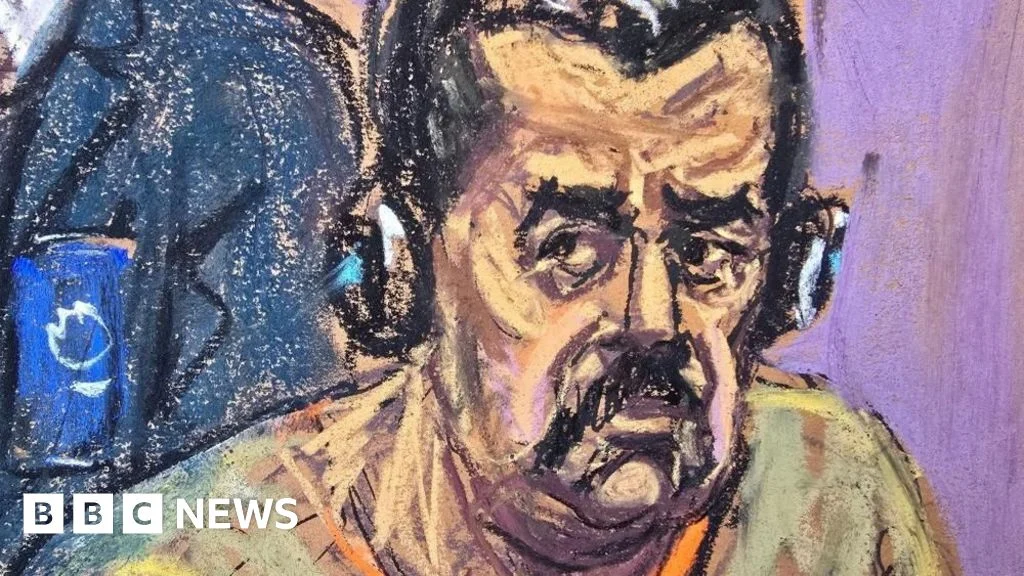
Former Venezuelan Leader Nicolás Maduro’s Legal Defense Funding Becomes Central Dispute in High-Stakes US Narco-Terrorism Case
The ongoing legal saga surrounding former Venezuelan leader Nicolás Maduro and his wife, Cilia Flores, took a pivotal turn last Thursday in a New York courtroom, where the thorny issue of funding their defense became the central point of contention. Presiding Judge Alvin Hellerstein, a veteran jurist, appeared to express sympathy for the argument that the couple should be permitted to utilize Venezuelan government funds for their legal representation, despite the extensive US sanctions currently in place against the Latin American nation and its former administration. This development marks a critical juncture in a case fraught with complex geopolitical implications, challenging legal precedents, and profound humanitarian concerns.
The dramatic proceedings against Maduro and Flores stem from their capture on January 3rd, when US forces reportedly seized them from their compound in Caracas during a night-time raid, subsequently transporting them to New York to face grave allegations of weapon and drug offenses, charges they vehemently deny. Their recent court appearance, marked by a quiet and composed demeanor from the defendants, presented a stark contrast to their initial hearing, where Maduro delivered an impassioned speech proclaiming his innocence and alleging kidnapping, an event that culminated in a courtroom outburst.
The Heart of the Legal Battle: Defense Funding and Sanctions
At the core of last Thursday’s hearing was the defense team’s motion to dismiss the narco-terrorism case altogether, arguing that the US government’s refusal to allow access to Venezuelan state funds for their defense effectively denied Maduro and Flores their fundamental right to a fair trial. The inability to access these funds, their attorneys contended, severely hampered their capacity to mount an adequate defense against such serious and intricate charges.
Prosecutors, however, countered forcefully, asserting that Maduro had "plundered" Venezuela’s wealth for personal gain and, therefore, should not be permitted to use its national treasury to cover his legal expenses. They emphasized national security concerns as a primary reason for denying access to these funds and further claimed that the couple possessed ample personal resources to finance their legal team, a claim the Maduros deny.
Judge Hellerstein, a 92-year-old judge with a reputation for meticulous legal reasoning, acknowledged the weight of the defense’s argument, stating that "the right to defense is paramount." While he indicated he would not dismiss the entire case solely on the funding dispute, his evident concern underscored the constitutional gravity of the issue. He announced that a ruling on the matter, along with the scheduling of the next court date, would be issued at a later time. This deferral leaves the immediate future of the defense strategy hanging in the balance, creating an atmosphere of anticipation for both legal observers and the international community.
Background: A Decade of Deteriorating US-Venezuela Relations
The current legal confrontation is not an isolated incident but rather the culmination of years of escalating tensions and diplomatic breakdown between Washington and Caracas. Relations began to sour significantly during the presidency of Hugo Chávez, Maduro’s predecessor, who frequently criticized US foreign policy and sought to forge alliances with other anti-American governments. Upon Maduro’s ascension to power in 2013 following Chávez’s death, the relationship deteriorated further amidst allegations of electoral fraud, human rights abuses, and a deepening economic and humanitarian crisis in Venezuela.
The United States, under successive administrations, implemented a broad spectrum of sanctions targeting the Venezuelan government, its officials, and key sectors of its economy, particularly the vital oil industry. These measures, designed to pressure the Maduro regime towards democratic reforms and to combat corruption, have significantly restricted Venezuela’s access to international financial markets and assets. In January 2019, the US recognized opposition leader Juan Guaidó as the legitimate interim president of Venezuela, further isolating Maduro on the international stage and leading to a complete rupture of diplomatic ties between the two nations.
The Narco-Terrorism Indictment and Bounties
The specific "narco-terrorism" charges against Nicolás Maduro and more than a dozen other high-ranking Venezuelan officials were unsealed by the US Justice Department in March 2020. The indictment accused Maduro of leading a corrupt and violent narco-terrorism partnership with the Revolutionary Armed Forces of Colombia (FARC) for the past two decades. Prosecutors alleged that Maduro and his co-conspirators used Venezuela as a transit hub for cocaine shipments destined for the United States, receiving millions of dollars in bribes to facilitate the trafficking. The charges also included conspiracy to import cocaine, possession of machine guns and destructive devices, and conspiracy to possess machine guns and destructive devices.
At the time of the indictment, the US State Department offered a reward of up to $15 million for information leading to Maduro’s arrest and conviction, with smaller bounties offered for other indicted officials. This unprecedented move highlighted the severity with which the US viewed Maduro’s alleged involvement in illicit drug activities and its determination to bring him to justice. The unsealing of these charges significantly intensified the pressure on the Maduro regime and set the stage for the dramatic events that ultimately led to his reported capture and extradition to New York.
The Mechanics of the Funding Dispute: OFAC’s Role
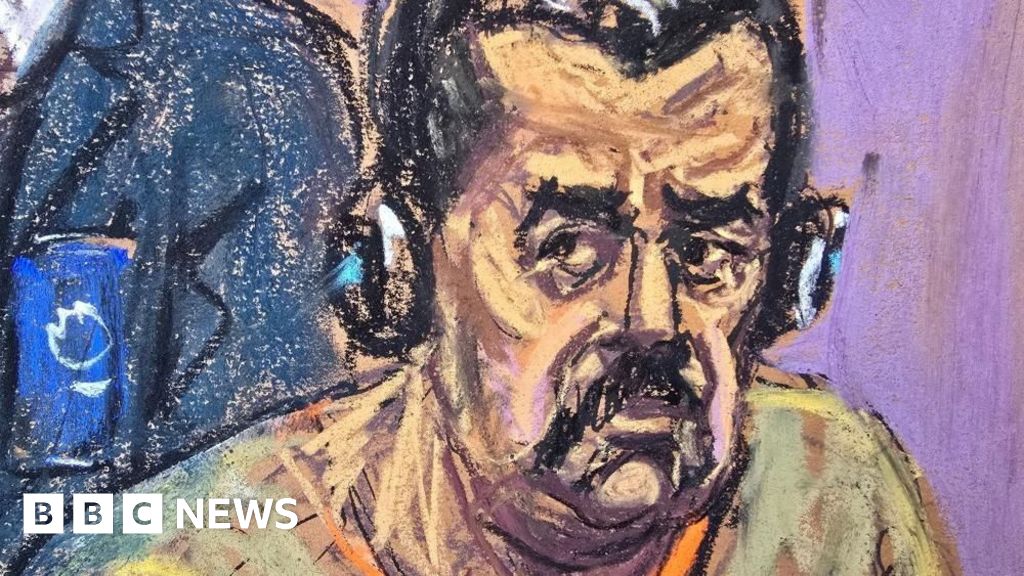
Because both the Maduros and the Venezuelan government are subject to the extensive US sanctions regime, they require a special license from the US Office of Foreign Assets Control (OFAC) of the Treasury Department to engage in financial transactions, including paying for legal services. Initially, OFAC had reportedly granted such a license, a move that would have allowed the Venezuelan government to cover the legal fees for Maduro and Flores. However, in a subsequent and critical reversal, OFAC revoked this license, reigniting the contentious debate over defense funding.
Prosecutors argued that OFAC’s decision was rooted in valid national security concerns and the longstanding US policy against the Maduro regime, which they claimed had "plundered the wealth of Venezuelans" for personal enrichment. They suggested that allowing the use of Venezuelan state funds would effectively reward corruption and undermine the very purpose of the sanctions.
Maduro’s lead attorney, Barry Pollack, vehemently countered these assertions. He argued that denying access to these funds, especially in a case of such immense complexity and international scope, would fundamentally impede the defendants’ ability to secure adequate legal representation. Pollack highlighted the immense resources required to defend against federal charges involving international drug trafficking and terrorism, emphasizing that such a case would be "overwhelming" for a court-appointed public defender. Judge Hellerstein appeared to lean towards Pollack’s reasoning on this point, acknowledging the unique challenges a public defender would face in navigating such a high-profile, intricate international case, potentially hampering the quality of counsel provided.
Judge Hellerstein’s Quandary and the Broader Implications
Judge Hellerstein’s questioning of the prosecution’s logic regarding OFAC’s revocation was particularly insightful. He noted that the foreign policy situation had fundamentally changed since Maduro’s arrest, suggesting that the US was now "doing business with Venezuela" in a new context. This comment likely referred to reports of resumed diplomatic ties and engagement with the government that took power following Maduro’s capture, led by former Vice-President Delcy Rodríguez. The judge also pointed out the crucial fact that the "Venezuelan government is willing to pay" for the defense, creating a paradox where a sovereign entity’s willingness to fund a legal defense is blocked by the very nation prosecuting its former leader.
The judge appeared genuinely at a loss for how to resolve the issue, particularly given the defense’s demand to dismiss the entire case as a remedy for the funding dispute. His repeated inquiry, "What is the relief?" directed at both sides, underscored the unprecedented nature of the legal dilemma. This situation highlights a complex interplay between national security interests, foreign policy objectives, and the fundamental constitutional right to due process, creating a legal precedent that could have far-reaching implications for international law and future cases involving foreign leaders targeted by US sanctions. The outcome of this specific funding dispute could set a significant precedent for how the US handles legal proceedings against individuals from sanctioned nations, especially those whose governments are willing to fund their defense.
Reactions from Washington, Caracas, and the Streets
The proceedings have drawn intense scrutiny from various stakeholders. In Washington, President Donald Trump, speaking during a cabinet meeting on Thursday, reiterated the US commitment to ensuring Maduro would receive "a fair trial." He also indicated that the US was considering bringing additional charges against the former Venezuelan leader, signaling the potential for an even more protracted legal battle. These statements underscore the political significance of the case for the US administration, which has consistently portrayed Maduro as a corrupt authoritarian figure.
Back in Caracas, the news of the court proceedings is being followed closely by residents, despite significant government censorship of domestic media. Ana Patricia, a 72-year-old retired lawyer in the Venezuelan capital, told the BBC that while local media outlets are controlled, people are actively seeking information from the international press. Reflecting a common sentiment among those who suffered under Maduro’s rule, she expressed a complex mix of emotions. "He is a man who had everything but lost it through greed and an inflated ego. I feel sorry for him, because in the end, he is a human being, but I hope he receives a life sentence. He has to pay for his crimes," she stated, highlighting the deep desire for accountability among many Venezuelans.
In stark contrast, Agustina Parra, a 67-year-old retired nurse from western Caracas, expressed unwavering faith in Maduro. "My President Maduro will be released," she confidently told the BBC, dismissing the charges as baseless. "Despite his flaws, he has not been a bad president. He knows he is innocent and he will prove it." Parra further criticized the US government, claiming, "They don’t even know what to accuse him of. They accuse him of drug trafficking, of weapons possession. And I cannot accept the actions of President Trump in Venezuela, in which so many people died." These contrasting views vividly illustrate the deep political polarization within Venezuela and the divergent narratives surrounding Maduro’s legacy and the US role in the country’s affairs. Outside the New York courthouse, pro- and anti-Maduro protesters reportedly clashed briefly, further underscoring the raw emotions stirred by the case.
Future Outlook and Legal Challenges
As of now, no trial date has been set for Nicolás Maduro and Cilia Flores, and they have yet to make an application for bail, remaining in custody at Brooklyn’s federal Metropolitan Detention Center. The immediate future of the case hinges on Judge Hellerstein’s forthcoming ruling on the defense funding issue. Should he side with the defense, it could open avenues for the Venezuelan government to pay for the legal team, potentially altering the trajectory of the trial. Conversely, if he upholds OFAC’s decision, the legal team may be forced to either continue working pro bono, seek other funding avenues, or potentially withdraw, leaving the defendants to rely on court-appointed counsel, a prospect deemed inadequate by the defense for a case of this magnitude.
The allegations against Maduro represent some of the most serious charges ever brought by the US against a sitting or former head of state. The legal proceedings are expected to be lengthy and complex, involving extensive evidence from intelligence agencies, international investigations, and potentially former associates. The case will undoubtedly test the limits of US jurisdiction, international law, and the capacity of its legal system to navigate the intricate web of geopolitics, national security, and individual rights. The eventual outcome will not only determine the fate of Nicolás Maduro but could also reshape the landscape of international accountability for leaders accused of transnational crimes.

Related Posts
Zambia on Edge: Opposition Leader Arrested Amid Allegations of Insurrection Plot and Election Tensions
Rescuers search for survivors of powerful Indonesia earthquake

