
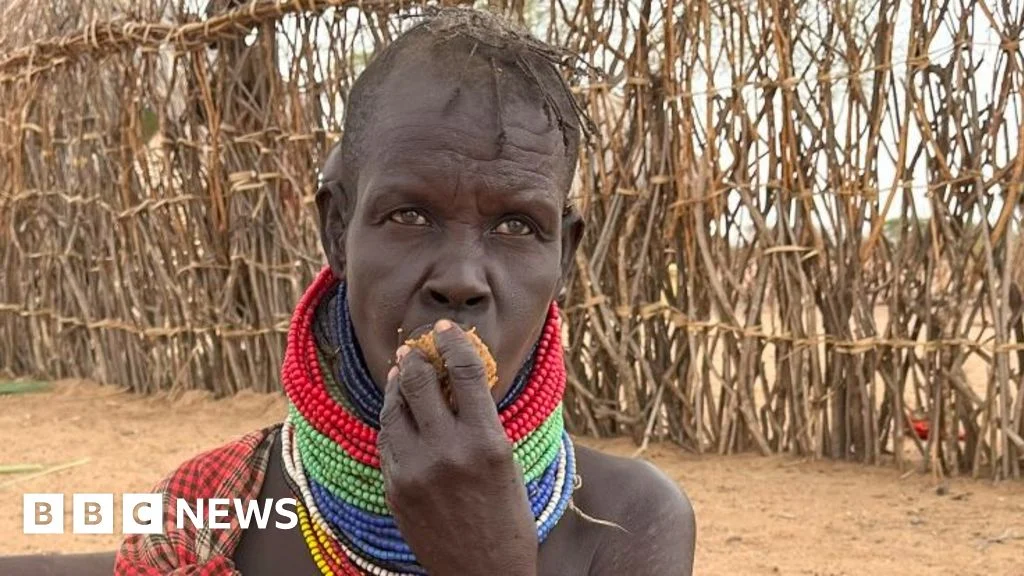
Desperate for food drought-stricken Kenyans turn to the gingerbread tree
In the vast, arid expanse of Turkana County, northwestern Kenya, a catastrophic drought has pushed communities to the brink, forcing them to rely on the wild fruits of the doum palm, locally known as the "mikwamo" or gingerbread tree, as a last resort against starvation. This desperate measure underscores the severity of a crisis that has decimated livestock, obliterated traditional livelihoods, and left millions across East Africa facing extreme hunger. The stark reality is laid bare in the stories of individuals like Lotkoy Ebey, a woman in her early 50s from Kakwanyang village, whose once-thriving herd of 50 goats has been reduced to a mere five scrawny survivors. For the Turkana people, where livestock are not merely economic assets but integral to their cultural identity and social fabric, this loss represents an existential threat, a disaster from which recovery will be profoundly challenging.
The Human Toll of a Relentless Drought
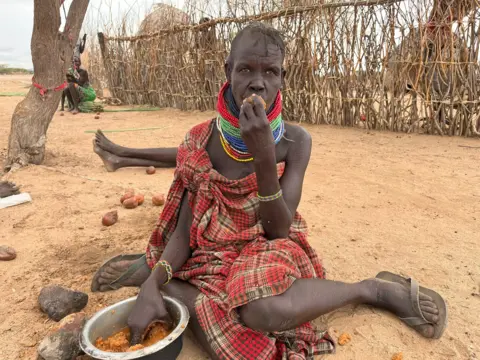
The impact of the prolonged drought is ubiquitous across Turkana. Riverbeds lie parched, and once-vibrant grazing fields, critical for sustaining herds of goats, sheep, and camels, are now barren wastelands. The animals, the lifeblood of pastoralist communities, have succumbed in staggering numbers, leaving their owners destitute and facing an acute food shortage. Lotkoy Ebey’s daily struggle epitomizes this crisis. Eating twice a day has become an unattainable luxury; more often, she subsists on a single, meager meal, if any at all. In a voice weakened by hunger, she recounts enduring periods of up to five days without proper sustenance, leaving her with no alternative but to venture into the harsh scrubland in a perilous search for anything edible.
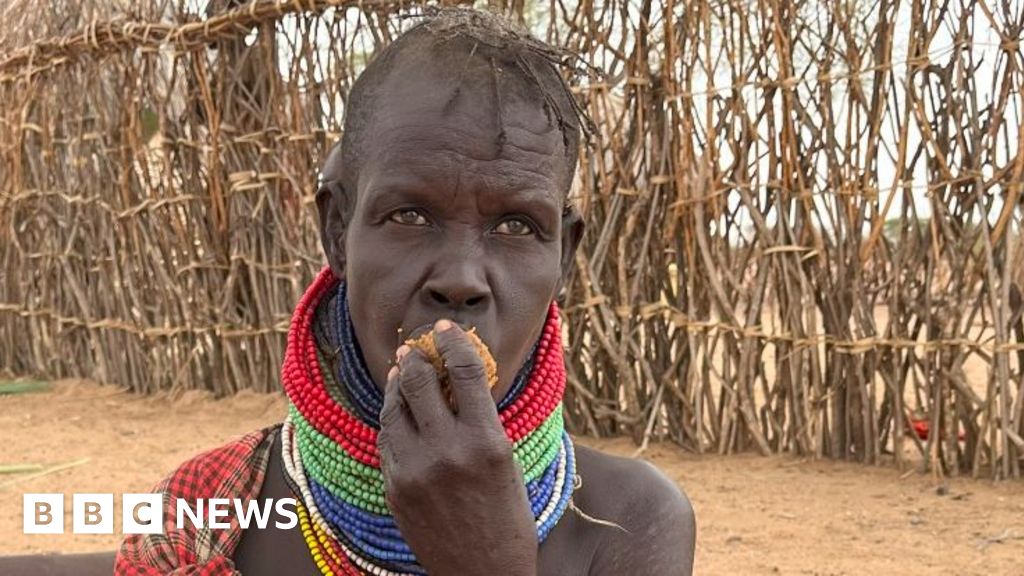
Historically, humanitarian aid organizations occasionally provided crucial food assistance to communities like Ebey’s during lean seasons. However, these vital lifelines appear to have dwindled, leaving residents bewildered and without support from either government agencies or aid groups. The absence of these distributions has compounded the suffering, extending the hunger to every member of Ebey’s household, including her elderly mother, who last ate a small lunch the previous day and has since had nothing. With her traditional means of survival eradicated, Ebey issues a heartfelt plea to both county and national authorities for urgent intervention to support her family.
Just a few kilometers away, in Kakwanyang village, the scene is equally grim. Under the scant shade of a tree, three women, including Regina Ewute Lokopuu, are engaged in the arduous task of pounding the rough, lumpy, brown fruits of the doum palm. The search for these fruits often entails arduous treks of more than three hours into the unforgiving wilderness. These fruits, once a casual snack for young boys tending their herds, have now become a primary, albeit precarious, food source for entire families. "I don’t know who brought this hunger, it’s too severe," Lokopuu laments, articulating the pervasive despair. "We eat these because of hunger."
The doum palm fruit, with its distinct gingerbread-like flavor, offers temporary satiation. However, Lokopuu issues a stark warning: it cannot be consumed in large quantities. Excessive intake can induce drowsiness and severe stomach upsets, transforming a desperate remedy into a potential health hazard. On the rare occasions when families manage to earn a small income by selling brooms woven from doum palm leaves, they purchase maize flour to mix with the fruit sauce, hoping to dilute its potency and mitigate its adverse effects. Lokopuu, who has lost 19 of her 20 goats to the drought, now shares the precious wild fruit with her sole remaining animal, a poignant testament to the depth of the crisis. Like Ebey, she expresses dismay at the lack of assistance this year, a stark contrast to previous periods of hardship.
The narrative of desperation echoes in Latimani village, approximately 5 kilometers distant. Kerio Ilikol recounts having gone three days without food, relying on a meager portion from a neighbor that barely sufficed for a single meal. The arrival of journalists at Ilikol’s home prompts her neighbor, Akale Helen, to rush forward, her voice a desperate cry for help: "Help, help, help us now that you’ve come to visit us. We don’t have food, we are very hungry, and even goats don’t have food." The scarcity of men in these villages is notable; many have been compelled to abandon their homes and families, migrating with what remains of their herds across borders in a desperate quest for elusive greener pastures.
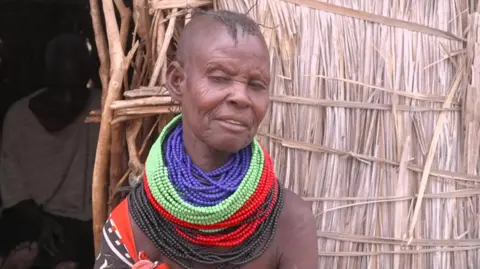
The Worsening Climate Crisis in East Africa
The current drought in Kenya is not an isolated incident but rather part of a larger, devastating pattern affecting the Horn of Africa. This region has experienced an unprecedented succession of failed rainy seasons, with some areas of Turkana receiving little to no precipitation. Experts from the local National Drought Management Authority (NDMA) confirm that rainfall remains unpredictable and utterly insufficient to counteract the cumulative impact of the last two failed rainy seasons, let alone the preceding ones. This prolonged aridity has created a humanitarian catastrophe, leaving an estimated 26 million people "facing extreme hunger" across Kenya, Ethiopia, and Somalia, according to humanitarian organization Oxfam. This figure represents one of the worst food crises in decades, exacerbated by global supply chain disruptions and regional conflicts.
For Kenya specifically, the NDMA reports that approximately 3 million people are currently affected nationwide, with Turkana County alone accounting for over 320,000 individuals in "urgent need of food assistance." The situation is dire, with the latest seasonal outlooks offering little immediate respite. While some localized, off-season rains may occur, Jacob Letosiro from Turkana county’s drought management team cautions against premature celebration. He emphasizes that such rains are often fleeting and would require significant time to positively impact livestock forage or replenish water sources. "They may not have an immediate impact for livestock or improve water availability. So it’s not something worth celebrating at this point," Letosiro states, highlighting the long-term nature of recovery even with improved rainfall.
A Chronology of Mounting Desperation
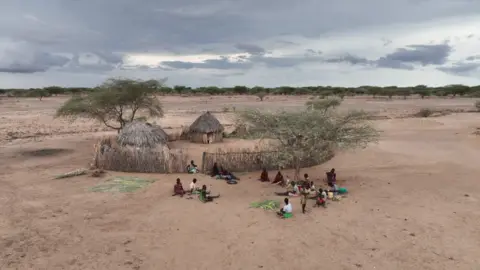
The current crisis in Turkana and broader East Africa is the culmination of several years of declining rainfall and environmental degradation. The region’s inherent vulnerability to climatic variations has been severely exacerbated by increasingly erratic weather patterns, a hallmark of climate change.
- Late 2010s: Early Warning Signs: The period saw a noticeable increase in the frequency and intensity of dry spells across the Horn of Africa. These recurrent droughts began to strain the traditional pastoralist livelihoods, reducing grazing lands and water sources, and pushing communities closer to their ecological limits.
- 2020-2021: Consecutive Rainy Season Failures: The short rains of October-December 2020 and the subsequent long rains of March-May 2021 performed significantly below average. This marked two consecutive seasons of insufficient rainfall, leading to widespread pasture and water depletion. Livestock mortality rates began to climb, signaling the onset of a severe crisis.
- 2021-2022: Unprecedented Drought Escalation: The short rains of October-December 2021 and the long rains of March-May 2022 also failed or were severely deficient. This unprecedented succession of four to five consecutive failed rainy seasons in parts of the Horn of Africa pushed millions into acute food insecurity. The scale of livestock deaths became catastrophic, stripping pastoralists of their primary assets, wealth, and income sources.
- Mid-2022 to Present: Deepening Humanitarian Crisis: The drought conditions have persisted, characterized by insufficient and highly unpredictable rainfall. This period has witnessed a dramatic escalation in humanitarian needs, with communities exhausting all traditional coping mechanisms. The reliance on wild foods like the doum palm fruit has become a widespread, desperate measure. Furthermore, the perceived reduction in humanitarian aid distributions in certain remote areas, as noted by local communities, has compounded their vulnerability during this critical phase, leaving them to face the crisis with diminishing external support.
This relentless succession of climate shocks has systematically dismantled the traditional coping strategies of pastoralist communities, which typically involve seasonal migration of herds to different grazing areas or reliance on stored food reserves. With widespread drought affecting vast territories, there are simply no "greener pastures" left within accessible distances, and household food reserves have long been depleted, leaving no buffer against starvation.
Official Responses and the Aid Gap
In response to the escalating crisis, both the Kenyan government and various humanitarian agencies have initiated efforts to provide assistance. At a Red Cross food storage facility just outside Turkana county’s capital, Lodwar, workers are seen diligently loading bags of food onto lorries destined for some of the most vulnerable households. These supplies are intended for those who have been stripped of all other means of survival, offering a temporary reprieve from acute hunger.
However, the Kenya Red Cross coordinator for Turkana, Rukia Abubakar, candidly acknowledges the immense disparity between the need and the available resources. "We have only little food, which cannot reach all people in need," she tells the BBC, issuing an urgent appeal to "partners and well-wishers to come and support the people." This sentiment is echoed by other major organizations, including World Vision Kenya and the UN’s World Food Programme (WFP), which are also providing food assistance. These agencies, while committed, face significant operational challenges and chronic funding shortfalls given the sheer scale of the crisis. The global humanitarian funding landscape is increasingly strained by multiple, concurrent crises worldwide, potentially diverting resources from long-standing emergencies like the one unfolding in East Africa.
The Kenyan government has announced plans for distributing food and livestock feed in the most severely affected counties, demonstrating a commitment to alleviating the suffering. While such interventions are crucial, humanitarian officials warn that the sheer magnitude of the crisis means that these efforts, though vital, are often insufficient to meet the overwhelming demand. The logistical complexities of reaching remote, drought-affected areas, coupled with the immense number of people in need, present formidable obstacles to efficient and comprehensive aid delivery.
Broader Implications and the Path Forward
The reliance on wild fruits like the doum palm highlights not only the immediate food crisis but also a deeper, systemic vulnerability within these communities. While the doum palm (botanical name: Hyphaene thebaica) provides some carbohydrates and fiber, it lacks the comprehensive nutritional profile necessary for sustained health and growth. Its consumption in large quantities, as warned by Regina Lokopuu, can lead to severe gastrointestinal distress, drowsiness, and other health issues, further weakening already malnourished individuals. This desperate dietary shift underscores the severe health risks, particularly for vulnerable groups such as children, pregnant women, and the elderly, who are most susceptible to malnutrition-related illnesses, developmental delays, and increased mortality rates.
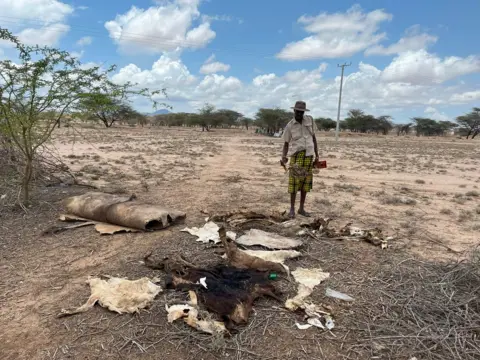
Beyond immediate survival, the drought has profound long-term implications for the social and economic fabric of Turkana. The decimation of livestock represents an economic collapse for pastoralist communities, erasing generations of accumulated wealth and traditional livelihoods. This loss pushes families deeper into poverty, creating a cycle that is incredibly difficult to break. The forced displacement of men in search of pasture fragments families and disrupts social structures, often leaving women and children to fend for themselves in increasingly challenging circumstances. Children are frequently pulled out of school to assist with household chores or food foraging, exacerbating intergenerational poverty and limiting future opportunities for education and advancement.
The environmental impact is equally devastating. Prolonged drought leads to increased desertification, soil erosion due to lack of vegetation cover, and a significant loss of biodiversity. These environmental changes make future recovery even harder, creating a feedback loop where degradation reduces resilience to subsequent climatic shocks.
Addressing this multifaceted crisis requires a comprehensive and sustained approach that extends far beyond emergency food aid. It necessitates significant, long-term investment in climate change adaptation strategies, such as the development and deployment of drought-resistant crops, the construction of water harvesting and storage infrastructure, and the promotion of diversified livelihoods for pastoralist communities to reduce their sole reliance on livestock. Early warning systems need to be strengthened and seamlessly linked to rapid response mechanisms to enable timely interventions. Furthermore, there is an urgent and ongoing need for sustained international funding and political will to support these communities in building genuine resilience against future climate shocks, which are predicted to become more frequent and severe in a changing global climate.
For individuals like Lotkoy Ebey and her neighbors, however, the immediate future remains precarious. The ongoing struggle means that, despite the earnest efforts of aid agencies and the government, they will continue to depend on their dwindling personal resources and the harsh bounty of the wild to survive another day, a stark reminder of humanity’s enduring vulnerability in the face of an unforgiving climate. The "gingerbread tree," once a minor curiosity, has become a potent symbol of both desperation and the remarkable, albeit dangerous, resilience of communities battling an existential threat. The world watches, but for the people of Turkana, tangible, sustained assistance cannot arrive soon enough.

Related Posts
Zambia on Edge: Opposition Leader Arrested Amid Allegations of Insurrection Plot and Election Tensions
Rescuers search for survivors of powerful Indonesia earthquake

