
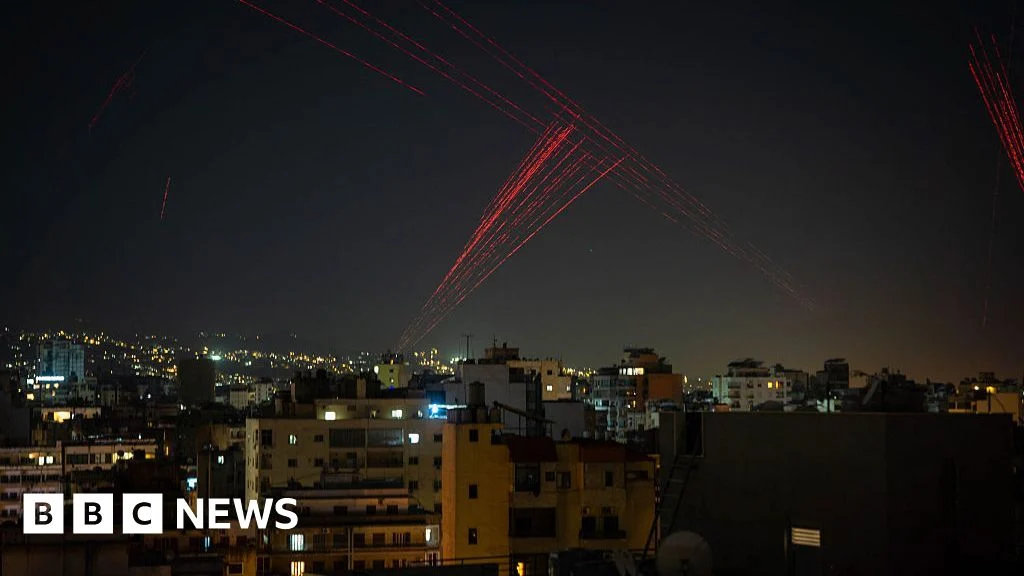
A Fragile Truce Takes Hold: Israel and Lebanon Agree to 10-Day Ceasefire Amid Regional Tensions
A precarious, 10-day ceasefire between Israel and Lebanon has taken effect, announced by US President Donald Trump, marking a significant, albeit fragile, pause in six weeks of intense cross-border hostilities. The truce commenced at midnight local time on April 17, 2026 (21:00 GMT on April 16), bringing a temporary halt to a conflict that has displaced thousands and exacerbated regional instability. President Trump’s announcement included an invitation to Israeli Prime Minister Benjamin Netanyahu and Lebanese President Joseph Aoun for further talks at the White House, signalling a push for a more enduring peace. However, the absence of direct mention of Hezbollah in the initial statement and Israel’s insistence on maintaining a 10km buffer zone in southern Lebanon underscore the profound challenges that lie ahead in transforming this pause into a lasting resolution.
The ceasefire, described by the US State Department as a "gesture of goodwill" from Israel, is intended to create space for "good-faith negotiations towards a permanent security and peace agreement" between the two nations. While both Israeli and Lebanese leaders have publicly welcomed the development, the Iran-backed militant group Hezbollah, a primary belligerent in the recent exchanges, has signalled its conditional willingness to participate, demanding a "comprehensive halt to attacks" across Lebanon and "no freedom of movement for Israeli forces." President Trump later addressed Hezbollah directly on Truth Social, urging the group to "act nicely and well during this important period of time," highlighting the intricate and volatile nature of the regional power dynamics.
A Fragile Truce Takes Hold
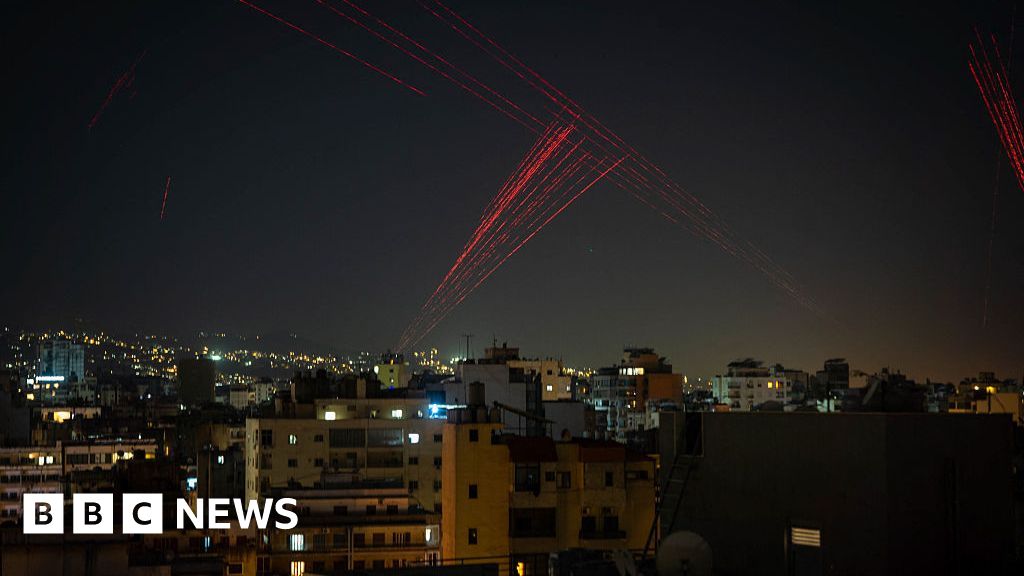
The ceasefire came into effect following a period of intense diplomatic activity, culminating in rare direct talks between Israeli and Lebanese officials in Washington earlier this week. The immediate cessation of hostilities was met with cautious optimism and, in some parts of Beirut’s southern suburbs, celebratory gunfire as residents expressed relief at the temporary reprieve. For six weeks, communities on both sides of the border have endured daily exchanges of fire, aerial bombardments, and the constant threat of escalation. This period of violence has been a direct spillover from broader regional tensions, particularly the ongoing conflict involving the US, Israel, and Iran, and the retaliatory actions of Iran’s network of proxies.
The terms of the agreement specify a 10-day duration, with a provision for extension "by mutual agreement" should the negotiations show substantive progress. While the initial US statement was light on granular details, sources within the US State Department indicated that the truce broadly entails a halt to all offensive military operations by both Israeli and Lebanese forces. This includes aerial strikes, artillery fire, and cross-border infiltrations. Implicit in such a "gesture of goodwill" are expectations for de-escalation of rhetoric, and potentially, initial steps towards facilitating humanitarian access to affected areas and assessing infrastructure damage. The overarching goal, as articulated by the US, is to build confidence for a more comprehensive dialogue aimed at a permanent resolution to the long-standing animosity and security concerns between Israel and Lebanon.
The Path to De-escalation: A Chronology of Conflict
The recent flare-up of violence between Israel and Hezbollah, which this ceasefire seeks to address, is deeply rooted in a complex regional tapestry, particularly the escalating tensions between the United States and Iran. The current wave of conflict began in earnest on March 2, 2026, when Israel launched strikes on Lebanon. This action was framed as a direct response to preceding strikes by Hezbollah, which in turn were part of a broader retaliatory chain following US and Israeli strikes on Iran. Tehran, in response to these strikes, had escalated actions against US allies in the Gulf and through its proxies, including Hezbollah in Lebanon.
For the ensuing six weeks, the Israeli-Lebanese border became a volatile front. Hezbollah, a powerful political and military force in Lebanon, with significant Iranian backing, engaged in near-daily exchanges of fire with Israeli forces. These clashes resulted in the deaths of at least two civilians in Israel and 13 Israeli soldiers killed in combat within Lebanese territory, according to Israeli authorities. The conflict also exacted a heavy toll on Lebanon, where significant infrastructure damage was reported, and tens of thousands of residents were displaced from their homes in the southern regions. The humanitarian situation deteriorated rapidly, with access to essential services becoming increasingly challenging.
A particularly alarming development came just before the ceasefire announcement, on Thursday, when the Israeli military destroyed the last major bridge linking southern Lebanon to the rest of the country. This act further isolated the region, sparking widespread fears among many Lebanese of a potential long-term occupation of certain areas by Israeli forces, reminiscent of past conflicts. This destructive act underscored the urgency of de-escalation and the deep-seated mistrust that characterises the relationship between the two nations. The current ceasefire thus emerges from a context of heightened military activity, significant human cost, and palpable fear of wider regional conflagration.
Terms of the Ten-Day Pause: A "Gesture of Goodwill"
The announced ceasefire, while short-term, carries significant weight as a potential stepping stone. According to US President Donald Trump’s declaration, the core agreement is a 10-day cessation of hostilities, with the critical caveat that it can be "extended by mutual agreement" if talks progress positively. The US State Department elaborated that this truce is primarily a "gesture of goodwill" from Israel, designed to facilitate "good-faith negotiations towards a permanent security and peace agreement."
While specific, granular details of the immediate cessation of hostilities were not fully disclosed, a truce of this nature typically implies:
- Complete halt to all offensive military operations: This includes aerial bombing, missile launches, artillery shelling, and cross-border ground incursions from both sides.
- Restriction of military movements: A mutual agreement to limit the movement of military assets and personnel in designated border areas to prevent accidental or intentional provocations.
- De-escalation of rhetoric: An implicit understanding to reduce inflammatory public statements that could undermine the fragile peace.
- Initial assessment of humanitarian needs: While not explicitly stated, a period of calm would naturally allow for humanitarian organizations to assess and potentially deliver aid to affected civilian populations, particularly those displaced by the conflict.
The "permanent security and peace agreement" alluded to by the US represents a far more ambitious objective, likely encompassing issues such as border demarcation, long-term security arrangements in southern Lebanon (potentially involving the role of UNIFIL, the UN Interim Force in Lebanon), and critically, the future status and disarmament of Hezbollah. Given the profound political and military entrenchment of Hezbollah within the Lebanese state and society, any such long-term agreement faces immense hurdles and would require unprecedented diplomatic breakthroughs.
Reactions Across the Spectrum: Hopes and Caveats
The announcement of the ceasefire has elicited a range of reactions from key players and international bodies, reflecting both hope for de-escalation and deep-seated caution regarding the challenges ahead.
Israeli Prime Minister Benjamin Netanyahu welcomed the truce as an "opportunity to make a historic peace agreement," a sentiment that, while optimistic, is tempered by his firm stance on Israel’s security imperatives. His immediate focus remains on preventing future threats from Lebanon.
On the Lebanese side, Prime Minister Nawaf Salam expressed hope that the agreement would allow the significant number of people displaced by the conflict to return to their homes. The humanitarian toll in southern Lebanon has been substantial, and the safe return of civilians is a paramount concern for the Lebanese government. President Joseph Aoun’s participation in the Washington talks and acceptance of the invitation to the White House further underscore Lebanon’s official commitment to finding a diplomatic off-ramp from the crisis.
Hezbollah, the central non-state actor in this conflict, also signalled a willingness to adhere to the ceasefire. However, their statement came with explicit conditions: it must include "a comprehensive halt to attacks" across Lebanon and, crucially, "no freedom of movement for Israeli forces." This condition directly clashes with Israel’s declared intent to maintain a security zone, highlighting a significant point of contention that will require delicate negotiation. Hezbollah’s position is complex; while deeply embedded in the Lebanese political and social fabric, it operates as an independent military force, not formally part of the Lebanese government’s security apparatus, making its adherence to any agreement a critical, yet independent, variable.
Internationally, the ceasefire was broadly welcomed. UN Secretary-General António Guterres commended the pivotal role of the United States in facilitating the truce and urged all parties to "fully respect" its terms and "comply with international law at all times." This call reflects the UN’s long-standing involvement in monitoring the Israeli-Lebanese border through UNIFIL, and its concern for the protection of civilians and the upholding of sovereignty.
The European Union also voiced its support. President of the European Commission Ursula von der Leyen called the deal a "relief," emphasizing that Europe would continue to "call for the full respect of Lebanon’s sovereignty and territorial integrity." EU foreign policy chief Kaja Kallas added that the ceasefire must be utilized to "step back from the violence" and create the necessary space for talks aimed at achieving "a more lasting peace." Iran’s foreign ministry, through spokesperson Esmail Baghaei, also welcomed the ceasefire and expressed "solidarity" with Lebanon, reiterating Tehran’s insistence that any regional ceasefire include Lebanon, a point of contention during its own recent truce negotiations with the US.
Israel’s Enduring Security Zone: A Point of Contention
Despite the agreement to a ceasefire, a significant point of friction remains Israel’s declared intention to maintain a 10km-deep (6.2 mile) "security zone" in southern Lebanon. Prime Minister Netanyahu stated unequivocally, "We are there, and we are not leaving," asserting that the buffer zone is necessary to "block the danger of invasion" and protect northern Israeli communities from Hezbollah attacks.
This stance is highly contentious for Lebanon, as it constitutes a violation of its sovereign territory. Israel’s re-entry into southern Lebanon in early March, following initial Hezbollah strikes, was precisely to establish this buffer zone. The concept of a security zone in southern Lebanon has a fraught history, recalling Israel’s long occupation of a similar strip of land from 1985 until its withdrawal in 2000. During that period, the zone was managed by the Israeli-backed South Lebanon Army and was a constant source of conflict and instability.
The current Israeli justification stems from the perceived threat of Hezbollah’s extensive arsenal of rockets and missiles, and its trained fighters, positioned close to the border. Israeli officials argue that such a buffer is vital to prevent quick incursions and to provide an early warning system against potential attacks. However, for Lebanon, the presence of foreign troops on its soil is an unacceptable infringement on its sovereignty and a potential trigger for renewed conflict. Hezbollah’s demand for "no freedom of movement for Israeli forces" directly challenges this Israeli security imperative, setting up a difficult negotiation point for any long-term agreement. The previous ceasefire deal between Israel and Hezbollah, which ended 13 months of conflict in 2006, ultimately failed to prevent near-daily cross-border strikes, highlighting the inherent fragility of agreements that do not fully address underlying security concerns and sovereignty issues.
Behind the Diplomacy: Washington’s Role and Internal Dynamics
The negotiation of this ceasefire underscores the significant diplomatic capital invested by the United States to de-escalate a rapidly intensifying regional conflict. The "rare direct talks" held in Washington earlier this week brought together high-level Israeli and Lebanese delegations, an uncommon occurrence given the absence of formal diplomatic relations and the state of war between the two nations. President Trump’s announcement indicated that the deal emerged from "excellent conversations" with Lebanese President Joseph Aoun and Israeli Prime Minister Benjamin Netanyahu. While Hezbollah was not directly involved in these formal talks, its actions and demands clearly shaped the parameters of the discussion, as evidenced by Trump’s subsequent public appeal to the group.
The internal dynamics surrounding the agreement in Israel also offer insight into the pressures at play. A widely respected Israeli news outlet reported that Prime Minister Netanyahu convened a security cabinet meeting with just five minutes’ notice shortly before the ceasefire announcement. Leaks from that meeting suggested that ministers were not given a vote on the ceasefire, implying a strong executive decision by Netanyahu, potentially driven by urgent US pressure or a strategic calculation to seize the opportunity for de-escalation. This approach could reflect a desire to present a united front, or it could indicate internal dissent within the cabinet regarding the terms or the very nature of engaging in a ceasefire while Israeli troops remain in Lebanon. Netanyahu’s subsequent clarification that he was making "few concessions on the ground" and that Hezbollah’s conditions for Israeli withdrawal and "quiet for quiet" were not fully met, further suggests a carefully managed diplomatic balancing act.
Regional Repercussions: Connecting to the Iran Conflict
The ceasefire between Israel and Lebanon cannot be viewed in isolation; it is deeply intertwined with the broader geopolitical currents dominating the Middle East, particularly the escalating "war in Iran." The recent period of intense conflict along the Israeli-Lebanese border was a direct consequence of the larger proxy confrontation between the US-Israel axis and Iran. When the initial ceasefire with Iran was announced, there was considerable confusion and conflicting messages regarding whether Lebanon was included. Pakistani officials, who mediated the Iran deal, and Iranian officials asserted its inclusion, while Israel and US President Trump’s press secretary Karoline Leavitt denied it. This ambiguity highlighted the complex and multi-layered nature of regional conflicts, where various actors are connected through alliances and proxies.
The cessation of hostilities between Israel and Hezbollah, therefore, represents a de-escalation in one critical theatre of this wider confrontation. It suggests a potential desire from all sides, including Iran and its proxies, to prevent an uncontrolled regional conflagration, at least temporarily. However, the underlying tensions and strategic competition remain. The US and Israel continue to view Iran’s nuclear program and its regional influence through proxies like Hezbollah as significant threats. Conversely, Iran perceives US and Israeli actions as aggressive interventions in its sphere of influence. This ceasefire may provide a brief window for diplomatic maneuvering, but it does not resolve the fundamental ideological and strategic divergences that fuel the broader regional instability. The potential for renewed conflict remains high as long as these larger issues persist.
Challenges Ahead: A Precarious Peace
While the ceasefire offers a crucial respite, the path to a lasting peace between Israel and Lebanon is fraught with immense challenges. The 10-day duration is inherently fragile, serving more as a temporary halt than a definitive end to hostilities. The very nature of the conflict, involving a state (Israel) and a powerful non-state actor (Hezbollah) deeply embedded within another state (Lebanon), complicates any long-term resolution.
Key obstacles include:
- Hezbollah’s Disarmament: For Israel, a permanent security agreement would almost certainly require the disarmament of Hezbollah, or at least a significant reduction in its military capabilities along the border. This is a non-starter for Hezbollah, which views its arsenal as essential for national defense and its political power.
- Sovereignty vs. Security: Lebanon insists on full sovereignty over its territory and the complete withdrawal of Israeli forces, including from the buffer zone. Israel, conversely, prioritizes its security and views the buffer zone as non-negotiable in the current climate. Reconciling these fundamental demands will be exceptionally difficult.
- Internal Lebanese Divisions: Hezbollah’s powerful presence and political influence create deep divisions within Lebanon itself, complicating the government’s ability to negotiate or enforce any agreement that might be perceived as undermining the group.
- Regional Interference: The continued involvement of Iran, and other regional and international powers, means that the Israeli-Lebanese conflict is often a proxy for larger geopolitical struggles, making independent resolution challenging.
- Humanitarian Crisis: The immediate aftermath of the conflict leaves a significant humanitarian challenge, with tens of thousands displaced and infrastructure damaged. Rebuilding and ensuring the safe return of populations will require substantial international aid and sustained peace.
The UN Interim Force in Lebanon (UNIFIL), which has been monitoring the border for decades, will play a crucial role in observing the ceasefire and reporting any violations. However, its mandate and capabilities are limited. Ultimately, the success of this ceasefire hinges on the political will of all parties to engage in genuine dialogue, and the sustained diplomatic pressure from international mediators. Without addressing the underlying causes of the conflict and the profound security dilemmas faced by both Israel and Lebanon, this 10-day truce, while a welcome pause, risks becoming merely a temporary lull before the storm. The White House talks will be critical in determining whether this fragile cessation of hostilities can evolve into a more substantive and durable framework for peace.

Related Posts
Zambia on Edge: Opposition Leader Arrested Amid Allegations of Insurrection Plot and Election Tensions
Rescuers search for survivors of powerful Indonesia earthquake

